








Top-rated septic tank pros.

Best septic tank pros near Catlin, IL

Enter your zip and get matched with up to 5 pros

Need a pro for your septic tank service project in Catlin, IL?

Select your specific project to find the pro for you.

Top-Rated Septic tank pros in Catlin - Updated Nov 2026

Septic Tanks FAQs, answered by experts

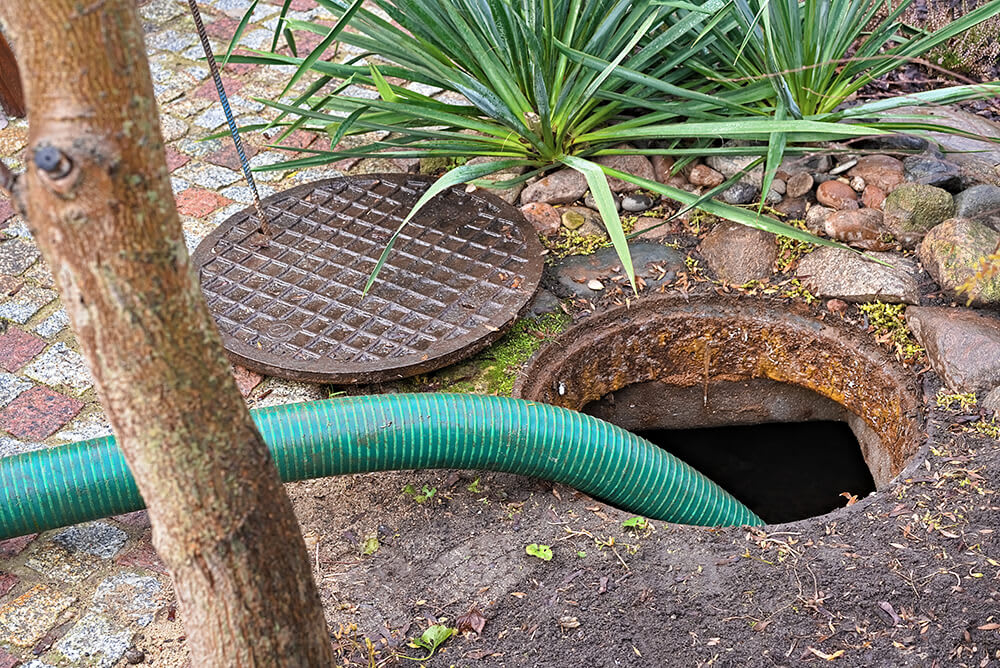
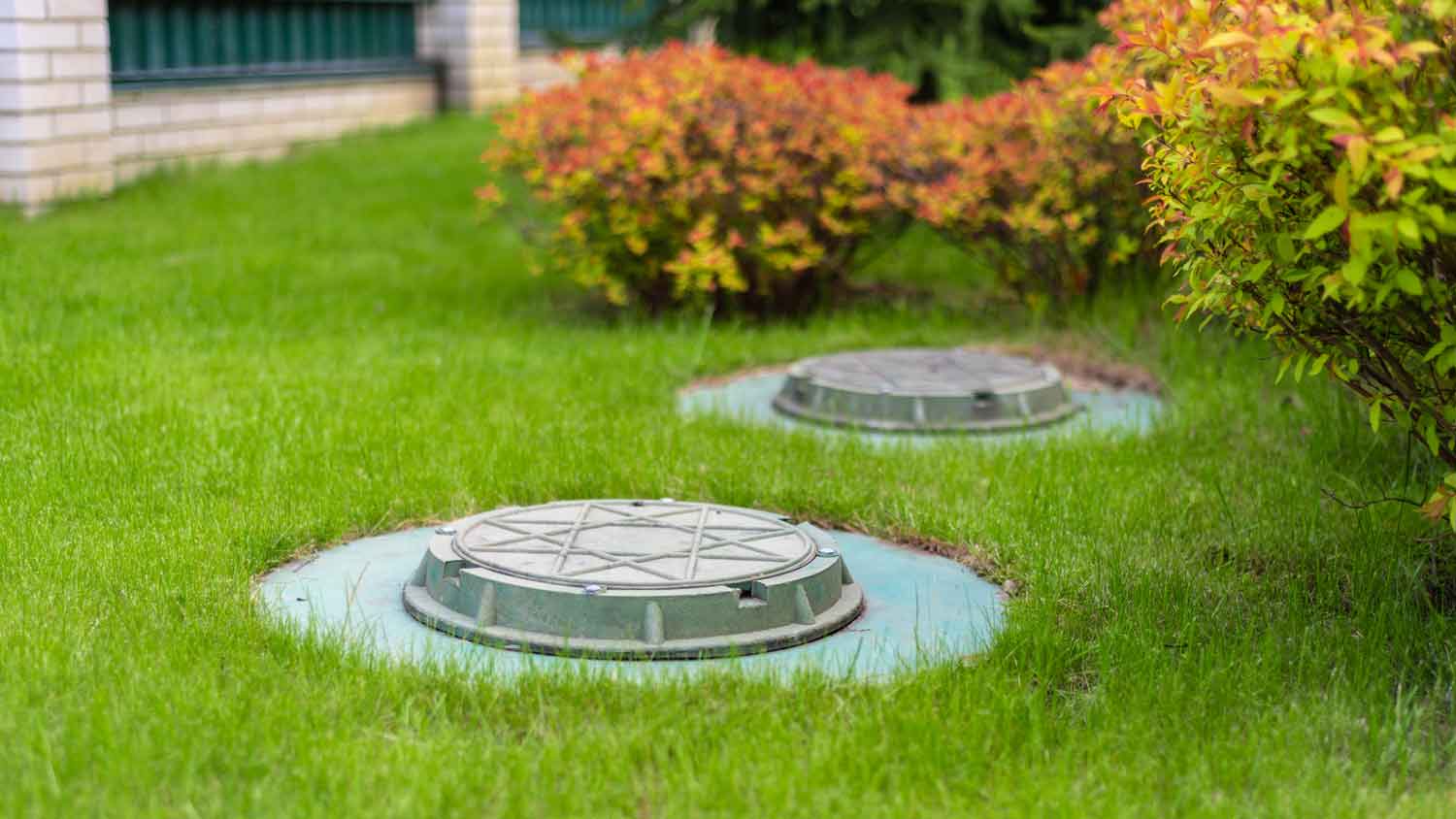
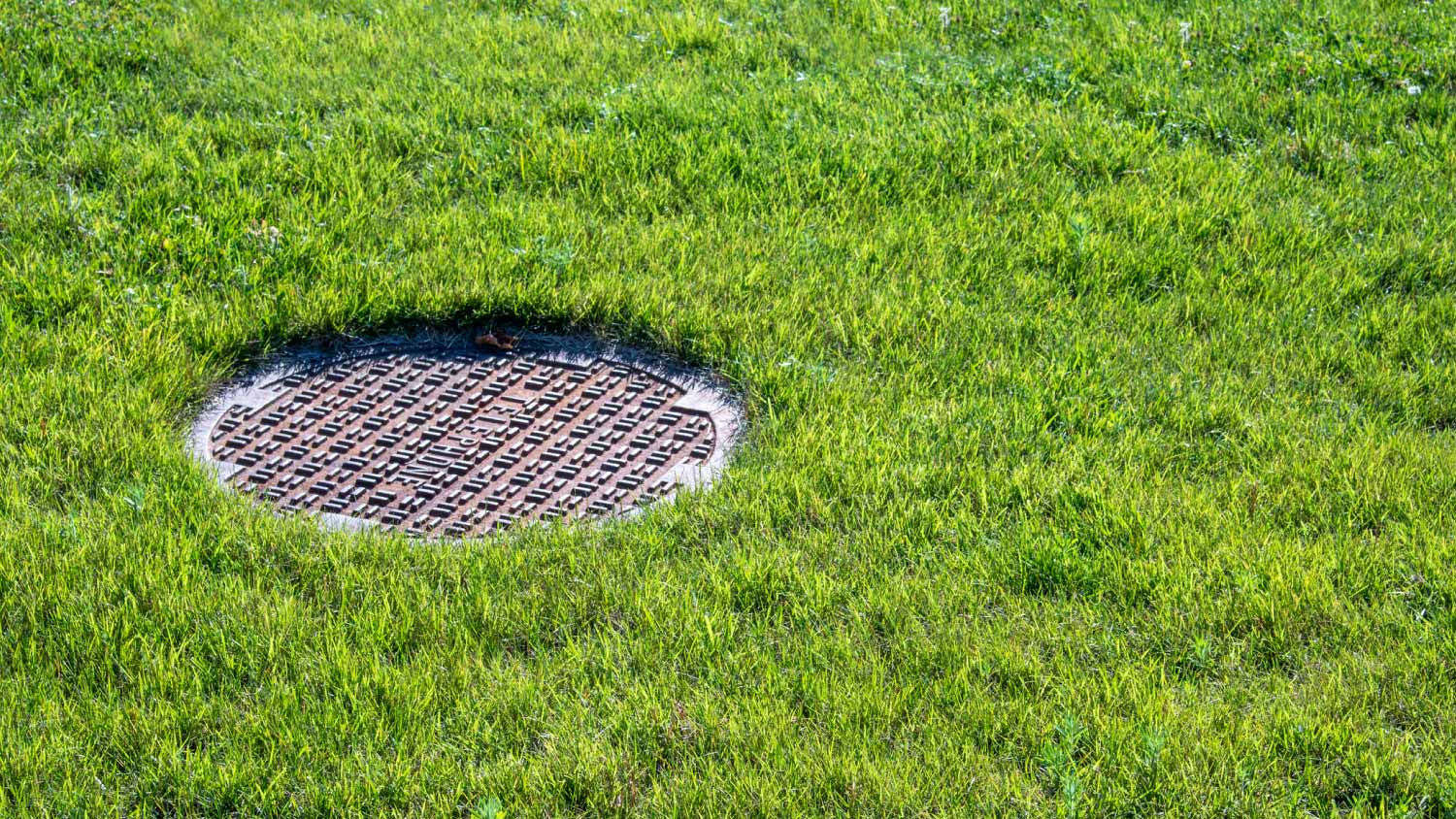
You can find your septic tank using a few different methods. For one, you can check your property records at your local municipal office. You can also inspect your yard looking for a depression, a septic tank lid, or lush septic-area vegetation which would indicate a leach field. You can also follow your pipes from the home to the yard. If you can't find your septic tank on your own, a local septic pro can help.

Septic tanks aren’t bad for the environment as long as they receive proper maintenance and attention. This means staying up-to-date with professional septic system inspections and septic tank pumping. Without regular maintenance, parts of the septic system could break or stop working, potentially letting harmful waste into the soil and groundwater.

Most deep wells can be expected to last somewhere between 30 and 50 years. This assumes that the well and all of its components are properly maintained on a regular basis. During this time, it is unlikely that modern deep wells will run dry over the course of their typical lifespan. That is one of the biggest benefits of digging a deeper well. 

The size of your septic tank plays a role in determining the proper size of the drain or leach field. As a general rule, you should have 1 square foot of drain field size per gallon of septic tank capacity. However, you could install a leach field that’s as much as 2.5 square feet per gallon of septic tank capacity. Most professionals determine the right septic tank size and drain field size by the number of bedrooms in the house. A three-bedroom house needs a minimum 1,000-gallon septic tank, for example.

There are a couple of ways you can determine the depth of your well. One method is to use a device called a well sounder. This tool has a long measuring tape containing a sensor to alert you once the end reaches the water. 

Or you can DIY it by using a long tape measure with a half-filled bottle of water attached to it. Lower the tape measure into your well. Once you feel tension on the tape, you’ll know the bottle has reached your static water level. This will give you an approximate idea of your well’s depth.

The Catlin, IL homeowners’ guide to septic tank services

From average costs to expert advice, get all the answers you need to get your job done.