





Top-rated excavation pros.

Get matched with top excavation pros in Monmouth, IL

Enter your zip and get matched with up to 5 pros

Need a pro for your excavation project in Monmouth, IL?

Select your specific project to find the pro for you.

Find Excavation pros in Monmouth

Avatar for NRE Land Solutions, LLC
NRE Land Solutions, LLC
5.0(
10
)
Building Site - Preparation and ClearingBuilding Site - Preparation and Clearing - For BusinessExcavation - Major Grading or Resloping+1 more

Serving Monmouth, IL and surrounding areas

In business since 2022

Free estimates

Credit card accepted

"Did a great job leveling off my gravel driveway by adding new gravel also installed a gravel area behind house leveled off and looks great . Customer service was excellent always kept me informed as to what was going on and did the job in a timely manner. I have more projects to do and will definitely call them back to do them"
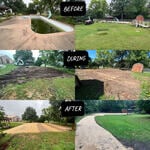
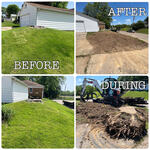
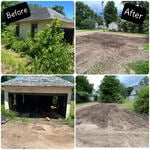
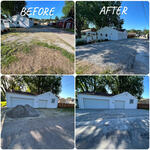
Before and after photo
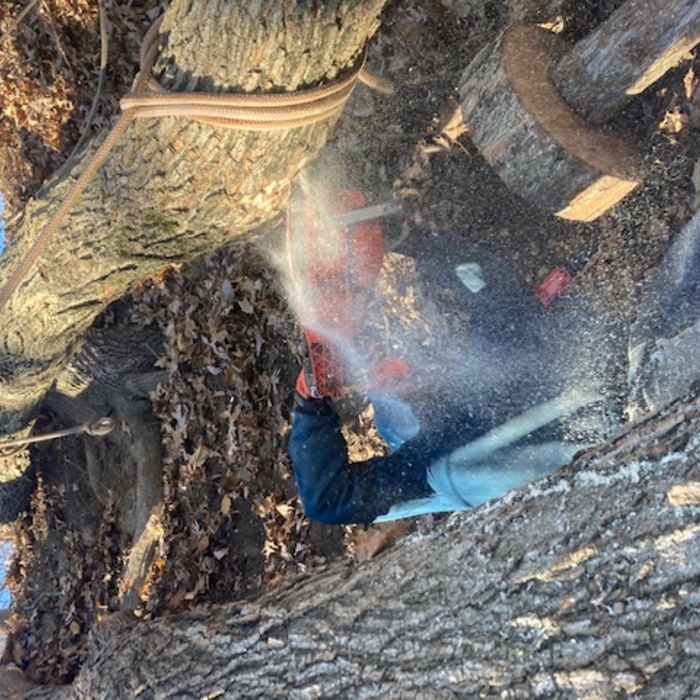
Stump removal
Garage demolition
New rock driveway
Pasture mowing

+5

Response time1 day
Response rate87%
Recommended by100%of homeowners
Avatar for McDonagh & Sons Plumbing & Sewer Inc
McDonagh & Sons Plumbing & Sewer Inc
4.1(
69
)
Building Site - Preparation and ClearingBuilding Site - Preparation and Clearing - For BusinessExcavation - Major Grading or Resloping+2 more

Serving Monmouth, IL and surrounding areas

In business since 2010

Free estimates

Emergency services offered

"Provider was prompt, professional and friendly.  Arrived at the agreed upon time for a free estimate and performed work same-day after we agreed to the price.  He stuck to the price despite taking longer than expected and more work than usual due to worn-rusted pipes in my home.  Cleaned-up after himself and left no sign that work was done other than our new, working toilets.  We are very pleased and reccomend McDonagh & Sons Plumbing & Sewer Inc.


"
Recommended by96%of homeowners
Tromblee Farms Ag Tiling
5.0(
1
)
Excavation - Major Grading or Resloping

Serving Monmouth, IL and surrounding areas

In business since 2023

Free estimates

Credit card accepted

Tromblee Farms Ag Tiling is committed to excellence in every aspect of our business. We uphold a standard of integrity bound by fairness, honesty, and personal responsibility. Our distinction is the quality of service we bring to our customers. Accurate knowledge of our trade combined with ability is what makes us true professionals. Above all, we are watchful of our customers' interests, and make their concerns the basis of our business.

My jobs
My jobs
Response time11 hrs
Recommended by100%of homeowners
Showing 1-10 of 18
Excavating questions, answered by experts

Consultation with the local government helps identify necessary permits, avoid project delays or legal issues, and protect project integrity.

There is no standard depth for burying a septic tank; they are typically buried anywhere from 4 inches to 4 feet underground. The final depth depends on several factors, including the depth of your main sewer line, the height of the bedrock, soil type, local regulations, and the property's landscape. If you plan to grow grass or plants over the tank, a depth of at least 4 to 6 inches is recommended. Deeper tanks can be more difficult to locate, but a septic professional can help find it for you.

Digging a bush up by the roots is the most natural DIY method for removing a bush stump. Start by identifying the shrub type and revealing its roots. Cut the shrub to its base and loosen the soil, ensuring no utility lines are nearby. Optionally, treat the base with herbicide, then dig around the roots and cut a circle around the shrub using various tools. Dig a trench, cut the base of the root ball, and finally fill the hole to prevent regrowth. This thorough process ensures complete removal without damaging surrounding areas.

Sewer lines can be buried anywhere from 18 inches to 8 feet deep, with a common average depth between 18 and 30 inches. The exact depth depends on local factors like climate and soil type. In colder regions, pipes must be buried deeper (below the frost line) to prevent freezing, sometimes as deep as 8 feet. The digging depth can also impact the cost of sewer line replacement. To find the specific depth for your property, you can check the building plans for your system, which should be on file with your city or local sanitation department since permits are required for installation.

Septic drain lines (or leach lines) are typically buried between 18 and 36 inches underground, and should be at least 6 inches below the surface. These pipes are perforated and surrounded by filtering materials like sand or gravel. Burying the lines at this depth helps minimize odors and allows bacteria and other biological processes in the soil to effectively treat the wastewater. Burying lines too close to the surface can cause issues unless the soil is very compact and stable.

The Monmouth, IL homeowners’ guide to excavation services

From average costs to expert advice, get all the answers you need to get your job done.