




Top-rated electricians.

Get matched with top electricians in Colchester, IL

Enter your zip and get matched with up to 5 pros

Need a pro for your electrical service project in Colchester, IL?

Select your specific project to find the pro for you.

TRUSTED BY COLCHESTER, IL HOMEOWNERS

  • Average homeowner rating star icon4.3
    Average homeowner rating
  • Verified reviews icon24
    Verified electrical services reviews

Find Electricians in Colchester

Showing 1-10 of 49
Electrical questions, answered by experts

Different fences use different amounts of electricity, but their operating costs are very low overall. Electric fences pull between 4 and 25 watts from the system if you have an average-sized yard. Barring any complicated math, you can expect an average electric fence to cost less than $5 a month to run. Aboveground electric fences, which are not typical for residential use or small animals, can cost more, but you shouldn't notice a significant change in your electric bill. 

To ensure batteries stop charging when they’re full, you’ll need to install a charge controller that determines when the battery is full. Once the battery is fully charged, the charge controller will stop the energy flow or divert the energy to the grid or other appliances. Without a charge controller, the battery may continue to charge, which can lead to less productivity and potential damage.

You can check if an electrician is licensed in New York by using the online license verification search tool offered by the New York State Education Department. The database is updated daily and gives you the option of searching by license number, contractor name, or the name of the business.

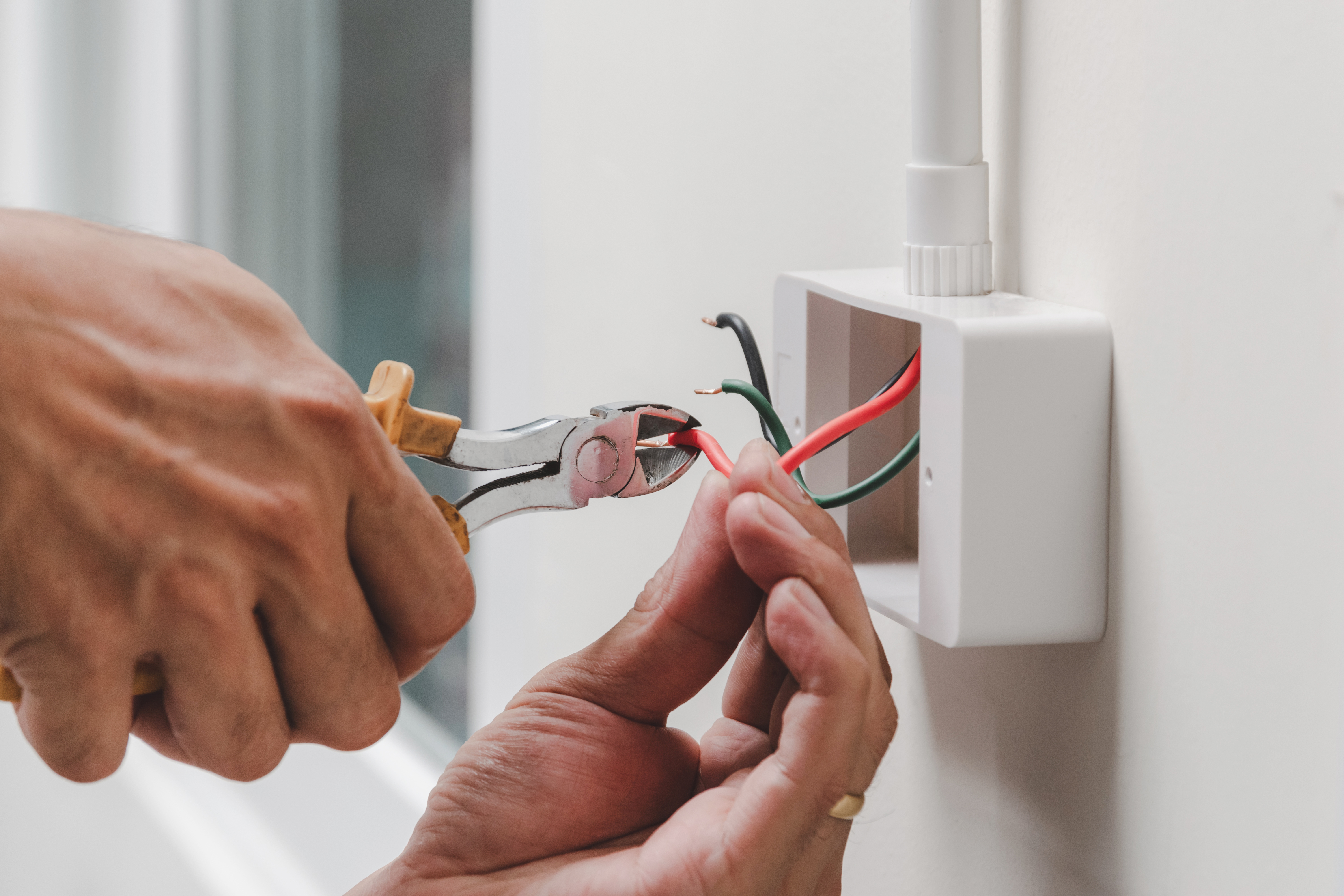
Using a wire stripper/cutter, strip about 1/2 inch to 1 inch of sheathing from electric wires, depending on the application. A self-adjusting wire stripper/cutter works best, but a standard wire stripper/cutter with holes for different gauges of wire works as well to cut and strip away the sheath without damaging the copper wire inside.

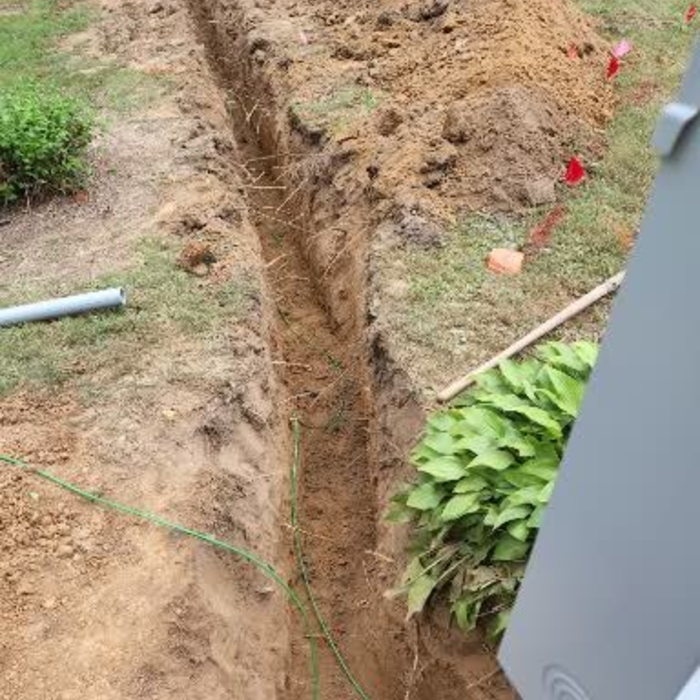
You can bury underground electrical wire six inches deep—but only if you use a rigid metal electrical conduit. For rigid, non-metallic conduits, bury the wire at least 12 inches deep. If using an underground feeder cable rated for direct burial, you'll need to place it at least 18 inches deep, as it has no conduit for extra protection.

The Colchester, IL homeowners’ guide to electrical services

From average costs to expert advice, get all the answers you need to get your job done.