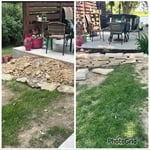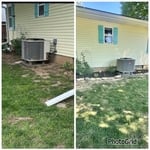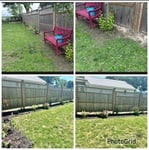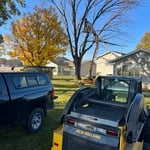


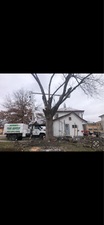


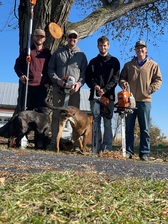

Top-rated tree service pros.

Get matched with top tree service pros in Colchester, IL

Enter your zip and get matched with up to 5 pros

Need a pro for your tree service project in Colchester, IL?

Select your specific project to find the pro for you.

TRUSTED BY COLCHESTER, IL HOMEOWNERS

  • Average homeowner rating star icon4.3
    Average homeowner rating
  • Verified reviews icon40
    Verified tree services reviews

Find Tree service pros in Colchester

Williams Tree Service
3.5(
3
)
Tree RemovalTree Removal - For BusinessTree Stump - Remove+3 more

Serving Colchester, IL and surrounding areas

In business since 2017

Free estimates

Offers commercial services

"We have formed a great rapport with Alan and Williams Tree Service, with is why we keep using them. Their prices are great, the work is fantastic, they go above and beyond, and are very resourceful when noticing other any other work needing to be done, and have someone to recommend. fantastick and gores above and beyos resourceful on giveing other"
Response time2 days
Recommended by100%of homeowners
Showing 1-10 of 38
Tree Service questions, answered by experts

A tree growing close to a house can pose several risks, but removal isn't always the only or best solution. Potential problems include roots growing into the foundation and causing structural cracks, branches damaging the roof or promoting moss growth, and debris clogging gutters, which can lead to water damage. Trees can also provide access for pests and encourage mold. However, a small, healthy tree may not be a problem, and for larger, established trees, strategic trimming can be a cheaper and more beneficial alternative to removal. It is generally recommended to take action for trees within 10 to 20 feet of your home, especially if they are unhealthy or encroaching. Your best bet is to consult a professional arborist who can assess the specific situation and provide expert advice.

Yes, it is essential to confirm that any tree service company you hire is properly insured before they begin work. Tree removal, trimming, and pruning are dangerous jobs, and proper insurance protects you, your home, and the company from liability in case of accidents or damage. Look for a company that carries both general liability and workers’ compensation insurance, and do not hire one that cannot provide proof of coverage. When browsing for professionals, you can look for indicators like an “Angi Approved” badge, which signifies that the business meets standards like holding applicable licenses and passing a background check. Keep in mind that a license is a legal requirement to operate, while certifications are typically voluntary.

It is possible to cut down a tree on your property yourself, but it is generally not recommended unless specific conditions are met. You should only consider this project if the tree is small (e.g., under 4-5 inches in diameter and short enough that you don't need a ladder to reach the branches), and you are experienced in handling a chainsaw. The tree must also be located far from any power lines, fences, homes, or other structures. Even for small trees, the work can be dangerous, and it's always advisable to have a spotter to ensure the tree falls correctly and no branches fall on you.

For any tree that is large, requires a ladder to access, or is near electrical lines or structures, you should always hire a professional. Attempting to remove a large tree yourself is extremely dangerous, poses a risk of serious injury, and could result in significant damage to your property.

Before any tree removal, it's also important to check your local and state regulations to ensure the tree is not historic or otherwise protected by your city.

Rock salt or Epsom salt can damage and kill tree roots over several weeks and can even assist in removing the tree's stump. However, you need to drill holes or cut into the stump and surface tree roots to inject them properly with the salt. Repeat the process every two weeks until the roots visibly rot away.

The typical lifespan of a Bradford pear is relatively short, only 15 to 25 years. However, these trees have issues long before their life is over. Due to their soft wood and fast-growing branches, Bradford pear trees often split around 15 years, making them a risk for falling branches and more prone to disease. 

The Colchester, IL homeowners’ guide to tree services

From average costs to expert advice, get all the answers you need to get your job done.