

Top-rated septic tank pros.

Get matched with top septic tank pros in Ledyard, CT

Enter your zip and get matched with up to 5 pros

Need a pro for your septic tank service project in Ledyard, CT?

Select your specific project to find the pro for you.

TRUSTED BY LEDYARD, CT HOMEOWNERS

  • Average homeowner rating star icon4.8
    Average homeowner rating
  • Verified reviews icon77
    Verified septic tank services reviews

Find Septic tank pros in Ledyard

Avatar for Drain Blasters
Drain Blasters
5.0(
9
)
Septic System - Install or ReplaceSeptic System - Install or Replace - For BusinessSeptic System - Repair+3 more

Serving Ledyard, CT and surrounding areas

In business since 2020

Emergency services offered

"Showed up quickly performed the work they said they would do for the price. everything was straightforward and simple and they left us with a color video of the inside of my septic system which was super cool and well worth the $950 for the peace of mind of knowing what’s in the ground. ❤️❤️❤️"
Recommended by100%of homeowners
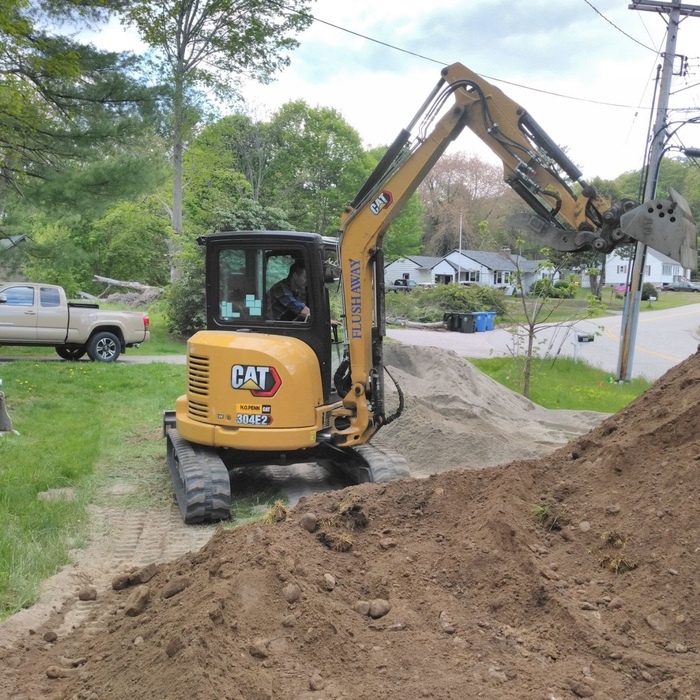
Flushaway Septic Tank Cleaning Inc
5.0(
3
)
Septic System - Install or ReplaceSeptic System - Install or Replace - For BusinessSeptic System - Repair+3 more

Serving Ledyard, CT and surrounding areas

In business since 2015

Emergency services offered

Credit card accepted

"The septic tank had not been cleaned for over 10 years. Bill, from Flushaway Septic came within an hour and a half of my phone call. He explained what had to be done after opening up the septic tank and did the job promptly and neatly leaving the area perfectly clean. He charged $275 for a total pump out with lots of solid waste. He explained how to keep the tank clean and suggested a cleaning every 3 years. I highly recommend him to anyone needing this service."
Recommended by100%of homeowners
Bond Excavation
5.0(
10
)
Septic System - Install or ReplaceSeptic System - Install or Replace - For BusinessSeptic System - Repair+1 more

Serving Ledyard, CT and surrounding areas

In business since 2005

Free estimates

Credit card accepted

"My name is Dan Mastronunzio, I own Brom Homes, LLC. I hire Bond Excavation for the site work on all of our projects. He is so excellent to work with, and does such superb work. I highly recommend Bill, Quinn and their team for all things site work."
Response time10 hrs
Recommended by87%of homeowners
Showing 1-10 of 25
Septic Tanks questions, answered by experts

A septic system's lifespan typically ranges from 15 to 40 years, with a common average of 20 to 30 years. The longevity heavily depends on the tank's material, maintenance diligence, and usage habits. With proper care, lifespans can reach the upper end of this range.

Lifespan by Tank Material:

  • Concrete: 20 to 40 years

  • Plastic or Fiberglass: 30 to 40 years

  • Steel: 15 to 20 years

To maximize your system's lifespan, follow these maintenance best practices:

  • Regular Pumping and Inspections: Have the tank pumped every three to five years and schedule professional inspections regularly.

  • Mindful Usage: Only flush human waste and toilet paper. Avoid putting items like cat litter, paper towels, cigarette butts, fats, grease, oils, or coffee grounds down your drains.

  • Avoid Chemicals: Do not pour harsh chemicals into the system.

  • Water Conservation: Reduce the amount of wastewater your system has to process.

  • Protect the Drain Field: Avoid driving or building heavy structures over the drain field area.

Neither system is necessarily better or worse than the other, but one of the two might be better for your needs. For example, anaerobic systems are less expensive than aerobic ones and don’t use power to run. On the other hand, aerobic septic systems don’t take up as much space and are typically more efficient than their anaerobic counterparts.

Although cesspits may be necessary depending on your main sewage system access or nearby soil quality, they carry a few drawbacks. Cesspools require regular emptying and have relatively high maintenance and pumping costs. Certain areas also disallow the use of cesspools and may require you to cover the cost of existing cesspools to be converted into septic tanks.

Septic drain lines (or leach lines) are typically buried between 18 and 36 inches underground, and should be at least 6 inches below the surface. These pipes are perforated and surrounded by filtering materials like sand or gravel. Burying the lines at this depth helps minimize odors and allows bacteria and other biological processes in the soil to effectively treat the wastewater. Burying lines too close to the surface can cause issues unless the soil is very compact and stable.

Wells should be at least 100 feet deep for drinking water, but they may need to be deeper depending on the local geology, water quality, and your household’s water usage. Work with a qualified well drilling professional who can assess the appropriate depth for your well and test the water before drinking it.

The Ledyard, CT homeowners’ guide to septic tank services

From average costs to expert advice, get all the answers you need to get your job done.