



Top-rated drywall pros.

Get matched with top drywall pros in Branford, CT

Enter your zip and get matched with up to 5 pros

Need a pro for your drywall service project in Branford, CT?

Select your specific project to find the pro for you.

TRUSTED BY BRANFORD, CT HOMEOWNERS

  • Average homeowner rating star icon4.5
    Average homeowner rating
  • Verified reviews icon99
    Verified drywall services reviews

Find Drywall pros in Branford

Avatar for CoverAll Drywall, LLC
CoverAll Drywall, LLC
4.8(
256
)
Drywall - InstallDrywall - Repair

Serving Branford, CT and surrounding areas

Approved

In business since 2004

Free estimates

Warranties offered

"Steve was very professional and was on time everyday. The drywall installation was fantastic. He left the job site clean and did a walk thru upon completion. I would highly recommend Coverall Drywall."
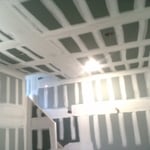
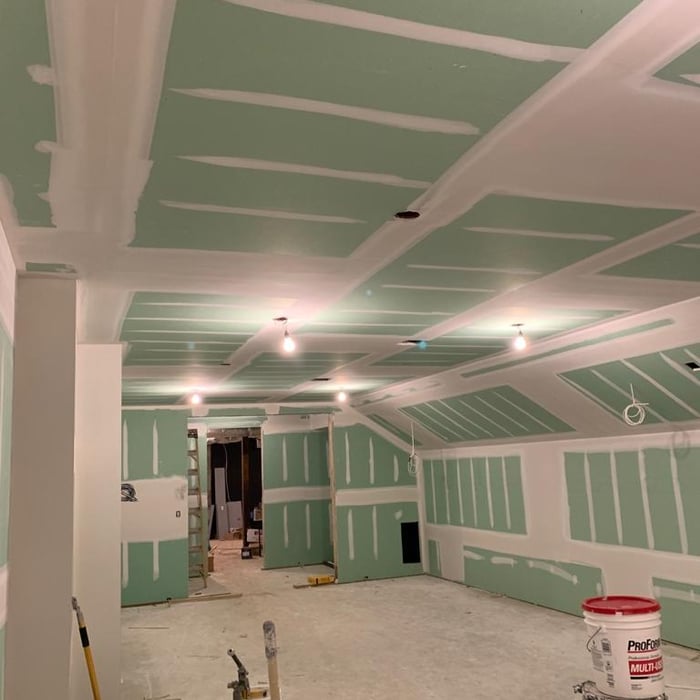
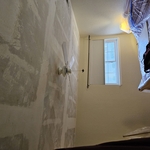
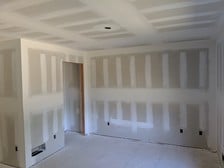
 first coat of compound
 first coat of compound
 first coat of joint compound
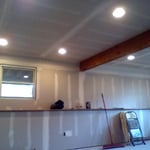
 This is a  basement job
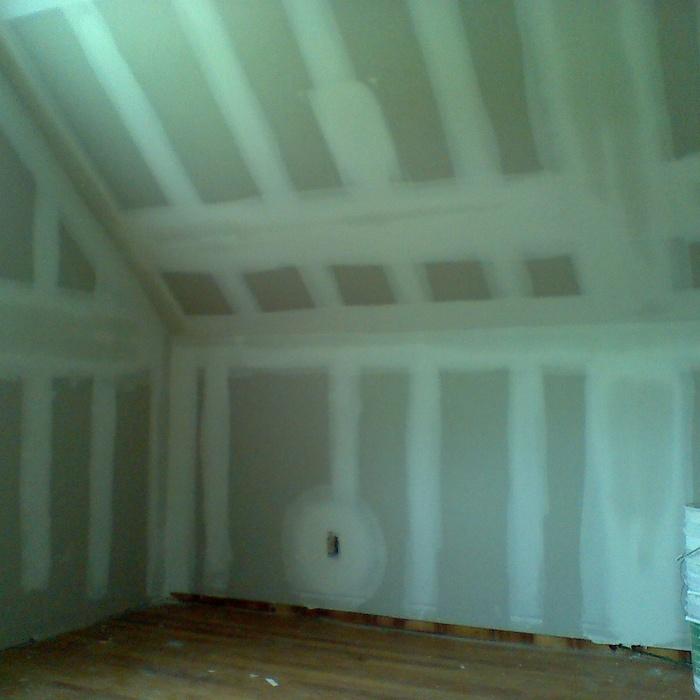
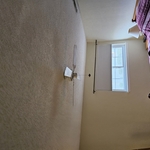
 upstairs attic / bedroom

+10

Response time6 hrs
1 neighbors recently requested a quote
Recommended by93%of homeowners

Avatar for Master Drywall, LLC
Master Drywall, LLC
4.3(
29
)
Drywall - RepairDrywall - Install

Serving Branford, CT and surrounding areas

Approved

In business since 2020

Free estimates

Emergency services offered

"Had some drywall repair that required a professional and Sarah and John at Master Drywall were responsive, quick, efficient and thorough. They offered a competitive price and did an excellent job. I would hire them again!"
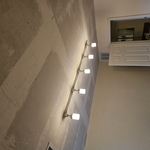
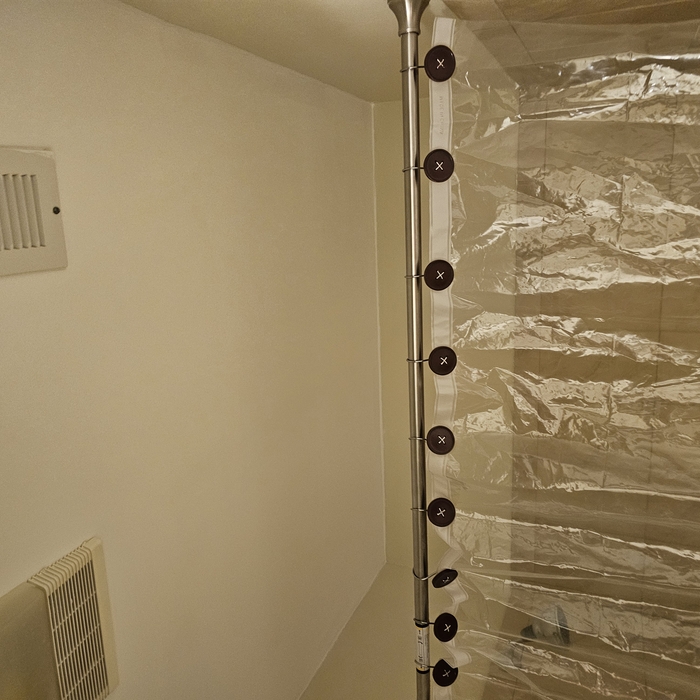
Detailed high ceiling
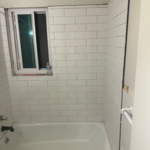
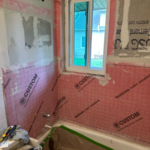
Bathroom view
Bathroom view
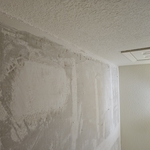
Spider web high ceiling
Basement

+12

Response time2 days
Response rate87%
28 neighbors recently requested a quote
Avatar for Fer Home Services, LLC
Fer Home Services, LLC
5.0(
43
)
Drywall - Repair

Serving Branford, CT and surrounding areas

Approved

In business since 2011

Free estimates

Emergency services offered

"Fantastic work! They were very responsive throughout the whole process and provided helpful advice regarding our project that enabled us to save money without sacrificing quality or workmanship. The company provided competitive quotes that were budget friendly. We went back on forth on paint color for the deck and front porch and Fernando was very willing to accommodate us. We would highly recommend working with them!"
Exterior Project
Exterior Project
Exteriors
Exteriors
Exteriors

+28

Response time8 hrs
15 neighbors recently requested a quote
Recommended by93%of homeowners
...
Showing 1-10 of 342
Drywall questions, answered by experts

Whether you need a drywall anchor depends on the specifics of your project, particularly what you're hanging and where. You do not need a drywall anchor if you can screw or nail the object directly into a wooden stud, as the wood provides sufficient support and stability. However, if there are no studs in the location where you plan to hang the item, you should use drywall anchors to ensure it is securely supported. For very lightweight objects, like small pictures, adhesive picture hanging strips can be a suitable alternative to anchors.

Costs range from $500 to $5,000, depending on damage size, labor, and finishing requirements.

Although they have similar applications, spackle and joint compound are not the same. Their primary differences lie in their composition, consistency, and ideal use cases.

Spackle is composed of gypsum and binding agents, making it thicker than joint compound. It dries quickly and is easy to sand, which makes it ideal for small wall repair projects like filling nail holes or patching minor damage.

Joint compound, also known as drywall mud, consists of limestone and gypsum. It is primarily used for large-scale projects, such as taping and finishing the seams on newly installed drywall. It tends to shrink more than spackle and can be more difficult to spread.

While both products can be used to fill small depressions and cracks, spackle cannot replace joint compound for taping and mudding new drywall. Conversely, you can often use joint compound for small patching jobs typically done with spackle.

You should leave a gap between drywall sheets because they naturally expand and contract along with the building framing as temperature and humidity change. Most pro drywall installers leave a gap of about ⅛ inch between drywall sheets, allowing the sheets to expand, contract, and shift without cracking or becoming damaged. If you don’t leave enough gaps between slabs, the edges will press against each other when they expand, and the pressure can cause visible cracks.
While you can put new drywall over old drywall, it’s not always the best option. In some cases, drywalling over drywall can make it harder to find wires and pipes behind your walls and conceal more serious problems with your walls. It can also make the room smaller. On the plus side, putting drywall over drywall can improve soundproofing and insulation. Plus, it’s often less expensive than tearing down and adding new drywall.

The Branford, CT homeowners’ guide to drywall services

From average costs to expert advice, get all the answers you need to get your job done.