


Top-rated masons.

Get matched with top masons in Longmont, CO

Enter your zip and get matched with up to 5 pros

Need a pro for your masonry work project in Longmont, CO?

Select your specific project to find the pro for you.

TRUSTED BY LONGMONT, CO HOMEOWNERS

  • Average homeowner rating star icon4.4
    Average homeowner rating
  • Verified reviews icon61
    Verified masonry services reviews

Find Masons in Longmont

Avatar for Masonry D Services
Masonry D Services
4.9(
74
)
Brick and Stone Patios, Walks, and Steps - InstallBrick and Stone Flatwork - RepairBrick or Stone - Tuck-pointing+2 more

Serving Longmont, CO and surrounding areas

Approved

Super Service Award Winner

In business since 2015

Free estimates

Customers say: True professional

"Manny, Hector and team are outstanding in terms of communication, quality of work, accuracy of estimate and timing. They are total professionals. We are so pleased with our new patio and walkway. We definitely recommend MDS for any and all masonry projects."
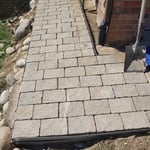
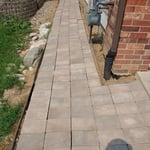
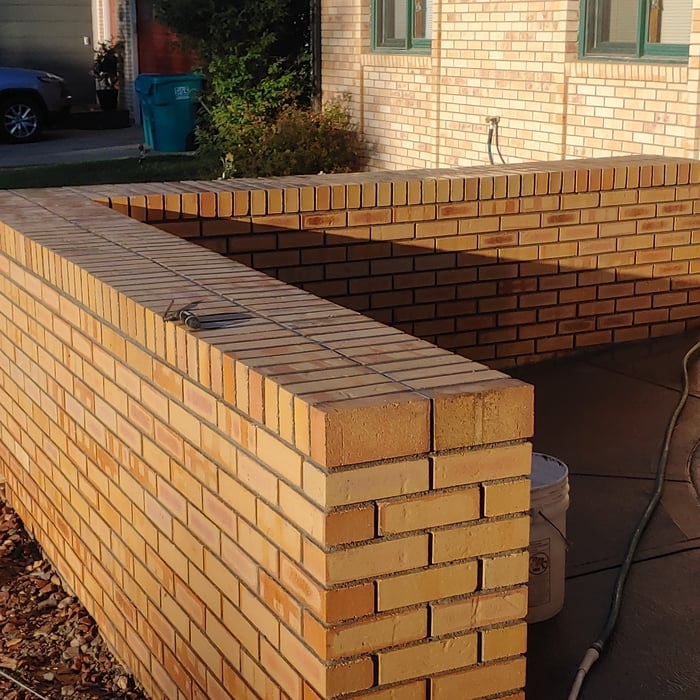
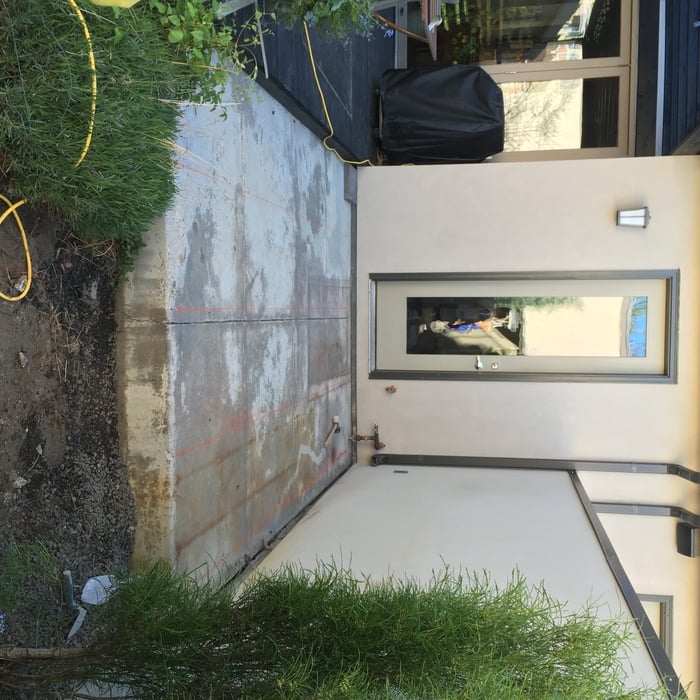
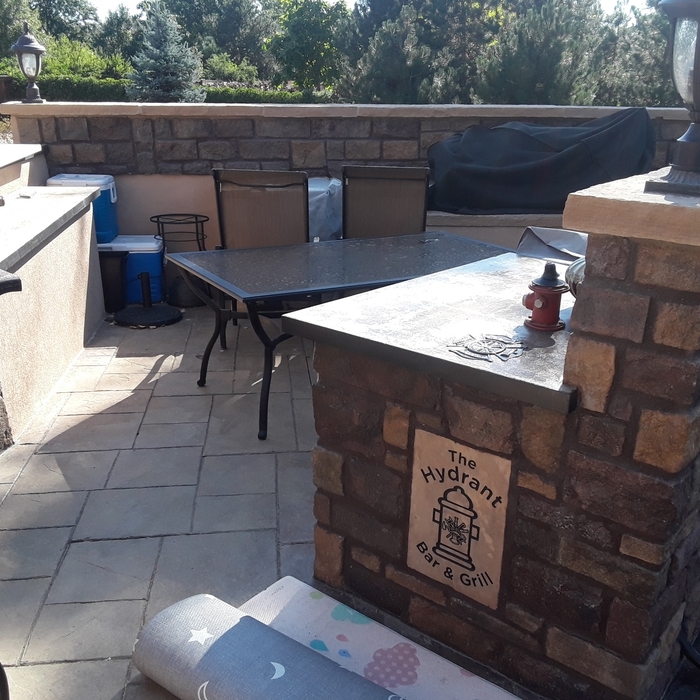
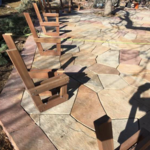
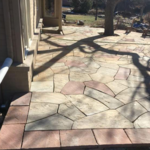
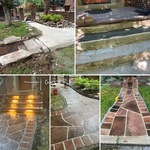
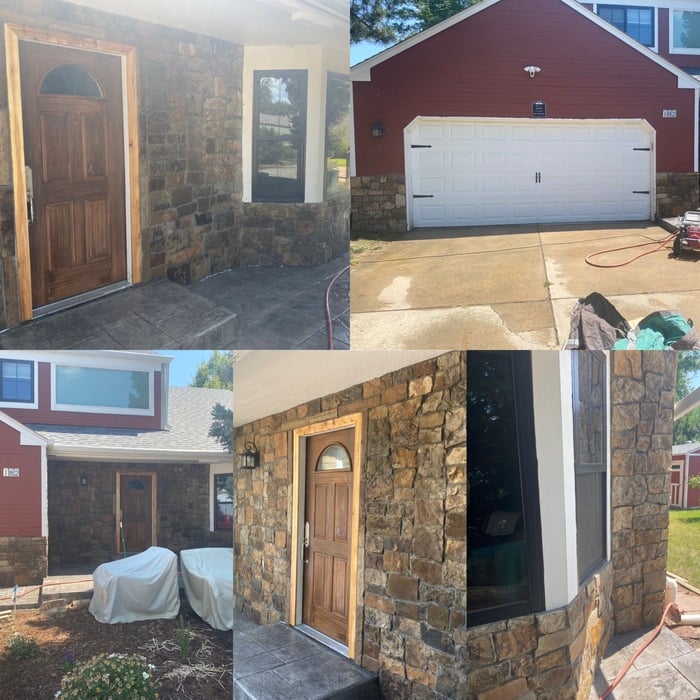
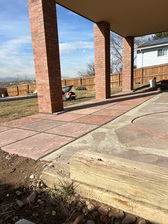
Patio - Walkway (AFTER)
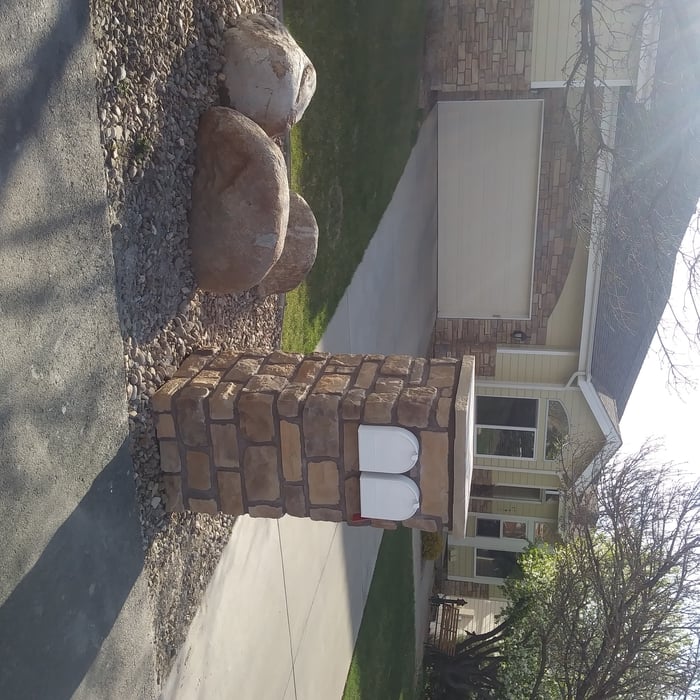
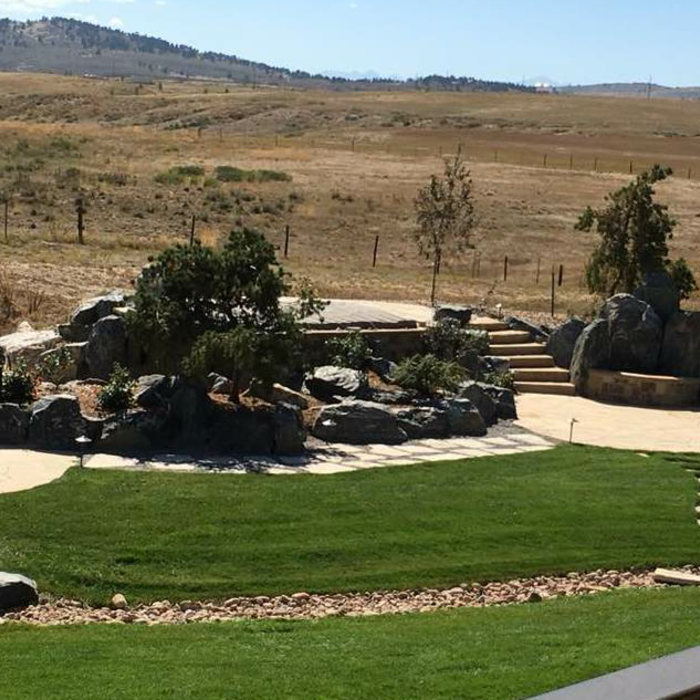
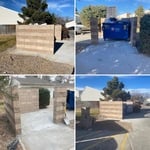
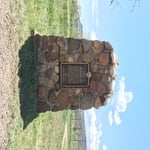
Arapahoe City Marker (AFTER)
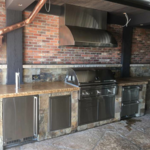
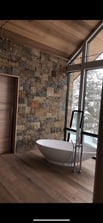
Minor Projects
Front Area
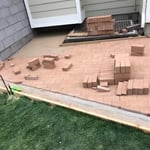
Patio - Walkway (BEFORE)

+31

Response time5 hrs
Response rate92%
21 neighbors recently requested a quote
Stonemason
4.6(
17
)
Brick and Stone Flatwork - RepairBrick or Stone - Tuck-pointingBrick, Stone or Block Wall - Repair

Serving Longmont, CO and surrounding areas

Approved

In business since 1972

Customers say: Quality work

"Talked a good game during the walk through and estimate. Over committed a little bit on fixing some retaining wall sections. End result was his recommendation to 'match the previous stonemason's inconsistent work', rather than the additional work needed to do it properly as a lasting fix. He also appeared to use an apprentice for more than half of the work. That said, the job was acceptable. Though I had hoped $600 would have gone further, again,"
Response time9 hrs
Recommended by93%of homeowners
...
Showing 1-10 of 744
Masonry questions, answered by experts

Yes, depending on the type of pavers you have, you may need a specific type of sealant. For example, concrete pavers will bond differently than clay pavers or faux stone pavers and will demand a different type of sealer. If you’re unsure of the material and what type of sealant you need, you can contact the company that laid your pavers down for you.
Yes, you can technically use a pressure washer to remove paint from brick, but it comes with a significant risk of damaging the brick surface. A high-power pressure washer can be fast but may leave the brick looking unsightly. The recommended method is to first apply a chemical paint stripper, following the product's instructions, and then use a stiff metal bristle brush or a pressure washer on a low-pressure setting to remove the loosened paint. Due to the risk of damage, it is often best to hire a professional who can use low-stress methods.

Yes, it is normal to see some minor hairline cracks in brick or mortar over time, often due to natural foundation settling. However, not all cracks are harmless. You should be concerned and contact a masonry professional for an inspection if you notice cracks that are getting wider or longer, or if new ones keep appearing. Other serious warning signs that can indicate significant structural or foundation damage include large vertical cracks (especially those that widen as they go up), stair-step cracks, L-shaped cracks, and deep horizontal cracks. Factors like temperature changes, moisture, and structural loading can also cause cracks to form or worsen.

Drilling into brick or mortar requires the use of a masonry drill bit. Masonry drill bits appear similar to standard drill bits except for the leading tip of the bit. The tip has a bulky carbide arrow-shaped end slightly larger than the rest of the bit shaft. Standard or high-speed drill bits designed for making holes in wood or metal don’t have the ruggedness or design shape you need to drill into brick. They may not go through the brick at all, and if they do, they’re more likely to overheat, crack, or dull before you finish drilling.

No, you don’t need to soak the brick before cutting it by hand. In fact, cutting a wet brick can make it harder to see your score lines and may cause the chisel to slip. Soaking is sometimes used with power tools to reduce dust, but for hand-cutting, it’s best to work with dry bricks for better control and visibility.

The Longmont, CO homeowners’ guide to masonry services

From average costs to expert advice, get all the answers you need to get your job done.