






Top-rated basement waterproofing pros.

Best basement waterproofing pros near Window Rock, AZ

Enter your zip and get matched with up to 5 pros

Need a pro for your basement waterproofing project in Window Rock, AZ?

Select your specific project to find the pro for you.

Top-Rated Basement waterproofing pros in Window Rock - Updated Nov 2026

Basement Waterproofing FAQs, answered by experts

While a standard gutter system is widely considered the most effective way to prevent water damage to your home's foundation, several alternatives are available. These options can be used on their own in certain climates or as supplementary protection.

Common alternatives include:

  • Rain Chains: These are decorative chains that hang from the roof's edge, guiding rainwater to the ground.

  • Drip Edges: These metal strips are installed at the edge of the roof to direct water away from the fascia. While often used with gutters, they can be paired with a ground-level solution but are typically not sufficient on their own.

  • Rain Dispersal Systems: These systems work by breaking up the heavy sheet of water flowing off the roof, dispersing it over a wider area.

  • French Drains: This ground-level system uses a perforated pipe in a gravel-filled trench to collect and redirect water runoff away from the house.

  • Drip Paths: Placed directly below the roofline, these paths made of concrete, stone, or other materials prevent soil erosion and guide water away.

It's important to note that some alternatives like rain chains and dispersal systems may not be adequate in regions with heavy rainfall because they don't divert water away from the foundation as effectively as a full gutter system. Ground-based solutions like French drains can be very effective but are often more expensive and can affect your landscaping and curb appeal. Many experts recommend installing a full gutter system for maximum protection and using alternatives as supplementary measures.

Whether your homeowners insurance covers slab leak repairs depends on your specific policy and the cause of the leak. Many policies cover slab leaks resulting from a covered peril, such as a natural disaster, a falling tree, or pipes freezing and bursting within the slab. However, damage caused by invading tree roots, corrosion, or leaks from appliances may not be covered by a standard policy. It's a good idea to also check your home warranty plan for potential coverage if an appliance is the source. Contact your insurance provider for a full explanation of what your policy covers.

Many prevention methods can be used individually or in combination to waterproof your basement. Some of the most common waterproofing methods include:

  • Using dehumidifiers 

  • Silicate concrete sealers

  • Vapor barriers 

  • Baseboard channels 

  • Drain tile systems

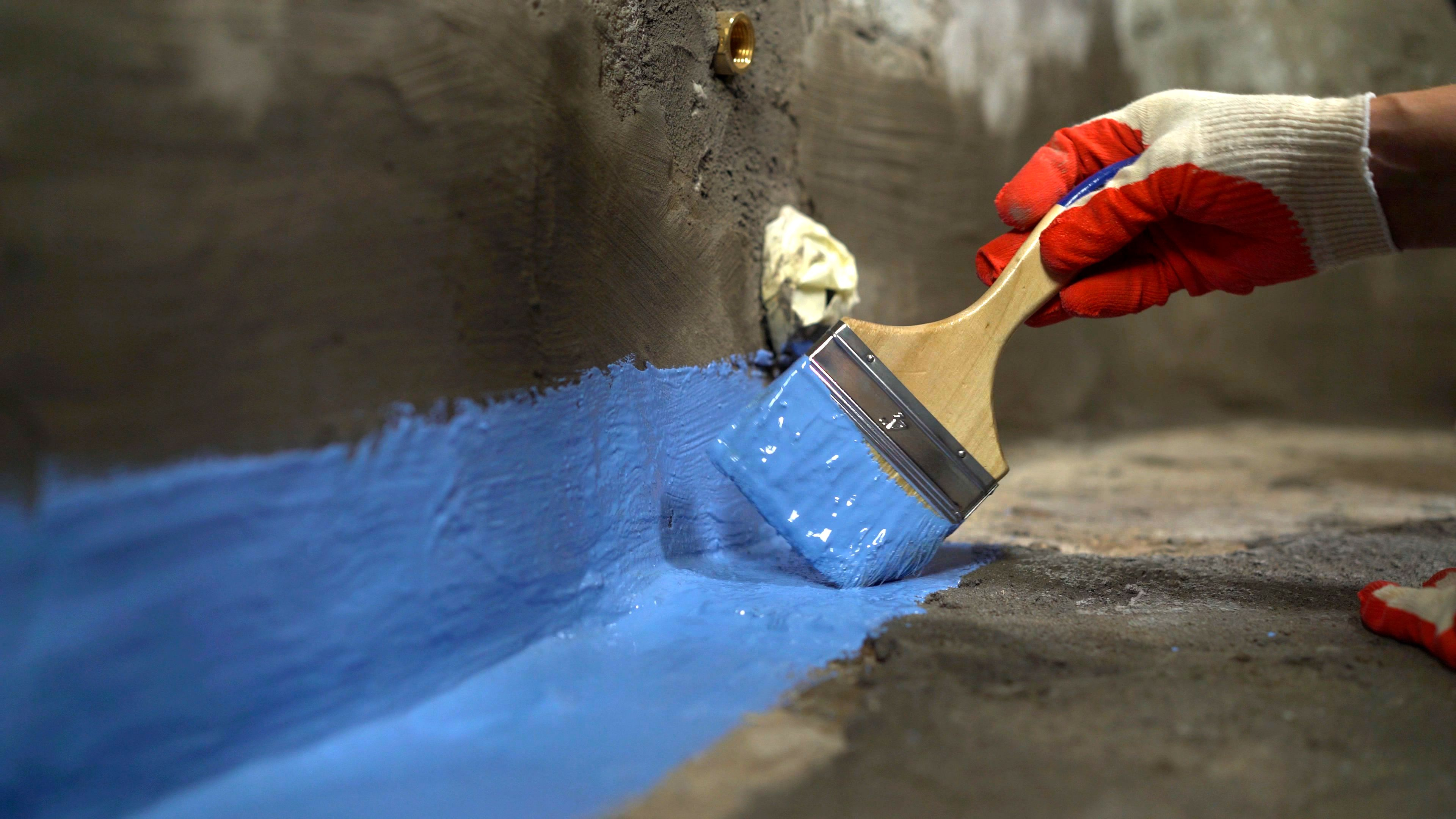
  • Waterproofing paint

  • Drainage systems

  • Epoxy injection

  • Interior French drains

  • Exterior excavation and waterproofing

  • Cement waterproofing

  • Weep tiles

  • Liquid membrane

  • Sheet membrane 

  • Yard grading

  • Gutters and downspouts

Regular inspections, proper drainage management, and ensuring soil stability help prevent future settlement issues.

No, your basement dehumidifier doesn’t need to be on 24/7. While it’s an excellent tool for tackling damp, musty air, especially in humid seasons, leaving it running nonstop can backfire. Over-drying the space can mess with your sinuses, warp wood, and even crack certain materials. Instead, only use your humidifier when moisture levels rise above 50%, and then give it a break when the humidity levels drop.

The Window Rock, AZ homeowners’ guide to basement waterproofing services

From average costs to expert advice, get all the answers you need to get your job done.