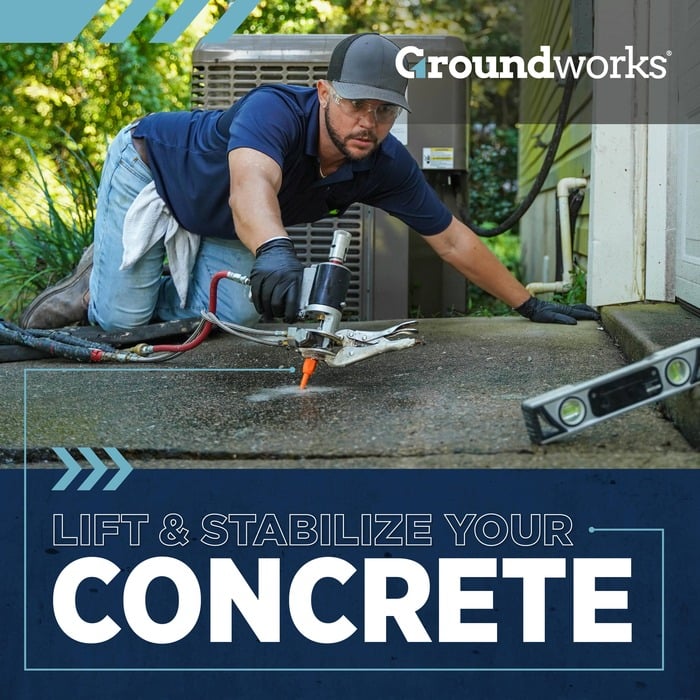
"We are still in the budgeting phase and have not contacted yet however Scott Hughes of Groundwork’s was a great resource. He provided detailed information on the issues and how they would resolve them for us."
"I only use James when I need some work done to my house. He responds fast, gets the work done quicker than just about anyone else I've ever used and seems very concerned with leaving his customers happy."
Basement Waterproofing questions, answered by experts
Egress windows or doors are required in finished basements to meet safety and building codes. If your basement is unfinished and used as a storage space, egress windows are not required, but anything considered a habitable space must have an additional point of egress in addition to the stairs.
Yes, engineers assess soil load-bearing capacity and provide construction guidelines.
Preventing future basement flooding often involves installing sump pumps, improving drainage, sealing foundation cracks, and maintaining gutters. Costs vary, but preventive measures can range from a few hundred to several thousand dollars, depending on the solutions chosen. Investing in prevention can save you money on future flooded basement cleanup costs and repairs.
Typically, waterproofing a basement should last up to 10 years. However, it’s worth noting that with proper maintenance and depending on the waterproofing method and installation quality, you can probably squeeze another decade out of it.
Crawl spaces are the more desirable option overall because they provide additional space for storage and utilities, but they are more expensive to install and maintain. Slab foundations are considered a better option in warmer climates where the depth of the frost line isn’t an issue because they’re more affordable, but crawl spaces are better in areas where the frost line is deep or where flooding can be an issue.
The Chambers, AZ homeowners’ guide to basement waterproofing services
From average costs to expert advice, get all the answers you need to get your job done.
Need to fix basement water problems or safeguard your home from damage in the future? Use this basement waterproofing cost guide to budget appropriately.
An unfinished basement has a lot of potential for a family room or guest suite. So how much does it cost to finish a basement? Read on for all cost factors.
Dealing with a damp basement? Follow these steps for DIY basement waterproofing to keep water and moisture out and boost your home’s energy efficiency.
Can’t seem to get rid of the moisture and mold in your basement? Learn why basements tend to hold moisture and how to get rid of moisture in the basement.