"I only use James when I need some work done to my house. He responds fast, gets the work done quicker than just about anyone else I've ever used and seems very concerned with leaving his customers happy."
Basement Waterproofing questions, answered by experts
Underfloor insulation alone will not cause moisture and mold, but improper installation can. Although the purpose is to seal any drafts, your subfloor still needs ventilation. If you seal the area too tightly and prevent all airflow, this can cause moisture to get trapped. This moisture eventually leads to mold and—if your floors are wood—rotting.
Unfortunately, mold can grow pretty much anywhere, on any kind of surface. However, you’re most likely to see it in damp areas like basements or bathrooms, as well as anywhere there has been a water leak. Consult a local mold specialist to determine if certain areas of your home are prone to mold based on climate and other factors.
A sewage smell in your crawl space is usually from a damaged or clogged pipe leaking sewer gasses or actual sewage underneath your home, but there are some other common causes. Moisture, from poor or damaged encapsulation or a malfunctioning sump pump, can harbor mold and bacteria, causing a musty smell. Pests can also get stuck in your crawl space and die, which causes a sewage-like odor.
Costs depend on the area's size and condition, damage extent, and chosen method. A professional evaluation provides a tailored estimate based on specific needs.
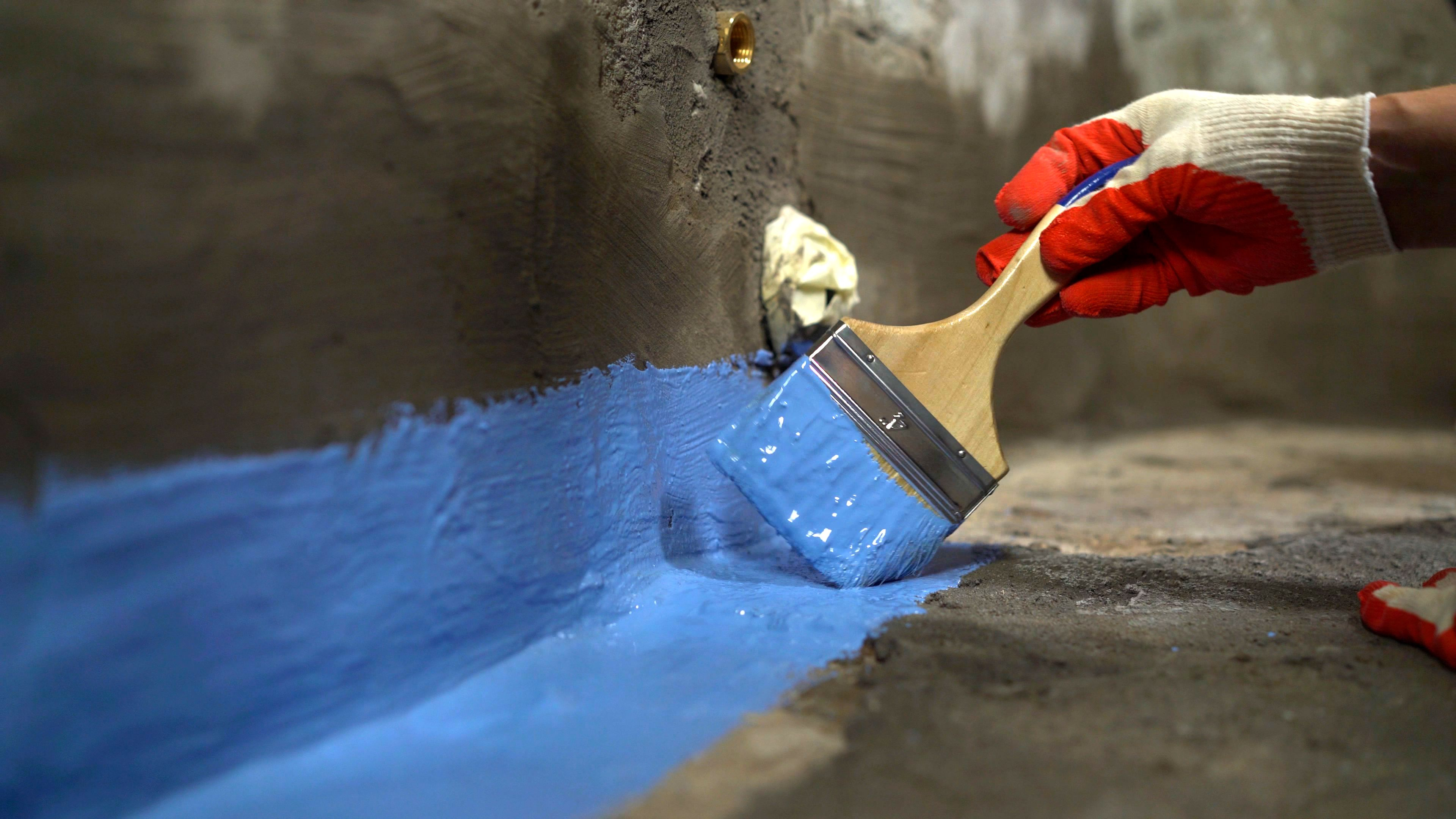
Damp proofing and waterproofing are both methods to help keep your basement dry. Damp proofing keeps soil moisture from entering your basement, which is helpful since your basement is underground. Waterproofing, however, keeps both soil moisture and liquid water out of the basement, which is essential, especially if you live in a wet environment. Because it’s more protective, waterproofing typically costs more than damp proofing.
The Tsaile, AZ homeowners’ guide to basement waterproofing services
From average costs to expert advice, get all the answers you need to get your job done.
Need to fix basement water problems or safeguard your home from damage in the future? Use this basement waterproofing cost guide to budget appropriately.
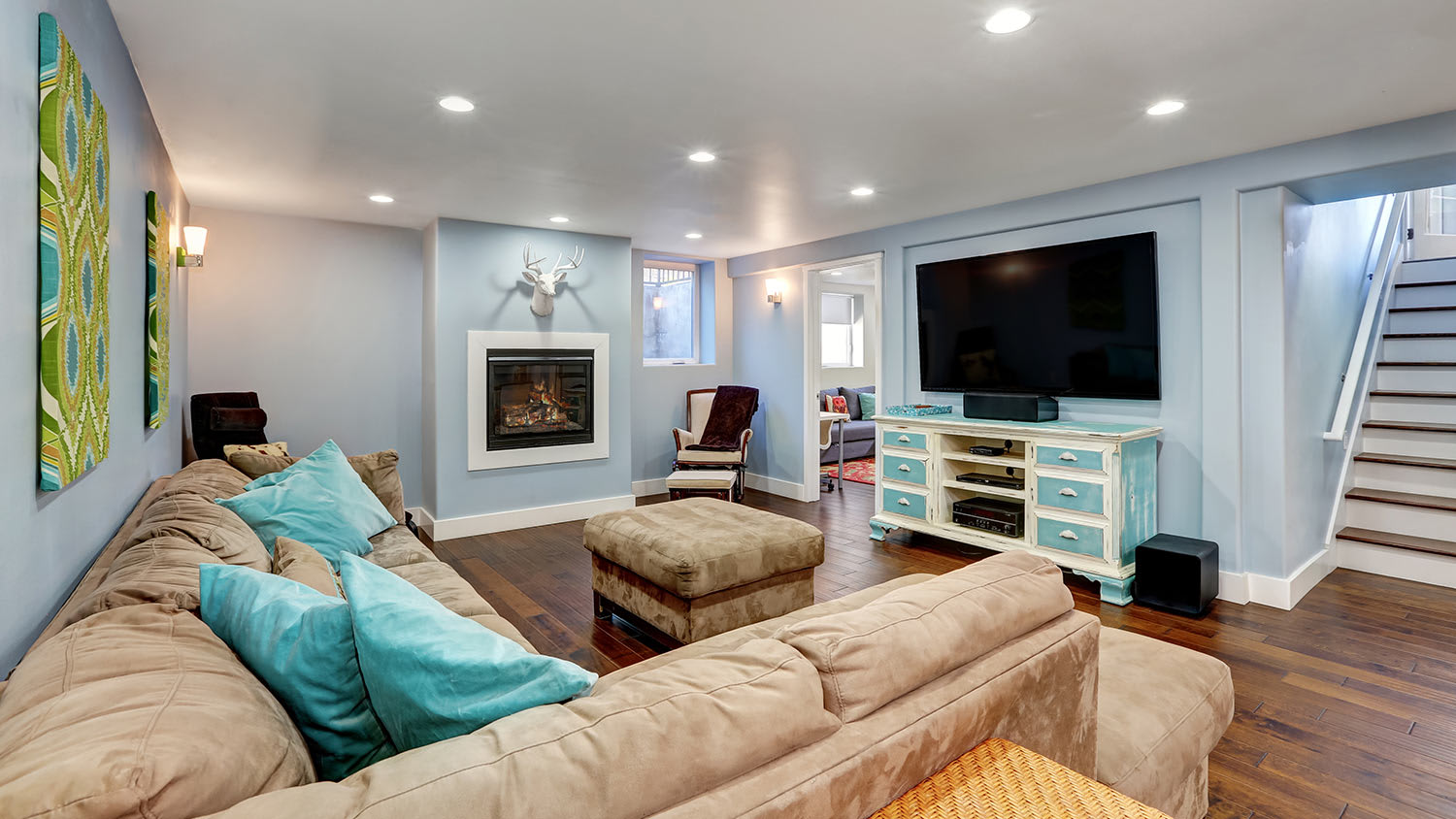
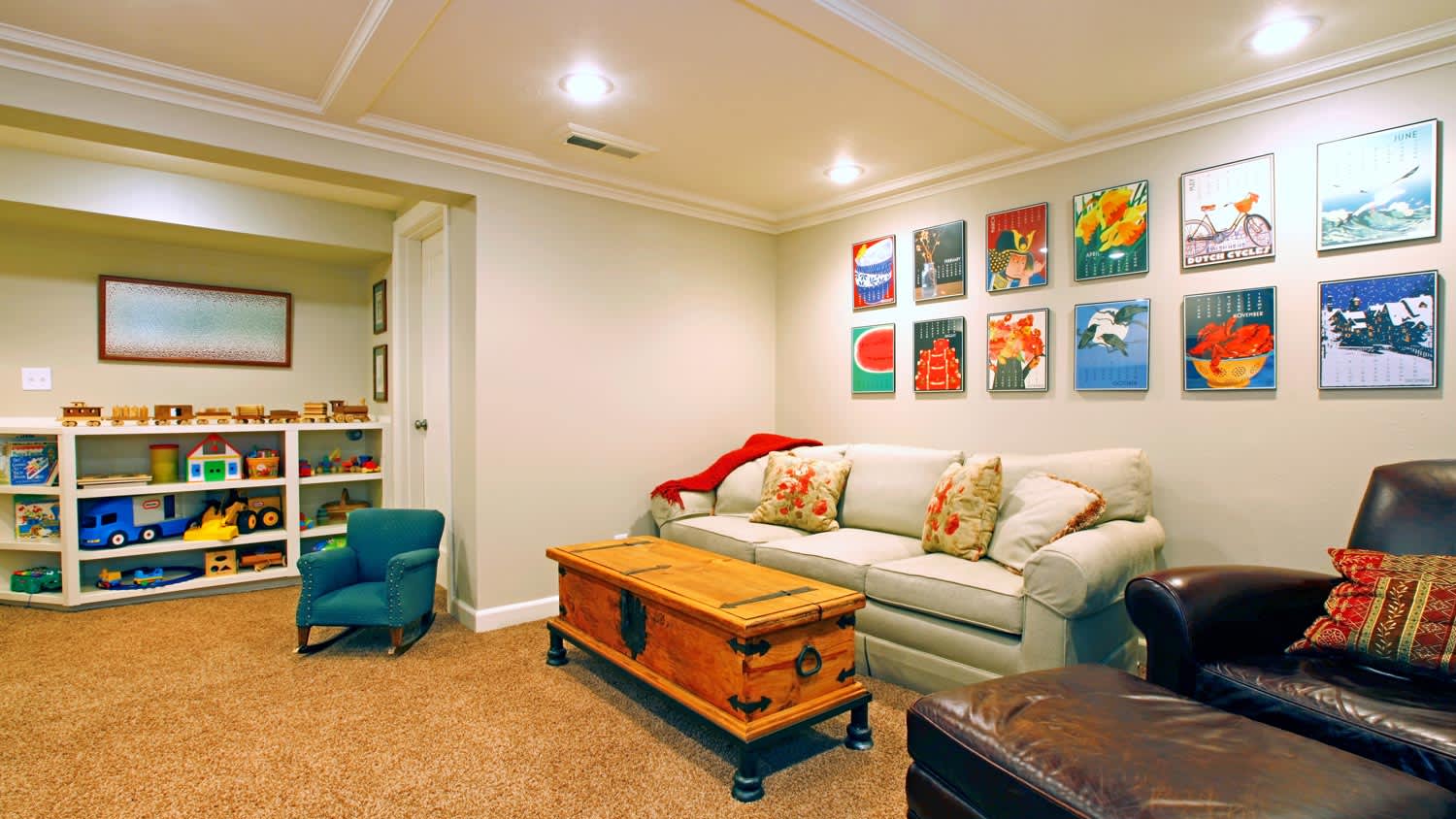
An unfinished basement has a lot of potential for a family room or guest suite. So how much does it cost to finish a basement? Read on for all cost factors.
A variety of factors can affect your total crawl space encapsulation cost. Here’s a breakdown of the cost of this project, whether you hire a pro or DIY.
Waterproofing your basement is important to protect your home. Follow these tips to ensure that you hire the right waterproofing contractor for the job.
Dealing with a damp basement? Follow these steps for DIY basement waterproofing to keep water and moisture out and boost your home’s energy efficiency.