"I only use James when I need some work done to my house. He responds fast, gets the work done quicker than just about anyone else I've ever used and seems very concerned with leaving his customers happy."
Basement Waterproofing questions, answered by experts
Roughing in and connecting utilities are the hardest parts of finishing a basement, and they’re the parts we typically don’t recommend doing as a DIY project. Unfortunately, your finishing timeline can be extended by weeks while you wait for contractors and inspectors to install electrical wiring, plumbing lines, and heating/cooling equipment and carry out inspections.
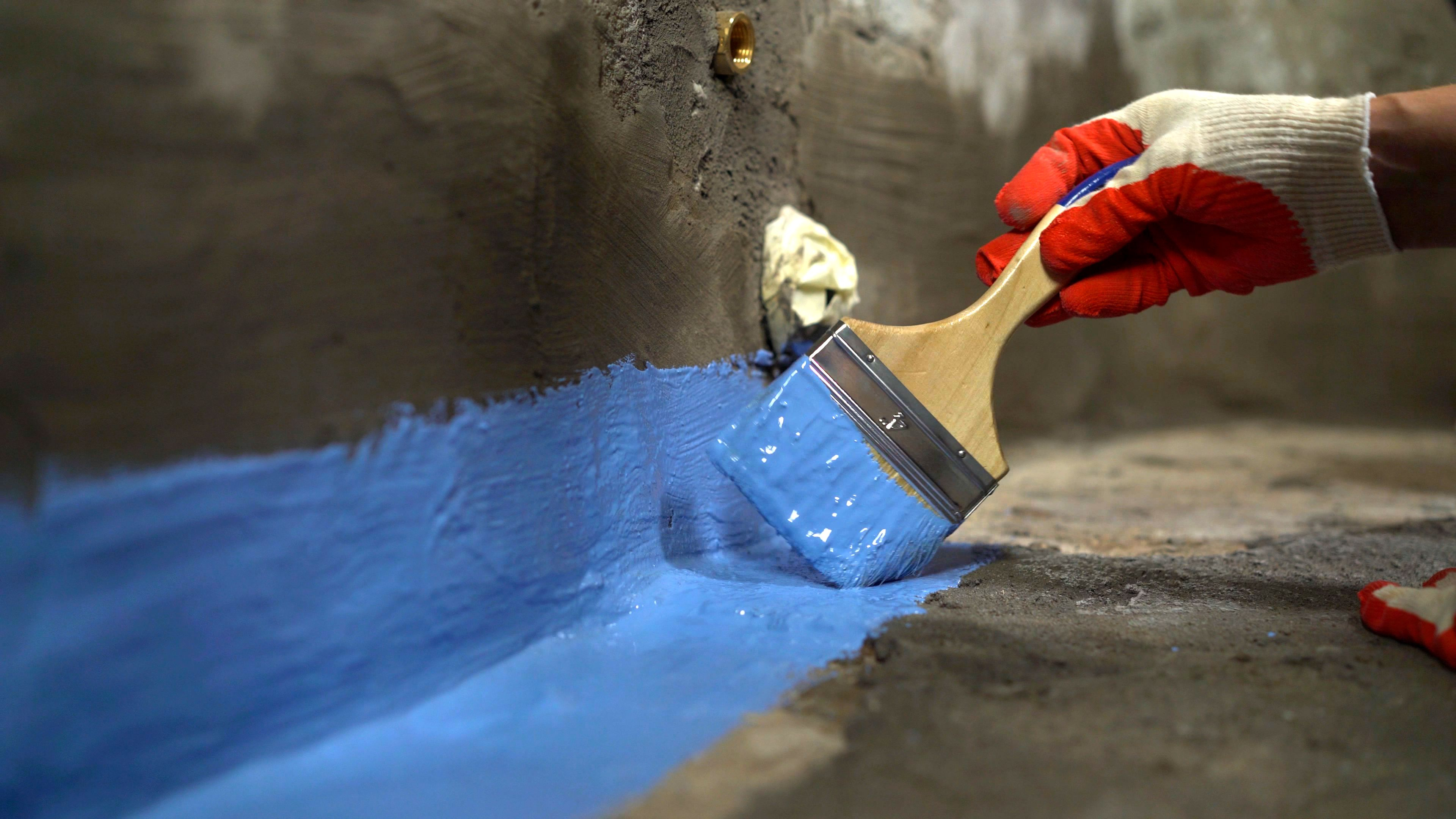
The least expensive basement waterproofing methods include grading soil away from your home, installing downspout extenders on your gutter system, and applying a waterproof paint on the interior of the foundation walls. Installing a French drain is a relatively inexpensive method if you do the work yourself, although it’s labor-intensive and can be challenging to install properly.
A moisture or vapor barrier helps separate the warm air inside your home from the cold air outside of it. Without it, your walls could collect condensation, mold, or other damage. Check your local building codes to see if including an interior vapor barrier is necessary for your building project or renovation, especially for rooms that are likely to be humid, like bathrooms.
Some disadvantages of crawl spaces are mostly regarding the air itself—moisture build-up and poor ventilation, which can cause problems both in the house and underneath it, even damaging the foundation itself. Crawl spaces are difficult to access and often invite unwanted pests during the hot summer months and the cold winter ones. These hard-to-seal spaces are also susceptible to water damage during periods of heavy rain or melting snow.
You can seal a concrete slab by cleaning the surface, filling in any cracks, etching the surface, applying a sealer, and letting it dry. Concrete slabs don't typically need sealing, but you can use a topical concrete sealer if you notice signs of water damage. If you haven't already fixed the cause of the leak, then you'll want to repair the plumbing before you seal a concrete slab.
The Low Mountain, AZ homeowners’ guide to basement waterproofing services
From average costs to expert advice, get all the answers you need to get your job done.
Need to fix basement water problems or safeguard your home from damage in the future? Use this basement waterproofing cost guide to budget appropriately.
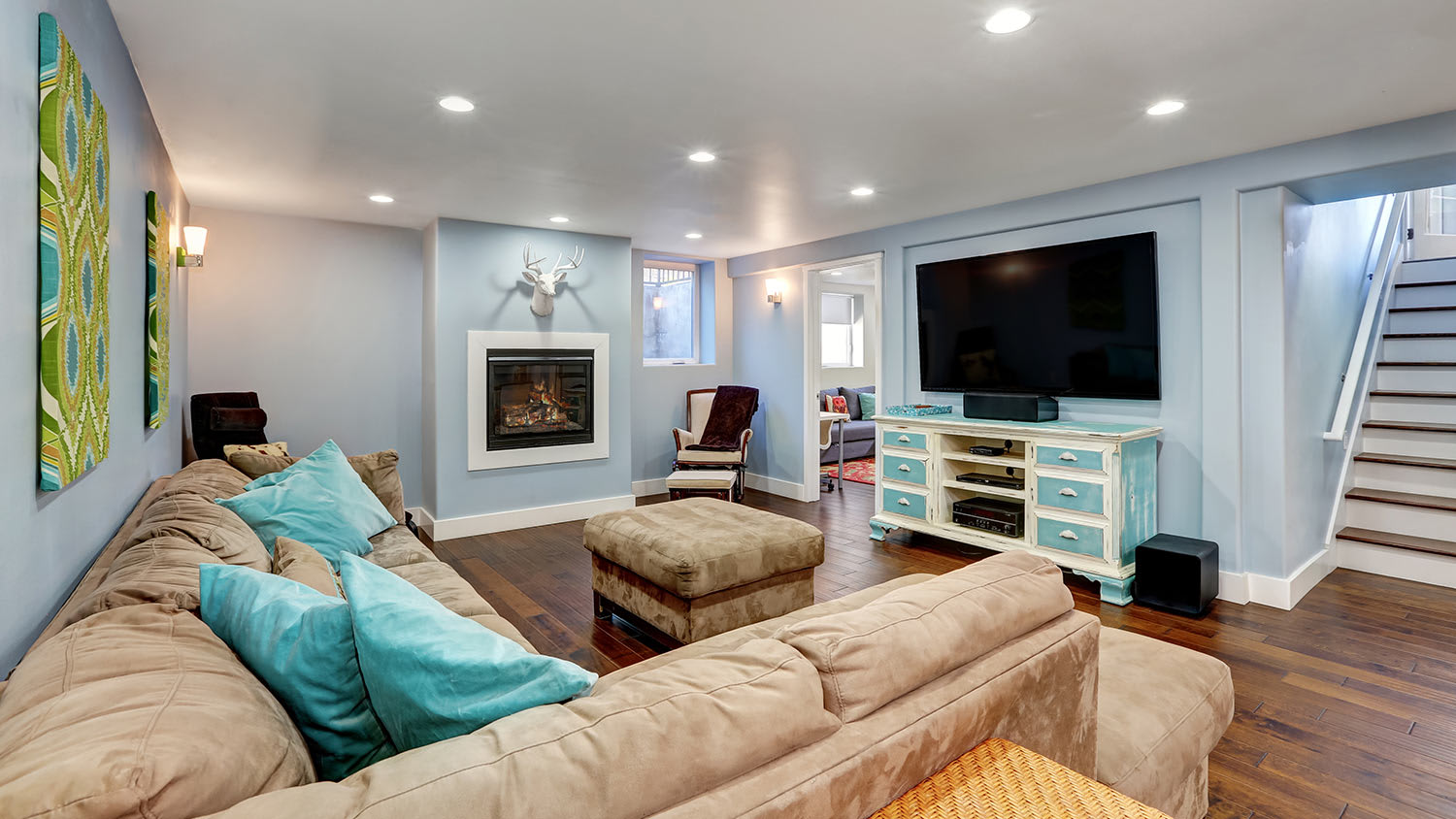
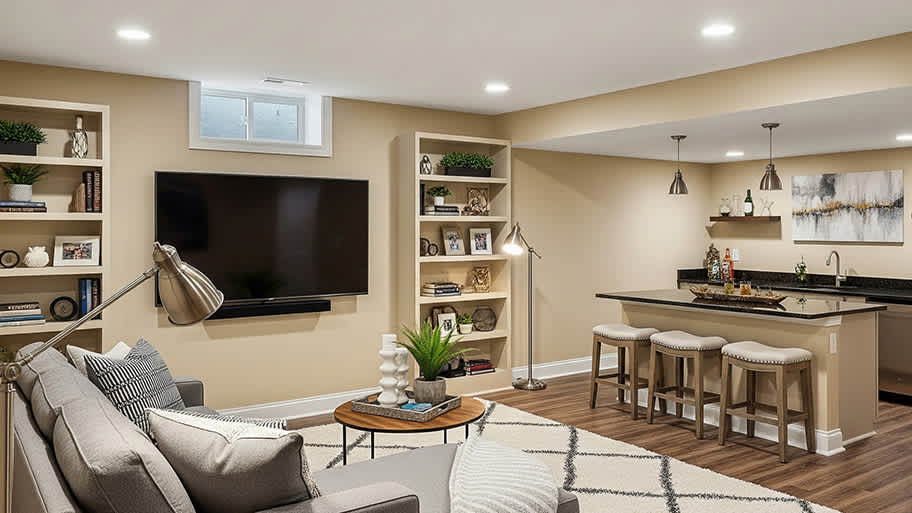
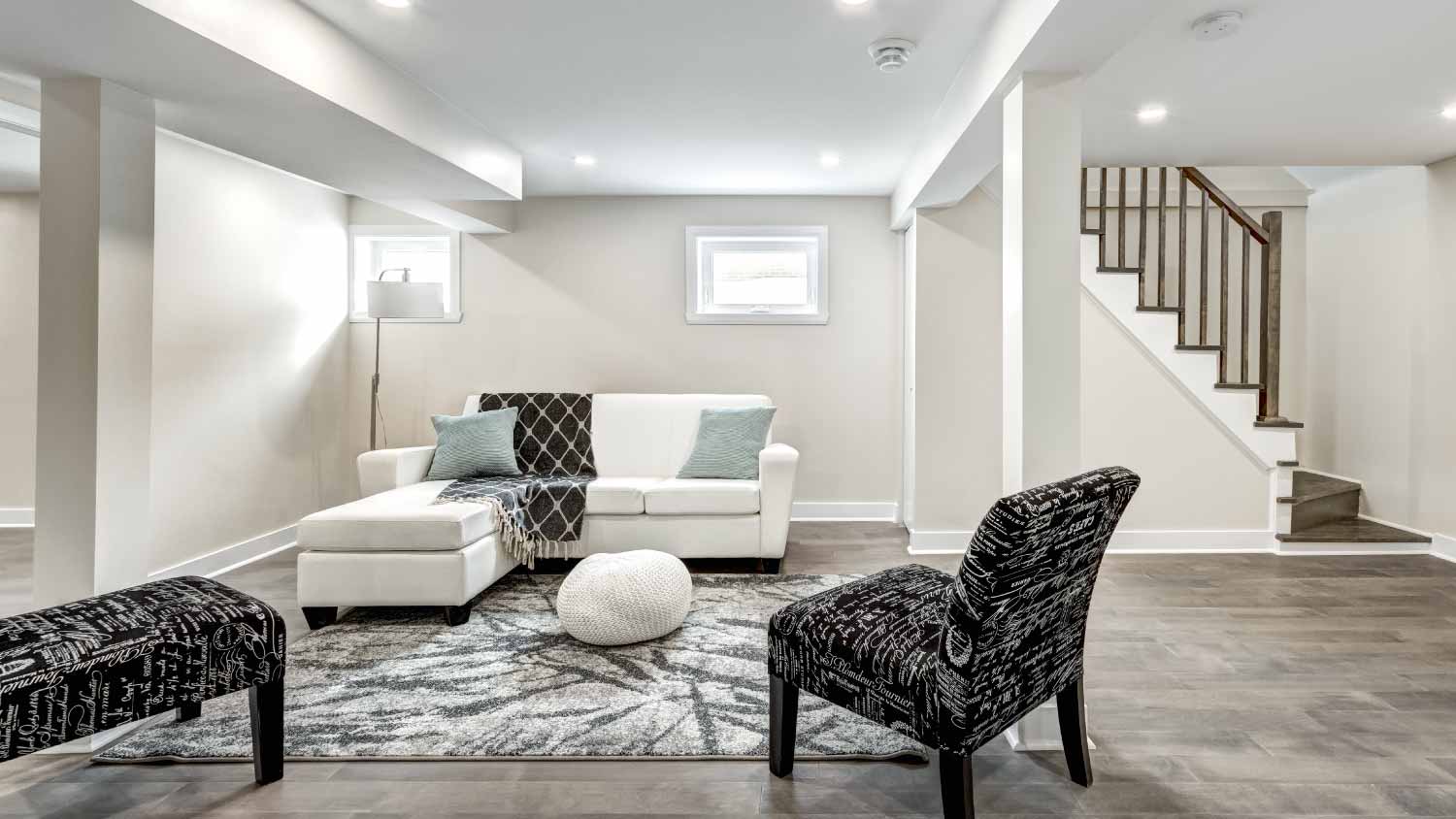
An unfinished basement has a lot of potential for a family room or guest suite. So how much does it cost to finish a basement? Read on for all cost factors.
Dealing with a damp basement? Follow these steps for DIY basement waterproofing to keep water and moisture out and boost your home’s energy efficiency.
Can’t seem to get rid of the moisture and mold in your basement? Learn why basements tend to hold moisture and how to get rid of moisture in the basement.