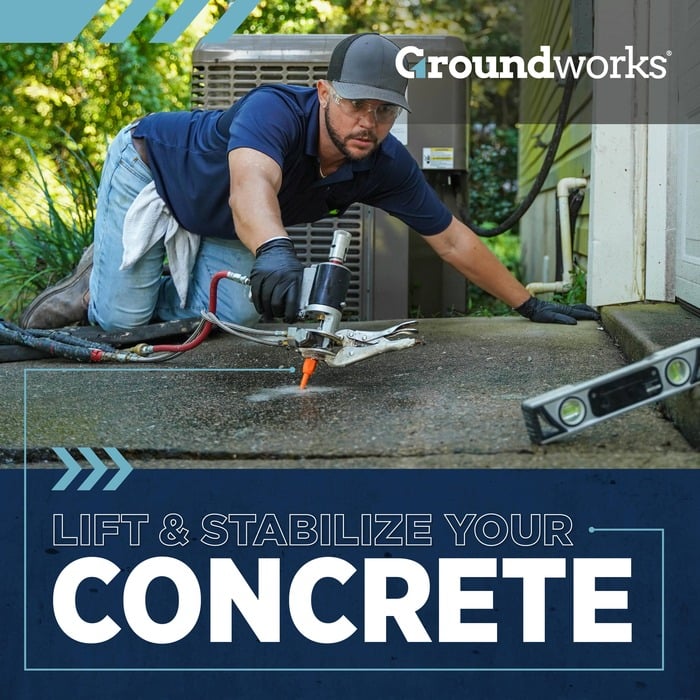
"We are still in the budgeting phase and have not contacted yet however Scott Hughes of Groundwork’s was a great resource. He provided detailed information on the issues and how they would resolve them for us."
Basement Waterproofing questions, answered by experts
Periodic inspections and addressing drainage issues prevent further damage.
While it’s possible to seal a foundation yourself, it’s not recommended, as it’s a tricky and labor-intensive job. Foundation sealing is best left to the pros to save yourself time, remove the risk of doing it wrong, and keeping yourself safe. Call a foundation repair professional near you to see what the job will cost.
When doing any type of project involving mold, it's important to wear the right protective gear. You'll want an N-95 or KN-95 mask to keep yourself from inhaling mold spores, which can be irritating or trigger an allergic reaction in people with weakened immune systems. You'll also want to wear protective eyewear and gloves to limit your contact with mold.
The first step to preventing foundation cracks is to repair any current ones. When one crack forms, it becomes more likely that a second crack will follow. A few other tips include performing regular foundation checks, cleaning spouts and gutters, and installing exterior drains if needed. For those living in a hot and arid area, you should water your foundation every other day.
Yes, a crawl space can add value to your home. However, there is a higher chance of it adding value if it is an enclosed crawl space, as this reduces issues caused by excess moisture in the home. That being said, a basement does add more value than a crawl space.
The Tohatchi, NM homeowners’ guide to basement waterproofing services
From average costs to expert advice, get all the answers you need to get your job done.
Need to fix basement water problems or safeguard your home from damage in the future? Use this basement waterproofing cost guide to budget appropriately.
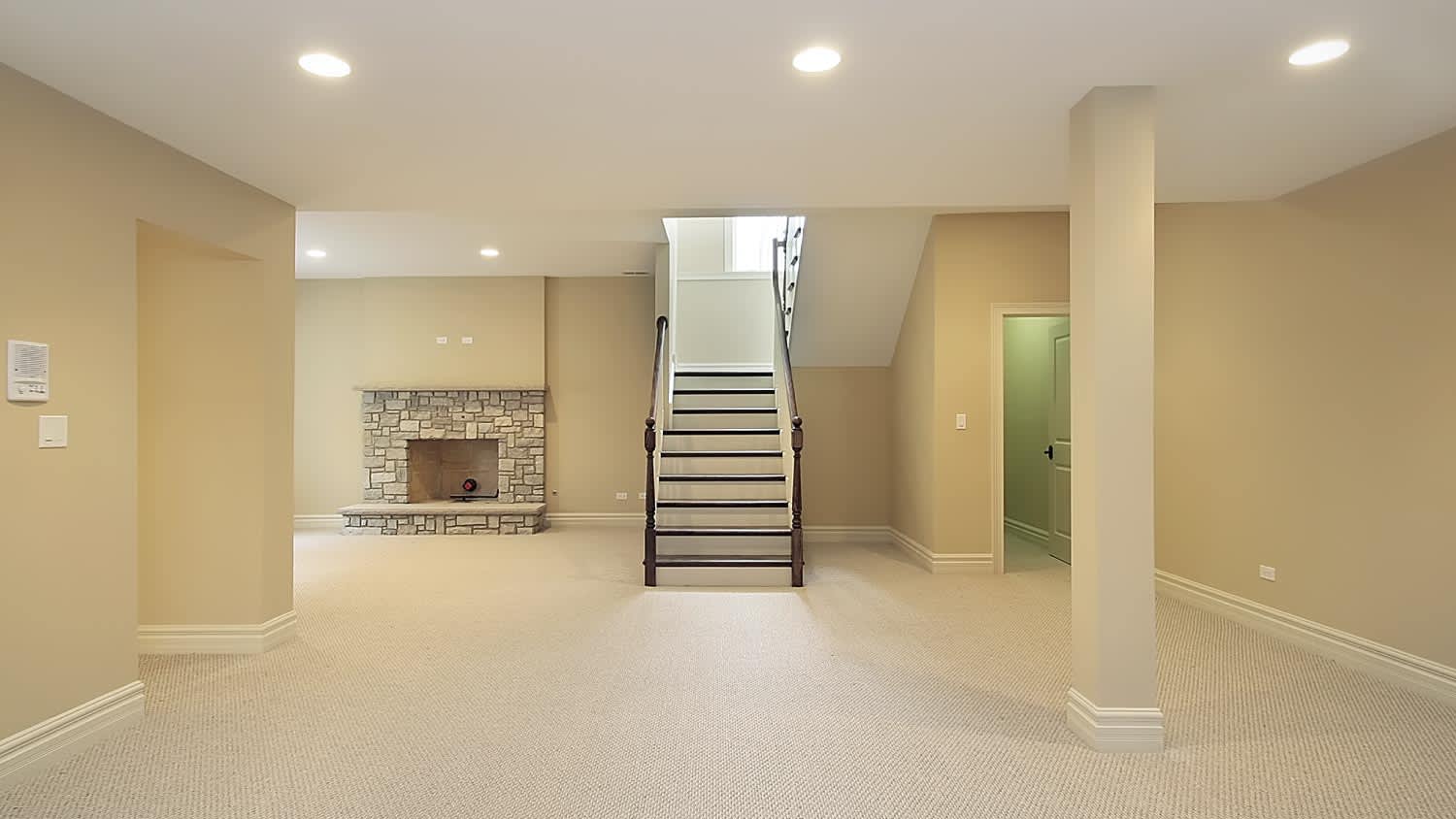
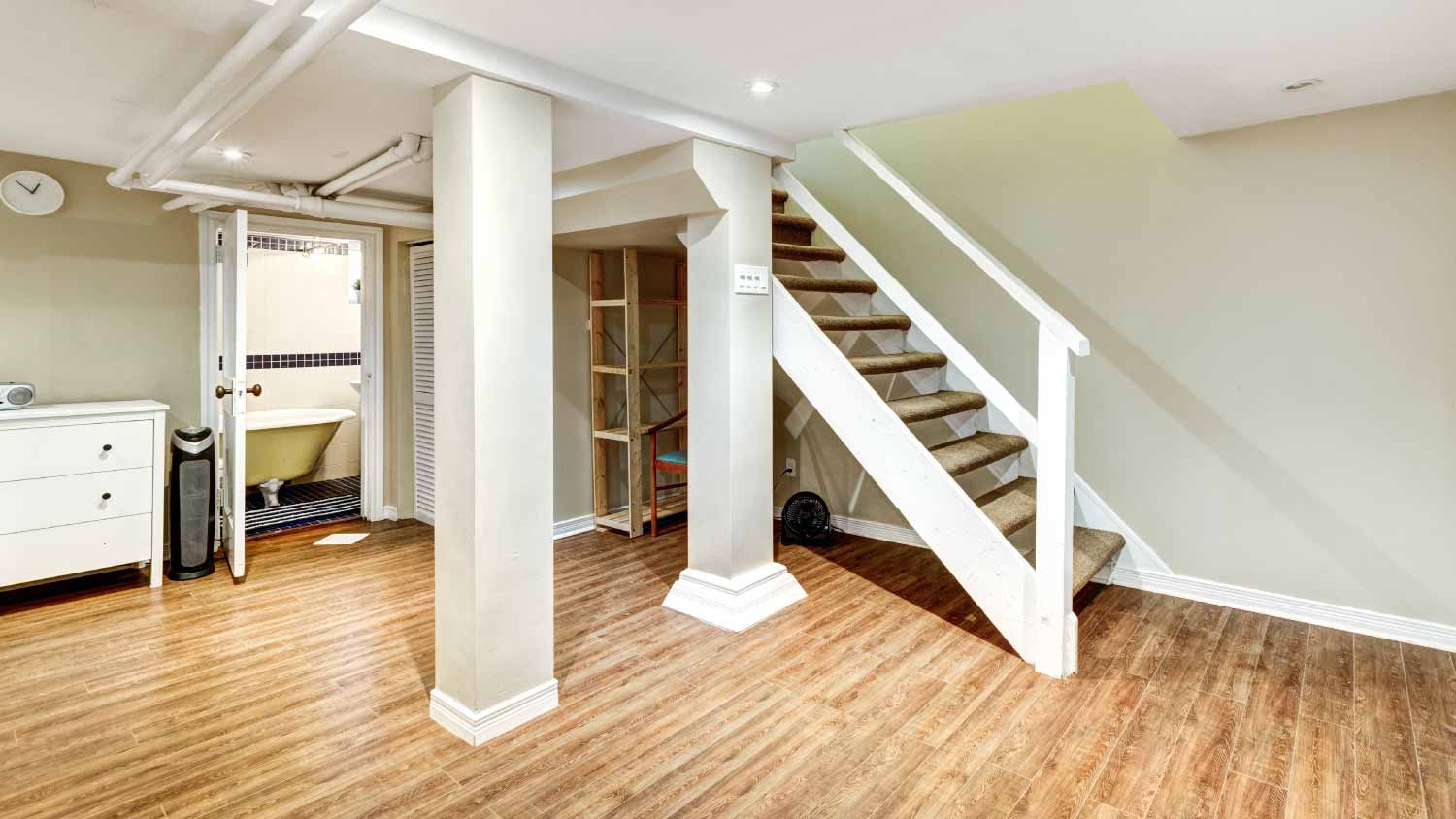
An unfinished basement has a lot of potential for a family room or guest suite. So how much does it cost to finish a basement? Read on for all cost factors.
Dealing with a damp basement? Follow these steps for DIY basement waterproofing to keep water and moisture out and boost your home’s energy efficiency.
Can’t seem to get rid of the moisture and mold in your basement? Learn why basements tend to hold moisture and how to get rid of moisture in the basement.