"I only use James when I need some work done to my house. He responds fast, gets the work done quicker than just about anyone else I've ever used and seems very concerned with leaving his customers happy."
Basement Waterproofing questions, answered by experts
Encapsulation can take the place of crawl space vents since it protects the area from moisture and air all year round. Determining whether you should open or close crawl space vents can be complicated since it often depends on the weather and humidity. Skip this step by investing in crawl space encapsulation whenever possible.
Yes, cleaning a crawl space is worth the cost. Although it's an out-of-sight area, neglecting it can lead to significant problems like pest infestations (including termites and carpenter ants), mold, and fungal growth, which can cause structural damage. Regular cleaning helps prevent these issues. While hiring a contractor has ongoing costs, the price for cleaning—typically between $0.50 and $4 per square foot—is much lower than the cost to remediate a pest or mold problem. Additionally, a clean crawl space can lead to improved indoor air quality and more comfortable temperatures in your home.
The most flood-resistant materials you can count on in a flood scenario are concrete, closed-cell insulation, foam insulation (also known as expandable foam), pressure-treated wood, marine-grade plywood, and ceramic tile. When a material is flood-resistant, it can withstand direct contact with floodwater for at least 72 hours without being significantly damaged.
While "dry" mode on your AC can help reduce humidity levels to some extent, it may not be as effective as a dedicated dehumidifier, especially in areas with extremely high humidity or larger spaces. Dehumidifiers are specifically designed to remove moisture from the air more efficiently, making them a better choice for tackling persistent humidity issues.
Preventing water accumulation involves regular inspections, maintaining effective drainage systems, ensuring proper roof maintenance, and taking preventive measures against heavy rainfall or floods.
The Pinon, AZ homeowners’ guide to basement waterproofing services
From average costs to expert advice, get all the answers you need to get your job done.
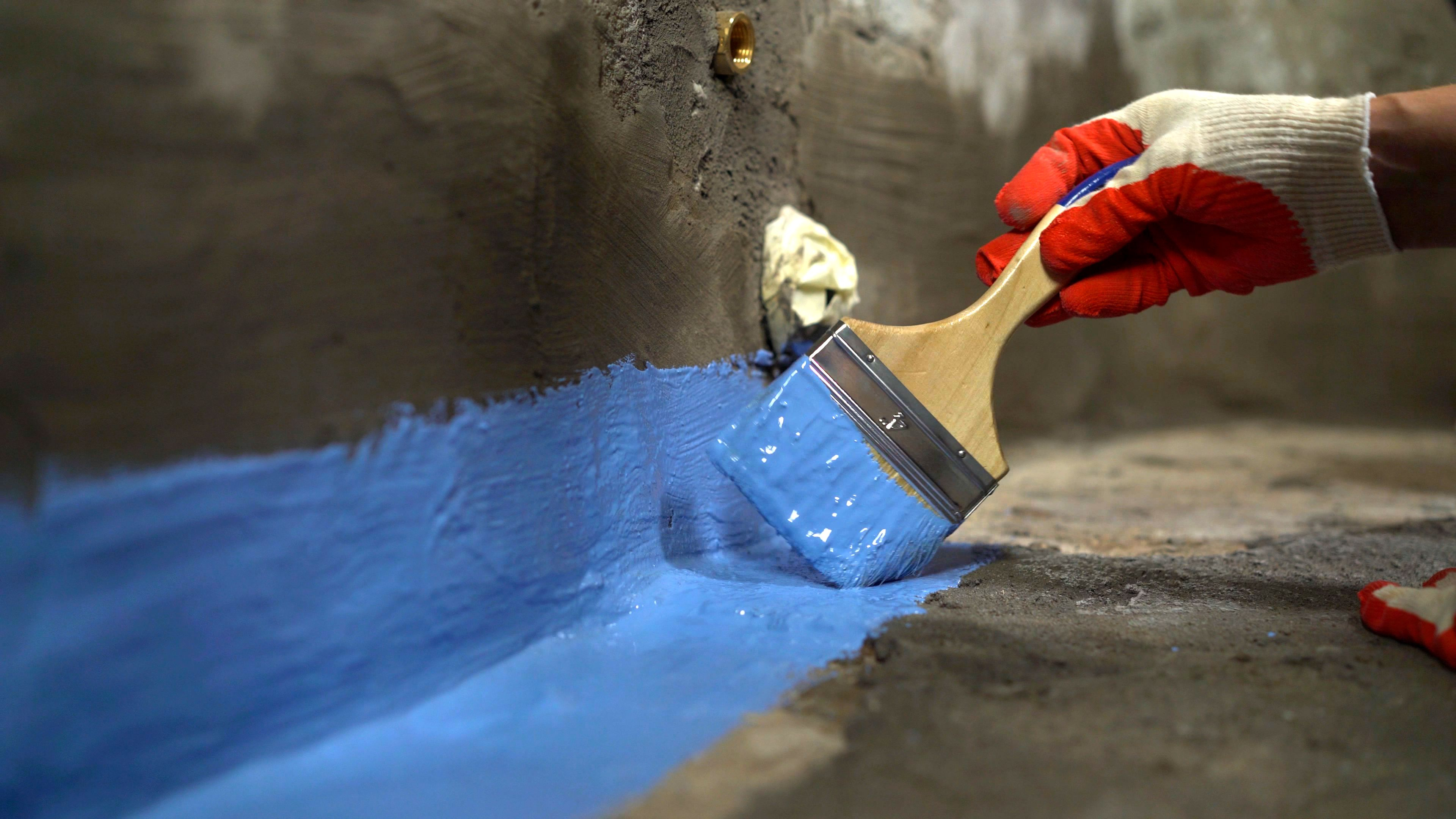
Need to fix basement water problems or safeguard your home from damage in the future? Use this basement waterproofing cost guide to budget appropriately.
An unfinished basement has a lot of potential for a family room or guest suite. So how much does it cost to finish a basement? Read on for all cost factors.
Dealing with a damp basement? Follow these steps for DIY basement waterproofing to keep water and moisture out and boost your home’s energy efficiency.
Can’t seem to get rid of the moisture and mold in your basement? Learn why basements tend to hold moisture and how to get rid of moisture in the basement.