



Top-rated basement waterproofing pros.

Best basement waterproofing pros near Fort Wingate, NM

Enter your zip and get matched with up to 5 pros

Need a pro for your basement waterproofing project in Fort Wingate, NM?

Select your specific project to find the pro for you.

Top-Rated Basement waterproofing pros in Fort Wingate - Updated Nov 2026

Basement Waterproofing FAQs, answered by experts

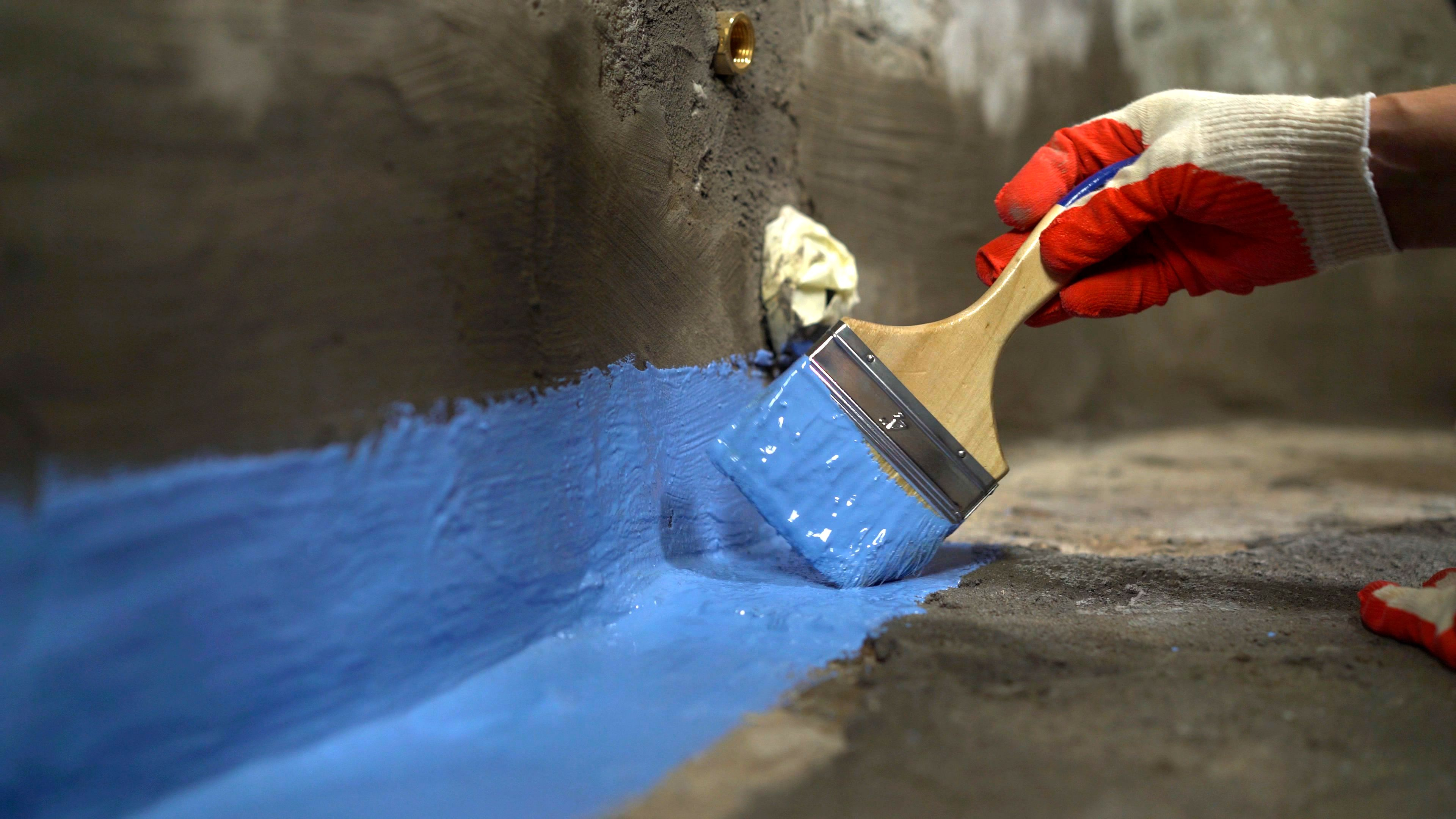
“Basement waterproofing” sometimes refers to applying a waterproof sealant to basement walls, in which case you would use a waterproof paint, often made of latex. However, there are many methods you can use to waterproof a basement, including exterior drainage systems, interior drainage systems, dehumidifiers, and more. As such, the materials you use can vary depending on the methods you use.

The purpose of crawl space encapsulation is to prevent mold by blocking moisture and reducing humidity. If the vapor barrier is properly installed, it significantly reduces the chance of mold developing within the crawl space. However, mold can sometimes grow behind the encapsulation material, but it will be sealed away from the main area. Additionally, moisture can still condense inside the encapsulated space, so if you notice excess humidity, installing a dehumidifier is recommended to prevent mold and mildew growth.

While a standard gutter system is widely considered the most effective way to prevent water damage to your home's foundation, several alternatives are available. These options can be used on their own in certain climates or as supplementary protection.

Common alternatives include:

  • Rain Chains: These are decorative chains that hang from the roof's edge, guiding rainwater to the ground.

  • Drip Edges: These metal strips are installed at the edge of the roof to direct water away from the fascia. While often used with gutters, they can be paired with a ground-level solution but are typically not sufficient on their own.

  • Rain Dispersal Systems: These systems work by breaking up the heavy sheet of water flowing off the roof, dispersing it over a wider area.

  • French Drains: This ground-level system uses a perforated pipe in a gravel-filled trench to collect and redirect water runoff away from the house.

  • Drip Paths: Placed directly below the roofline, these paths made of concrete, stone, or other materials prevent soil erosion and guide water away.

It's important to note that some alternatives like rain chains and dispersal systems may not be adequate in regions with heavy rainfall because they don't divert water away from the foundation as effectively as a full gutter system. Ground-based solutions like French drains can be very effective but are often more expensive and can affect your landscaping and curb appeal. Many experts recommend installing a full gutter system for maximum protection and using alternatives as supplementary measures.

Most people consider a French drain to be one of the most effective solutions for foundation leaks, but it’s not always a standalone solution. French drains will help keep water away from your foundation to reduce the risk of leaking and structural damage from soil expansion, but depending on your foundation type and location, you might need other systems or techniques—like soil gradation and gutter and leader installation—to resolve the underlying problem.

Pooling or standing water in your basement should be cause for alarm and action. This indicates that there is a leak or a drainage issue, and until you repair the root of the problem, the situation will only happen again or grow in severity. It’s important to deal with water damage as soon as it occurs.

The Fort Wingate, NM homeowners’ guide to basement waterproofing services

From average costs to expert advice, get all the answers you need to get your job done.