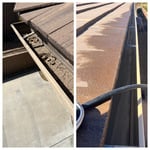
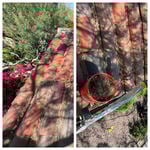
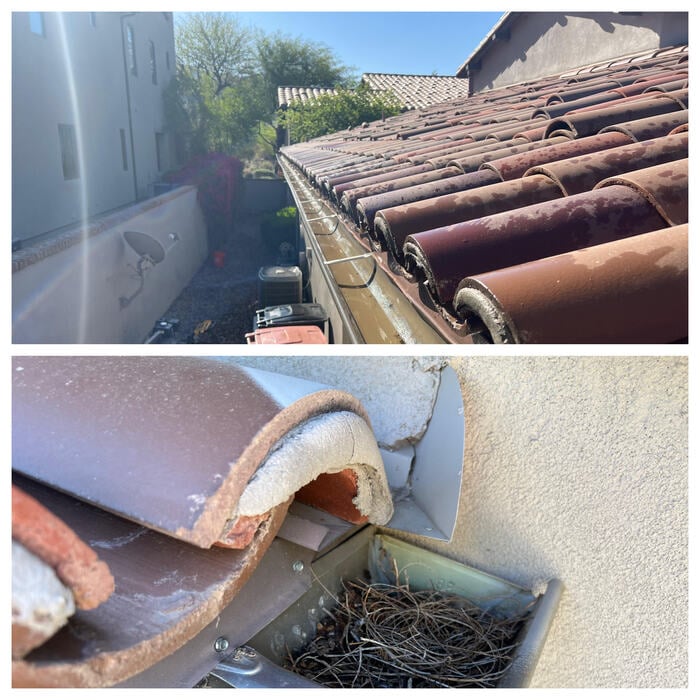
"Just checked roof and no pigeons. Awesome! Brandyn of On Edge Pest Control contacted us promptly. Upon inspection, he provided options to resolve problem along with explanation of each process, cost, and pros/cons. Quotes were very reasonable. Once method decided, work began almost immediately. Communication was easy. With other companies, had waited weeks or months to hear back if any response received at all. Brandyn is a knowledgeable, personable, honest, hard-working conscientious young man. Definitely recommend On Edge Pest Control. Just wish we had found Brandyn prior to spending many hundreds of dollars and wasting months of frustration trying to work with another company without success. Try On Edge Pest Control."
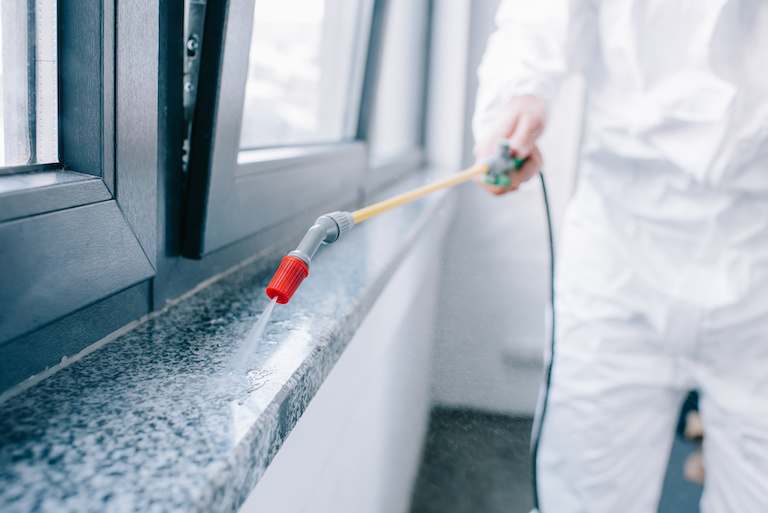
"Very knowledgeable guy who seem to know what he’s doing. Don’t know results of spraying. Have had much rain since. Will have to see if it worked. Terminex will spray again the beginning of next month."
"did a good job of explaining how their treatments can be effective in rodent proofing our property Thorough in their work. Pleasant. Professional. Courteous."
"United Air Temp was able to procure a replacement furnace controller board in a couple of days and Zachary was out within 4 days of the initial visit. The furnace now works very well."
Aside from a warm, cozy place to curl up, you might wonder what attracts mice to your home. Several items attract mice, including: Birdseed Pet food Water Cereal and whole grains Food scraps from the composting bin Open trash cans High-fat and high-sugar foods Unused cars—they make great homes for chilly mice Insulation in the attic Clutter Brush from your yard, including leaves, sticks, wood, and shrubs (so mice can make nests) Overgrown trees or bushes—mice love to leap from branches onto the roof Indoor nesting materials, including cloth, paper, tissues, and toilet paper Tiny cracks in the siding or foundation
You can get rid of raccoons quickly by making your home an undesirable place to live. Here are the best ways to get rid of raccoons fast:
Repair broken vents and screens leading to your home.
Seal open access points into your home. Many raccoons sneak in through the attic, roof, or chimney.
Trim trees and branches so raccoons don’t have easy access to your roof and chimney.
Thoroughly clean out garbage cans, remove all trash, and secure the bins.
Don’t keep food or water outside.
Add raccoon guards to outdoor bird feeders.
Clean up brush around your home—raccoons like to gather loose yard materials for bedding.
The time and number of treatments required for an exterminator to get rid of roaches depend on factors like the roach type, infestation severity, and extermination method. For small infestations, a single treatment may be sufficient, showing results within 1 to 3 days. However, most cases require several treatments and take about 2 to 8 weeks to resolve completely. Severe infestations can take up to 6 months to fully eliminate.
You will need to discuss with your pest control expert to know when and what to clean after the treatment. Sometimes, you may have to wait a couple of weeks for deep cleaning to avoid wiping up the treatment they applied.
However, you’ll want to wipe down any surfaces you use for food prep and eating. Before the treatment, you’ll also want to make sure that items such as pet dishes and children's toys won’t be exposed to the chemicals.
You can remove a wasp nest yourself, but it isn’t a good idea. Although it looks easy enough to hit down a nest with a broom, wasps may be inside or around the nest and are known for getting aggressive when their nest is threatened. If you follow our guidelines for removing wasps nests with pesticide spray, insecticidal dust, water and dish soap, or boiling water, you may be able to safely tackle the problem.
The Pinon, AZ homeowners’ guide to pest control services
From average costs to expert advice, get all the answers you need to get your job done.