"Our technician, Dameyan Jackson, called the night before the day of service to let me know the time that he would be here to service our system. On Friday, he called to let me know that he was available to come earlier than scheduled, if I would like. He arrived shortly after the phone call, came in and quickly recognized that the pump had failed. He was very knowledgeable and professional. I was very pleased with his service and look forward to him returning to install a new pump."
"AHS is ok. They cover repairs of most everything under the roof of your house. The companies that contract with them are not always the best. You call AHS with the issue, they send a fax to the repair company and give you the contact info. If they don't contact you within 24 hours, you call them. Sometimes they answer, sometimes they don't. When they arrive (usually three days or so later), they service the item. if it has issues within the 90 days, you call AHS again, they are sent out with no charge. If the serviceman decides the unit is unrepairable, AHS will allow you to choose a replacement from their listing (usually not as good as what you have) they will install and remove your old item, or give you wholesale amount to buy and install your own. Prices vary on what you want covered and what you want the copay to be, plus where you live. For me it is 49.99 per month with a 75.00 time of service order. You can have more than one item serviced at the same time under the same fee. If you have a SEAR product the repair guys are great. Not that wild about the other ones they send out. But it is a big savings compared to calling someone on your own. The cost of service is only the 75.00 copay."
2012 Maricopa Business of the Year. Arizona's premier home inspection company. Thermal imaging certified, no extra charges for pools. Statewide service. We schedule termite Inspections as part of our Inspections. A Rated BBB. 6 month warranty included with every inspection. 7 day per week service. \nwww.arizonainspections.com\nOffice 520-208-2590
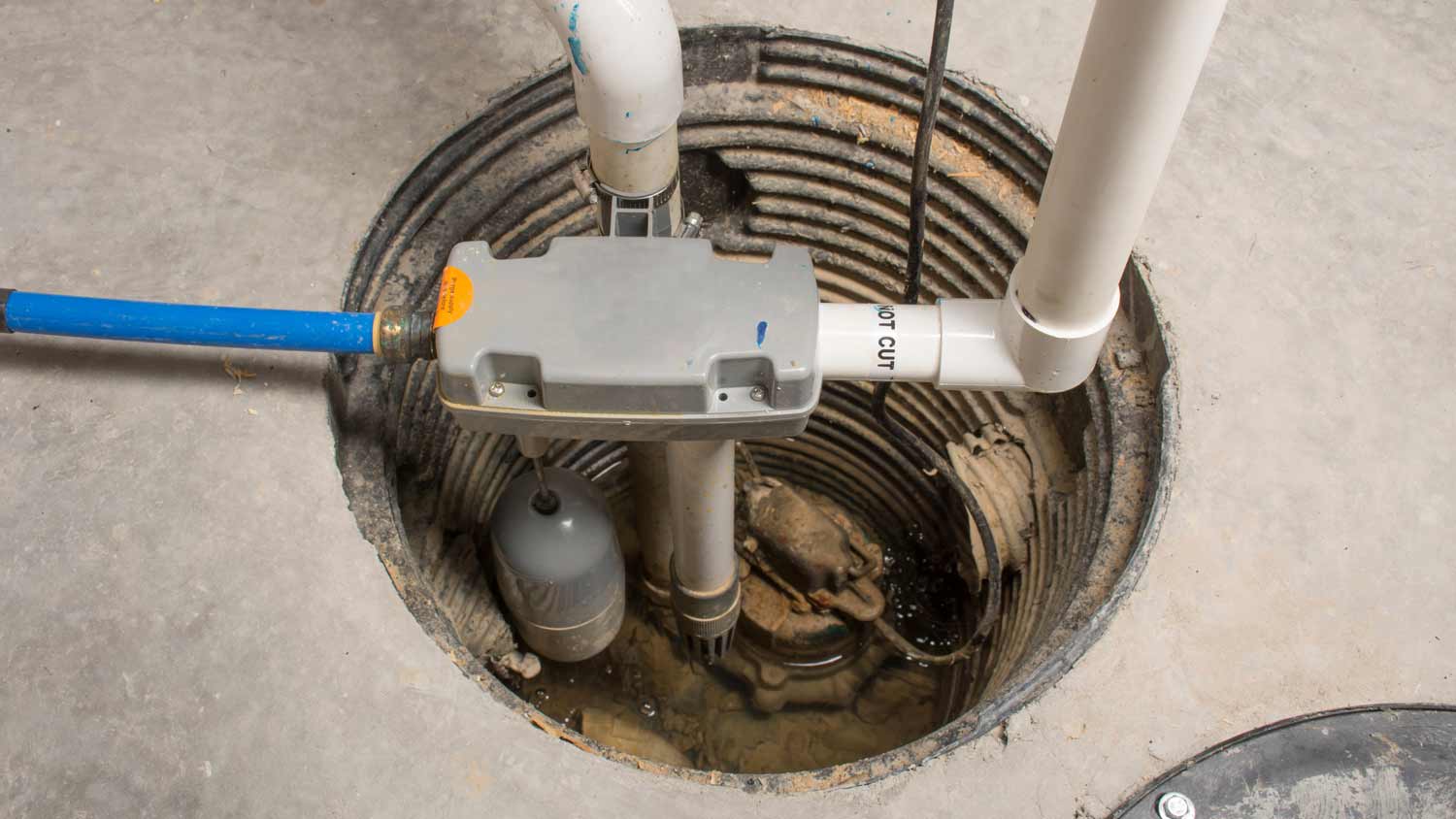
Sump Pump Installation questions, answered by experts
Yes, you can add a battery to your existing sump pump. There are batteries available that can be plugged into your existing system; however, most battery backups come as a complete system and act as a replacement for your existing sump pump.
There are a couple of similar alternatives you may consider for a sewage ejector pump, including a grinder pump or a submersible sump pump. Submersible sump pumps protect your home from flooding from outside water, though, rather than handling wastewater from inside. A grinder pump macerates, or shreds, solid waste before pumping it onward to the sewer line.
To maintain your sump pump, start by checking it every three to four months to ensure it’s in working order. Clear any debris from the pit because blockages can prevent the pump from operating efficiently. You should also test the pump by pouring a bucket of water into the pit. If it turns on automatically and drains the water, it’s functioning correctly. Inspect the discharge line for clogs, and ensure it directs water away from your home. Once a year, clean the pump itself, and consider having it professionally serviced for optimal performance.
A sump pump can be plugged into a regular, 110-volt outlet with three-prong openings, but it must have GFCI protections per the NEC, meaning you’ll need a GFCI outlet and circuit. Sump pumps require two outlet openings, one for the plug to the motor and one for the float switch.
Costs depend on pump type, labor rates, and the extent of repairs or installation needs.
The Pinon, AZ homeowners’ guide to sump pump installation services
From average costs to expert advice, get all the answers you need to get your job done.
Sump pump replacement costs depend on the type of unit you have and the cost of labor, which varies by region. Read on to find out more about what to expect.
Sump pump battery backup costs depend on the type and the design of the system purchased. Follow this guide to learn how to budget for your backup battery.
Sump pump discharge lines come in a couple of diameters and a range of lengths. Here’s how to determine the right sump pump pipe size for your installation.