"I only use James when I need some work done to my house. He responds fast, gets the work done quicker than just about anyone else I've ever used and seems very concerned with leaving his customers happy."
Basement Waterproofing questions, answered by experts
One handy thing about whole-house dehumidifiers is, once installed, you don’t have to worry about placement or changing the dehumidifier’s position. But if you are using a portable dehumidifier, we suggest keeping it away from walls, vents, and furniture. It needs a central, unobstructed spot with access to lots of air to do its job.
In some circumstances, foundation refacing or repair may be a better option for your home than sealing a foundation. It’s always a good idea to take steps to prevent moisture problems in your foundation, but if there are any structural concerns, those will usually need to be fixed first. When dealing with foundation issues, it’s a good idea to get a professional opinion so you can avoid bigger problems down the road.
If you set up a dehumidifier, it will usually dry out your wet crawl space within 12 to 24 hours. Once the space is dry, it’s a good idea to take preventative measures to keep it dry. These include installing a French drain or other exterior foundation drainage system, installing a sump pump in the crawl space, and installing a vapor barrier in addition to leaving the dehumidifier running.
Egress windows or doors are required in finished basements to meet safety and building codes. If your basement is unfinished and used as a storage space, egress windows are not required, but anything considered a habitable space must have an additional point of egress in addition to the stairs.
The cost of basement waterproofing is $4,950 for the average homeowner. However, you could end up paying between $600 and $14,000, depending on factors like basement size, waterproofing method, and the region you live in.
If you live in an area with heavy rainfall, you might be paying more for waterproofing than if you lived somewhere drier since waterproofing contractors would be in high demand. Likewise, a 500-foot basement costs between $2,500and $5,000 to waterproof, but that price rises significantly for a larger basement.
The First Mesa, AZ homeowners’ guide to basement waterproofing services
From average costs to expert advice, get all the answers you need to get your job done.
Need to fix basement water problems or safeguard your home from damage in the future? Use this basement waterproofing cost guide to budget appropriately.
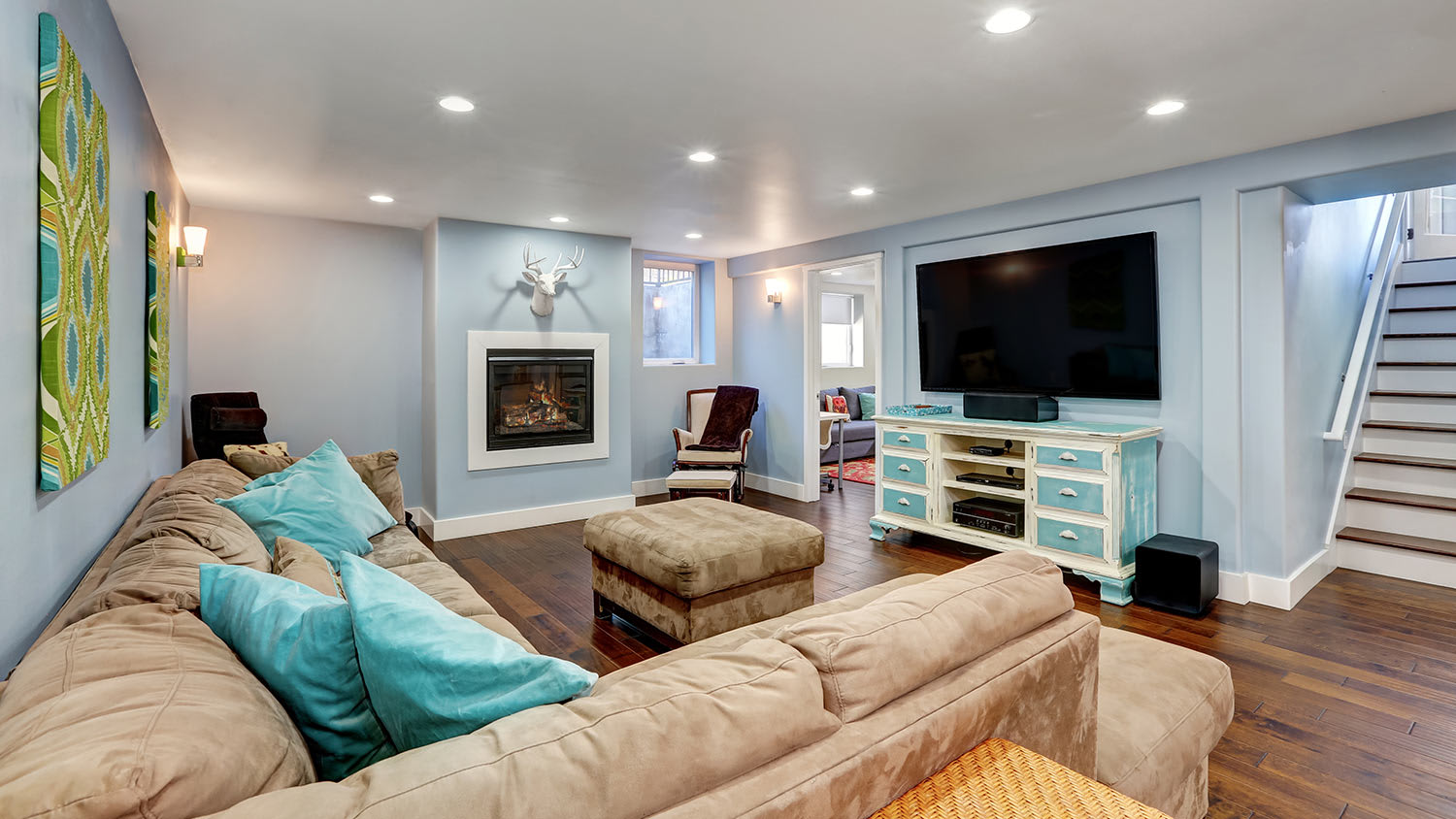
An unfinished basement has a lot of potential for a family room or guest suite. So how much does it cost to finish a basement? Read on for all cost factors.
A variety of factors can affect your total crawl space encapsulation cost. Here’s a breakdown of the cost of this project, whether you hire a pro or DIY.
Waterproofing your basement is important to protect your home. Follow these tips to ensure that you hire the right waterproofing contractor for the job.
Dealing with a damp basement? Follow these steps for DIY basement waterproofing to keep water and moisture out and boost your home’s energy efficiency.