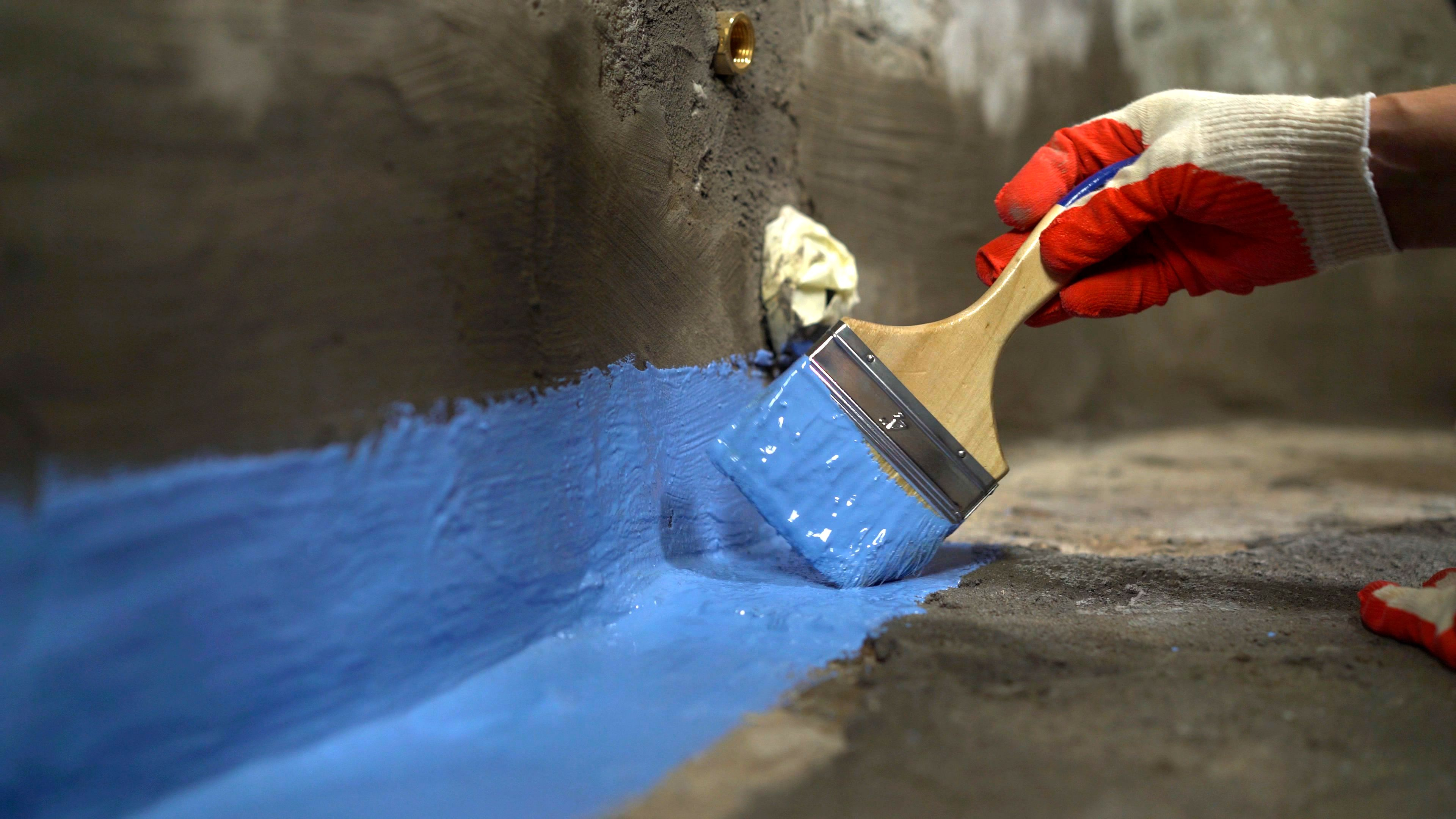
We're dedicated to providing our clients with the very best in concrete waterproofing projects and a variety of other concrete work. With over 8 years of industry experience, we take an enormous amount of pride in the attention to detail put into each of the project we're involved with. We're known for our quality of work and integrity of our business. We look forward to building long-term relationships with our clients, and guarantee your satisfaction. Weekends by appointment only.
"I only use James when I need some work done to my house. He responds fast, gets the work done quicker than just about anyone else I've ever used and seems very concerned with leaving his customers happy."
A vapor barrier keeps moisture out of the crawl space, while insulation reduces the amount of unconditioned air—and sometimes moisture—that enters the space. Coupling a vapor barrier with insulation can help prevent humidity and related moisture damage in a crawl space while also making your home more energy-efficient. Just be sure to use insulation that won’t get damaged from moisture, like rigid foam board or expanding spray foam insulation.
The most flood-resistant materials you can count on in a flood scenario are concrete, closed-cell insulation, foam insulation (also known as expandable foam), pressure-treated wood, marine-grade plywood, and ceramic tile. When a material is flood-resistant, it can withstand direct contact with floodwater for at least 72 hours without being significantly damaged.
Yes, water and water vapor can seep through cracks in your basement floor, which means you should address all basement floor cracks, even if they don’t indicate structural issues. Sealing settling cracks and shrinkage cracks is a good idea to keep water and moisture outside where it belongs. Doing so can improve your indoor air quality, reduce the risk of mold growth, make your home more comfortable, and help prevent pest infestation.
Due to the nature of basements, some level of waterproofing is necessary to prevent water from seeping in and causing damage. Some definitive signs that your basement needs waterproofing measures or needs existing waterproofing measures need to be updated include:
Water in your basement, including damp walls or puddles on the floor
Mold spots in your basement
Musty smells or odors
Warped doors or walls
Cracks in walls
Insect issues, such as cockroaches and termites
As the first layer of water protection for your roof deck and the building materials below, underlayment is designed to prevent water damage, so it’s okay if it gets wet. However, you shouldn’t rely solely on underlayment for protection. If rain interrupts your roof project and you have all of the underlayment down, you’ll likely be fine, but you should install shingles over that layer as soon as possible, as long-term exposure can lead to water damage.
The Monument Valley, UT homeowners’ guide to basement waterproofing services
From average costs to expert advice, get all the answers you need to get your job done.
Need to fix basement water problems or safeguard your home from damage in the future? Use this basement waterproofing cost guide to budget appropriately.
An unfinished basement has a lot of potential for a family room or guest suite. So how much does it cost to finish a basement? Read on for all cost factors.
Dealing with a damp basement? Follow these steps for DIY basement waterproofing to keep water and moisture out and boost your home’s energy efficiency.
Can’t seem to get rid of the moisture and mold in your basement? Learn why basements tend to hold moisture and how to get rid of moisture in the basement.