


Top-rated electricians.

Best electricians near Pottsville, AR

Enter your zip and get matched with up to 5 pros

Need a pro for your electrical service project in Pottsville, AR?

Select your specific project to find the pro for you.

TRUSTED BY POTTSVILLE, AR HOMEOWNERS

  • Average homeowner rating star icon4.5
    Average homeowner rating
  • Verified reviews icon54
    Verified electrical services reviews

Top-Rated Electricians in Pottsville - Updated Nov 2026

Avatar for Neli Virtual Appliance Repair
Neli Virtual Appliance Repair
4.2(
680
)
Appliance (Major Electric Appliance) - Install or Replace

Serving Pottsville, AR and surrounding areas

Approved

In business since 2016

Free estimates

Warranties offered

"The problem turned out to be a burned out small electric door switch. I believe the price was way too expensive for the service performed and the price of the door switch. What more can I say? It got done."
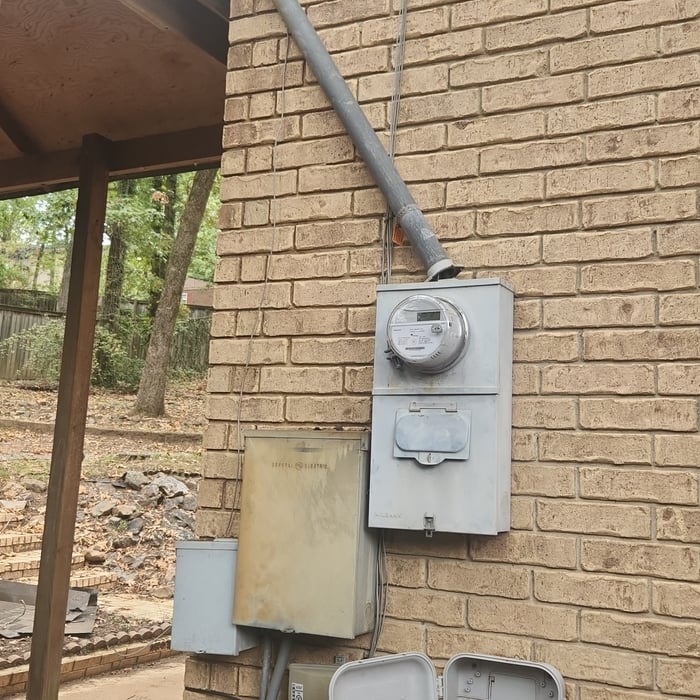
Additional Photos
Additional Photos
Additional Photos
Additional Photos
Additional Photos

+2

Response time1 day
1 neighbors recently requested a quote

Recommended by86%of homeowners
...
Showing 1-10 of 68
Electrical FAQs, answered by experts

A portable generator can supply power to selected appliances and circuits in a home, but it's generally not designed to handle the entire household's electrical needs simultaneously. Portable generators have limited wattage capacity, so they are only designed to power essential devices and electronics temporarily until local power is restored. If your power needs outweigh the capabilities of a portable generator, consider installing a whole-home generator instead.

Grounded electrical outlets are usually three-pronged. You can also look for a grounding clip in your outlet boxes or use a circuit tester. If you’re unsure, consult a suitably qualified electrician regarding your home's electrical safety.

A C-wire is typically blue, but don’t rely on colors to find which wire is which when it comes to thermostat wires. The C-wire may also be black, brown, or purple. Instead, if you’re looking for the C-wire, look at the thermostat panel for a wire connecting to “terminal C,” or call in a pro to help you look for a C-wire.

Most standard residential water heaters, which are typically around 40 gallons and use 240 volts and between 3,500 and 5,500 watts, require a 30-amp, two-pole circuit breaker. For smaller, point-of-use water heaters using 120 volts and between 1,500 and 3,000 watts, a 30-amp breaker is also often adequate. However, some models may have different needs; units that use more watts than average may require a 40-amp breaker, while smaller units might only need a 20-amp breaker. Newer, tankless, or more energy-efficient models can also require a higher amperage. Having the correct breaker size is crucial for safe and efficient operation, so it's best to consult a licensed electrician to determine the specific needs of your water heater.

If you’re someone who likes to tinker around the house and make DIY repairs, a multimeter or voltmeter can be a great tool to have around, especially if you’re comfortable with electrical repairs. That said, if working with electricity feels out of your depth, you don’t need to invest in a multimeter. Reach out to an electrical pro for any electrical work you need done if any part of you is hesitant about a project.

The Pottsville, AR homeowners’ guide to electrical services

From average costs to expert advice, get all the answers you need to get your job done.