


Remodeling your bathroom can add significant value to your home. Your bathroom remodel cost will depend on size, fixtures, materials, labor, and other factors.
Interior painting costs depend on your project and location. Check with a local pro for your specific job.

Professional bathroom painting costs $200 to $500, and your total depends on room size and layout complexity.
Your bathroom shape and the number of corners or closets determine how much prep work is required before painting begins.
You should account for the cost of mildew-resistant paint, drywall repairs, and lead or mold removal when creating your project budget.
Hiring a local interior painting professional ensures your bathroom walls hold up well in humid conditions and saves you significant time.
The average cost to paint a bathroom is around $300, but your total could fall anywhere between $150 for a small bathroom with minimal prep work and $900 for a primary bathroom with a larger footprint. The size and complexity of the bathroom ultimately determine how much painters will charge.
Here's a rundown of how much you can expect to pay for the average bathroom paint upgrade.
Labor is often the biggest cost component when painting a bathroom with the help of a pro. However, everything from the type of paint you choose to the state of your bathroom walls can also influence the price.
Most contractors prepare cost estimates based on a bathroom's size and layout. In most cases, you’ll pay between $2 and $6 per square foot for a professional to paint your bathroom.
Here's a general idea of what you can expect to pay for some common bathroom dimensions.
| Bathroom Size (Sq. Ft.) | Cost Range |
|---|---|
| 35 | $70–$210 |
| 40 | $80–$240 |
| 50 | $100–$300 |
| 80 | $160–$480 |
| 100 | $200–$600 |
For comparison, the average square footage of a half bathroom or powder room is around 20 to 25 square feet. The average square footage of a three-quarter bathroom without a tub is around 35 to 40 square feet. Most primary bathrooms range from around 50 to 100 square feet or more. In some larger homes, primary bathrooms can be more spacious, with separate shower and bathtub areas, dual vanities, and additional features, such as a dressing area or walk-in closet.
The cost per square foot to paint a bathroom will increase if you want surfaces other than your walls painted, too. If you plan on painting the baseboards, trim, and ceiling, expect your total to fall somewhere between $3 to $8 per square foot.
Here are the typical price ranges for other bathroom items people commonly ask pros to paint.
| Feature | Cost to Paint |
|---|---|
| Baseboards | $1–$4 per linear foot |
| Bathtub | $440 |
| Cabinets | $7–$15 per sq. ft. |
| Ceiling | $0.50–$5 per sq. ft. |
| Countertop | $200 |
| Door | $150 |
| Shower | $150–$300 |
| Toilet | $100 |
| Trim | $1–$6 per linear foot |
While it may seem strange, the number of fixtures in a bathroom can affect how much it costs to paint the room. Fixtures require extra taping, preparation, and diligence, but they also reduce the surface area that your painter actually needs to address. Often, larger fixtures like showers will cut down on costs.
While painters can generally use specialized techniques to get around fixtures, there may be some cases where a toilet or sink needs to come out in order to paint behind it. In those cases, labor costs would increase unless you’re removing the fixture yourself.
The cost to paint a bathroom usually falls between $200 and $500 for labor and materials, but asking for mildew-resistant paint can add about $100 to the job total. If you're looking for a high-end mildew-resistant paint that's also washable, the cost could easily go up by $200. However, given the humidity levels that a bathroom is subject to, asking for specialized paints can be worth the price to increase the longevity of the project.
Your chosen type of paint finish for your bathroom can also change the price. Semi-gloss is a great option for bathrooms since it has an uncanny ability to withstand humidity and repel moisture. Higher sheen levels typically come with a slightly higher price tag, with high-gloss and semi-gloss paints costing the most (as opposed to the more wallet-friendly but less durable matte and eggshell paints).

If you want textured bathroom walls, expect the overall price to fall between $4 and $7 per square foot. Texturing is a process that combines different painting techniques to create a sand, popcorn, or knockdown effect on your walls. Texturing can be a good choice if you're trying to cover up wall blemishes that will be obvious with a smooth finish, and it can also give your bathroom some depth.
If you want to remove existing textured walls, you’ll also need to pay more. Removing texture from walls significantly increases the labor required, which drives up labor costs. You may pay anywhere between $1.10 and $1.30 extra per square foot just to smooth out those lumpy, bumpy surfaces you’ve always wanted to remove.
Homes built before 1978 may contain lead-based paint, which can be hazardous to your health when it deteriorates. Have a qualified professional remove any lead paint if it begins to chip or peel.

If any part of your bathroom wall is damaged, your painter may need to do some repair work. While most homeowners spend between $60 and $200 to repair minor holes, the cost can get hit $700 or more if there’s major water damage that requires partial drywall replacement and more extensive repairs.
The layout of your bathroom will partially determine how much prep work is required before your professional gets started, which can affect labor costs. A simple, rectangular floor plan will typically cost closer to $200, while a complex floor plan with closets and multiple corners and bump outs can push your total closer to $500, even for a standard bathroom size.
You might need to consider removing hazardous lead paint if your bathroom was last painted prior to 1978. In most cases, you have two options: removing and replacing the drywall or encapsulating the lead paint with a new coat. In either case, your bathroom painting costs will increase since your professional will need to be more cautious during the project and use the appropriate protective gear.
Bathrooms are also prone to mold growth due to the humidity. If you or your painter find mold, you can either cut out and replace the affected drywall, or you can encapsulate it using a stain-blocking paint. In either case, more labor and more protective gear are required, so your total price will be a bit higher.
Somewhere between 50% and 90% of your total will go toward labor, or between $100 and $800. Your labor costs depend on the layout and complexity of your bathroom, prep work required, and whether or not there are any safety concerns your professional first has to deal with, like lead paint or mold.
Painting over a surface that has grease or dust build up can cause the paint to apply unevenly, leading to a bubbly or rough texture with clear visible imperfections.
Painting a bathroom seems like an easy weekend win, but working around tile, corners, and fixtures can make even a quick touch-up surprisingly tricky. DIY may appear kinder to your wallet, yet the wrong paint or rushed prep often leads to peeling walls and an unplanned return to the paint aisle. Remember, a local painting pro can deliver clean lines, smooth surfaces, and results that last even in high humidity.
Bathrooms come with tight layouts and plenty of obstacles, so hiring a pro makes the job faster and far less frustrating, bringing benefits like:
Choosing paints that resist mildew and moisture over time
Prepping walls correctly so paint sticks in humid conditions
Working around toilets, sinks, and fixtures without leaving sloppy edges, drips, or streaks.
Repairing minor flaws in walls, like small dents that would show through lighter finishes
Finishing the job quickly so you can regain your bathroom faster
Here’s what homeowners can easily take on before your painter arrives:
Remove towel bars, outlet covers, and decorative hardware
Clean walls to remove moisture buildup, dust, and product residue
Patching tiny nail holes or scratches with lightweight spackle
If you're hiring an interior painter to give your bathroom walls new life, you might want to consider freshening up some other features in the room. These common add-ons can help highlight your new paint job and increase the resale value you see from fresh paint (or just increase your enjoyment of the space).
Cost to remove wallpaper: $1–$4 per square foot
Cost to install a new sink: $200–$700
Cost to replace a bathroom vanity top: $400–$4,300
Cost to add heated floors: $1,700–$6,000
Cost to replace a bathtub: $1,000–$9,000
There are a few things you can do to help keep bathroom painting costs as affordable as possible.
Do the prep work yourself. Cleaning the walls with mild soap and warm water will cut down on the time your pro spends on your project, saving you some additional labor costs. If you’re experienced with drywall repair, consider smoothing out the surface before your pro arrives, too.
DIY wallpaper removal. Are you refreshing your bathroom by replacing wallpaper with crisp paint? Spending a few hours on a Saturday removing the wallpaper can help you save on the cost to paint your bathroom.
Choose the right paint. Picking a paint that will resist mold growth and stand up to humidity will usually cost more upfront, but you’re likely to save money over time on redoing the work since it will stand up better to the conditions in your bathroom.
Remove fixtures that are in the way. Rather than having your painter move the toilet or vanity, consider doing it yourself, if you’re comfortable with it. This will cut down on labor costs once your pro arrives.
Discuss which paint finish will hold up best in your bathroom.
Ask how long the project will take from prep to final coat.
Discuss any prep work needed before starting, like clearing shelves or removing hardware.
Inquire about additional services to consider, like painting trim, cabinets, or the ceiling.
Talk through any recommended repairs or prep work for your current wall condition.
Home is the most important place on earth, which is why Angi has helped more than 150 million homeowners transform their houses into homes they adore. To help homeowners with their next project, Angi provides readers with the most accurate cost data and upholds strict editorial standards. We extensively research project costs to develop the pricing data you see, so you can make the best decisions for you and your home. We rely on reputable sources, including the U.S. Bureau of Labor Statistics, academic journals, market studies, and interviews with industry experts—all to ensure our prices reflect real-world projects.
Want to help us improve our cost data? Send us a recent project quote to [email protected]. Quotes and personal information will not be shared publicly.
Custom Paint Jobs LLC is the go-to choice for all your painting needs. They painted both the interior and exterior of my house flawlessly. Their work speaks for itself!
 Custom Paint Jobs, LLC
Beginning with the estimate, Larry and Peyton were super helpful in getting my new condo's interior re-painted. Not only was the job well done, but also done in a super timely manner as promised.
 Five Star Painting of Plain City and Powell
From average costs to expert advice, get all the answers you need to get your job done.
Remodeling your bathroom can add significant value to your home. Your bathroom remodel cost will depend on size, fixtures, materials, labor, and other factors.
Discover the cost to design a bathroom, including key price factors, to help you plan your remodel with confidence and avoid budget surprises.
How much is a gallon of paint? Whether latex or oil-based, spray paint, primer, shellac, or lacquer, we’ll tell you what price to expect.

No one wants a bathroom with peeling paint and mold buildup. Picking the best paint for bathrooms helps you steer clear of these shower room setbacks.
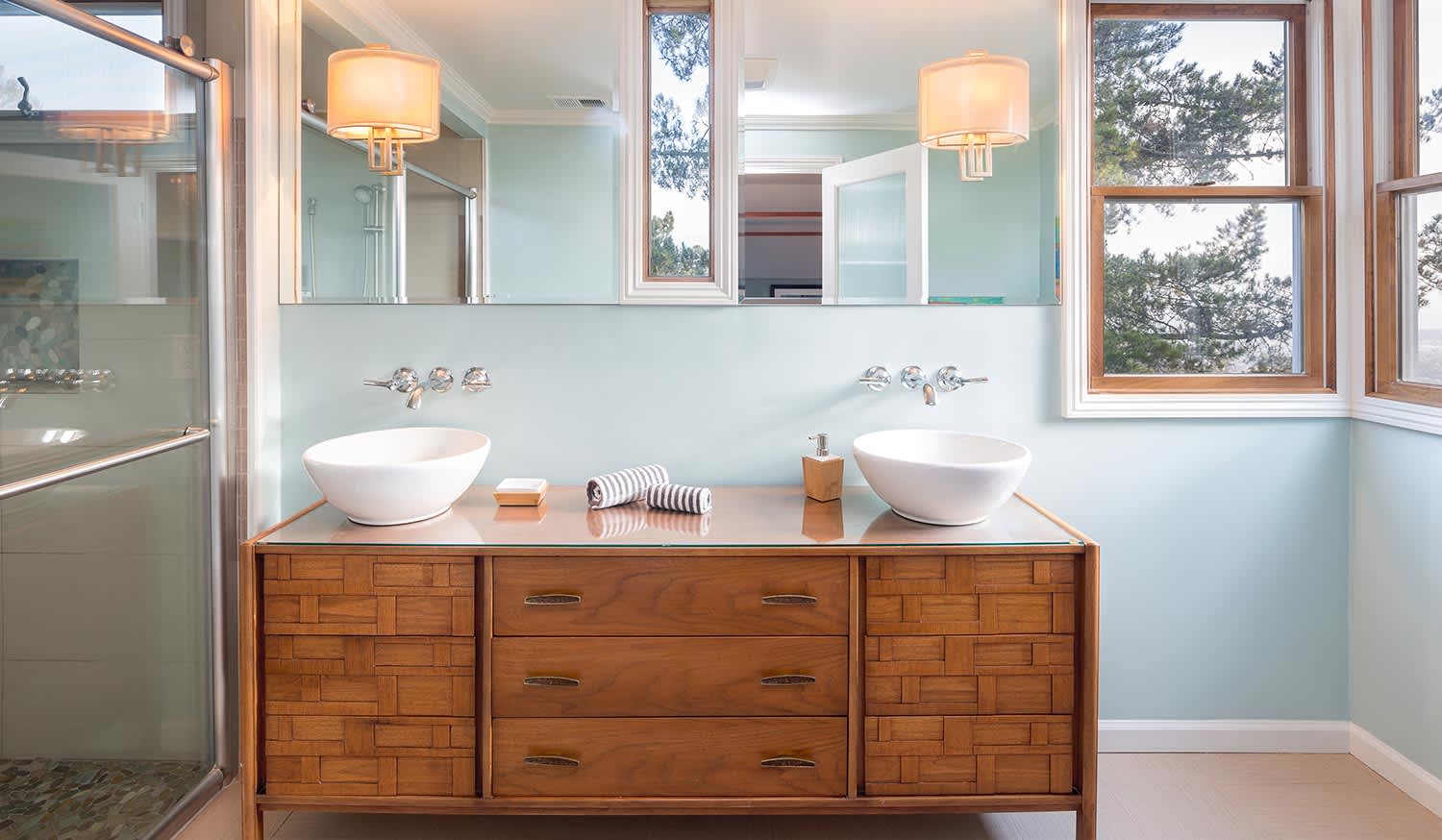
Bathroom remodels can get pricey, but did you know that painting the walls can provide a quick and affordable update with a big impact? Read ahead for the best paint colors and finishes for your bathroom painting project.
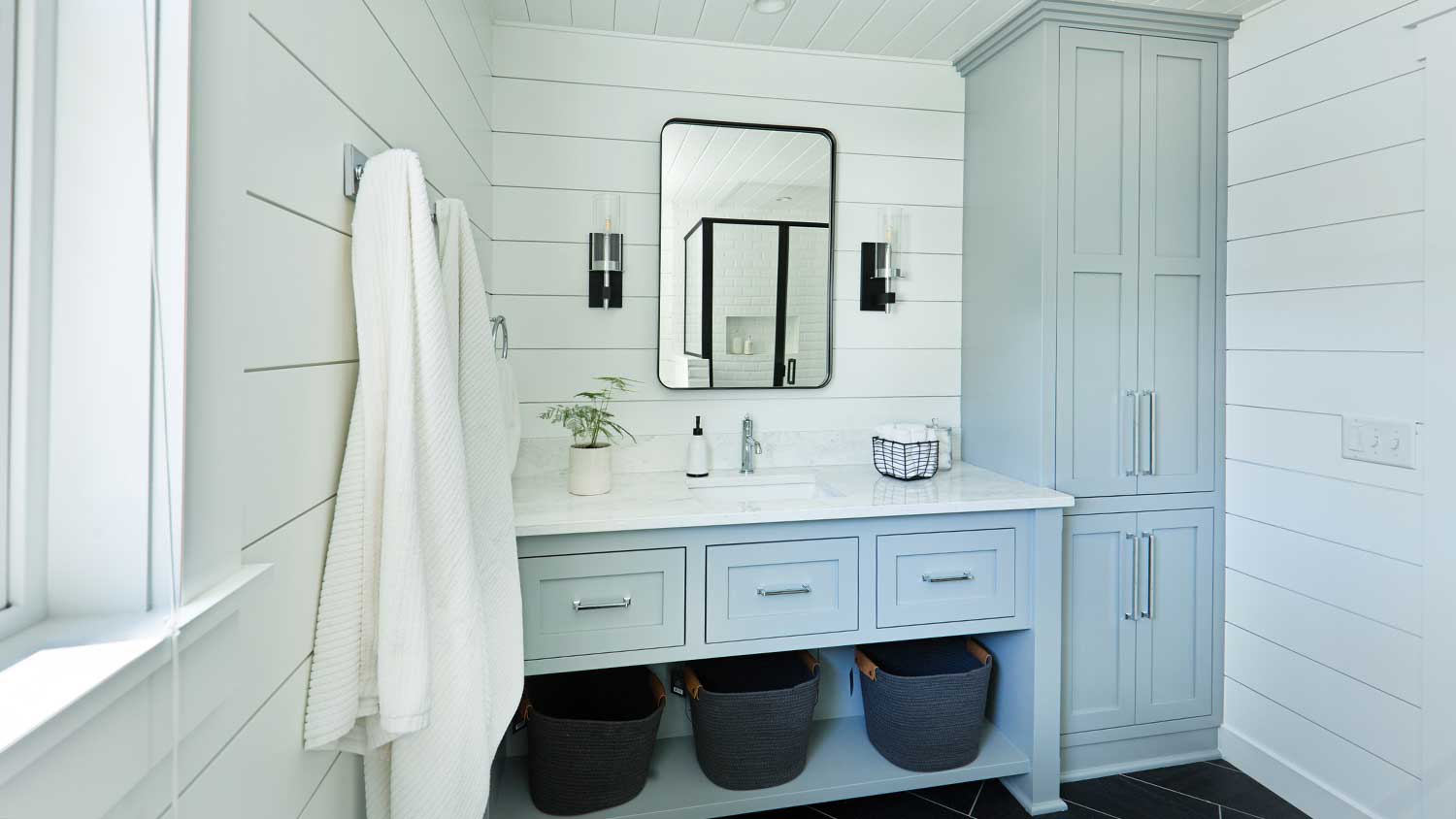
Bathrooms get hot and humid, so choosing the best bathroom vanity paint can help your paint job last. Here are five options to keep your vanity looking spiffy.