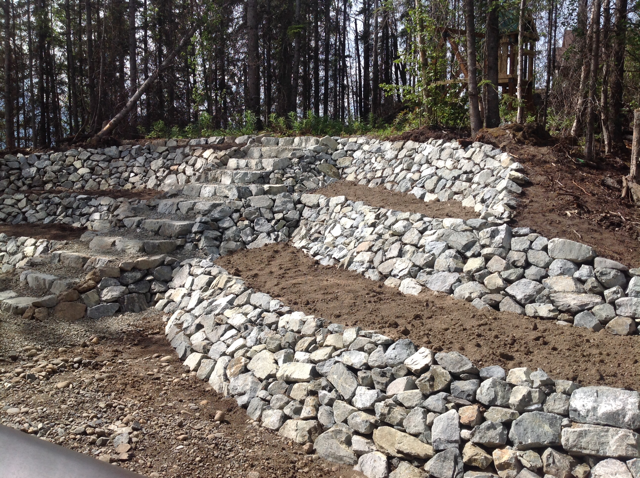
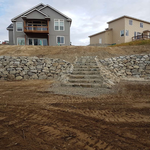
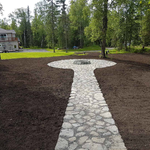
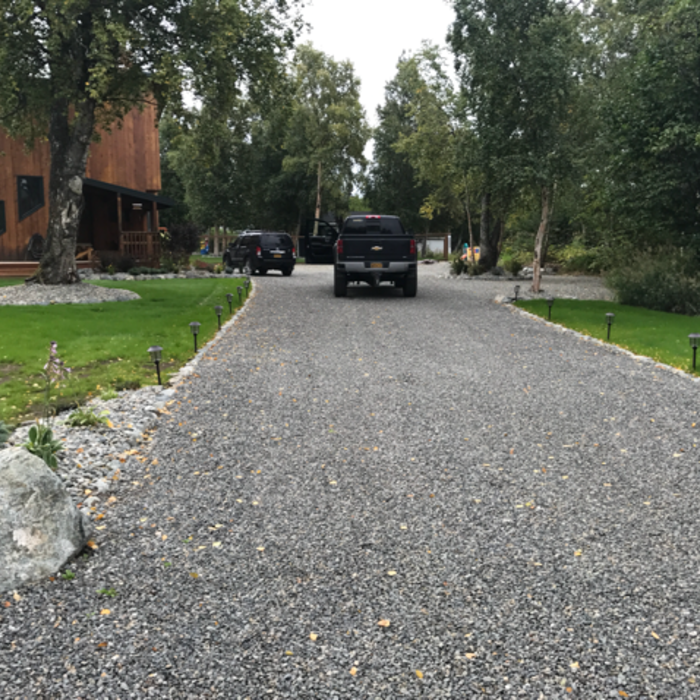
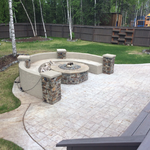
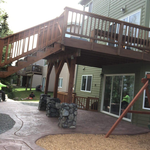
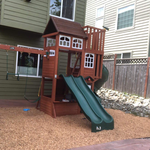
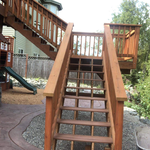
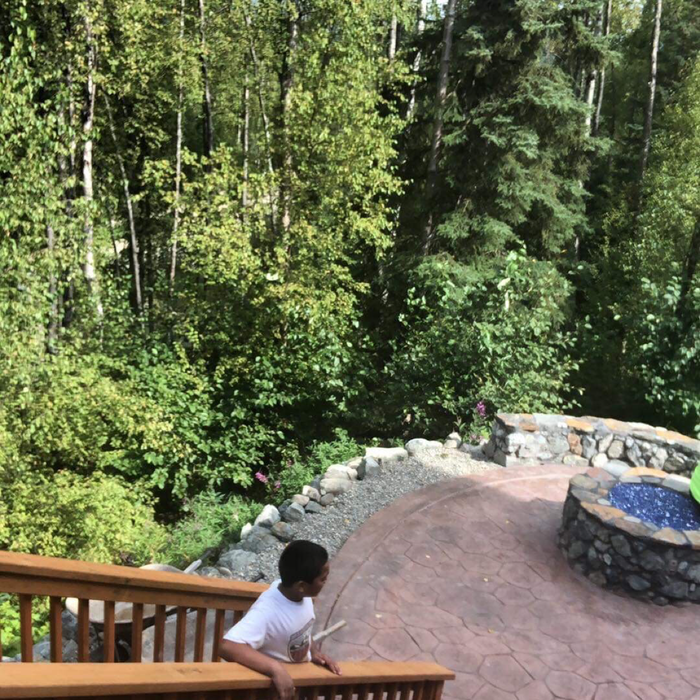
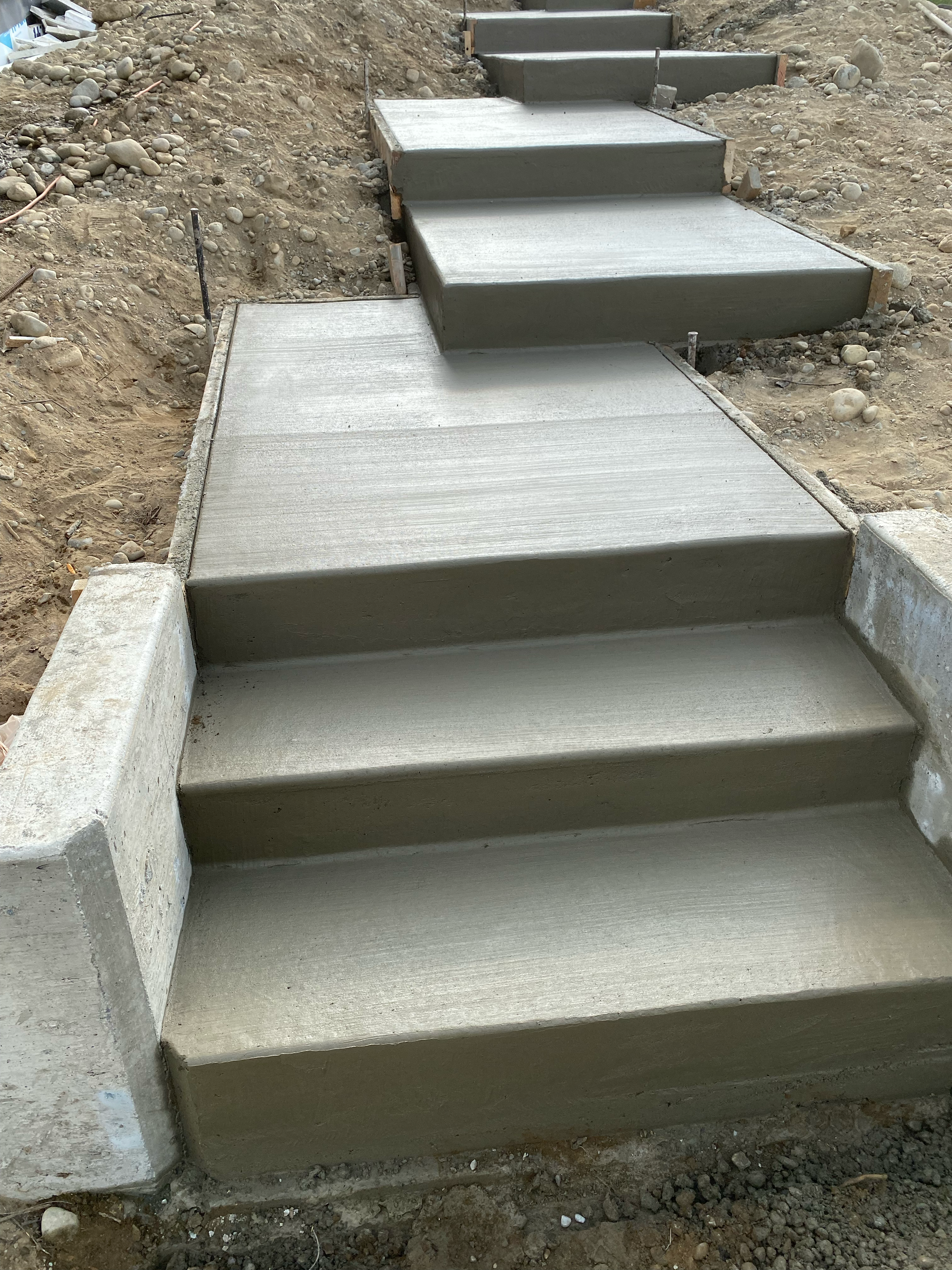
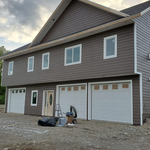
"Rock Landscaping tackled a big project for us by shoring up sloped areas with retaining walls ranging in height from 2 to six feet. Additionally, they masterfully installed a beautiful large stone staircase up a steep grade (21 steps) to the upper portion of my property and surfaced my long driveway (.12 mile) with a good thick coating of D1. Russ Enz the owner gave me great pricing on this $50k plus monster sized project. His guys are true professionals, who are easy to work with, understand your vision, work hard and have a knack for turning raw land into a gorgeous landscape. Thanks Rock Landscaping for the great experience!"
"Very good. They showed up when they said they were going to, they finished when they said they were going to, the quality and everything is good as expected."
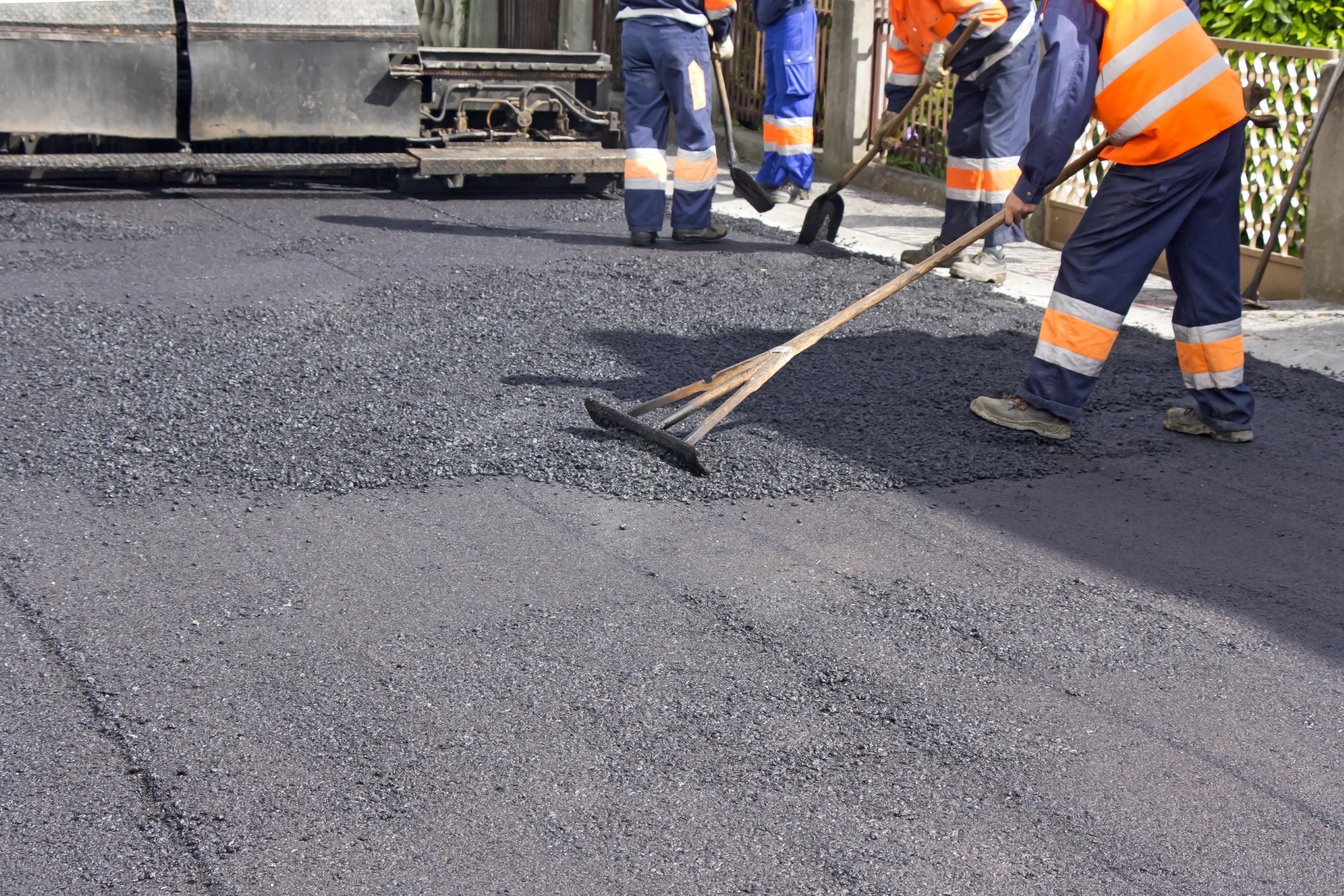
It takes recycled asphalt 48 hours to initially harden and up to 3 months to fully cure. It’s best to stay off of recycled asphalt for at least 48 hours, then you can walk or drive standard vehicles on it. Hold off on driving heavy trucks or equipment on it for at least 7 days. Allowing the surface to melt together and harden ensures that the surface stays durable and long-lasting.
New asphalt typically needs 24 to 72 hours to dry before it can handle light foot traffic and careful driving. Although it may appear solid after a few days, the full curing process, where the asphalt reaches its peak strength, takes much longer—generally from 30 days to a year.
During this extended curing time, the surface remains relatively soft and can be damaged by heavy vehicles, sharp objects, or high temperatures. To protect your investment, it's best to avoid parking heavy machinery on the asphalt until it has fully cured.
The exact time required for drying and curing depends on several factors, including the weather, the specific asphalt mix, and its thickness. For the most accurate advice tailored to your situation, consult with your asphalt contractor.
Chip seal layers gravel and a liquid bitumen one at a time on-site, while asphalt directly pours a pre-combined mixture. Asphalt must be sealed, but it will last up to four times as long as chip seal driveways. Aesthetically, chip seal has a natural, rustic look compared to the traditional asphalt slab.
Yes, you can retrofit an existing driveway, but this usually involves cutting grooves into the driveway, installing the heating elements, then sealing them. While this is much less expensive than typical heated driveway systems, the final appearance could be diminished. Speak with a driveway paving company to confirm which design method is best for you.
An asphalt overlay or top coat costs between $3 and $7 per square foot. For a standard, single-car driveway that’s 10 feet wide and 20 feet long, that’s a total of between $600 and $1,400. For a two-car driveway, you’re looking at a total of between $1,200 and $3,000.
The Wrangell, AK homeowners’ guide to asphalt driveway services
From average costs to expert advice, get all the answers you need to get your job done.
Adding a new asphalt driveway to your home can boost its overall appearance and give homeowners a nice ROI down the line. But how long do asphalt driveways last, and what can you do to maximize their lifespans? Read this guide to find out.