"Very great customer service. Came in knocked the job out. Explained everything they did to a tee. I Was very impressed with the quality of work. I would highly recommend them to anyone looking for an electrical work that needs to be done."
"He came right over on a Sunday and helped drain the crawl space then set up schedule to dry out, replace wet insulation and fix broken pipes. Ordered and later installed new water heater. It was a process but Matt and his associates were super helpful, professional and nice."
"Rick was easy to work with and suggested excellent quality windows. With the pandemic problem, they stayed in touch trying to get the windows from the manufacturer. The installation was quick and easy and done exceptionally well. I am very pleased with the product, the labor and the cost. I have already suggested them to others who has used them for their windows also!"
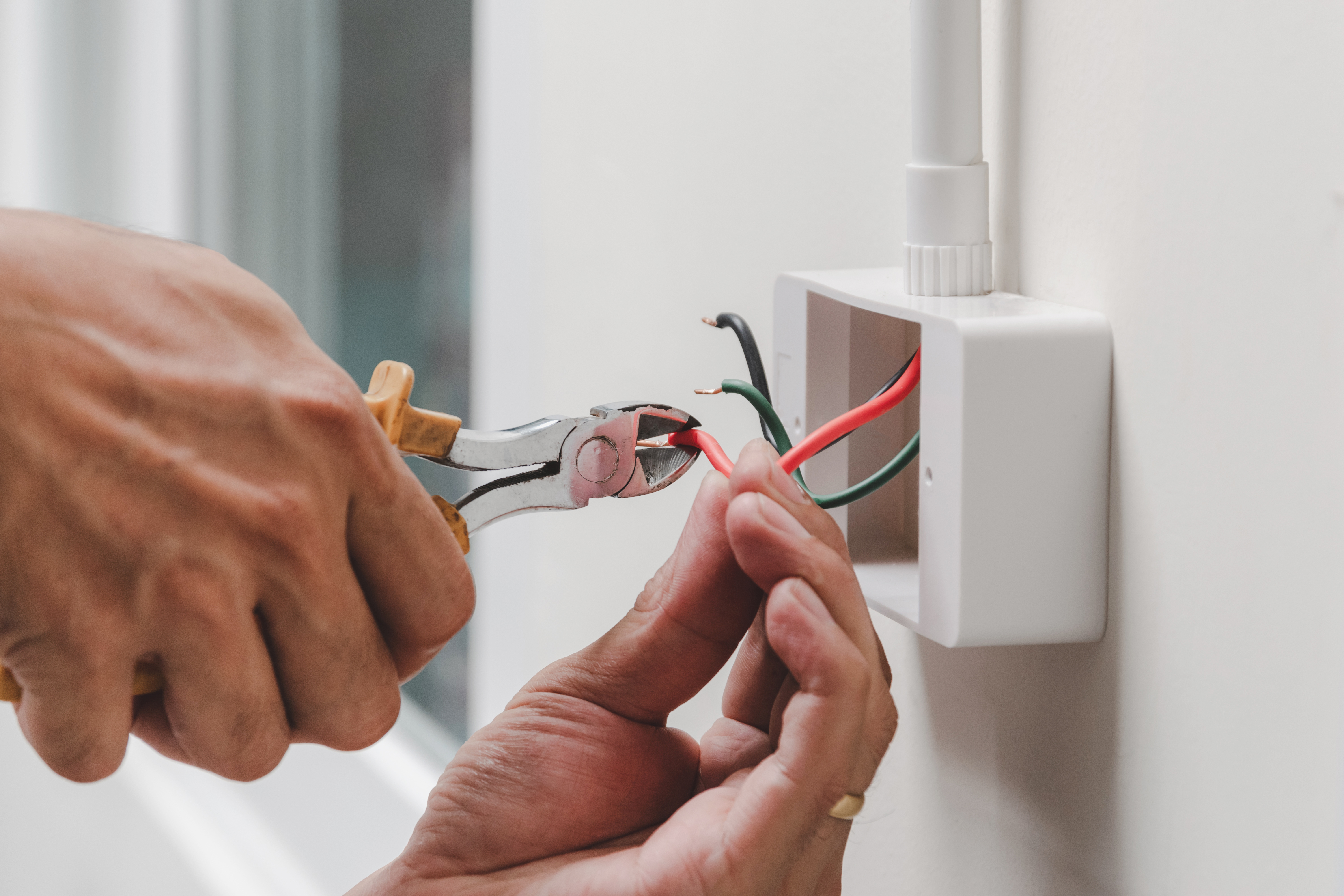
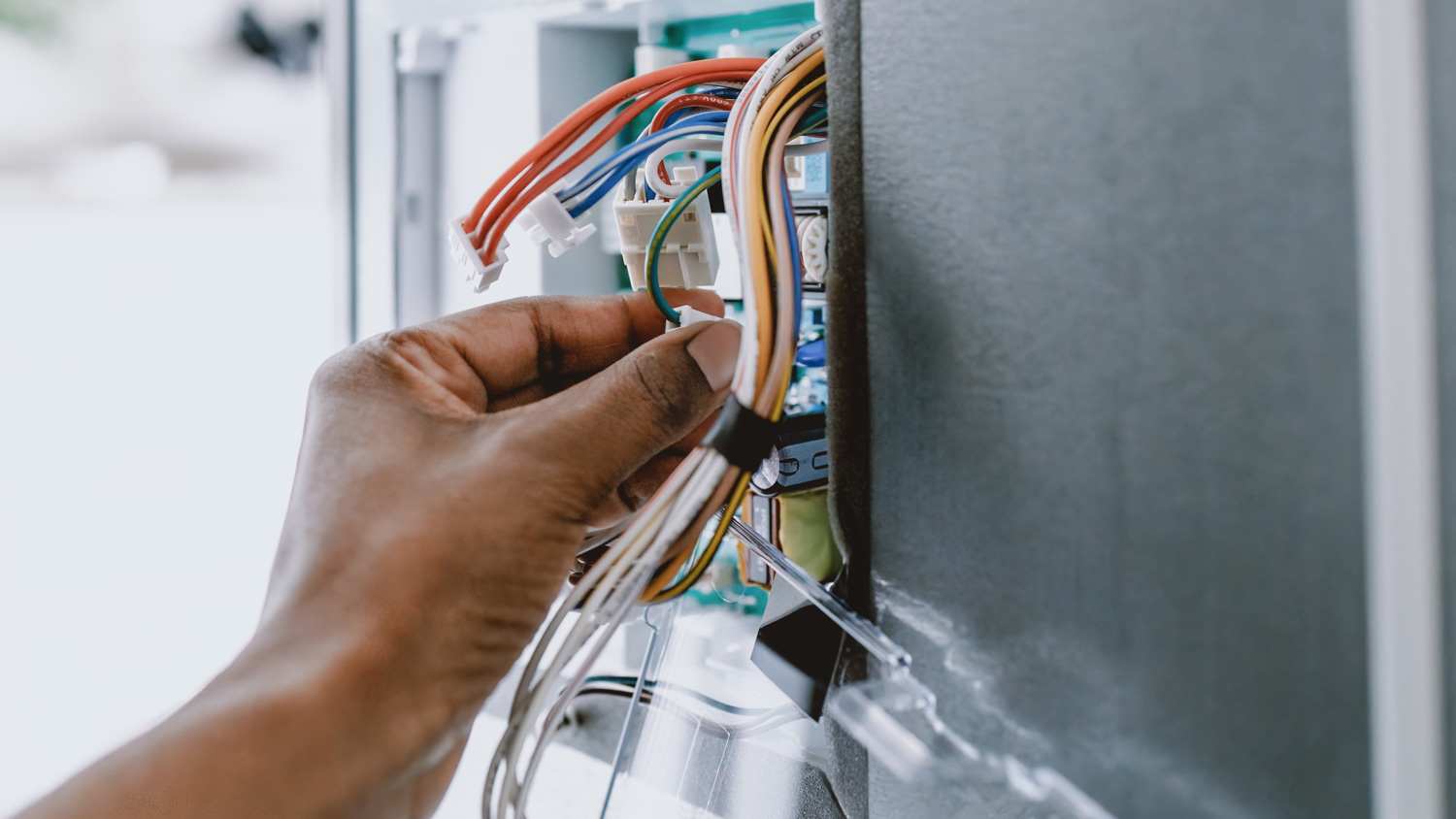
In most cases, line wires are located at the bottom of a panel or device, while load wires are located at the top. Line wires are generally black, while load wires are typically red or black. To tell for sure, you can use a multimeter or volt pen to test the wire. A live or line wire will always carry a charge, while a load wire will only carry a charge when it’s in use.
Flickering lights, warm outlets, or tripped circuits needing immediate attention mean systems likely risk hazard scare.
If your plug feels hot to the touch, it’s likely a sign of an electrical issue that needs immediate attention. Check for signs of melting or discoloration around the plug, as well as any burning smells or smoke. If you notice any of these signs, immediately unplug any devices and do not use the outlet again until it’s been inspected by a qualified electrician.
Yes, standard dimmer switches should never be used to control a ceiling fan motor. They’re designed for lighting, not motors, and they can cause humming, overheating, or permanent damage. You should only use switches that are specifically labeled for fan speed control.
Upgrading your electrical panel is often worth the cost for safety, improved electrical performance, and potential long-term savings. A primary benefit is preventing electrical fires and other hazards from a malfunctioning panel, ensuring your household's safety. An upgraded panel also provides a steady flow of electricity, eliminating issues like flickering lights and frequently tripped breakers. It allows you to connect additional appliances without overloading the system, which is especially beneficial for older homes with 100-amp service that are prone to overheating. If you run large appliances like central air conditioning, heating systems, hot tubs, or saunas, you might consider upgrading to a 300- or 400-amp service to meet the higher electrical demand. Furthermore, an upgrade can lead to long-term savings on energy bills and potentially lower insurance costs.
The Wrangell, AK homeowners’ guide to electrical services
From average costs to expert advice, get all the answers you need to get your job done.
Before you hire a licensed electrical contractor, you should learn the cost to run electric from the road to your house so you can budget for the project.
Whether you’re shopping for a new home or simply doing a safety check on your current place, learn what factors influence an electrical inspection cost.
Is it time to upgrade your electrical panel? For the sake of safety, find out sooner than later by exploring our top signs that it’s time for an upgrade.