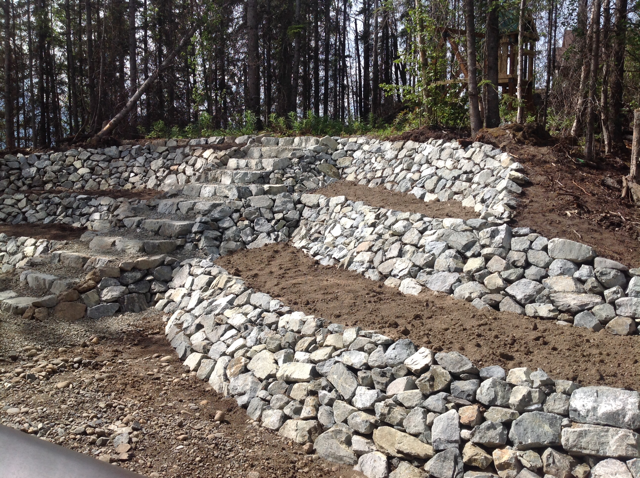
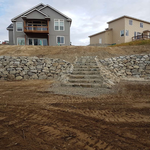
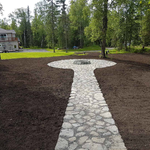
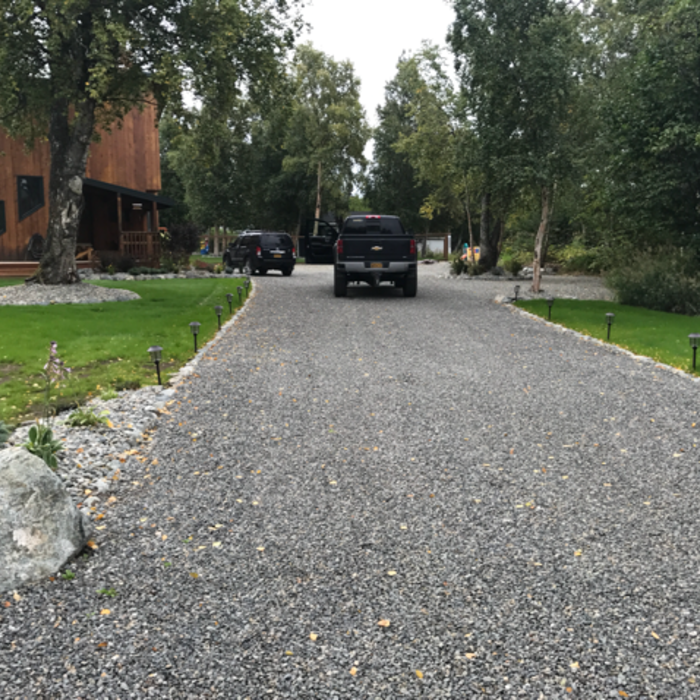
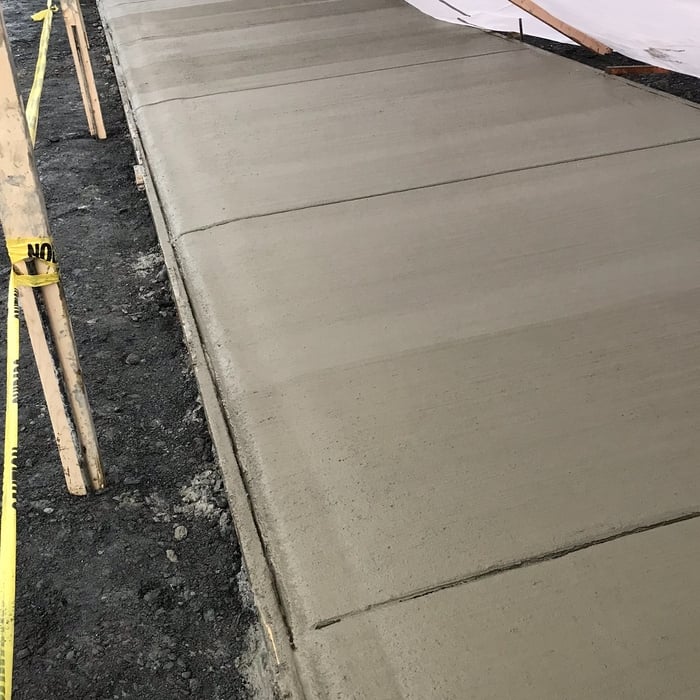
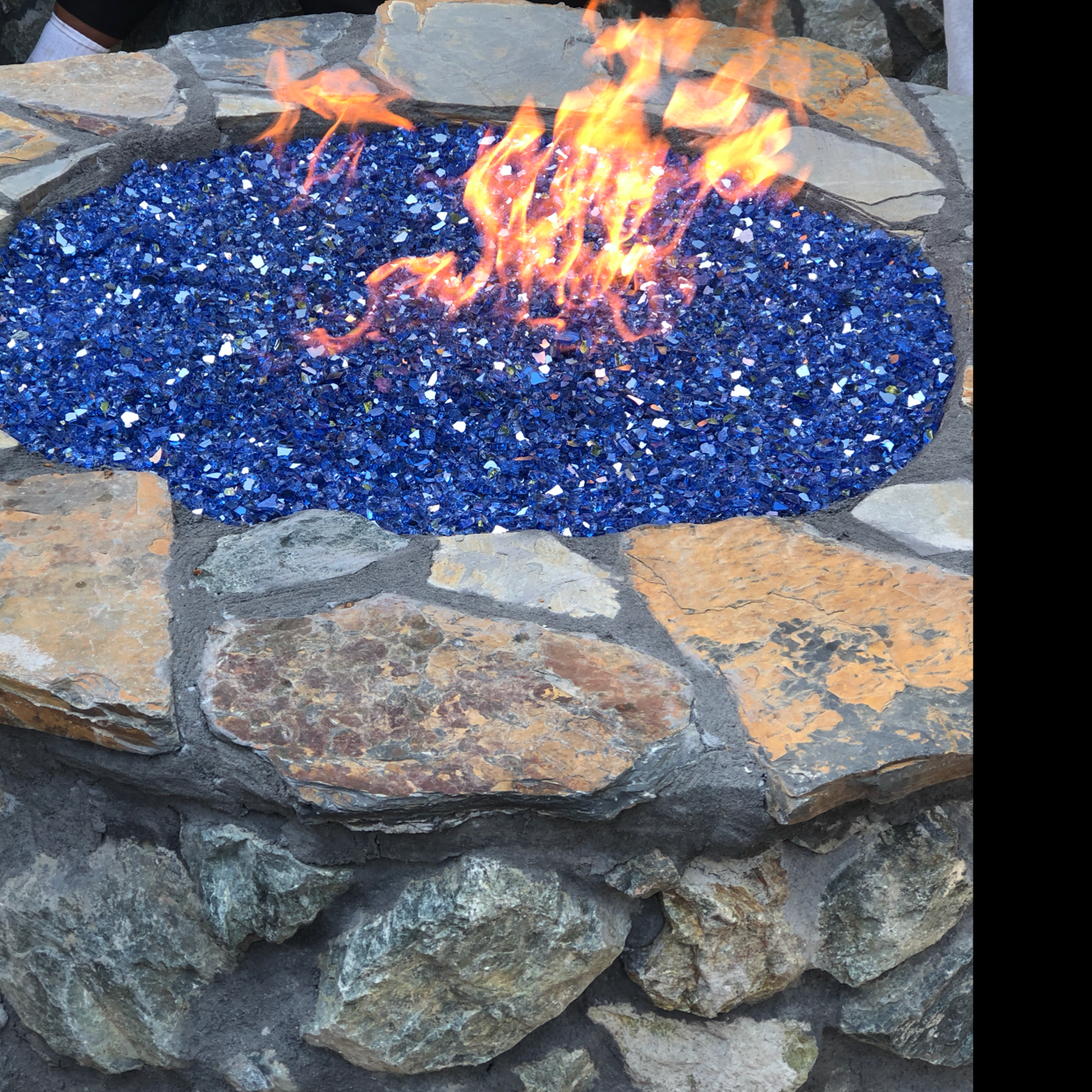
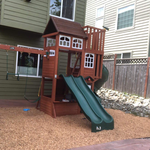
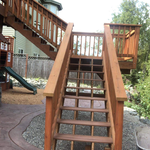
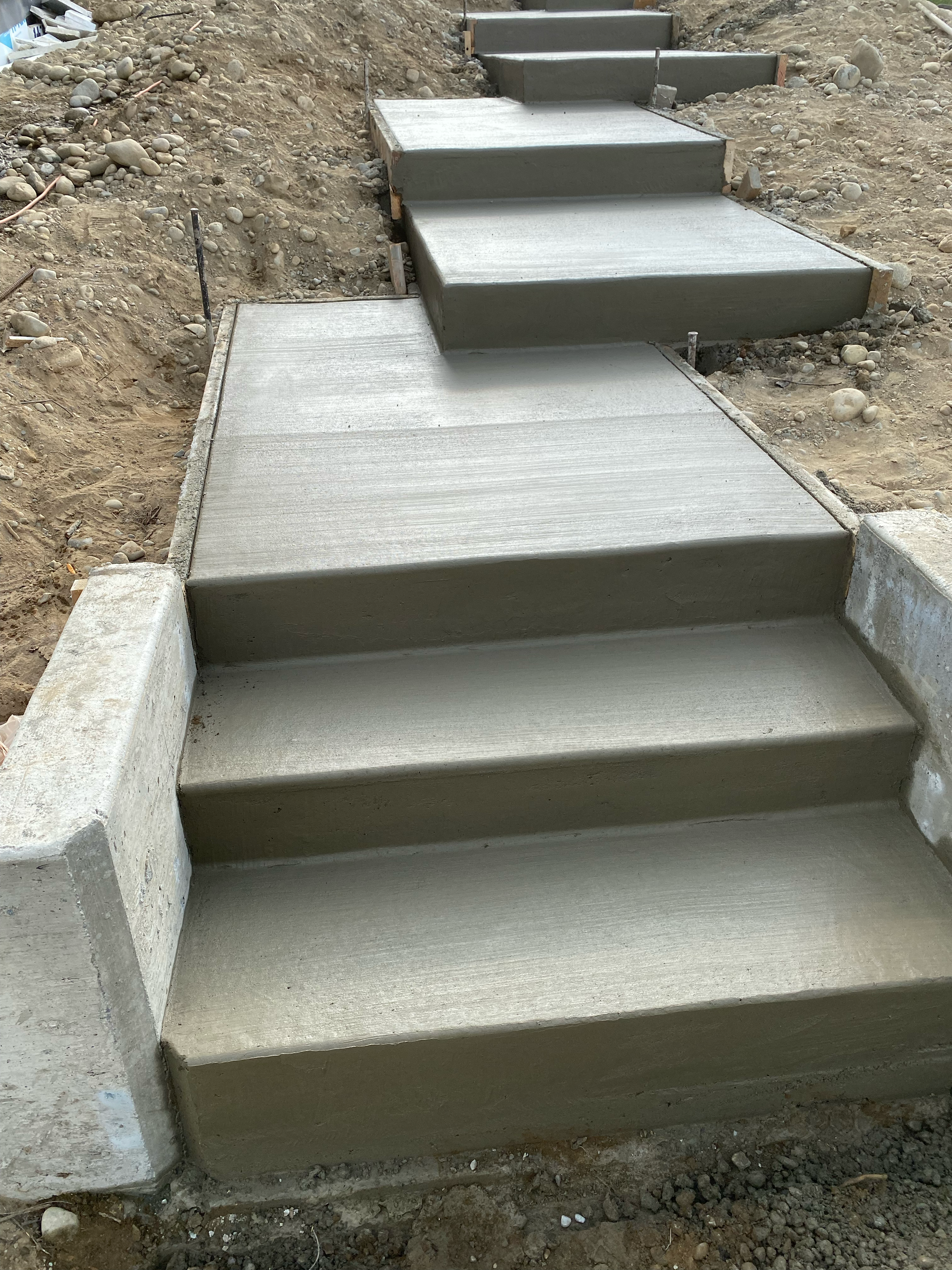
"Rock Landscaping tackled a big project for us by shoring up sloped areas with retaining walls ranging in height from 2 to six feet. Additionally, they masterfully installed a beautiful large stone staircase up a steep grade (21 steps) to the upper portion of my property and surfaced my long driveway (.12 mile) with a good thick coating of D1. Russ Enz the owner gave me great pricing on this $50k plus monster sized project. His guys are true professionals, who are easy to work with, understand your vision, work hard and have a knack for turning raw land into a gorgeous landscape. Thanks Rock Landscaping for the great experience!"
"Very good. They showed up when they said they were going to, they finished when they said they were going to, the quality and everything is good as expected."
The best pressure washer nozzle to clean a driveway is a surface cleaner with three wheels to ensure you get smooth, even coverage. The attachment allows you to deep clean a driveway’s large surface without much strain on your body, especially if you add two extender wands. Choose a pressure washer that offers 2500 to 3000 PSI and about 3 gallons of water per minute.
If there is standing liquid on your concrete, remove it before attempting any of the above cleaning methods. For small amounts of water, use rags, a bucket, and a mop. For larger areas of liquid, lay down cat litter or baking soda to soak up the water first. If you have extremely large pools of water sitting on your concrete, break out the wet vac and get to work.
The best driveway cleaner for oil stains depends on the type of surface and the severity of the stain. An absorbent abrasive like baking soda works for many circumstances. By following up the baking soda with a white vinegar rinse, you can increase the effectiveness and ideally remove the stain for good. Concrete oil stains may respond better to oil stain removers designed specifically for concrete if the stain is tough to remove with at-home ingredients.
Whether you need to winterize your pressure washer depends on where you store it. If you can keep it in a relatively warm place with no risk of freezing, you won't need to add antifreeze. However, if the machine will be stored in freezing temperatures, any liquid left in the water pump can freeze, expand, and cause severe damage. To prevent this, add antifreeze to keep it in good condition. While some suggest emptying the machine with compressed air, this can be a tedious process that may not fully drain the liquid. Regardless of storage conditions, it is also good practice to empty the gas chamber and refresh the oil before winter storage.
Yes. You can pressure wash pavers. However, you risk damaging them if you use too much pressure or get too close. Use a PSI of 1,500 and spray the water at least 24 inches away from the surface.
The Wrangell, AK homeowners’ guide to concrete driveway services
From average costs to expert advice, get all the answers you need to get your job done.
Between the endless customizations and decades of strength, the cost of a concrete driveway may be worth the investment. Let's break down your bottom line.
Before you hire a pro to pour a new concrete driveway, you should have a good idea of what you need. Discuss these concrete driveway installation questions with a pro.
Thinking about a new concrete driveway? Learn about installation costs, design options, and how to hire the right local pro for your home's exterior upgrade.