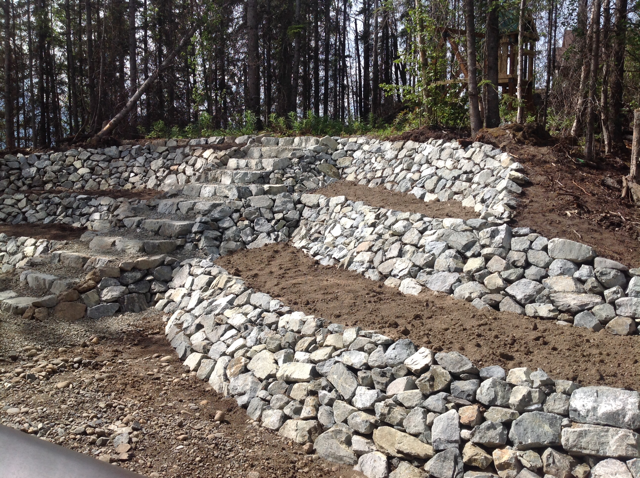
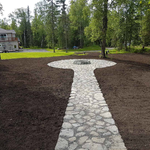
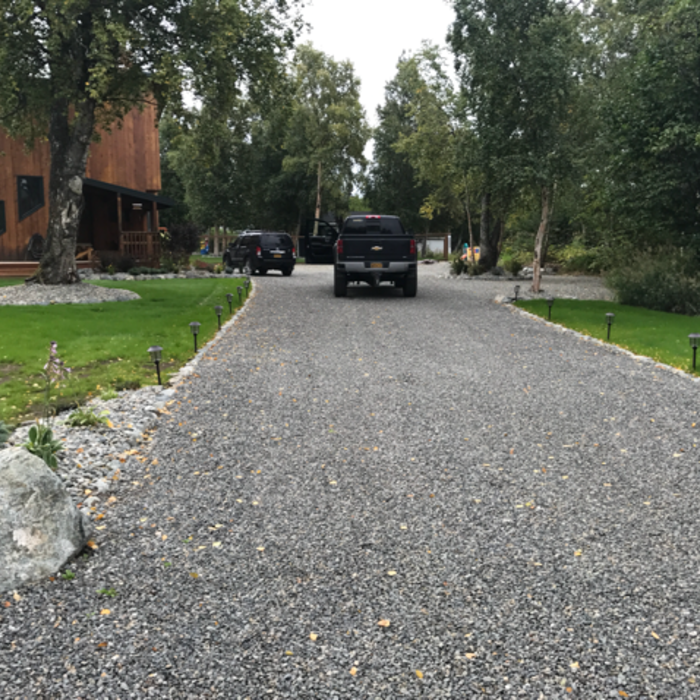
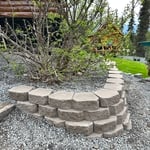
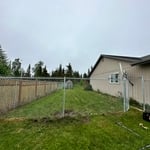
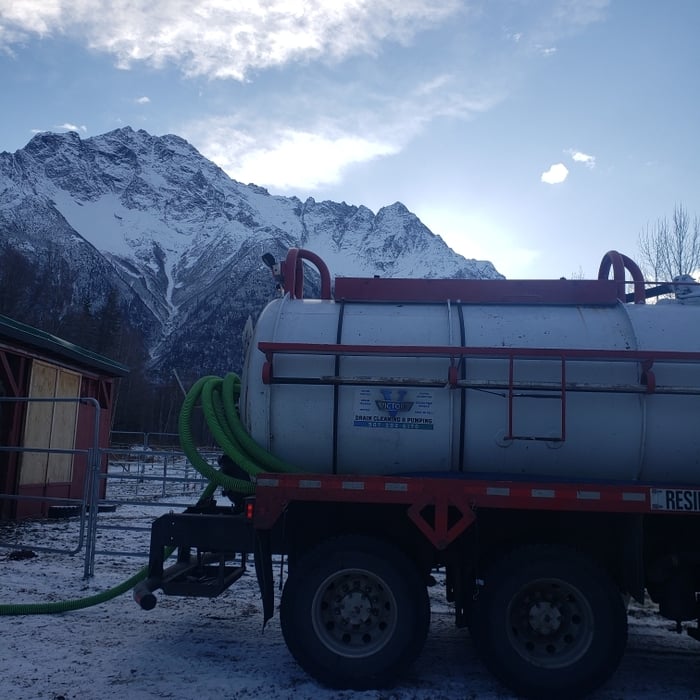
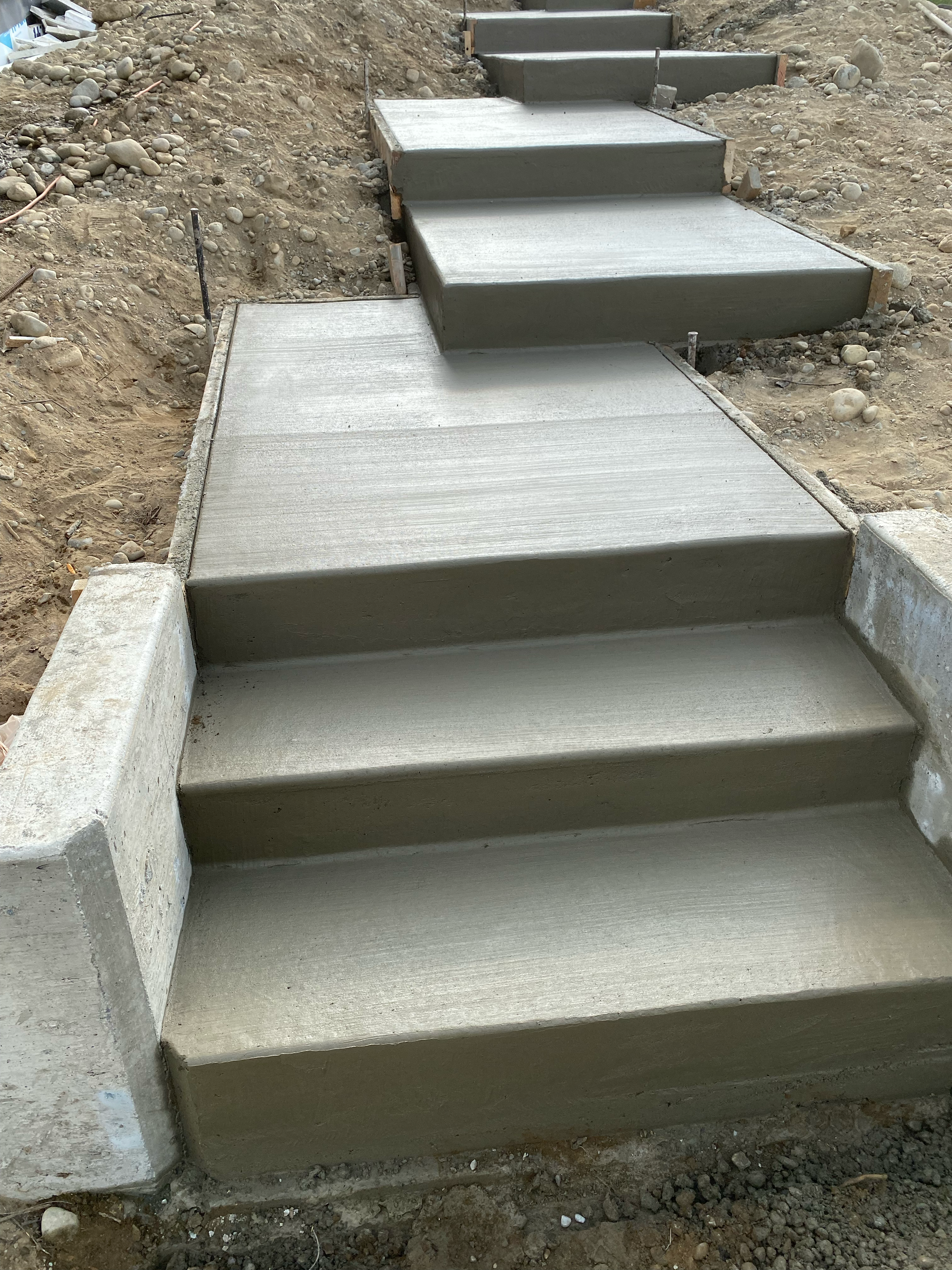
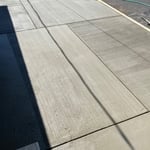
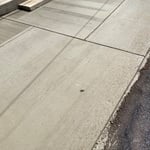
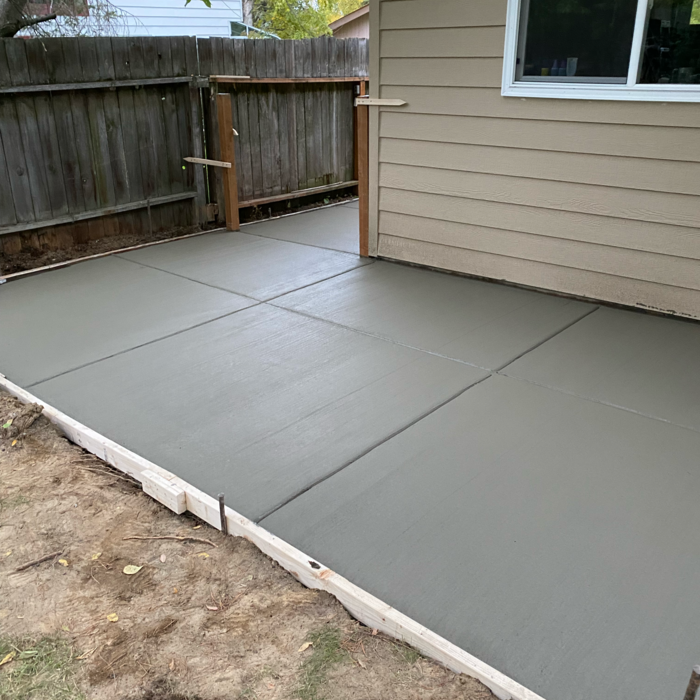
"They did a very fine job! They did what they say they're gonna do. They're on time , on budget and excellent. I would recommend them to anybody anytime."
Arctic Excavators LLC is an Alaskan and Service Disabled Veteran Owned civil site work and excavating contractor. This family founded company has worked throughout the state of Alaska on both residential and commercial civil construction and excavation projects since 1970. Give us a call today for help with your next project!
After you successfully remove your boulder, you have a few options for what to do to get rid of it. You can rent a dumpster if your yard has many boulders or if you’re planning a larger project. You can even save the boulder and reuse it elsewhere on your property to save on landscaping costs. A few ideas include using the boulder as a natural, abstract statue, breaking it into smaller pieces to line your garden bed, or offering it to a landscaping company that could reuse it for another project.
Errors in site preparation can lead to structural failures or appear costly midway. Professionals ensure detailed, reliable home base development layouts.
Underground downspouts refer to the sections of downspout extensions that lead away from your home and gutter system. While they cost more than traditional extensions, they can provide several benefits, such as less frequent damage and no need to move them for lawn care tasks. Whether they're worth it or not depends on your budget at installation time and how much convenience they'll add to your situation.
Trenches are typically 12 to 24 inches deep and 8 inches wide. However, the required depth depends on the specific project and local ordinances. For example, a French drain may need to be 18 inches deep, while a water pipe might require a depth of 24 inches and a drainage pipe 36 inches. Your city or county may have specific regulations, so it's wise to consult with an excavation professional to determine the correct depth for your project.
The easier way to find buried sprinkler lines is to use the plan from the professionals who installed the system. If you don’t have professional plans, listen for running water on your lawn when you turn on the system. You may also spot wet areas, giving you an idea of where the heads are. Once you find the sprinkler heads, you’ll likely be able to connect the dots between them, revealing the system below.
The Wrangell, AK homeowners’ guide to excavation services
From average costs to expert advice, get all the answers you need to get your job done.
Excavation costs $1,500 to $6,300 for most residential projects—but it depends on factors like the size of the area. This guide will help you plan a budget.
You can't have an in-ground pool without digging into the ground. How much does pool excavation cost, and can you take it on yourself? Our guide explains.