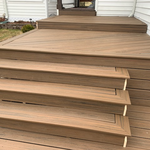
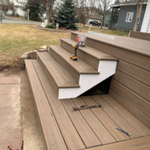
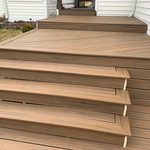
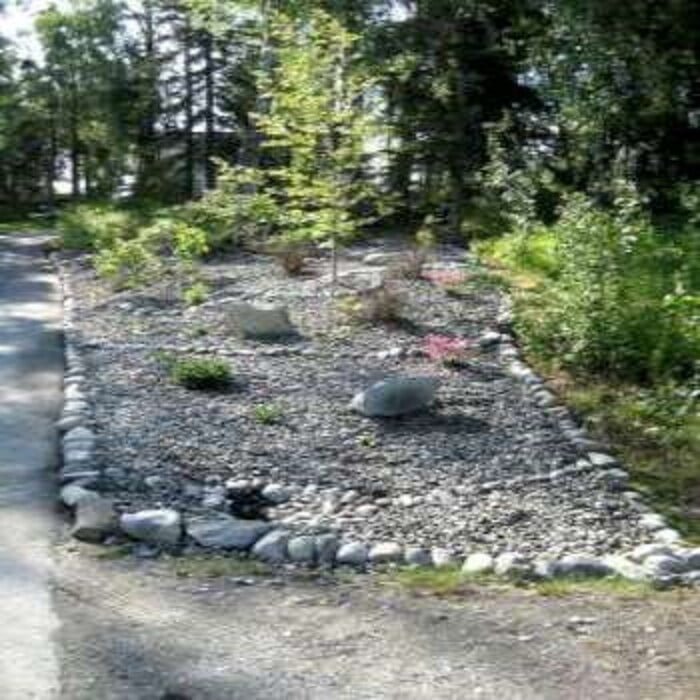
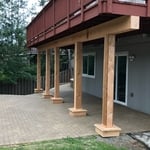
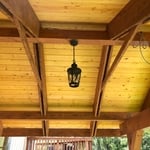
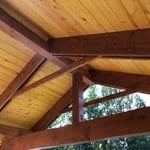
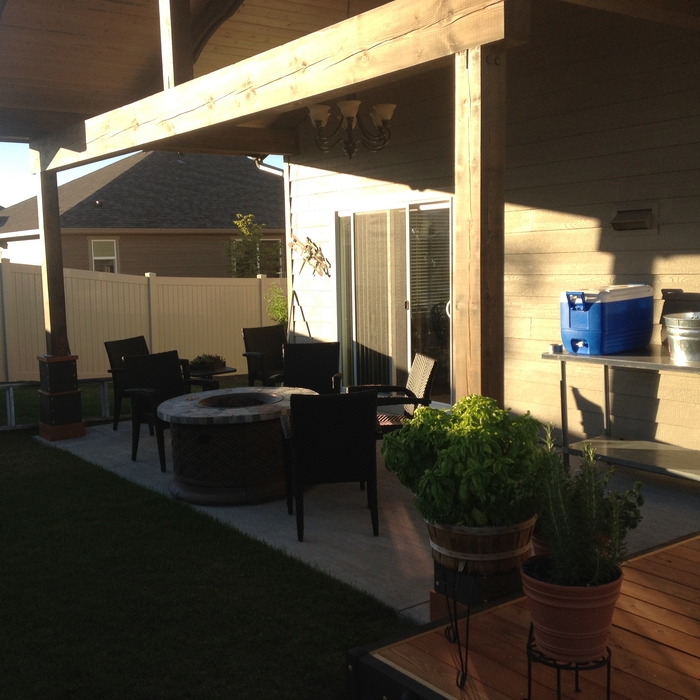
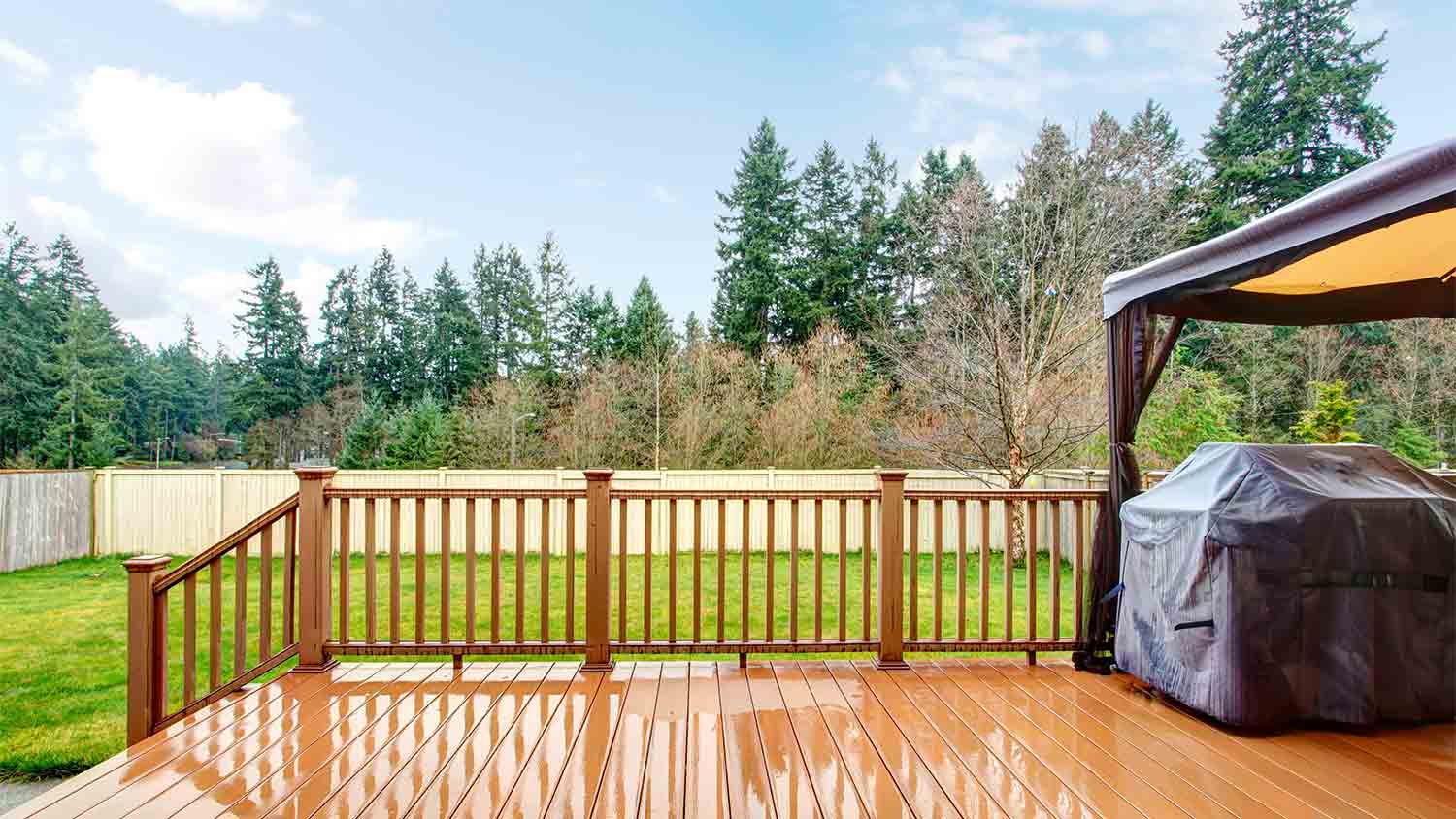
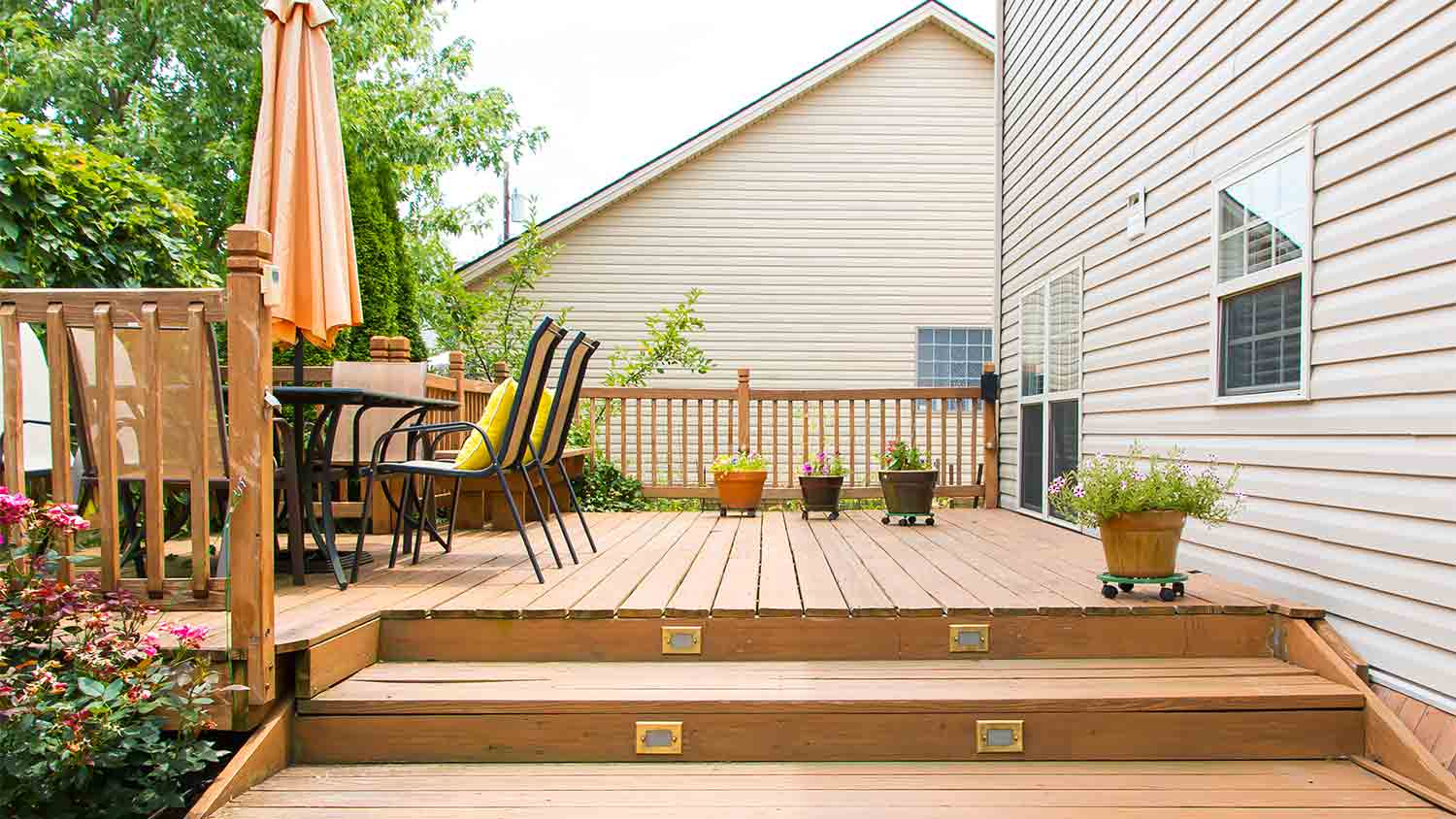
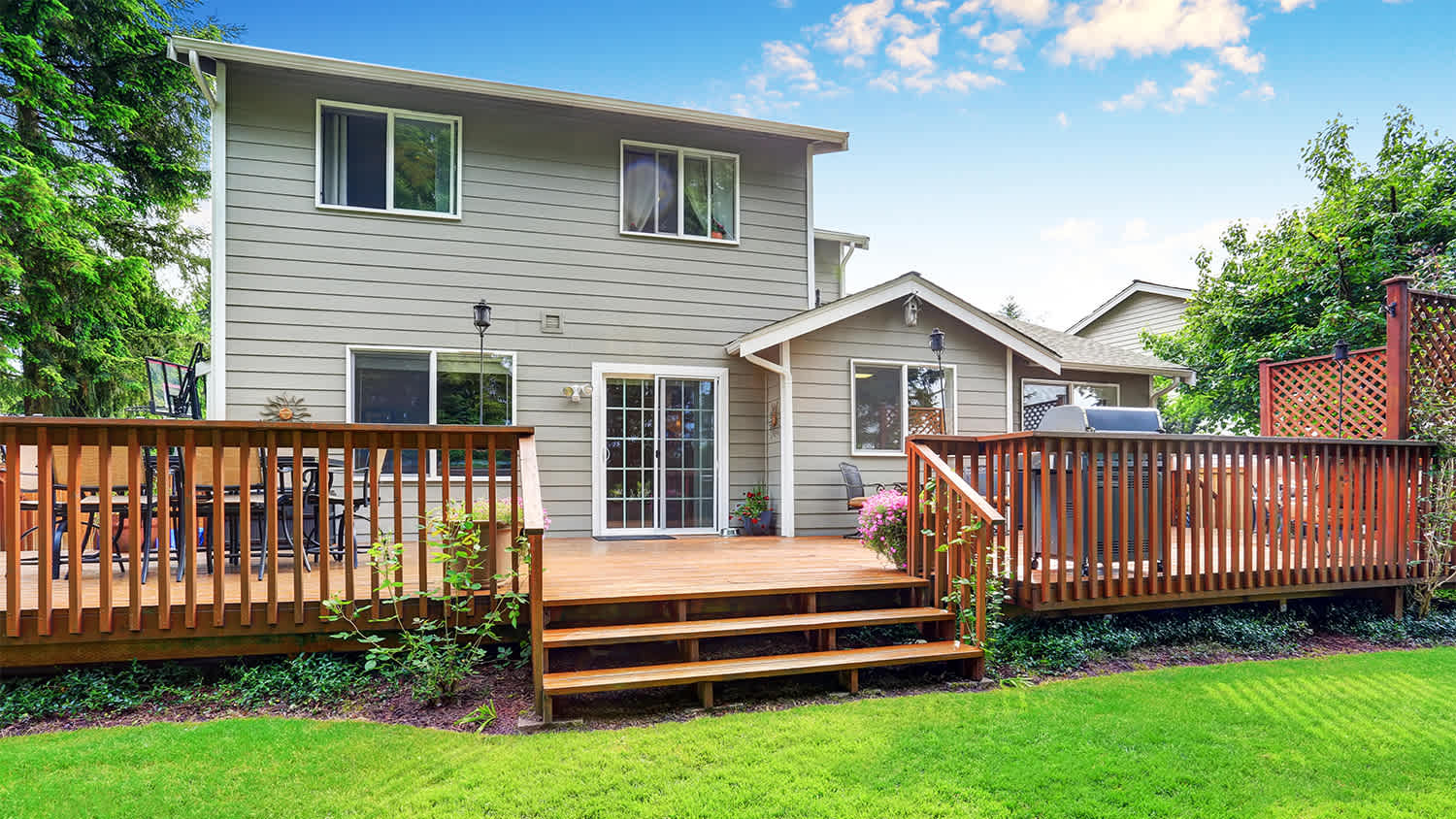
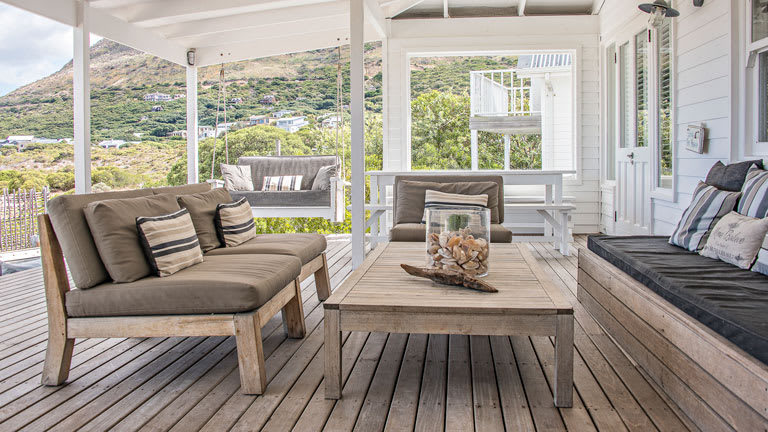
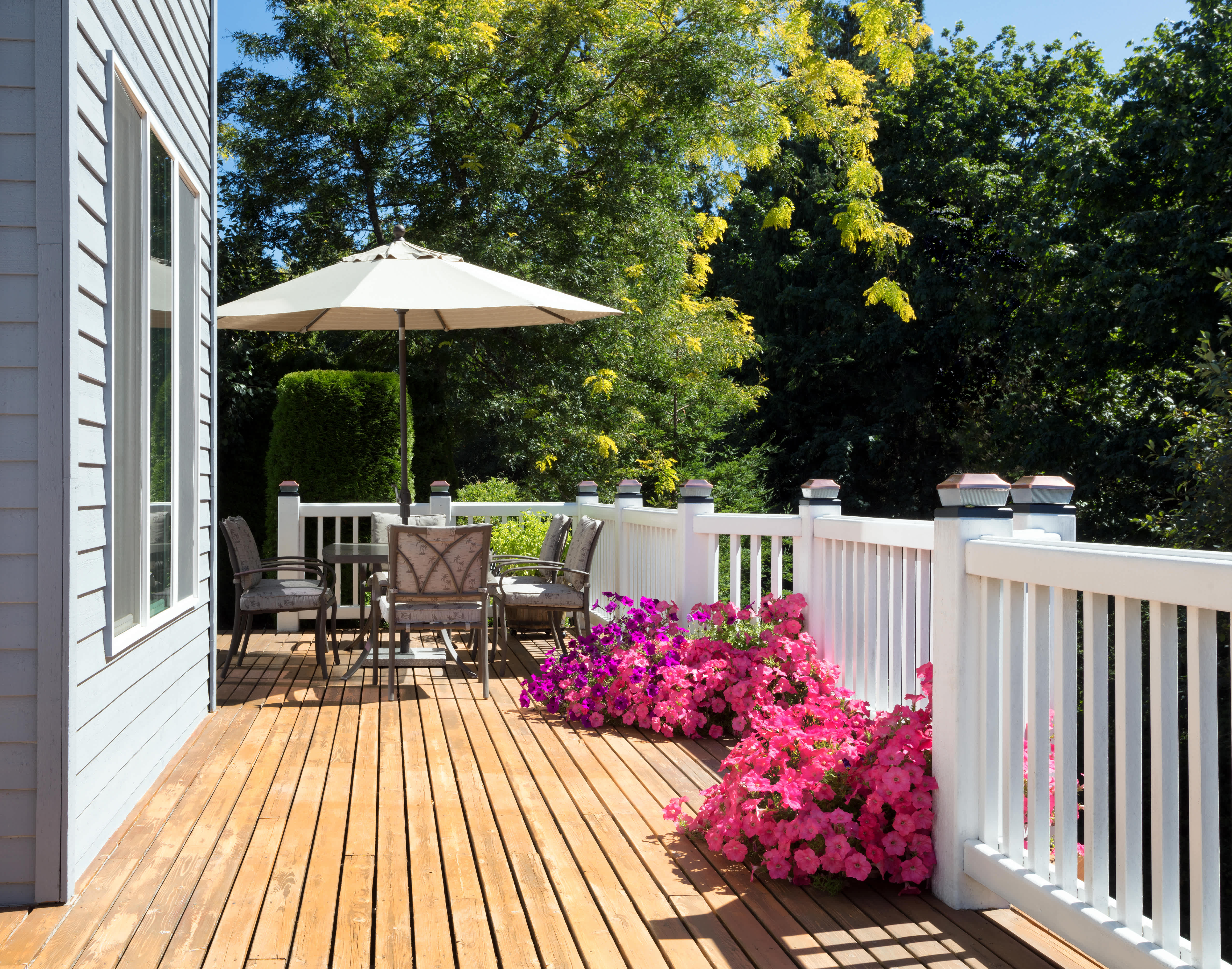
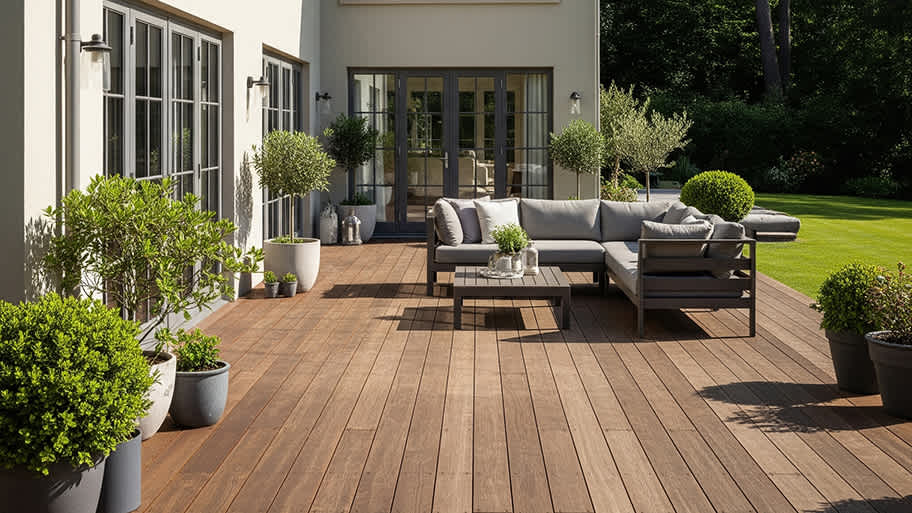
"Some very difficult challenges which were all overcome. Extended staff time but did not impact final billing. Very happy with outcome. Great looking deck renovation."
The home builder that focuses on not what's wrong... Rather, what's missing. Reconnecting the heart to the home.\nJK Construction renovates homes and recreates landscaping designs with heart and your inspiration. From dreams to blueprints to reality-JK Construction can help.\nAfter nearly 30 years working in the Emergency Room as a Registered Nurse, I found the interesting connection in the midst of troubling times to talk to patients about what matters the most. \nFaith, Family and Home were the top three favorites of what matters.\n"Home is where the heart is"\n This is exactly how JK Construction was founded. Let us reconnect your heart to your home with your next inspiration.
Hello David here owner Crystal Clear window washing of Anchorage. I am one of the best in the city for residential and small commercial window washing . Have over 7 years of " HIGH END RESIDENTIAL WINDOW WASHING experience Consider myself a HIGH END SPECIALIST. Have a number of homes in the greater Anchorage area. I have many home owners that use me exclusively and have for years. I wash on some of the most prestigious homes in Anchorage and would love to have you on my list. I can provide excellent references from very prominent and very satisfied customers. I go the extra mile to make sure my customers are more than satisfied. I will leave them wondering if there is actually glass they are looking through, many customers in awe of how clear and transparent the finished window should and will look. Try me, you won't be disappointed.
Avalanche Construction Inc. is a full service residential remodel general contractor that performs complete interior and exterior remodeling projects. From flooring to roofing, kitchens to siding, we do it all! We focus on providing the best overall quality and experience for our customers in the greater Anchorage area. Our core values are Integrity, Quality, and Value. Integrity is doing the right thing when there is no one watching. This is especially important as you are putting an enormouus amount of trust in the company you choose! Cost + Quality = Value. This statement really rings true in the construction industry. We never want to pay too much for a service, but at the same time, we do get what we pay for. There is a balance, and we strive to achieve that balance. We start with an in home free consultation to provide solutions for both common and complex problems related to the challenges homeowners face due to Alaskas' unique climate. We then provide a detailed proposal and a customer portal that is easy to navigate, allowing you to become part of the project. Long gone is the day where you are on the sidelines wondering what happens next. We offer an interactive calendar, daily photos and updates, and the opportunity to taylor your projects to your specifications.
There are ways to clean your deck to help maintain a clean appearance. You can easily remove surface-level dirt and grime by wetting your deck with a hose and doing a quick scrub with store-bought deck cleaner monthly.
However, investing in professional deck cleaning services near you at least twice a year is worth it. This service saves you time and ensures that your deck will avoid accidentally becoming scratched by blasting the pressure washer at the wrong angle.
Two coats of stain are ideal for the best protection and aesthetic appeal. However, if your decking is made of particularly dense hardwood, you may only need one coat. If you want an intense color, two coats are ideal.
Constant exposure to inclement weather conditions can damage your deck, causing it to fade, warp, or crack over time. Regular maintenance keeps it looking and performing its best. That means giving it a good cleaning and applying a quality sealant or wood treatment to help defend against moisture, sun damage, and everyday wear.
The best base materials for a ground-level or floating deck are typically gravel and crushed stone (also known as landscaping rocks). These options are inexpensive, provide excellent drainage, prevent weeds, and help minimize moisture buildup, which reduces shifting and rotting. For added stability and to evenly distribute the weight, you can use concrete deck blocks or pavers. While more expensive, concrete blocks and pavers offer a sturdier base than gravel or crushed stone alone.
The best paver for your pool deck depends on your budget, style, and how much maintenance you’re willing to invest. Granite is one of the best low-cost pavers for pool decks. It’s very slip-resistant and durable, too, making it a top pick. Travertine is a high-quality material that resists freeze-thaw cycles, looks stunning, and won’t get hot in the summer. The only downside to travertine is that it costs more than granite.
The Wrangell, AK homeowners’ guide to deck maintenance services
From average costs to expert advice, get all the answers you need to get your job done.
Deck maintenance is vital to protecting a wooden deck. Cleaning, staining and sealing a deck after pressure washing will add years to its lifespan. Protect a deck by following these deck maintenance tips for cedar and other types of wood materials.
Finding maintenance-free decking that works for your home, budget, and lifestyle can be challenging. This guide lists the 7 best low-maintenance deck materials.