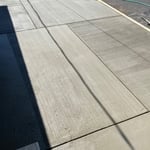
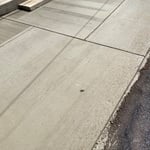
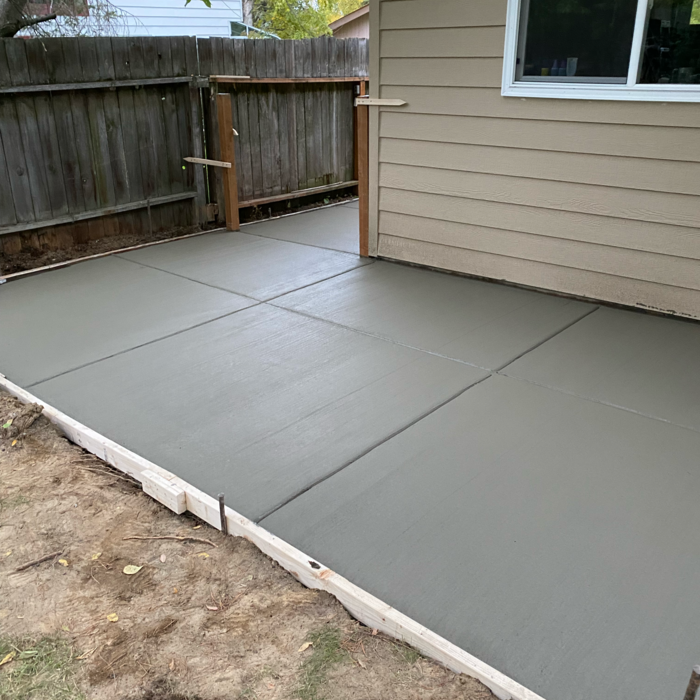
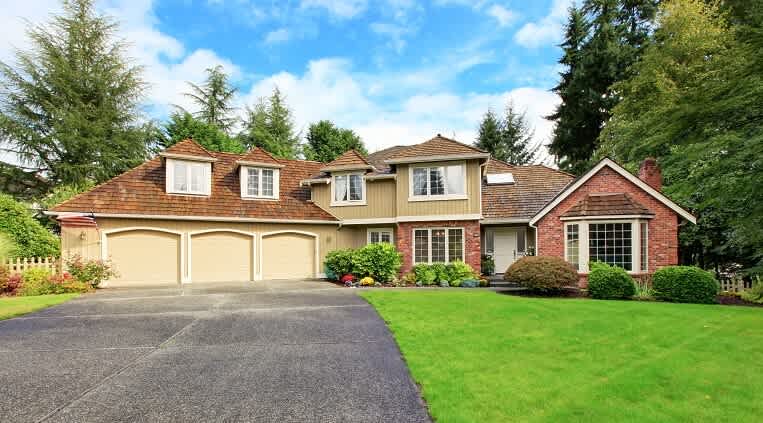
"They did a very fine job! They did what they say they're gonna do. They're on time , on budget and excellent. I would recommend them to anybody anytime."
"Very good. They showed up when they said they were going to, they finished when they said they were going to, the quality and everything is good as expected."
Driveway Sealcoating questions, answered by experts
When comparing installation costs, asphalt is often less expensive upfront than concrete. Asphalt prices typically range from $7 to $15 per square foot, while concrete can range from $3 to $18 per square foot. However, long-term costs should also be considered. Concrete driveways generally last longer (up to twice as long) and require less maintenance, which can make them more affordable over their lifespan. While asphalt has a lower installation cost and is easier to repair, it requires more frequent maintenance, such as sealing, which can add up over time. Therefore, while concrete is more expensive initially, its durability may offset the cost in the long run.
Commercial lots should be sealed every 2-3 years to prevent cracks and weather damage.
You shouldn’t directly paint over an oil stain on your asphalt driveway. While painting over might visually conceal the stain, the oil will continue to damage the driveway. Once you’ve noticed the oil stain, it’s important to thoroughly remove it within the next few months since oil stains only take six months before they begin to damage the structure of your asphalt driveway.
It extends pavement life, improves appearance, protects against weather, and reduces maintenance costs.
Access to commercial-grade products and equipment, ensuring thorough coverage and long-lasting protection.
The Wrangell, AK homeowners’ guide to driveway sealcoating
From average costs to expert advice, get all the answers you need to get your job done.
The cost of a tar and chip driveway falls between gravel and asphalt. Is this unique process the happy medium you've been looking for? Let's take a look.
Driveway extensions can provide valuable parking and recreation space and add to the value of your home on resale. Find out how much driveway extensions cost.
The average driveway coating takes between 30 minutes and eight hours to dry, but weather and sealant type can influence the dry time. Read on to learn more.