

Faulty wires, warm chargers, and hot outlets mean something is wrong with your outlet. While some of these problems are easy fixes, others are safety risks. Find out how to fix an outlet fast so you can use your electronics with ease.
Determining why an outlet is dead will help you to figure out whether or not it’s dangerous

A burnt outlet is dangerous when heat damage occurs from overloading, and you should turn off the circuit breaker immediately if you notice that burning smell.
Electrical outlet replacement costs range from $125 to $200, so addressing a damaged outlet quickly helps you avoid more expensive repairs down the line.
You can check if a tripped GFCI outlet or circuit breaker caused the dead outlet by resetting them after unplugging appliances that draw too much power.
Hiring a local electrical professional provides reliable help diagnosing faulty wiring, burnt outlets, and loose connections that create fire risks in your home.
A dead outlet can be inconvenient no matter the cause, but is a dead outlet dangerous? A damaged outlet can be an electrical fire risk, so if that’s the case, you should hire a licensed local electrician to inspect and repair it as soon as possible. Let’s take a look at when a dead outlet is dangerous.
Homeowners should steer clear of DIY electrical repairs or installations, as the risk of injury is shockingly high! Instead, hire a local electrician who has the expertise to complete electrical jobs safely.

A dead outlet is a safety problem if there is damage to the outlet or the wiring that powers the outlet. If an outlet is not working and the breaker isn’t tripped or if there isn’t another immediately obvious cause, you should turn off the power to the outlet by switching the circuit breaker off and contact a professional electrician to address the damage before proceeding.
If an outlet has been severely overloaded, it can be damaged by the heat created during the overload. Often, you will be able to see the heat damage from a burnt outlet on the outside of the receptacle, but sometimes the damage will remain internal. A burnt outlet is dangerous, and this heat damage will usually cause a burning or melting plastic smell. If there’s any evidence of a burnt outlet, an electrician should handle the repair.
Sometimes, especially in older outlets, the contacts where the outlet is attached to your home’s wiring can become loose. These loose contacts can cause arc faults or other problems, eventually making the outlet stop working.
There could also be worn-out insulation on the wiring going to the outlet, or the outlet could’ve been installed incorrectly. While it can be difficult to tell if this is the reason the outlet isn’t working, you might notice flickering lights, intermittent function of the outlet itself, or repeated tripped circuit breakers. These are all reasons to be concerned, and you should have a licensed electrician help address them for safety reasons.

While a dead outlet can be dangerous, there are some straightforward reasons your outlet might not work. Going through a checklist when your outlet is not working before assuming the worst is a good way to avoid an expensive repair bill. Here’s what you should check first if there’s no outward sign of damage to the receptacle.
If you have what’s known as a half-powered outlet or a whole outlet controlled by a switch, you should ensure that the switch is in the on position before declaring an emergency. If you don’t use the switch frequently, you might not know where the switch is or what it controls. Try turning your appliance or light off, flipping the wall switch on, and then turning your accessory on to see if that’s the problem.
If a ground fault circuit interrupter (GFCI) outlet suddenly stops providing power, it is likely tripped. This action can happen because an appliance is malfunctioning, an outlet isn’t properly powered for the appliance or appliances plugged into it, or there’s damage. If your GFCI outlet keeps tripping, you should unplug everything from the outlet and check the voltage of what you had plugged in compared to the maximum voltage of the outlet. In North America, most household outlets are rated for 120 volts, but some appliances like washing machines, central AC units, or ranges require more power and need a 240-volt outlet. If you have an appliance that draws more volts than the outlet is rated for, the GFCI can trip. You can fix this by finding the right outlet for the appliance you’re attempting to use and resetting the GFCI outlet.
If removing an appliance or appliances that are drawing too much power doesn’t solve your problem, chances are that the GFCI outlet isn’t working properly or the appliance could be damaged. You should unplug the appliance that’s causing the issue or turn power to the damaged outlet off until a qualified professional can assess and address the issue.
A tripped circuit breaker will cause an outlet to stop providing power. This can happen if there is too much power being drawn from the outlet or from damage. If you have more than one outlet on one circuit, it’s possible to plug in accessories that draw more power than the circuit can provide. Try unplugging and checking the voltage on lamps and other electrical appliances to make sure they don’t accede 120 volts. If you discover the reason for the tripped breaker, you can reset the breaker with less draw on the circuit. If that’s not the reason, it could be caused by damage and you should contact an electrician to help you diagnose and solve the problem.
The average cost to replace an outlet ranges from $125 to $200. How much you spend depends on whether you go down the DIY route or hire a professional, the type of electrical outlet you select, how many you are replacing, and whether any additional electrical upgrades are required.
It’s possible to learn how to replace an outlet yourself. However, it’s only something to attempt if you have solid electrical experience. Getting things wrong with the wiring can be a significant safety risk. If you aren’t savvy with sockets, it’s always best to hire a local electrician to prevent the risk of fires or electrocution.
I recently had Mosby Electric perform an electrical installation on 8-14-2026, and I couldn’t be more satisfied with the service. From the moment I called, their team demonstrated fast arrival and professionalism. The electricians were highly knowledgeable, completing the installation...
 Mosby Electric
Great company! Price was competitive, technician showed up on time and completed the job (exterior electric Radon fan replacement) quickly. Would hire them again.
 MaGen Property Inspections and Radon Mitigation
I conferred with 2 other contractors before Armstrong Electric. Nick and his crew showed me that the project was not as convoluted as the other contractors made it appear to be. They completed the entire project on time. They were professional, friendly and cleaned up after at completion. I...
 ARMSTRONG ELECTRIC, LLC
The techs on my project, Shawn and Cliff, were great. They were prompt, courteous, and efficient. I am very happy with the results and would definitely contact Mr. Electric for any future electrical projects.
 Mr. Electric of Columbus
Victor was wonderful. He was on time, professional, and explained everything he was doing. He was thorough and figured out that the problem was electrical instead of with my HVAC system. Very knowledgeable. I will be using this company in the future for any HVAC needs. Thanks!
 Hubbs Heating & Air LLC
They were excellent. They did a great job. I was totally satisfied. They put tremendous effort in making sure the work was completed. They were great. They provided immediate response to any inquires I made. I would hire them again. I would recommend them to anyone who needs electrical work....
 JCB & Associates, LLC DBA Property-Tech Industries
Initially, the repairman could not find the problem. Apparently, there was some electrical shortage, but he could not find the definite problem. He left, but called back later to say he had a new idea. He returned and replaced the light switches on the doors. The refrigerator seemed to return...
 Appliance Pro LLC
The initial quoted price from a walk-through seemed high, but we discussed that the quote represented worst case scenario (re-wiring to two floors) and we were excited about the opportunity to have the work done in a timely manner with closing for fire safety reasons, etc. When the job was...
I have to tell you I am all about customer service - I will go out of my way and even pay more for it if you give me great customer service. <br> <br>In a world where this is hard to find, these guys were awesome! I can not sing their praises enough. They were prompt, personable, funny, got...
 Waibel Electric
When I challenged the markup on the generator, Bruder Electric withdrew its bid. They only want naïve customers.
From average costs to expert advice, get all the answers you need to get your job done.
Faulty wires, warm chargers, and hot outlets mean something is wrong with your outlet. While some of these problems are easy fixes, others are safety risks. Find out how to fix an outlet fast so you can use your electronics with ease.

An outlet that sparks frequently is hazardous, and you should address it ASAP. Find out why an outlet sparks when plugging in your devices.
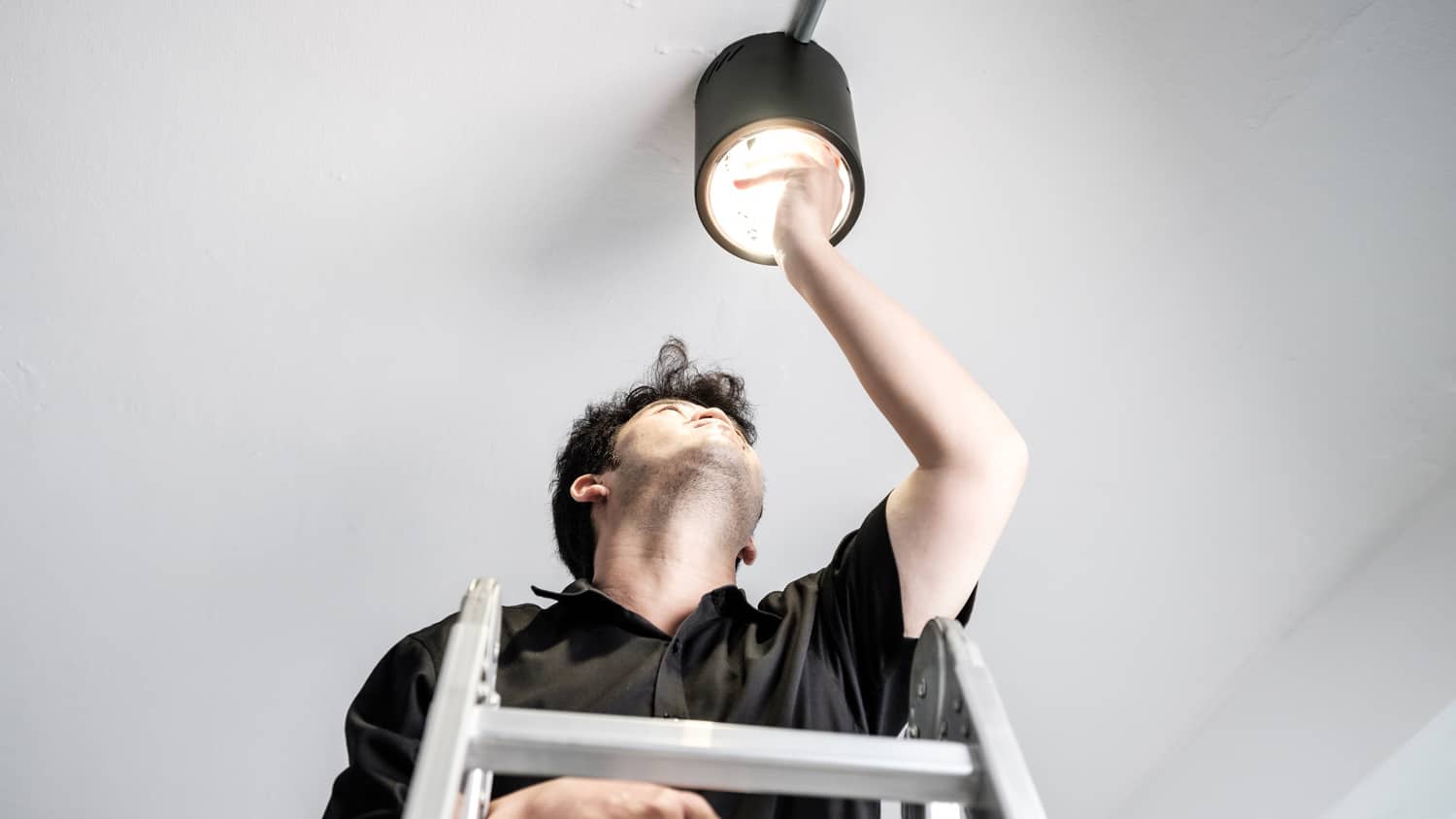
Whether you own or rent your home, you have to watch for potential electrical dangers. To help, check out our guide to eight electrical dangers to know.
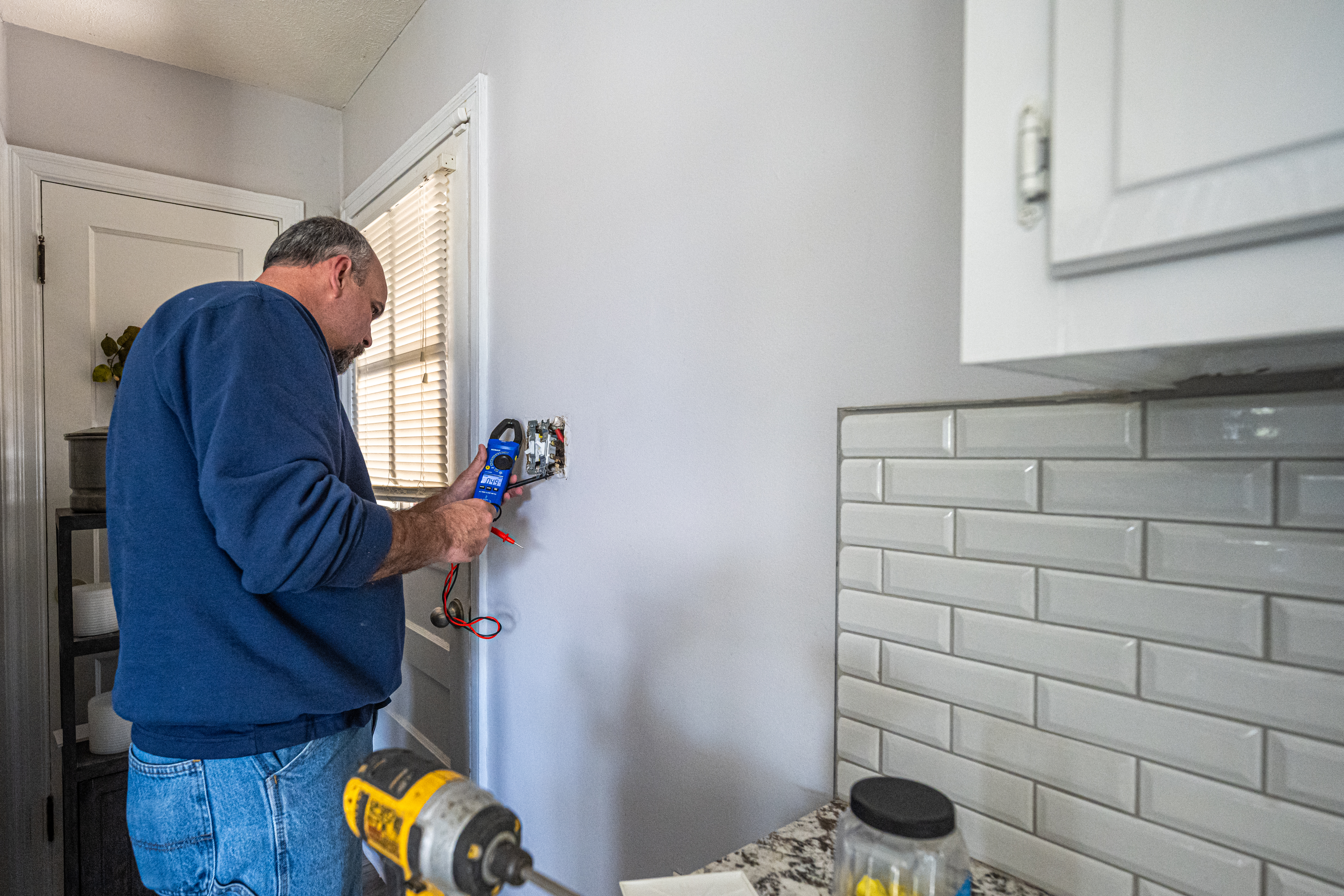
High electric bills or switches that don’t work properly are some of the most common electrical problems in a home. Learn about other electric issues you may have in your home, what causes them, and how to solve them before they become dangerous.
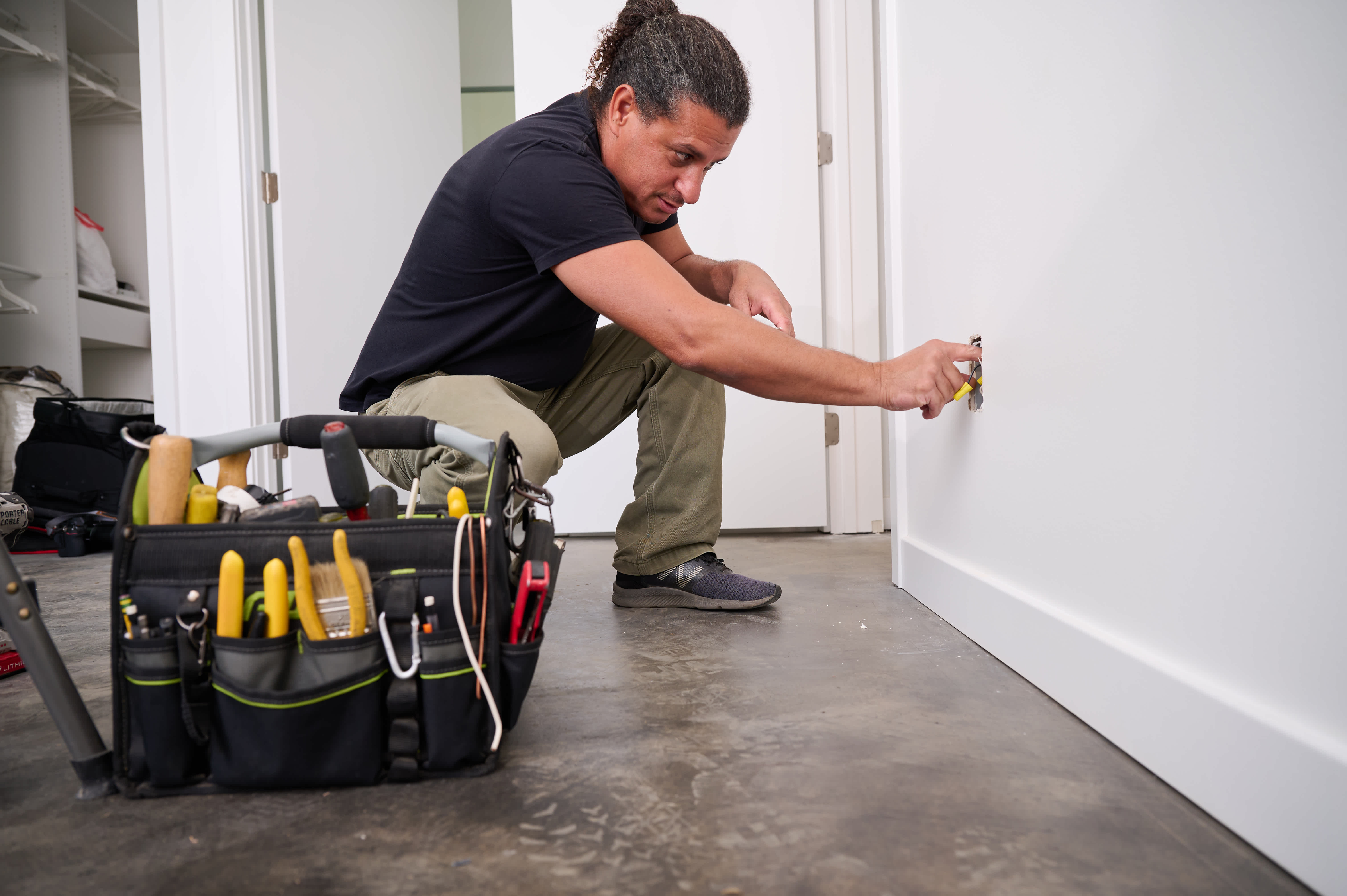
If your outlet stopped working and your breaker has not tripped, it could be due to several reasons. Learn how to fix an outlet with our guide.
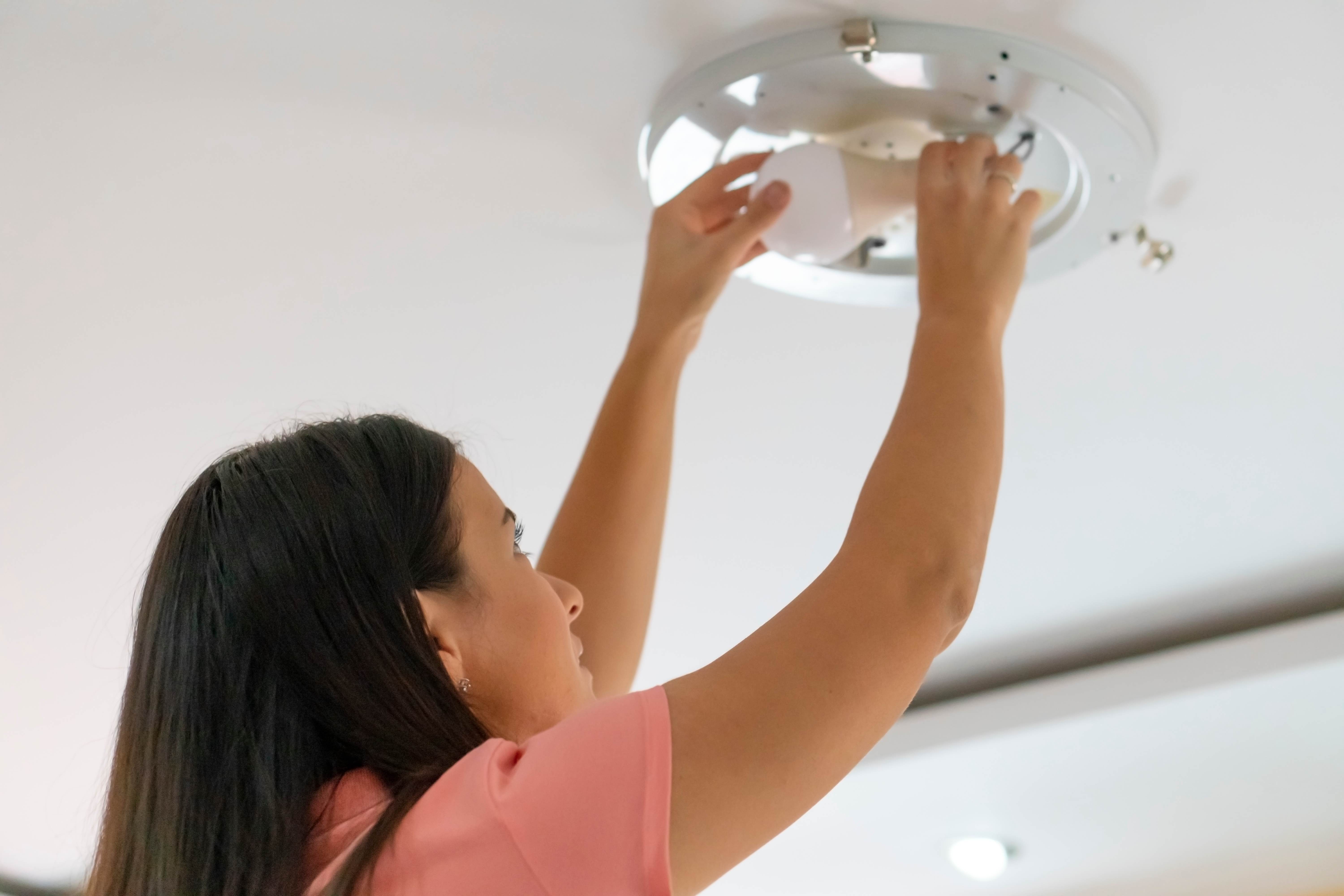
There are a few signs to look out for if you think you might be experiencing an issue with your electric system. Here are some common warning signs for electrical problems, plus what issues you can tackle yourself and when you should call a pro.