

Crawl space insulation costs vary by size, insulation type, and material. Read this guide to learn how much your crawl space insulation could cost.
Insulation service costs depend on your project and location. Check with a local pro for your specific job.

Professional insulation installation costs between $1,071 and $2,650 on average, with your materials and square footage determining your final total.
Your insulation location affects pricing since attics need more labor and access work than basements, garages, or open walls in your home.
Site prep can add $150 to $900 for drywall repair, old insulation removal, and debris disposal when you create your budget.
Hiring a local insulation company ensures your home gets the right R-value and protects you from exposure to hazardous materials.
In 2026, the national average cost of insulation installation is $1,860, based on 7,605 verified projects from Angi Pros. Most homeowners pay between $1,071 and $2,650, with the spread driven by insulation type, square footage, and project location. Site prep can add $150 to $900 to the cost for tasks such as removing old insulation, repairing drywall, and disposing of debris.
Insulation installation costs around $1,860 on average, though the price depends on your material choice and project scope. Several key factors shape where your project lands.
Your material choice is one of the most significant factors in the cost of your insulation installation, with prices ranging from $0.25 to $6.75 per square foot. Fiberglass tends to fall toward the lower end of that range, while wood fiber insulation sits at the upper end. Here is a breakdown of average insulation installation costs based on material:
| Material | Average Cost per Square Foot in 2026 |
|---|---|
| Cellulose | $0.60–$2.30 |
| Fiberglass | $0.30–$1.50 |
| Polystyrene | $0.25–$0.50 |
| Mineral Wool | $1.40–$4 |
| Wood fiber | $4.25–$6.75 |

Cellulose insulation costs between $0.60 and $2.30 per square foot. This material is almost exclusively used in loose-fill or blown-in insulation. Cellulose tends to cost more than batts and rolls because it requires specialized equipment and an experienced technician to install it. For this reason, it's a good idea to work with a professional for blown-in insulation.
Loose cellulose insulation provides an R-value of approximately 3.5 per inch. Since it's loose, it's ideal for use in unfinished areas, like between rafters in the attic.
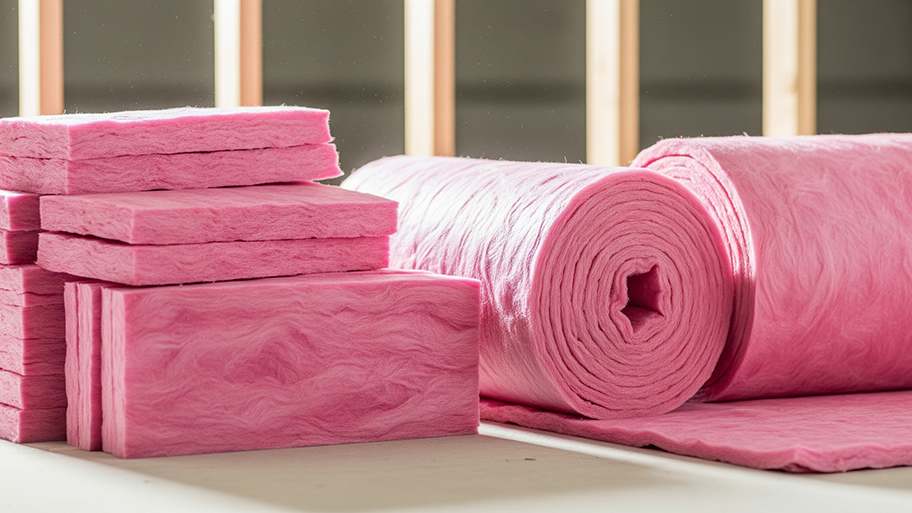
The cost of fiberglass batt insulation ranges from $0.30 to $1.50 per square foot, making it one of the most affordable options. In some instances, you can also use fiberglass for loose-fill insulation, which may fall at the higher end of this price range, at $1 to $1.50 per square foot.
Fiberglass batts and rolls have an R-value of around 2.5, but it varies by brand and thickness. It comes in pieces that fit perfectly between wall studs and floor joists, making it one of the easiest to install before a room is finished.
Polystyrene insulation costs between $0.25 and $0.50 per board foot. There are two types of polystyrene boards, which make a slight difference in the price of your materials:
Expanded Polystyrene (EPS): $0.25 to $0.35 per board foot, with a lower thermal resistance
Extruded Polystyrene (XPS): $0.40 to $0.50 per board foot, with a higher thermal resistance
With this type of insulation, you're looking at an R-value of between 3.2 and 3.8 per inch, in most cases. It's considered a good alternative to batts and rolls for wall and floor insulation.
Mineral wool insulation costs between $1.40 and $4 per square foot and contains approximately 70% natural rock and 30% recycled furnace slag. While mineral wool is better at insulating than fiberglass, it also comes with a higher price tag. Mineral wool also contains silica and requires professional handling to ensure safety.
With an R-value of around 3.4 and an easy installation process between wall studs, it's a better but more expensive option for insulating behind walls than fiberglass rolls.
Wood fiber insulation costs between $4.25 and $6.75 per square foot. The higher price accounts for the sheer weight of the material and high shipping costs. Wood fiber comes from waste wood, making it another sustainable insulation option for homeowners seeking responsibly sourced materials. Keep in mind, however, that you can only use wood fiber insulation on flat surfaces.
Wood fiber insulation comes in boards that provide an R-value of up to 3.8, making it a highly efficient insulation. It also dampens noise in your home exceptionally well.
Insulation installation costs can range from $40 for a 100-square-foot space to $4,000 or more for 2,000 square feet. Larger projects offer lower per-square-foot rates because fixed labor and setup costs are distributed over a wider area. To maximize energy efficiency, avoid partial coverage—gaps and uninsulated patches undermine thermal performance, leading to higher energy bills than a fully insulated space.
The table below shows average insulation installation costs across four common project sizes:
| Square Footage | Area Cost in 2026 |
|---|---|
| 100 | $40–$200 |
| 500 | $200–$1,000 |
| 1,000 | $400–$2,000 |
| 2,000 | $800–$4,000 |
Where you install insulation directly affects the price, with garages offering the lowest cost per square foot and attics commanding the highest. Here is a location-by-location breakdown of what you can expect to pay:
Insulating an attic: $1–$7 per square foot ($1,500–$6,000 per project)
Insulating a basement: $1.50–$2.50 per square foot ($1,400–$6,300 per project); bathroom areas within basements add $1–$5 per square foot
Insulating a garage: $0.50–$1.25 per square foot ($1,500–$8,000 per project); garage ceiling insulation runs $1–$3.89 per board foot inch; garage door insulation costs $200–$300
Roof insulation: $0.50–$1.50 per square foot ($1,500–$4,500 per project)
Wall insulation: $1–$4 per square foot
Ceiling insulation: $0.40–$2 per square foot ($500–$4,500 per project)
Site prep costs vary widely—you might spend nothing at all or up to $900 for the cost to repair drywall after installation. Spray foam requires the most preparation, while batt insulation typically needs very little. Site prep for your insulation project may include:
Protecting Surfaces: Covering windows, doors, floors, and valuables to shield against spray foam overspray
Inspecting Framing and Wiring: Verifying that electrical wiring is fully secured and wall framing is complete before application
Structural Repairs: Fixing existing damage in walls, attics, basements, or crawl spaces to ensure a sound installation surface
Mold Remediation: Conducting a mold test and hiring a mold removal company to remove contaminated materials prior to insulating
Debris Removal and Clean-Up: Budgeting for the haul-away and disposal of old insulation and construction debris
Most insulation installers charge between $40 and $80 per hour, and project complexity is the primary factor driving up labor costs. A few situations that can increase your labor bill include:
Your pro needs to install insulation in hard-to-reach areas
You have multiple installation sites in need of insulation
The installer needs to remove old insulation
Insulating a new construction home costs about $1 less per square foot than adding insulation to an existing home, since walls and ceilings are easier to access and there is no old insulation to work around. That said, new builds often use higher-performance materials for long-term efficiency, which can offset some of those savings.
A home insulation upgrade in an existing home runs $1 to $2 per square foot on average, not including disposal fees. Junk removal services add approximately $50 to $360 to your project, depending on the volume of debris.
There are several types of insulation available to homeowners, and the type you choose will directly impact your total project cost. Understanding the differences helps you match the right material to your budget and your home's specific needs.
Spray foam insulation costs average $1 to $2 per square foot, making it a mid-range option well suited for drywalled interior walls. Open-cell spray foam runs $0.44 to $0.65 per board foot, while closed-cell foam ranges from $1 to $1.50 per board foot. Closed-cell foam offers a higher R-value and greater moisture resistance, which justifies its higher price for many homeowners.
Blown-in insulation costs between $975 and $2,200 on average for professional installation, but a DIY approach can bring your total to $500 or less. Renting a blower costs under $100 a day, and bags of blown-in cellulose insulation cost about $15 each at a home improvement store. Getting the proper loft and placement right is genuinely difficult, so hiring a professional is the safer choice even if it costs more.
Fiberglass batt and roll insulation costs $1,000 to $2,400 for professional installation, with a per-square-foot rate of $0.30 to $1.50. For a 500-square-foot area, a DIY approach brings the cost down to roughly $150 to $700, making this one of the more accessible insulation projects for a handy homeowner.
Rigid foam board insulation costs between $0.25 and $2 per board foot for standard panels. Structural insulated panels (SIPs) are a premium alternative, costing $7 to $12 per square foot, making them among the most expensive insulation types available. Their high R-value of R8 makes them among the most effective insulators, which can justify the added expense for homeowners prioritizing long-term energy performance.
Radiant barrier insulation costs around $1,700 on average, or $0.10 to $0.95 per square foot, with professional installation adding $30 to $80 per hour. Unlike traditional insulation, radiant barriers reflect heat rather than absorbing it, making them a practical option for attic roof applications. Most homeowners pair radiant barriers with another type of insulation, which increases the overall project cost but improves overall thermal performance.
For most insulation projects, hiring a local insulation pro is the smarter choice over DIY, particularly when the material or location adds complexity. Blown-in insulation requires specialized equipment and technique that make professional installation a necessity. You should also bring in a pro when the area is difficult to access or when the job requires special safety equipment.
Hiring a pro who installs insulation will ensure the job is done right—here are some advantages to professional insulation installation:
A pro can assess your home and determine the right R-value and type of insulation that will work best.
Insulation professionals have the equipment and experience to install blown-in or spray foam insulation.
Pros can safely install roof or attic insulation, so you don’t need to risk an injury.
Professional installation takes the guesswork out of how much insulation you’ll need—an insulation pro will measure the area and calculate the appropriate amount.
A handy homeowner can install some types of insulation or tackle some prep or finishing work—some projects you can DIY include:
Installing fiberglass or foam board insulation
Removing and reinstalling drywall
Removing damaged or contaminated insulation (with proper protective gear)
Installing weather stripping and a vapor barrier
Consult with a pro to pick the right kind of insulation.
Let them know where you need insulation installed and a rough estimate of the area’s size.
Ask if they’ll need to remove drywall so you can budget properly and plan to install new drywall once the job is done.
There are ways you can cut costs when installing insulation in your home. Consider these money-saving tips when planning your insulation project.
If you have blown-in insulation, you can add new insulation over the old material without removing it. This will save on both labor and material costs.
Opt for expanded polystyrene (EPS) insulation, which is a low-price option that also has a good R-value.
Insulate your basement walls, which is the least costly insulation location.
Have a home energy assessment to learn where you should install insulation in your home to get the most energy savings.
Home is the most important place on earth, which is why Angi has helped more than 150 million homeowners transform their houses into homes they adore. To help homeowners with their next project, Angi provides readers with the most accurate cost data and upholds strict editorial standards. We’ve surveyed thousands of real Angi customers about their project costs to develop the pricing data you see, so you can make the best decisions for you and your home. We pair this data with research from reputable sources, including the U.S. Bureau of Labor Statistics, academic journals, market studies, and interviews with industry experts—all to ensure our prices reflect real-world projects.
Want to help us improve our cost data? Send us a recent project quote to [email protected]. Quotes and personal information will not be shared publicly.
If you’re good people wanting to do business with good people, hire Matt. He is a consummate professional and utterly competent. He installed a water heater in my home at a price that beat competitors by hundreds of dollars with a promise to support the unit for its life (even after its 6 yr...
 Greene's Plumbing Services
I would recommend this company to anyone! He showed up on time, was friendly, completed a very difficult repair on our dryer vent cover, was responsive, and pricing was extremely fair and competitive. I would have him back to do any of our repairs or cleanings without hesitation!
 U.S.A. Dryer Vent, LLC
Best cleaning I've had at my property
I conferred with 2 other contractors before Armstrong Electric. Nick and his crew showed me that the project was not as convoluted as the other contractors made it appear to be. They completed the entire project on time. They were professional, friendly and cleaned up after at completion. I...
 ARMSTRONG ELECTRIC, LLC
Our exterior looks brand new thanks to Custom Paint Jobs LLC. Theyre the best in town!
 Custom Paint Jobs, LLC
Excellent experience with hiring Tether House to Mount our 77’ Samsung TV in our bedroom. Fast, friendly, and knowledgeable. Highly recommend.
 Tether House
The techs on my project, Shawn and Cliff, were great. They were prompt, courteous, and efficient. I am very happy with the results and would definitely contact Mr. Electric for any future electrical projects.
 Mr. Electric of Columbus
We had our houses windows and back door replace this summer by Window Depot USA of Central. He gave us grate advise and saved my family lots money. The team did a fantastic job with installation. If you need help, they sure get job done right!
 Window Depot USA of Central Ohio
Beginning with the estimate, Larry and Peyton were super helpful in getting my new condo's interior re-painted. Not only was the job well done, but also done in a super timely manner as promised.
 Five Star Painting of Plain City and Powell
Great job...edging and pre clean up went well with a great job with seal coat. Friendly, efficient and professional.
 All Star Paving and Sealing
From average costs to expert advice, get all the answers you need to get your job done.
Crawl space insulation costs vary by size, insulation type, and material. Read this guide to learn how much your crawl space insulation could cost.
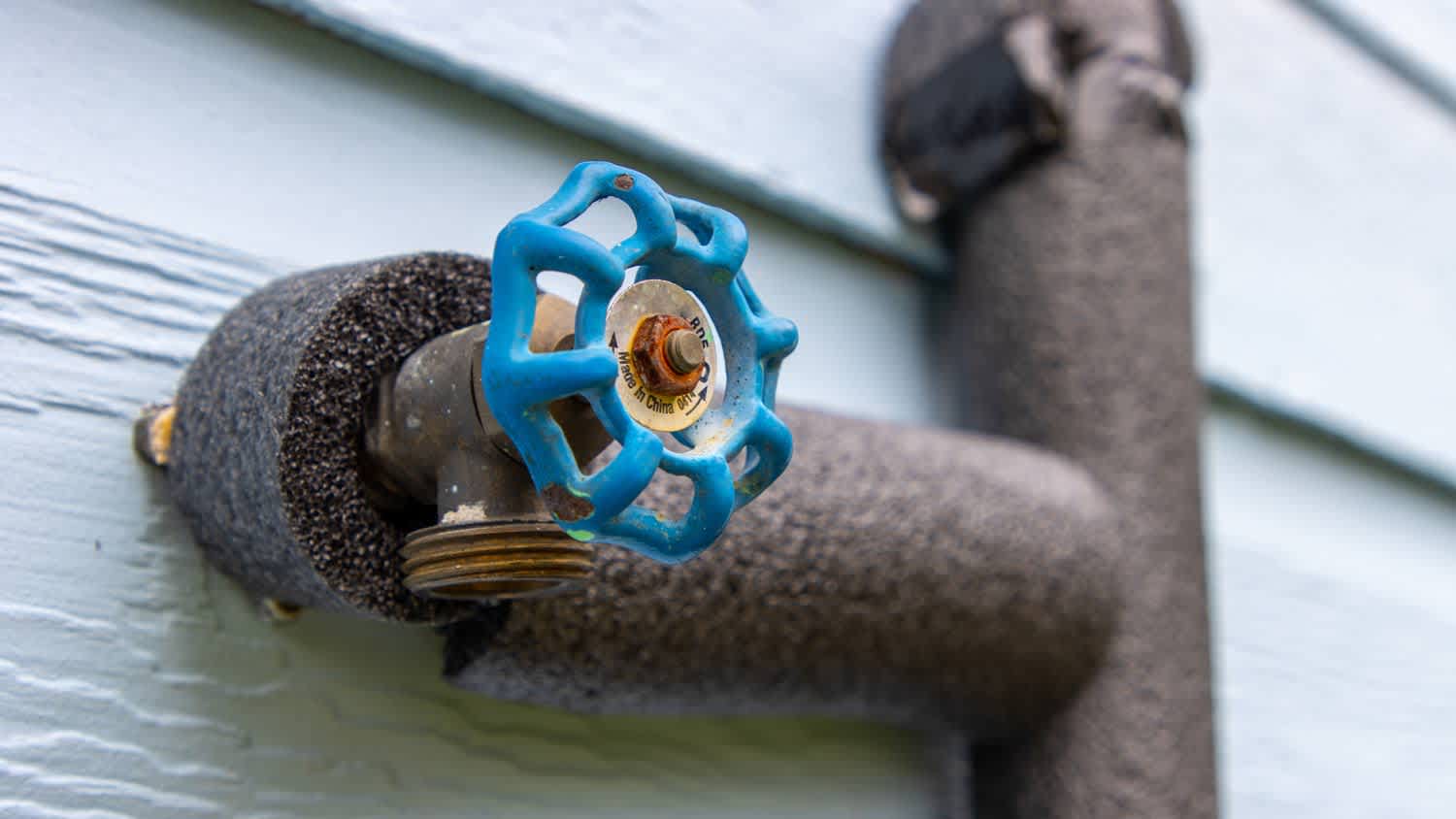
Find out the average pipe insulation cost, including material and labor prices, plus tips to save money on your project.
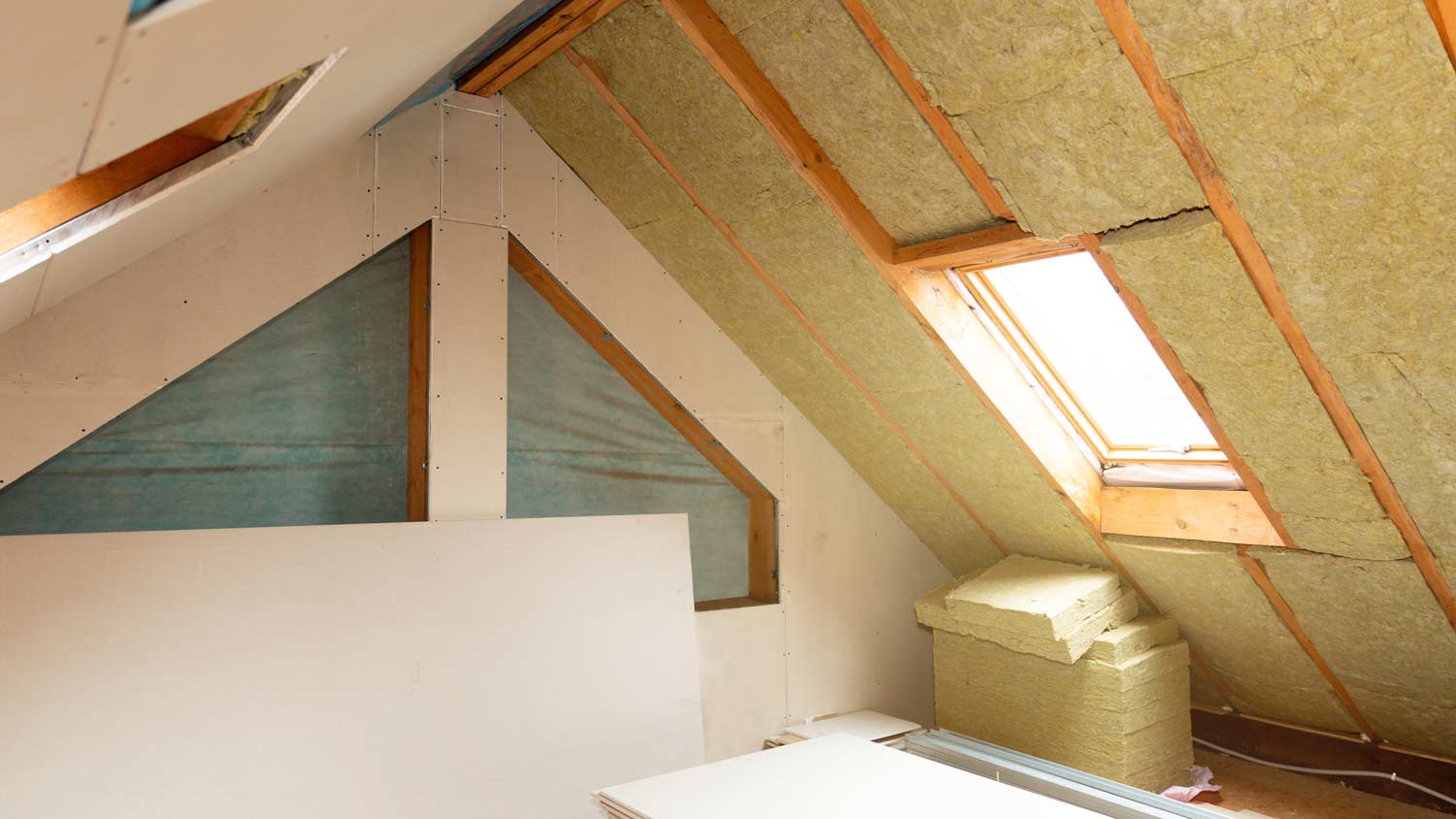
Your home's ceiling insulation cost will depend on several factors, including the project size, the type of insulation you use, and the R-value.

How much does insulation save on energy bills? It depends on where you live and the type of insulation you install.

Wondering how much insulation to buy? Use our calculator to determine how much insulation you need based on your home's square footage and R-value needs.

We’ll walk you through how to install spray foam insulation in your home—and when it makes sense to call in a pro.