

Trying to calculate how much spray foam insulation costs? Our in-depth guide breaks down pricing by type, amount, and where you install it.
Insulation service costs depend on your project and location. Check with a local pro for your specific job.


Injection foam insulation costs $4,300 to $8,500 for your project, based on your foam type and layout.
Your home’s square footage and your foam choice drive total price, and closed-cell resists moisture better.
You should account for the cost of wall repairs, moisture barriers, or soundproofing upgrades after your insulation installation is complete.
Hiring a local spray foam insulation professional ensures your wall cavities are sealed properly and helps reduce energy bills long-term.
This article was created using automation technology and thoroughly fact-checked and edited by an Angi Editor in accordance with our AI policy.
In 2026, the national average cost for injection foam insulation is $6,200, though most homeowners pay between $4,300 and $8,500 depending on foam type, home size, and installation complexity. On a per-square-foot basis, expect to pay $1.50 to $4.50, with labor rates and prep work also factoring into your total.
Several factors shape the total cost of injection foam insulation, from the type of foam you choose to the size of your project, materials, labor, and prep work involved. Understanding how each variable contributes helps you plan a realistic budget before work begins.

The three main types of injection foam insulation are open-cell, closed-cell, and proprietary blends like RetroFoam, and the type you choose is one of the biggest drivers of your per-square-foot cost. Costs vary by foam type and application, as shown in the breakdown below.
| Foam Type | Cost per Sq. Ft. in 2026 | Application |
|---|---|---|
| Open-cell | $1.50–$2.75 | Interior walls, mild climates |
| Closed-cell | $2.50–$4.50 | Exterior walls, high moisture |
| Proprietary | $2.25–$4.00 | Retrofits, high-efficiency upgrades |
The total square footage you need to insulate is a primary driver of your overall injection foam insulation cost, and the relationship between project size and price is not always linear. Smaller projects like a single room cost less in total but often carry a higher per-square-foot rate because of contractor minimum fees, while larger whole-home projects benefit from volume pricing even though the total bill is higher. Attics and exterior walls are the most common targets for injection foam. Costs vary significantly by project size, as the breakdown below shows.
| Area (Sq. Ft.) | Average Total Cost in 2026 |
|---|---|
| 500 | $1,500–$3,250 |
| 1,000 | $2,750–$7,500 |
| 2,000 | $5,500–$15,000 |
| 3,000 | $8,250–$22,500 |
Material costs for injection foam insulation cover the foam resin itself, additives for fire resistance or moisture control, and the delivery system including hoses and pumps. Higher-end products within each category may also carry better warranties, which can influence the brand you choose. Costs vary by material type, as shown below.
| Material Type | Material Cost per Lb. in 2026 |
|---|---|
| Open-cell foam | $0.60–$1.00 |
| Closed-cell foam | $1.20–$2.00 |
| Proprietary blend | $1.50–$2.50 |
Professional installation is strongly recommended for injection foam insulation, with labor typically running $50 to $100 per hour depending on your location and the contractor's experience. Labor represents a significant share of your total project cost, and factors like multi-story homes, tight spaces, or the need to remove old insulation can extend the time on-site. Tasks such as wall prep, cleanup, and final inspection are generally included in the labor fee.
Preparation costs cover moving furniture, clearing wall access, and protecting floors and surfaces before work begins. If old insulation needs to be removed, expect to pay additional disposal fees, and some homes may require minor wall repairs or modifications before injection can start. Contractors often charge separately for initial inspections or energy assessments, which help determine the best approach for your specific home.
Tipping insulation contractors is not a standard industry practice, but it is a welcome gesture for exceptional work. If you choose to tip, $20 to $50 per worker is a reasonable amount for larger jobs. Offering refreshments or leaving a positive online review is another meaningful way to show appreciation.

Once your injection foam insulation is installed, budgeting for long-term maintenance and related ongoing expenses helps protect your investment and keep your home running efficiently.
Routine inspections are the most important maintenance step for injection foam insulation, helping you catch early signs of settling or degradation before they affect performance. If issues are found, touch-up services may be needed, and staying proactive with upkeep helps maximize the lifespan of your insulation.
Injection foam insulation can meaningfully reduce your heating and cooling bills, with many homeowners seeing annual energy savings of 10% to 30% depending on their climate and home size. Monitoring your utility bills regularly and keeping your HVAC system well-maintained helps you track those savings over time.
Occasional repairs may be necessary if foam is damaged, moisture problems develop, or certain areas need re-injection over time. Many foam products include warranties that cover specific repairs, so reviewing your coverage before scheduling any service is a smart first step.
Upgrading to injection foam insulation can affect your homeowners insurance premium, and some insurers offer discounts for improved energy efficiency or fire resistance. Before finalizing your project, confirm with your insurer what coverage applies to any damage related to insulation failure or improper installation.
You can save on injection foam insulation cost by tackling the project yourself, but there are important trade-offs. DIYers need to purchase materials, rent equipment, and invest in safety gear. While you avoid labor charges, DIY installation risks improper sealing, voided warranties, and possible property damage. The project can take several days for an inexperienced installer, compared to one to two days for a professional crew.
Professionals bring expertise and ensure a safe, thorough installation. Mistakes with foam can be costly—poor insulation can lead to moisture problems, energy loss, or expensive repairs down the line. For most homeowners, hiring a pro offers peace of mind and long-term value.
Here is how injection foam insulation cost compares between DIY and professional installation per 1,000 square feet:
| Installation Type | Cost per 1,000 Sq. Ft. in 2026 | Pros | Cons |
|---|---|---|---|
| DIY | $1,800–$2,500 | Lower upfront cost | Risk of improper install, no warranty |
| Professional | $2,000–$3,000 | Quality, warranty, efficiency | Higher upfront cost |
Several optional upgrades can add to your injection foam insulation budget beyond the base installation cost. Soundproofing costs $10 to $30 per square foot, and installing a moisture barrier in basements or humid climates adds to that total, as do fire-retardant additives depending on project size. After installation, wall repairs or repainting cost $200 to $2,000, and upgrading to a higher R-value foam can increase material costs by 10% to 20%. Homeowners pursuing comprehensive energy upgrades sometimes combine injection foam with other insulation types, such as spray foam or batt insulation, at an additional $0.30 to $6.75 per square foot.
Let’s look at a few ways to keep your injection foam insulation cost manageable:
Get multiple quotes from licensed insulation contractors to compare pricing and services.
Schedule installation during off-peak seasons, when demand is lower and discounts may be available.
Prepare the site yourself by moving furniture and clearing wall access to reduce labor hours.
Bundle insulation with other home improvement projects to take advantage of package deals.
Choose the right foam type for your climate and budget to avoid paying for unnecessary features.
Maintain your insulation with regular inspections to prevent costly repairs in the future.
Home is the most important place on earth, which is why Angi has helped more than 150 million homeowners transform their houses into homes they adore. To help homeowners with their next project, Angi provides readers with the most accurate cost data and upholds strict editorial standards. We extensively research project costs to develop the pricing data you see, so you can make the best decisions for you and your home. We rely on reputable sources, including the U.S. Bureau of Labor Statistics, academic journals, market studies, and interviews with industry experts—all to ensure our prices reflect real-world projects.
Want to help us improve our cost data? Send us a recent project quote to [email protected]. Quotes and personal information will not be shared publicly.
If you’re good people wanting to do business with good people, hire Matt. He is a consummate professional and utterly competent. He installed a water heater in my home at a price that beat competitors by hundreds of dollars with a promise to support the unit for its life (even after its 6 yr...
 Greene's Plumbing Services
I would recommend this company to anyone! He showed up on time, was friendly, completed a very difficult repair on our dryer vent cover, was responsive, and pricing was extremely fair and competitive. I would have him back to do any of our repairs or cleanings without hesitation!
 U.S.A. Dryer Vent, LLC
Best cleaning I've had at my property
I conferred with 2 other contractors before Armstrong Electric. Nick and his crew showed me that the project was not as convoluted as the other contractors made it appear to be. They completed the entire project on time. They were professional, friendly and cleaned up after at completion. I...
 ARMSTRONG ELECTRIC, LLC
Our exterior looks brand new thanks to Custom Paint Jobs LLC. Theyre the best in town!
 Custom Paint Jobs, LLC
Excellent experience with hiring Tether House to Mount our 77’ Samsung TV in our bedroom. Fast, friendly, and knowledgeable. Highly recommend.
 Tether House
The techs on my project, Shawn and Cliff, were great. They were prompt, courteous, and efficient. I am very happy with the results and would definitely contact Mr. Electric for any future electrical projects.
 Mr. Electric of Columbus
We had our houses windows and back door replace this summer by Window Depot USA of Central. He gave us grate advise and saved my family lots money. The team did a fantastic job with installation. If you need help, they sure get job done right!
 Window Depot USA of Central Ohio
Beginning with the estimate, Larry and Peyton were super helpful in getting my new condo's interior re-painted. Not only was the job well done, but also done in a super timely manner as promised.
 Five Star Painting of Plain City and Powell
Great job...edging and pre clean up went well with a great job with seal coat. Friendly, efficient and professional.
 All Star Paving and Sealing
From average costs to expert advice, get all the answers you need to get your job done.
Trying to calculate how much spray foam insulation costs? Our in-depth guide breaks down pricing by type, amount, and where you install it.
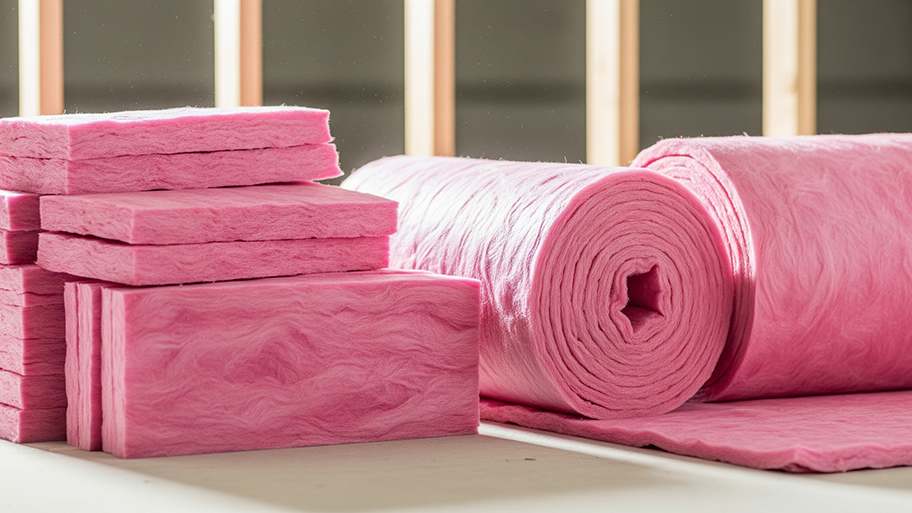
Crawl space insulation costs vary by size, insulation type, and material. Read this guide to learn how much your crawl space insulation could cost.
How much does it cost to insulate a garage? Discover insulation options, prices, and expected and unexpected circumstances that affect the project cost.

We’ll walk you through how to install spray foam insulation in your home—and when it makes sense to call in a pro.
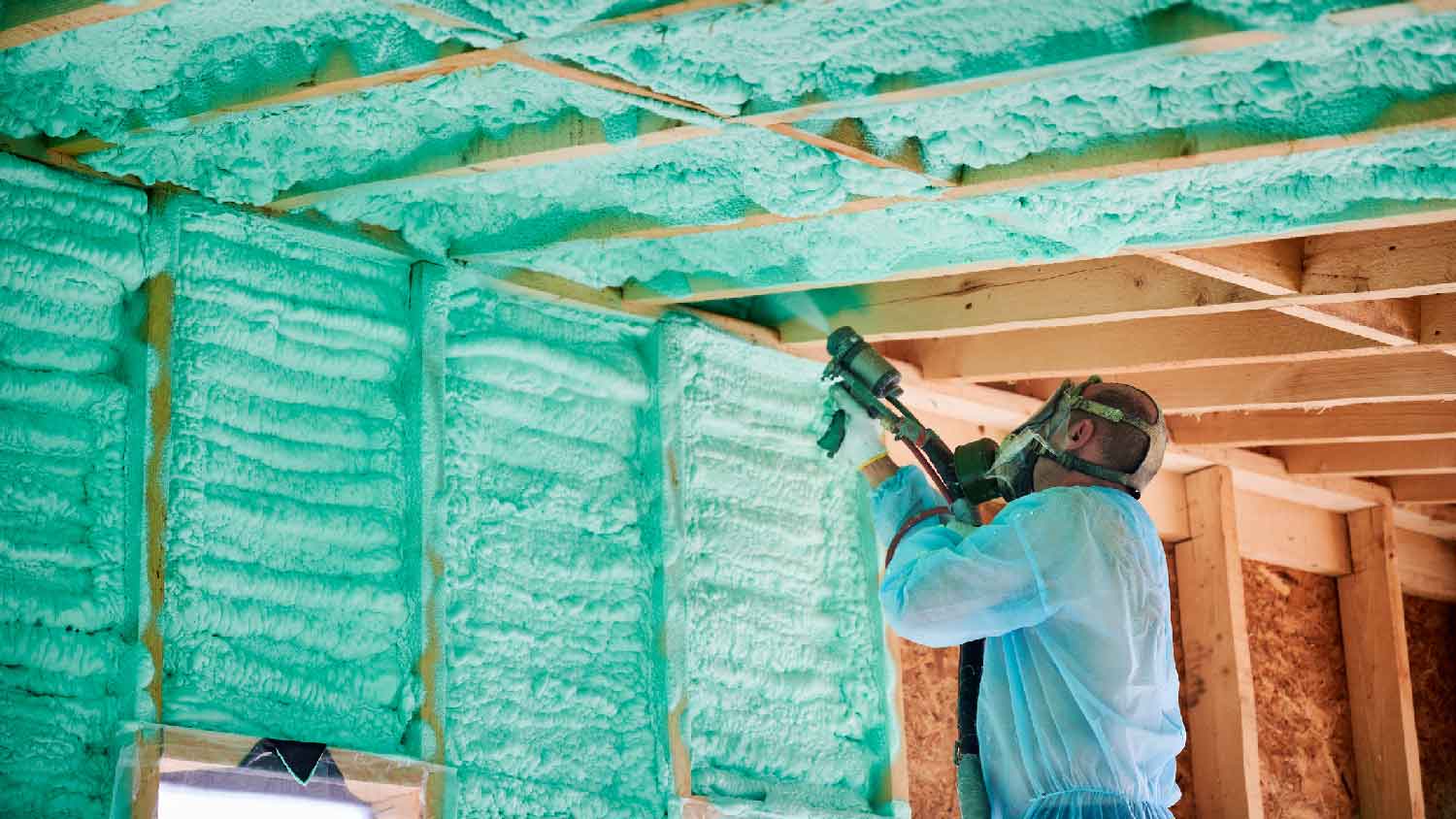
Weigh the pros and cons of spray foam insulation before choosing an insulation to keep your home comfortable.

Spray foam insulation versus fiberglass—how do you choose? Compare the cost, durability, R-value, and more to pick the right one.