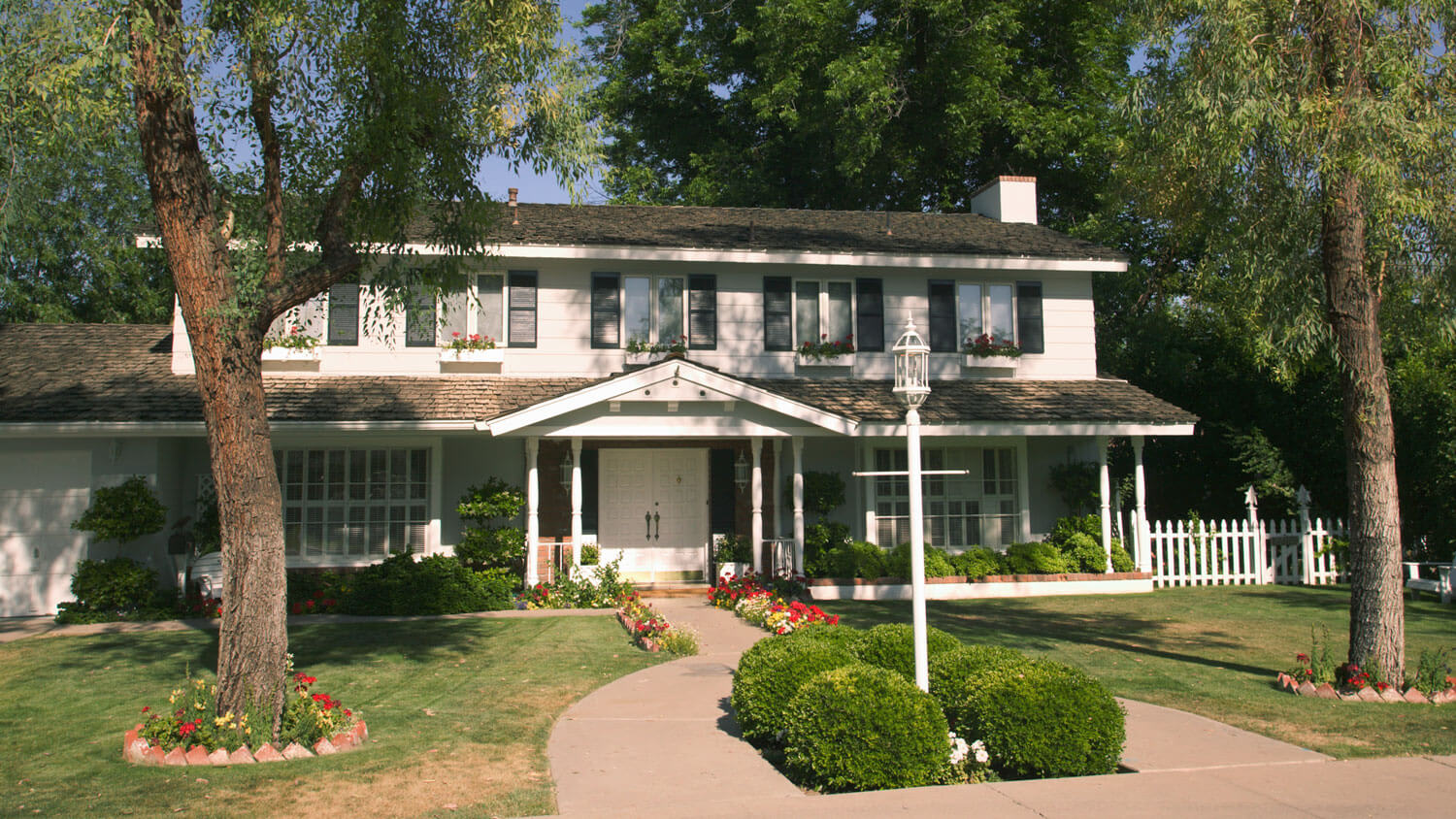
Has your area been affected by flooding? Use this water damage restoration checklist to help save your home and protect your belongings.
Give liquefaction the boot and rest on sturdy ground

Avoiding liquefaction starts with researching your property's soil type, as sandy, silt-laden, or gravel-based soils with poor drainage increase your risk significantly.
Your foundation design plays a key role in minimizing damage, and reinforced beams, shallow foundation systems, or sturdy foundation mats help protect your home.
Geotextile fabrics reduce shifting and moisture while keeping loose sediment at bay, making them a practical solution for liquefaction-prone areas around your property.
Hiring a local soil testing professional provides clear answers about your land's risk level through thorough inspections, helping you plan foundation improvements or soil treatments confidently.
Liquefaction. Just hearing the word causes homeowners to keep their local foundation repair specialist on speed dial. Simply put, liquefaction happens when loose sediment and water mix together and start undermining your ground soil. Over time, this process leads to weak soil and, eventually, severe property damage. So, what causes liquefaction, and how do you keep your property safe? Keep reading to find out.
Liquefaction happens when water and sediment invade tightly compacted soil, loosening it, and—in some cases—turning it into a slurry resembling quicksand. Earthquakes are a primary force behind liquefaction, as even minor quakes change the complexity of your soil and cause it to act as a liquid. However, vibrations of all types force this issue, including construction-related activities like blasting and soil compaction.
Liquefaction essentially turns perfectly good soil into a liquid. This causes all kinds of structural damage, as water-saturated soil no longer bears the weight of your foundation and your home. At first, liquefaction leads to small yet persistent issues, like creaking noises between walls due to beams shifting, outdoor and basement concrete cracks, and sinking and shifting paver stones. You’ll repair and prevent unsightly concrete cracks, but, over time, liquefaction leads to even more serious issues, such as total foundational disrepair.

The steps to diagnose, prevent, and treat liquefaction vary according to the severity of the problem. The best defense here is a good offense, so here are some tips to prevent the issue.
According to the U.S. Geological Survey, liquefaction in most cases is tied to certain parts of the country. Two primary factors cause the lion’s share of liquefaction issues: earthquake proximity and the prevalence of sandy, silt-laden, gravel-based soils with poor drainage.
In other words, simply living in California or another earthquake-prone state doesn’t guarantee liquefaction, as you need the right soil conditions for that to happen. Avoid the issue by doing some extra homework before purchasing or building a property. Check with local soil testers to ensure any prospective land doesn’t feature the type of soil conducive to these worsening conditions.
If you’ve already started seeing the after-effects of liquefaction or purchased a property in an impacted area, address the problem by beefing up your foundation to minimize risk. Some foundational design types decrease long-term damage from all but the most severe instances of liquefaction. Homebuilders tie components of shallow foundations together so the entire structure moves with liquefaction at once. Also, they lay down a sturdy foundation mat directly below your structure to help transfer weight loads from liquefied soil to healthier ground.
Some top-rated foundation contractors near you use high-grade reinforcing beams to prevent liquefaction damage, while others use a combination of all the above techniques. Of course, all these techniques require significant time, materials, and labor.
A simpler option? Use geotextiles, a blanket term for absorbent fabric materials used in liquefaction-heavy areas. Have you ever seen driveway fabric? That’s a geotextile. These materials are great for minimizing damage from liquified soil, as they reduce shifting, keep away unwanted moisture, and prevent the types of loose sediment contributing to liquefaction in the first place. Geotextiles are also often used on roads built over poorly graded soils, allowing for steeper embankments. Talk to a local paving company to discuss any available geotextile options.
There are many ways to better improve your soil to withstand the long-term effects of liquefaction, though most of these processes are best undertaken before building a structure.
Vibroflotation features a vibrating probe to penetrate granular soil, thus collapsing and strengthening it. Dynamic compaction features heavy steel or concrete weights to compact the soil. Other methods include installing reinforced gravel columns or pills and various drainage techniques. Discuss options with a subsurface contractor or ground improvement specialist to find the right process for your property.
Of course, prevention is the best medicine here. Diagnose liquefaction as early as possible by hiring a local foundation repair pro to give your land a thorough inspection. When conducting a foundation inspection, ensure you receive a detailed report, asking for a sample report ahead of time to suss out the level of detail. Be present during the inspection to point out any noticeable issues, and be unafraid to ask questions, particularly those regarding local conditions, local guidelines, and industry standards. Every property is different.
Custom Paint Jobs LLC made our home feel like a piece of art. Thank you for your creativity!
 Custom Paint Jobs, LLC
Window Depot did an amazing job on my deck. I wasnt sure what I wanted to do, but their composite decking was affordable and will last a long time. I am excited to have family over, and I am no longer embarrassed by my backyard. Jeff and the ground crew were polite, respectful, and caring for...
 Window Depot USA of Central Ohio
First of all, the gentleman I dealt with (Cam?) was very responsive to my many questions and concerns throughout the project, which is a huge plus to me. From the first time I met him for the estimate all the way til the completion of the job, he and his crew were professional and respectful....
 All Star Paving and Sealing
We had a 20+ year old landscape lighting system that needed replacement. Midwest Lightscapes worked with us to design a much improved lighting system, lighting the exterior of the house and the back yard. Installation of the 45 light system took one and one-half days, and went very smoothly....
 Midwest Lightscapes
Another great success for me on home advisor. This company did an awesome job on my landscaping and stayed within my budget. The best part, the work was complete within 2 days of my initial request. Professional and responsive. I highly recommend!
 Blue Ring Residential Services, LLC
The company no showed on me twice. The 2nd time was no call no show. They were responsive to set up the first appointment to perform the "landscape cleanup". 3 hours after their initial scheduled appointment time they called me to let me know they had some "problem" with the truck and their...
 Ruby Home and Hauling Services
Received ideas for future landscape plans...quote to do the work seemed a bit high but I did not have any other quotes to compare it to, so perhaps that is the going rates. <br />
 Landscapes By Terra, Inc
All around they have done a really great job. <br /> I have used JL Landscapes for the past 8 years. I own and operate my own commercial/residential real estate company where we own, operate, and maintain our own properties. JL Landscapes has been our exclusive landscaper for both our...
 J.L. Landscapes
Bought a half a cord of firewood from Pitzer with stacking last month. I waited to report so I could see how the wood burned. <br /> <br /> I have three pet peeves regarding landscapers, but Pitzer scored "A"s regarding all three. First, rather than having customers "leave a message" and...
 Pitzer Landscaping
I left a message on Sunday requesting to schedule a time to obtain an estimate/walk-through and received a return call in the morning of the following Monday. Mark worked with me and agreed to schedule the estimate/walk-through for the following Saturday. When Mark arrived for the...
From average costs to expert advice, get all the answers you need to get your job done.
Has your area been affected by flooding? Use this water damage restoration checklist to help save your home and protect your belongings.

Water damage can lead to costly, inconvenient repairs, health risks, and more. Preventing water damage can be simple with these nine prevention tips.
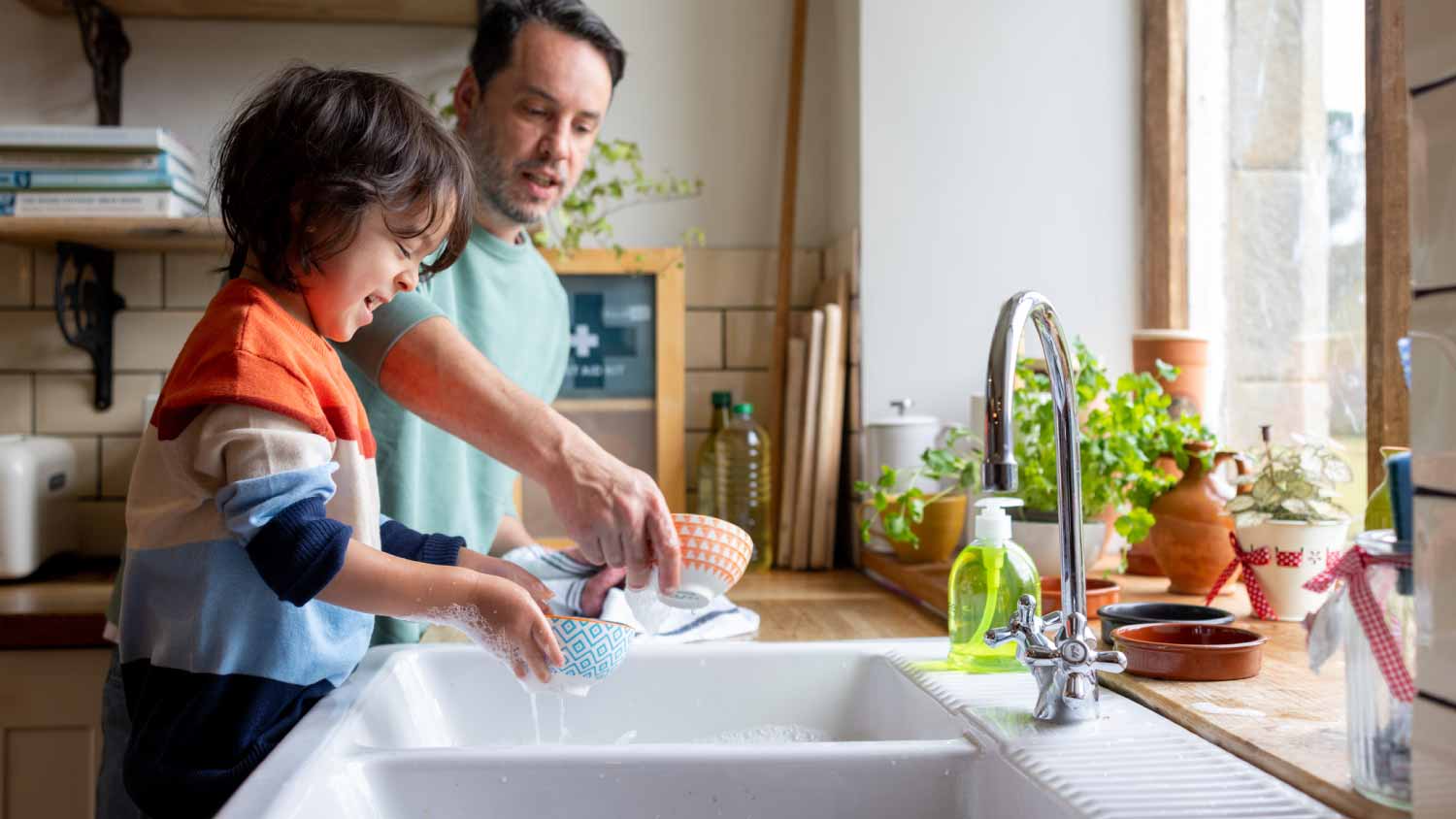
Protect your home from water damage with these 10 top tips. Prevent mold, mildew, and other problems that stem from water leaks and plumbing problems.
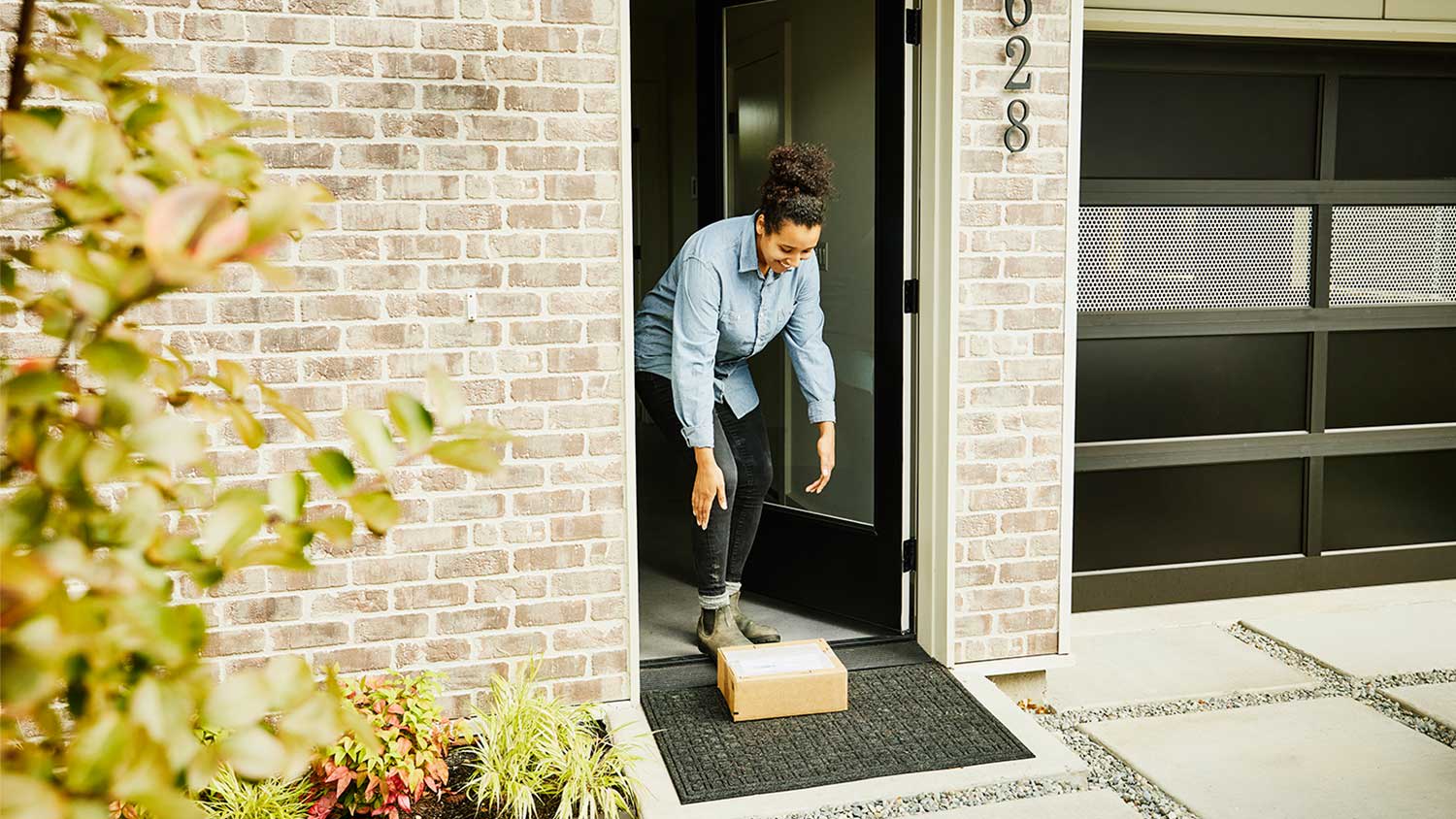
Being proactive can help prevent package theft. Protect your home and your package delivery. Find out ways to prevent your packages from being stolen.

Even when property values are soaring, your home’s appraised value might not reflect it. Here are factors that could hurt your home’s appraisal.

When a burst pipe or flash flood happens, it’s critical to act fast. Learn about water damage cleanup and how to mitigate water damage in your home.