
Do you need impact windows to protect your home in the event of a hurricane? Find out how much impact windows cost, including the windows themselves and the labor to install them.
Clear up the confusion and choose the best tool for your project with this comparison guide to impact drivers and drills

Impact drivers compared with drills offer more torque through their hammering mechanism, letting you drive long screws and large fasteners into tough materials like concrete or knotty wood.
Drills are more versatile for your home projects because adjustable speed and torque settings let you drill holes, drive screws, and work with delicate materials like ceramic tile.
Impact drivers cost more than standard drills and require specialty impact-rated bits, so renting one for occasional heavy-duty projects can save you money while keeping a quality drill at home.
Hiring a local handyman service professional provides reliable support for tool selection and project planning, helping you tackle everything from basic repairs to complex installations with confidence.
A drill is one of the most common power tools on any handyperson’s toolbelt. However, impact drivers have become increasingly popular lately, too. As a result, you may be wondering which tool is best for your DIY projects.
In this guide, we’ll break down the differences between a drill and an impact driver. We’ll also discuss the best usages for both to help you make a fully informed purchasing decision.

An impact driver is essentially a cross between a power drill and a hammer drill. Like power drills, impact drivers work by rotating driver bits secured in a chuck (aka, the adjustable device on the front of your tool). The difference between an impact driver and a drill becomes more apparent when taking on tough home improvement projects.
When drills encounter resistance while rotating, they often lose speed. This isn’t the case with impact drivers. Like hammer drills, impact drivers feature an internal mechanism that uses a hammering action to increase torque, or rotational force.
Impact drivers maintain a steady speed until they encounter resistance. At that point, the drill may slow as the hammering mechanism strikes the chuck, providing short, rapid bursts of power. The force allows your impact driver to drill longer screws and large fasteners into hard materials like concrete, knotty wood, or brick. You can typically reverse your impact driver to loosen buried fasteners, too.
Despite the extra power, impact drivers aren’t suitable for every home improvement project. That’s because they offer less precision than a drill. They may also be too powerful for hard, brittle surfaces like bricks or natural stone.
Quickly tightens or loosens fasteners, bolts, and screws
Often easier on your arms and wrists
Typically smaller and lighter than a drill
Usually cordless
Powerful enough to cut through heavy-duty materials like wall studs, concrete, or metal
Little to no precision
No variable speed settings
Not suitable for drilling holes
Typically more expensive than a drill
Requires specialty impact-rated drill bits

A standard drill is a common type of power tool. Most modern power drills feature a keyless chuck that holds the drill bits in place, though some models may still have a drill chuck key.
When you use a drill, the chuck rotates while holding the drill bit. Unlike an impact driver, most drills have adjustable speed and torque settings that allow you to customize your drill to each project.
In fact, drills are well-suited for almost every DIY home project. They’re commonly used for drilling holes and driving screws, fasteners, and anchors into masonry, wood, drywall, and other soft materials. However, drills don’t usually have as much torque as impact drivers. As a result, they tend to slow or even stop when they run into resistance.
Many people attempt to increase rotational power by pushing the drill forward manually or pressing the trigger quickly to create short, powerful bursts. These tactics may work for some projects, but others require the steady torque of an impact driver.
More versatile than an impact driver
Can drill holes, drive screws, and reverse to remove small fasteners
Less expensive than an impact driver
Better suited for drilling into soft or brittle materials
Typically doesn’t require specialty bits or drivers
Harder on the wrists and arms
Less torque than an impact driver
Poorly suited to longer screws or fasteners
Usually heavier than an impact driver
Still not sure if an impact driver or cordless drill driver is right for your next home improvement project? Read on for a side-by-side comparison of impact drivers and drills.
Generally speaking, impact drivers are more expensive than standard drills. They also require specialty drill bits, which may cost you more in the long run. However, the price could be worth it if you plan to take on heavy-duty home improvement projects regularly.
If you’re more of a casual DIYer, you may consider renting an impact driver as needed and purchasing a high-quality drill to keep around the house.
Most cost-effective: Drills
Both drills and impact drivers require some maintenance. For instance, you’ll need to clean the tools after use, sharpen the bits, and lubricate the rotating mechanisms periodically to prevent overheating and corrosion. If you have a cordless drill driver or impact driver, you’ll need to charge the batteries regularly, too.
With that said, high-quality impact drivers and drills can last for years with regular use, as long as you take some time for a little TLC.
Easiest to maintain: Tied; drills and impact drivers are equally easy to maintain
Impact drivers and drills may seem similar, but one is rarely a substitute for the other. With that in mind, experienced DIYers may decide to add both to their tool belts.
If you’re choosing between one tool or the other, consider your needs. Drills tend to be more versatile, with many models featuring adjustable speed and torque settings. As a result, you can perform basic tasks like drilling holes or removing screws. You can also use the tool to drill into marble, ceramic tile, or other delicate materials.
On the other hand, impact drivers are slightly more limited when it comes to functionality. That said, impact drivers are incredibly useful for big projects like framing walls, driving screws through metal, or installing fasteners into dense wood.
Most versatile: Drills
As mentioned before, impact drivers offer substantially more torque than power drills. The tool’s combination of rotational force and powerful hammering delivers up to three times more torque than a standard drill driver, making it a clear winner when it comes to power.
Most torque: Impact drivers
Believe it or not, a standard drill is actually faster than an impact driver in most head-to-head comparisons. That’s because standard drill motors apply a constant force to the drill bit, resulting in an even rotation without any pulsing or pausing.
Impact drivers may have more force, but the hammering action can result in a slightly slower pace. However, a power drill will slow down or even stop if it encounters enough resistance. In that case, an impact driver may be faster.
Fastest: Drills
Both brushed and brushless motors convert electricity into rotational force. However, brushed motors are mechanically powered. As a result, they’re often less expensive, more reliable, and simpler to use—though they may overheat with ongoing use.
Electronically powered brushless motors are often more expensive. Even so, they require less maintenance, are more precise, and tend to have a longer lifespan.
Corded impact drivers and drills usually have more power than cordless models. Corded varieties can also run longer than cordless tools since their batteries don’t need recharging.
With that said, you’ll probably only notice reduced power levels if you’re drilling into heavy-duty materials for long periods of time. A cordless drill or impact driver will usually provide all the power you need to take on home improvement projects.
Impact drivers look like a drill, so they must work like one, right? Not so fast. Impact drivers weren’t designed to drill holes. Instead, the tools have one main function: driving and drilling fasteners into tough materials.
Most impact drivers require specialty driver bits. Some of your standard drill bits may fit into the impact driver chuck. However, they’re not built to withstand the torque of an impact driver and may break under pressure.
As a general rule of thumb, you should only use an impact driver to drill long screws and large fasteners into hard materials. You shouldn’t use an impact driver if:
You’re working with short screws or small fasteners
You need to drill holes
You’re driving fasteners into soft materials
Your project calls for precise hole size or placement
You need to use drill attachments like cleaning brushes, mixers, or sanders
Positive experience. As previously stated, the replacement/repair could not be completed (no fault of the plumbing tech) b/c misinformation was rec?d by property management maintenance. Thanks to the plumbing tech for your efforts. Appreciate you!
 The Waterworks
Carpet repair done well. Scheduling was easy. Showed up on time.
 BR Flooring Installation
As usual with ECO, tech Jordan was outstanding, very professional, very knowledgeable, and very thorough with repairs made to tankless water heaters. Very highly recommend ECO!!!
 Eco Plumbers, Electricians, and HVAC Technicians
I would recommend this company to anyone! He showed up on time, was friendly, completed a very difficult repair on our dryer vent cover, was responsive, and pricing was extremely fair and competitive. I would have him back to do any of our repairs or cleanings without hesitation!
 U.S.A. Dryer Vent, LLC
Everything from initial contact to completion was absolutely top notch. We contacted the business during off hours to leave a message, and the owner still reached out to feel out the issue within minutes. We were scheduled and repaired within 48 hours. I cannot say enough about the...
 Supreme brick & chimney
Ace Fireplace Services came to the rescue for my chimney repair. They were quick to pinpoint the issue and worked their magic to fix it. My chimney is now in excellent shape, and I'm a satisfied customer.
 Ace Fireplace Services
On Sunday 2/26 I requested quotes via Angi from 4 refrigerator repair businesses. Northwest Appliance responded to me Monday morning (2/27) and my refrigerator was repaired by noon the same day. Great communication, they did everything they said they would. The technician had the parts on...
Excellent! We were very satisfied with the service provided and the entire experience from start to finish. Very friendly and professional staff. I was able to instantly get in contact with them for a quote and the response time and overall communication remained quick and easy throughout the...
 Prime Cleaning Service
Description says they handle window repair including rotten hardwood - they called me back right away but didnâ t leave a voicemail. I followed up 3 days later and they said they donâ t do that kind of work.
 Window-Gurus
I needed reliable, affordable help the day of with moving a couple of appliances and misc items. It was a relief to hear back from Tanzillo almost instantly that morning so I could stop looking and move on to plan and prepare. Every part of the move was friendly and professional. Next time I...
 Tanzillo Concrete & Landscape
From average costs to expert advice, get all the answers you need to get your job done.
Do you need impact windows to protect your home in the event of a hurricane? Find out how much impact windows cost, including the windows themselves and the labor to install them.

Drilling a well is no small feat. You’ll need to plan for excavating, a pump, and more. This guide will help you estimate and manage your well drilling costs.
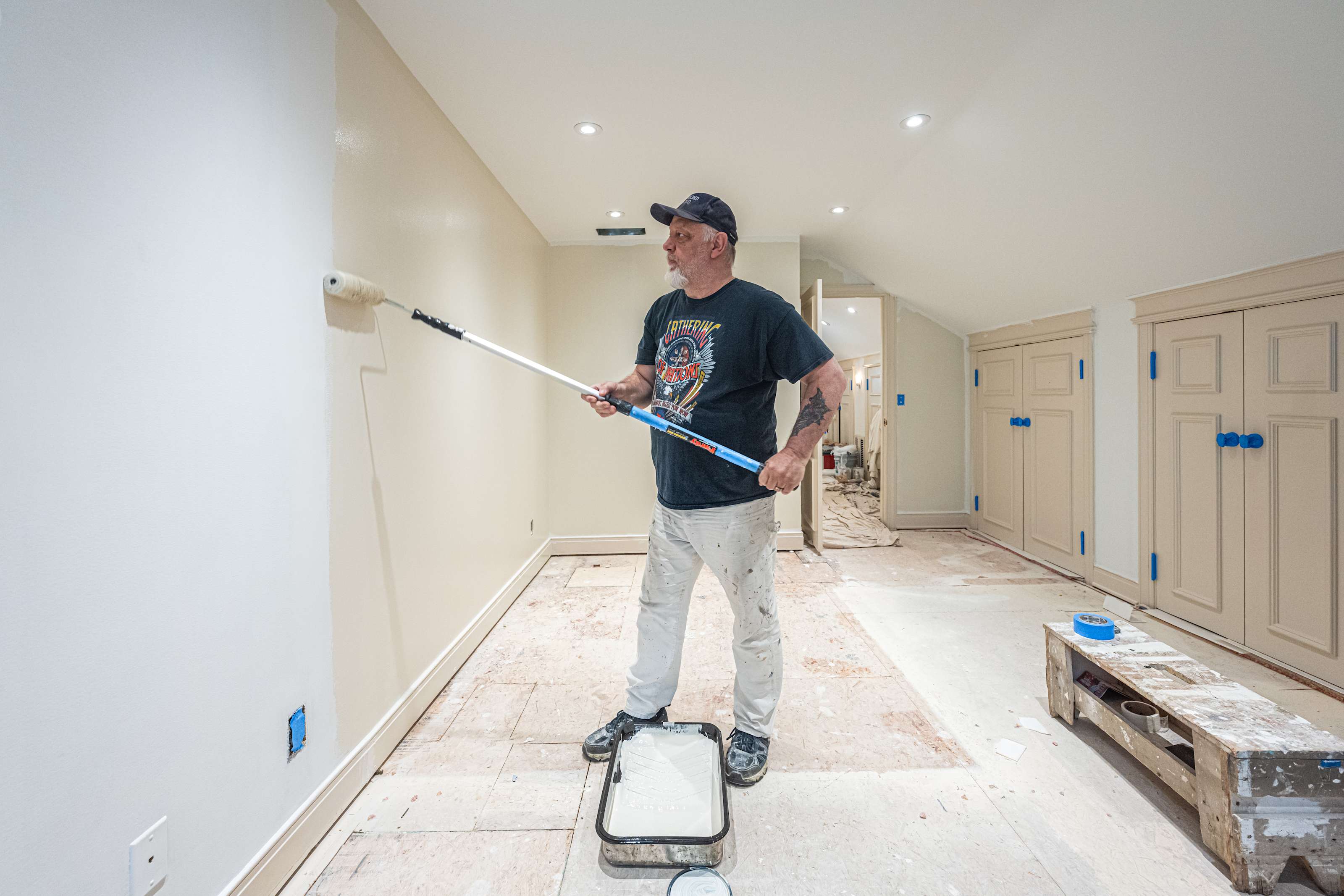
How much does it cost to paint a room? Learn what you’ll pay to give your space a makeover, depending on room size, paint type, the pro you hire, and more.

Dug wells and drilled wells are two common types of wells for homes. Go deep by learning the differences between dug vs. drilled wells.

Ready to install a new well? Aside from finding out if you can drill your own well, we’ve got even more details on whether your state and city will allow it.

From costs to complexity and safety, uncover the realities of DIY well drilling. Learn when it’s wise to roll up your sleeves or when to call in a professional.