

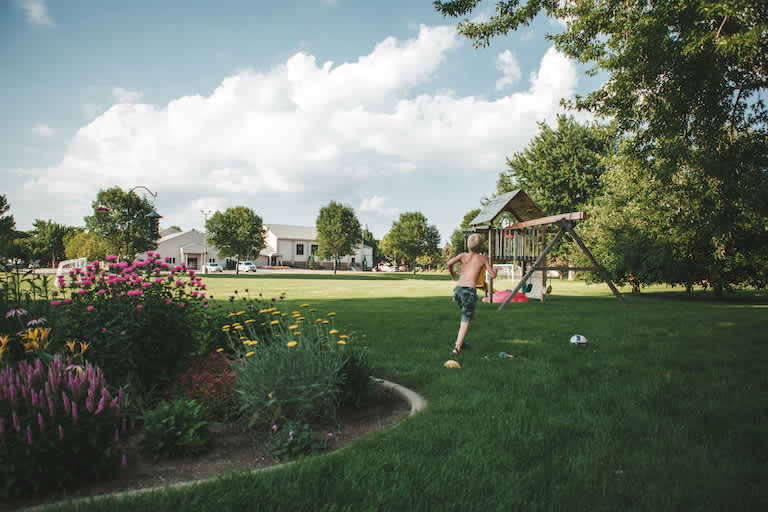
Leveling your yard can help with drainage and prevent damage to your home. Learn the cost to level a yard and what factors can affect the price.
Landscaping costs depend on your project and location. Check with a local pro for your specific job.

Topsoil costs range from $10 to $55 per cubic yard, with most homeowners spending $15 to $30 for your project.
The type of soil and depth of coverage you need determine your final cost for the topsoil application project.
Account for delivery fees and labor costs when you create your budget, as these add $50 to $150 per trip and $60 to $125 per hour.
Hiring a local lawn care professional ensures your topsoil is spread evenly and promotes healthy drainage for your yard.
These are the main factors to consider when planning your budget for topsoil application.
The cost of topsoil varies depending on the type and quality of the soil, with prices typically ranging from $10 to $55 per cubic yard. Unscreened loam is the most affordable option, while organic compost and specialty mixes tend to be on the higher end.
| Topsoil Type | Cost per Cubic Yard |
|---|---|
| Unscreened loam | $10–$35 |
| Black dirt | $15–$25 |
| Screened loam | $18–$26 |
| Organic compost | $20–$55 |
| Mushroom compost | $20–$35 |
| Organic planting soil | $30–$50 |
| Landscape mix | $25–$50 |
| Super loam | $30–$50 |
Aside from orders by the cubic yard, you can order smaller or larger quantities of topsoil, and you’ll often see price breaks for bulk orders. A 40-pound bag of topsoil covers roughly 0.75 square feet and costs anywhere from $2.50 to $60, depending on the quality. A truckload, which typically carries between 10 to 15 cubic yards of topsoil, ranges from $150 to $750.
| Topsoil Purchase Volume | Cost Range |
|---|---|
| 40-pound bag | $3–$60 |
| Cubic yard | $10–$55 |
| Truckload | $150–$750 |
Accounting for the standard 10% margin of waste, you’ll pay anywhere from $15 to $75 per 100 square feet of topsoil coverage at a depth of four inches (the minimum recommended for most lawn and garden applications). Coverage areas will vary based on the depth of the topsoil—check out this table to help you accurately determine the volume of topsoil you need.
| Coverage Area in Square Feet | Range |
|---|---|
| 100 | $15–$75 |
| 300 | $40–$225 |
| 600 | $80–$450 |
| 800 | $110–$600 |
| 1,000 | $140–$750 |
| 1,200 | $160–$900 |
| 1,500 | $205–$1,120 |
| 1,800 | $245–$1,340 |
| 2,000 | $270–$1,500 |
| 2,500 | $340–$1,870 |
| 5,000 | $680–$3,740 |
| 10,000 | $1,360–$7,480 |
Delivery fees for topsoil and fill dirt can range from $50 to $150 per trip for up to 15 cubic yards, depending on the supplier. Some companies include delivery in their pricing, while others charge separately. If you're ordering a large load, live in a remote area, or have a site that's difficult to access, you can expect higher fees. Longer distances, larger trucks, and fuel surcharges can also add to the overall cost.
Instead of a flat rate, some companies charge $65 to $100 per hour for delivery. Keep in mind that delivery includes a single dump in an easily accessible location that’s at least 15 feet away from overhead trees and on firm, dry ground.

Lawn care professionals will charge between $60 to $125 per hour to deliver and spread your topsoil. Final costs depend on the size of the job and may be included in your estimate if you’re purchasing in bulk, so be sure to clarify everything that’s included in the quote.
Topsoil won’t fix poor soil quality if you’re growing deep-rooted plants, so you may need to add compost, manure, or fertilizers. If there are drainage issues on your property, these issues are important to address beforehand to avoid flooding and soil erosion.
If you’re not sure how your soil performs, consider getting a soil test or a perc test to give you a better idea of what adjustments, if any, need to be made. You can purchase an at-home soil test or find a professional who tests soil, such as a soil engineer or a landscaping company.
Topsoil isn’t meant to be your main growing medium, so if you need quality soil, consider budgeting between $350 and $1,300 for additional fill dirt. The best types of fill dirt are nutrient-enriched garden soils and composts.
Whether it’s for your land, lawn, or garden, here are a few ongoing costs to consider for the long-term health of your soil.
Whether you’re preparing soil for grass seed or maintaining a healthy medium for planting, it’s always a good idea to amend your soil regularly to keep it nutrient-rich and suitable for plant growth. Organic options like compost and mulch can improve soil structure, while fertilizers replenish essential nutrients. The frequency and type of amendments depend on your soil’s condition and the needs of your plants.

Keeping topsoil moist is essential for plant health, which may require irrigation. Manual watering with hoses and sprinklers is a lower-cost option, while installing a drip irrigation system or sprinkler system involves a higher upfront investment but can save water in the long run. Remember that over-irrigating can damage soil, so be sure to monitor moisture levels and adjust watering accordingly.
Adding a layer of mulch on top of your soil helps retain moisture, regulate temperature, and reduce weed growth. Organic mulches, like wood chips or straw, decompose over time and may need to be replenished annually.
Weeds can deplete nutrients from your topsoil and harm your plants. You may need to invest in herbicides, natural weed barriers, or pest control treatments to keep your soil in good condition.
Though hiring a lawn care professional near you will cost between $60 and $125 per hour, they’re equipped to handle larger topsoil application jobs. They can also guarantee flawless and lasting results, making it a worthwhile investment.
Hiring a pro ensures the topsoil is properly installed, and it also comes with other benefits, including the following:
Pros know how to spread and level topsoil evenly, creating a smooth and consistent surface.
They understand proper grading techniques, which promote healthy drainage.
Pros can recommend the best soil for your yard.
Topsoil installation may require specialized equipment, such as heavy machinery or leveling tools that most homeowners don’t have.
Improper installation can lead to drainage issues or uneven coverage, potentially resulting in long-term problems.
Pros can identify underlying issues before adding topsoil.
Even if you hire a professional, there are several parts of the topsoil application process you can DIY:
Remove debris, rocks, or old grass before topsoil installation
Rake and spread soil by hand for minor patches or thin layers
Mix compost or fertilizer into the topsoil before spreading
Level small areas with a rake or shovel to smooth out minor bumps
Water regularly and monitor the area for settling, bare spots, or uneven growth

From irrigation to landscape maintenance, there are a number of add-ons to consider for this project. Consider these average costs with your overall budget:
Lawn fertilization cost: $70–$380
Lawn aeration cost: $75–$205
Cost to edge a lawn: $700–$1,700
Lawn mowing costs: $50–$210
Leaf removal costs: $190–$540
Sprinkler system cost: $1,640–$3,600
Drip irrigation system cost: $200–$850
Land clearing cost: $1,400–$6,300
Land grading cost: $1,000–$3,340
Soil test cost: $680–$2,160
Grass seeding cost: $440–$1,800
Sod installation cost: $1,100–$3,100
Landscape designer cost: $1,940–$7,250
Landscaping costs: $1,300–$6,300
Check out these helpful tips for keeping your topsoil costs within your budget.
Buy only what you need: Be sure to measure your project area and required depth beforehand to avoid unnecessary costs from overordering.
Buy in bulk: If you need a substantial amount of topsoil, purchasing in bulk can lower the cost per cubic yard.
Pick up the topsoil yourself: To avoid delivery fees, consider picking up your own topsoil if you have access to a truck.
DIY the prep work: Learning how to test your soil’s pH and make any necessary amendments will save on additional prep costs and help ensure the long-term health of whatever you plant in your soil.
Purchase during the off-season: Buying topsoil during off-peak seasons, such as late fall or early spring, can result in better deals.
Compare prices and quality: Check multiple suppliers, including local nurseries, hardware stores, and landscaping companies, to find the best quality soil for the best price.
Be wary of hidden fees: Some suppliers charge extra for mixing, delivery, or fuel surcharges, so it’s crucial to ask about all costs upfront to avoid surprises.
Ask about recommended soil blends for your yard.
Confirm what’s included in the price estimate, such as labor, delivery fees, debris removal, grading, and any soil amendments.
Review the project timeline and scope.
Ask what machinery or tools the pros will use and how they will impact your yard.
Discuss long-term care maintenance recommendations after the topsoil is installed.
Home is the most important place on earth, which is why Angi has helped more than 150 million homeowners transform their houses into homes they adore. To help homeowners with their next project, Angi provides readers with the most accurate cost data and upholds strict editorial standards. We extensively research project costs to develop the pricing data you see, so you can make the best decisions for you and your home. We rely on reputable sources, including the U.S. Bureau of Labor Statistics, academic journals, market studies, and interviews with industry experts—all to ensure our prices reflect real-world projects.
Want to help us improve our cost data? Send us a recent project quote to [email protected]. Quotes and personal information will not be shared publicly.
Custom Paint Jobs LLC made our home feel like a piece of art. Thank you for your creativity!
 Custom Paint Jobs, LLC
Window Depot did an amazing job on my deck. I wasnt sure what I wanted to do, but their composite decking was affordable and will last a long time. I am excited to have family over, and I am no longer embarrassed by my backyard. Jeff and the ground crew were polite, respectful, and caring for...
 Window Depot USA of Central Ohio
First of all, the gentleman I dealt with (Cam?) was very responsive to my many questions and concerns throughout the project, which is a huge plus to me. From the first time I met him for the estimate all the way til the completion of the job, he and his crew were professional and respectful....
 All Star Paving and Sealing
We had a 20+ year old landscape lighting system that needed replacement. Midwest Lightscapes worked with us to design a much improved lighting system, lighting the exterior of the house and the back yard. Installation of the 45 light system took one and one-half days, and went very smoothly....
 Midwest Lightscapes
Another great success for me on home advisor. This company did an awesome job on my landscaping and stayed within my budget. The best part, the work was complete within 2 days of my initial request. Professional and responsive. I highly recommend!
 Blue Ring Residential Services, LLC
The company no showed on me twice. The 2nd time was no call no show. They were responsive to set up the first appointment to perform the "landscape cleanup". 3 hours after their initial scheduled appointment time they called me to let me know they had some "problem" with the truck and their...
 Ruby Home and Hauling Services
Received ideas for future landscape plans...quote to do the work seemed a bit high but I did not have any other quotes to compare it to, so perhaps that is the going rates. <br />
 Landscapes By Terra, Inc
All around they have done a really great job. <br /> I have used JL Landscapes for the past 8 years. I own and operate my own commercial/residential real estate company where we own, operate, and maintain our own properties. JL Landscapes has been our exclusive landscaper for both our...
 J.L. Landscapes
Bought a half a cord of firewood from Pitzer with stacking last month. I waited to report so I could see how the wood burned. <br /> <br /> I have three pet peeves regarding landscapers, but Pitzer scored "A"s regarding all three. First, rather than having customers "leave a message" and...
 Pitzer Landscaping
I left a message on Sunday requesting to schedule a time to obtain an estimate/walk-through and received a return call in the morning of the following Monday. Mark worked with me and agreed to schedule the estimate/walk-through for the following Saturday. When Mark arrived for the...
From average costs to expert advice, get all the answers you need to get your job done.
Leveling your yard can help with drainage and prevent damage to your home. Learn the cost to level a yard and what factors can affect the price.
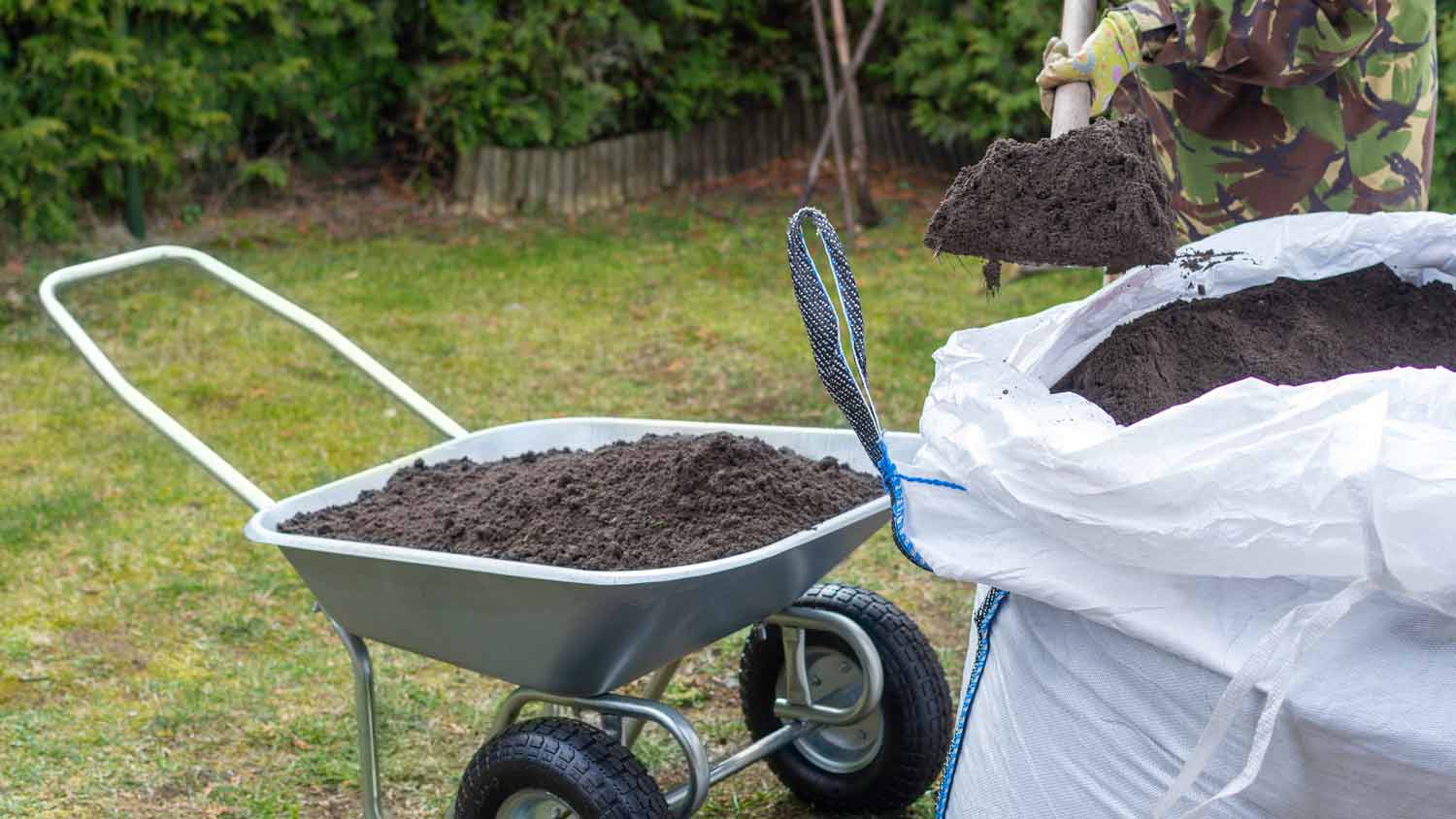
Get clear, up-to-date fill dirt cost info. Learn average prices, cost factors, and tips to save on your next fill dirt project.
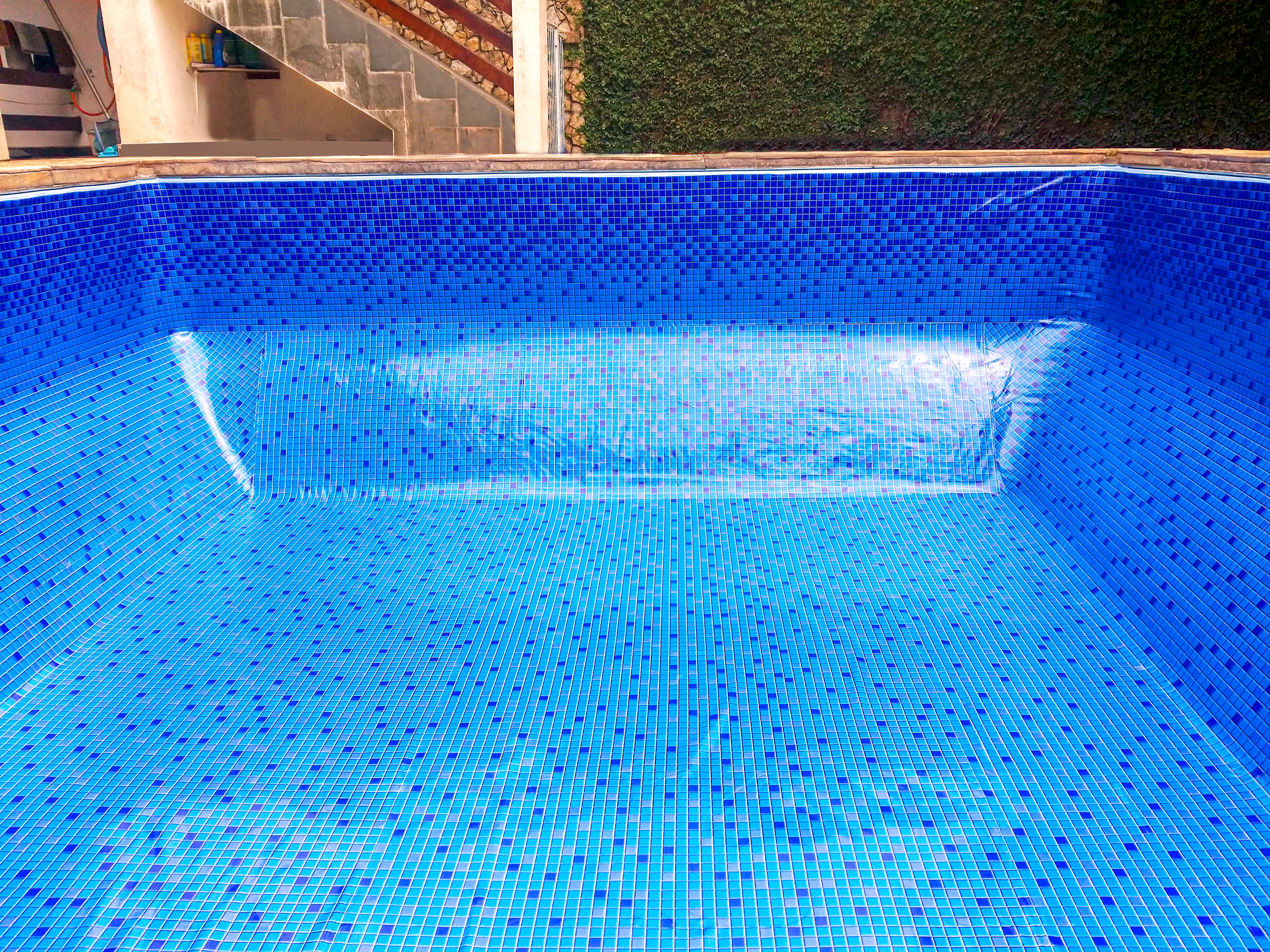
Are you thinking about filling your pool? The cost to fill a pool depends on the type of fill used and the size of your pool.
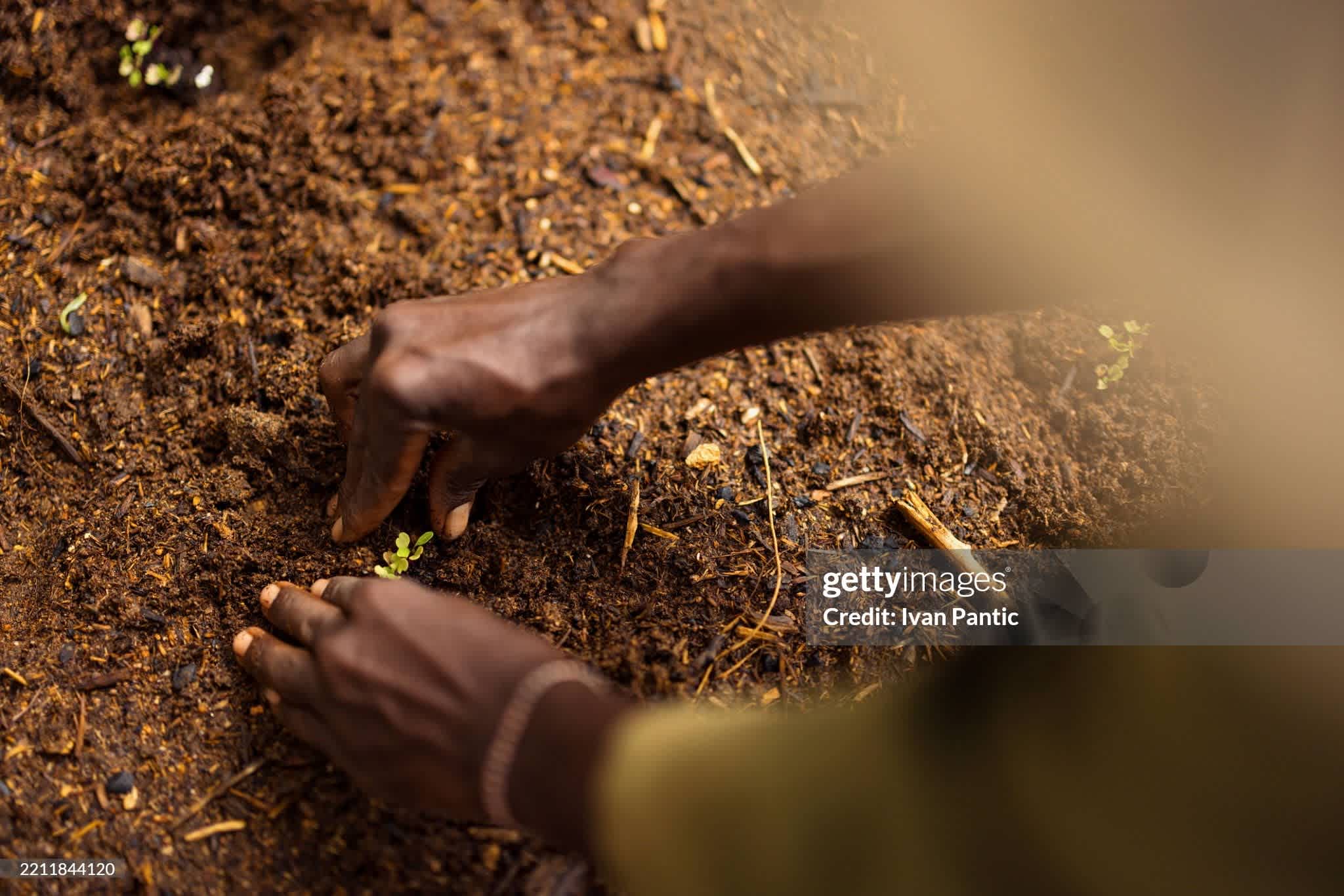
This calculator helps you estimate how much topsoil you need, so you can purchase materials and budget for your project, whether it’s for your lawn or garden.

Since you plant most grass varieties in the ground, topsoil is the go-to soil option. Potting soil is best for plants you’re growing in pots or containers.
After construction or a yard project, you may wonder how to dispose of dirt. Luckily, this article gives quick and convenient ways to get rid of all that dirt.