

Our guide can help you determine the source of the circuit tripping and how to correct it in order to keep you and your home safe.
Certain appliances, like hair dryers and irons, are prone to tripping breakers more often than others

The causes of a circuit breaker tripping include circuit overload from multiple high-power appliances like fans, irons, and hair dryers running simultaneously on your home's circuits.
Older refrigerators draw excessive power during heatwaves or when your air conditioner breaks down, increasing the risk of tripped breakers and potential electrical overload in your home.
Limit the number of fans running at once, use irons in your kitchen instead of bedrooms, and plug hair dryers only into bathroom outlets to prevent trips.
Hiring a local electrical professional provides reliable help diagnosing short circuits and ground faults, plus adding dedicated circuits when your breakers trip repeatedly despite appliance changes.
We’ve all been there: You’re blow-drying your hair in the bathroom and suddenly everything shuts down. You’ve tripped a circuit breaker. Depending on the circumstance, anything you use could trip your circuit breakers. However, there are six appliances that are likely to trip breakers on a regular basis. Learn which ones they are and what you can do to minimize an appliance short circuit in your home.
Prior to the 1920s, we didn’t have circuit breakers, we had electrical fuses and when they blew out due to an excessive drain on power, an electrical short or fault, they had to be swapped out for new fuses.
Unlike fuses, which must be replaced once blown, you can manually reset breakers after each use. In modern homes, these breakers are attached to a central electrical panel, often found near the furnace or water heater.
Each breaker is assigned a specific circuit in the home, most often differentiated by room. Springs or compressed air in the breakers allow them to snap open, instantly cutting power when a fault is detected. They can then be reset for another use.
Your living room, for example, may have a single breaker that controls every outlet, while the kitchen may have two or three: one for outlets, and another for large appliances. This means that if a breaker "trips," all of its outlets will stop working until it's reset.
While any appliance can trip a breaker, some appliances are more fault-prone than others. Here are six of the most common appliances that may cause a circuit overload.
Fans are definitely on the list of appliances that trip breakers, so be careful how you’re using them to keep cool in the summer months. One fan running on high may not use a lot of power, but multiple fans running at the same time can add up to a serious power drain that may trip your breakers. It’s a good rule of thumb to limit the amount of fans you have on at the same time.
Irons create a lot of heat very quickly. Many people will iron in rooms that aren’t designed to handle the kind of power needed to get an iron hot fast. Switch your location to the kitchen, which is wired to handle major appliances.
Extension cords are a great fix for a room that isn’t wired enough to your liking, but make sure you’re using them wisely to avoid tripping your circuits. Only use one extension cord per circuited area of your home, and avoid plugging extension cords into other extension cords. This is asking for an electrical overload.
Refrigerators have improved in power use significantly in the last 20 years. But because many of these appliances last more than a decade, older models are still being used in some homes. These power-hungry fridges can easily start drawing too much power if a home's temperature rises significantly during a heatwave or if an air conditioner breaks down, causing a trip.
If replacing an appliance or limiting use doesn't solve circuit breaker problems, you may have a short circuit or ground fault that needs to be addressed. In both of these cases, hiring a professional electrician is recommended, since tracking down the short can be both time-consuming and dangerous. When it comes to consistent circuit tripping, you're always better to err on the side of safe—not sorry.
Hair dryers, curling irons, and flat irons are common appliances that trip breakers. To generate significant heat in a short period, these items draw a serious amount of power from circuits. Some bathrooms are equipped with ground fault circuit interrupters (GFCIs), which break the circuit at that specific outlet and can be manually reset.
But you probably won't find GFCIs in bedrooms or other rooms in your home, so stick to doing your hair in the bathroom.
Vacuum cleaners use a tremendous amount of power, but that’s not the only thing that makes them a likely appliance for tripping your circuit breaker. Vacuums contain motors, which can trip something in circuit breakers known as the “nuisance breaker,” an interior mechanism designed to prevent electric overloads. If this keeps happening, have a local electrician inspect your breaker.
If you have tried to swap out new appliances for old and you’re still tripping your circuit breakers, it’s time to call in a professional to look for a short or a ground fault. Since dealing with electricity can be dangerous, this job is best left to a pro. You might also consider adding a dedicated circuit.
I recently had Mosby Electric perform an electrical installation on 8-14-2026, and I couldn’t be more satisfied with the service. From the moment I called, their team demonstrated fast arrival and professionalism. The electricians were highly knowledgeable, completing the installation...
 Mosby Electric
Great company! Price was competitive, technician showed up on time and completed the job (exterior electric Radon fan replacement) quickly. Would hire them again.
 MaGen Property Inspections and Radon Mitigation
I conferred with 2 other contractors before Armstrong Electric. Nick and his crew showed me that the project was not as convoluted as the other contractors made it appear to be. They completed the entire project on time. They were professional, friendly and cleaned up after at completion. I...
 ARMSTRONG ELECTRIC, LLC
The techs on my project, Shawn and Cliff, were great. They were prompt, courteous, and efficient. I am very happy with the results and would definitely contact Mr. Electric for any future electrical projects.
 Mr. Electric of Columbus
Victor was wonderful. He was on time, professional, and explained everything he was doing. He was thorough and figured out that the problem was electrical instead of with my HVAC system. Very knowledgeable. I will be using this company in the future for any HVAC needs. Thanks!
 Hubbs Heating & Air LLC
They were excellent. They did a great job. I was totally satisfied. They put tremendous effort in making sure the work was completed. They were great. They provided immediate response to any inquires I made. I would hire them again. I would recommend them to anyone who needs electrical work....
 JCB & Associates, LLC DBA Property-Tech Industries
Initially, the repairman could not find the problem. Apparently, there was some electrical shortage, but he could not find the definite problem. He left, but called back later to say he had a new idea. He returned and replaced the light switches on the doors. The refrigerator seemed to return...
 Appliance Pro LLC
The initial quoted price from a walk-through seemed high, but we discussed that the quote represented worst case scenario (re-wiring to two floors) and we were excited about the opportunity to have the work done in a timely manner with closing for fire safety reasons, etc. When the job was...
I have to tell you I am all about customer service - I will go out of my way and even pay more for it if you give me great customer service. <br> <br>In a world where this is hard to find, these guys were awesome! I can not sing their praises enough. They were prompt, personable, funny, got...
 Waibel Electric
When I challenged the markup on the generator, Bruder Electric withdrew its bid. They only want naïve customers.
From average costs to expert advice, get all the answers you need to get your job done.
Our guide can help you determine the source of the circuit tripping and how to correct it in order to keep you and your home safe.
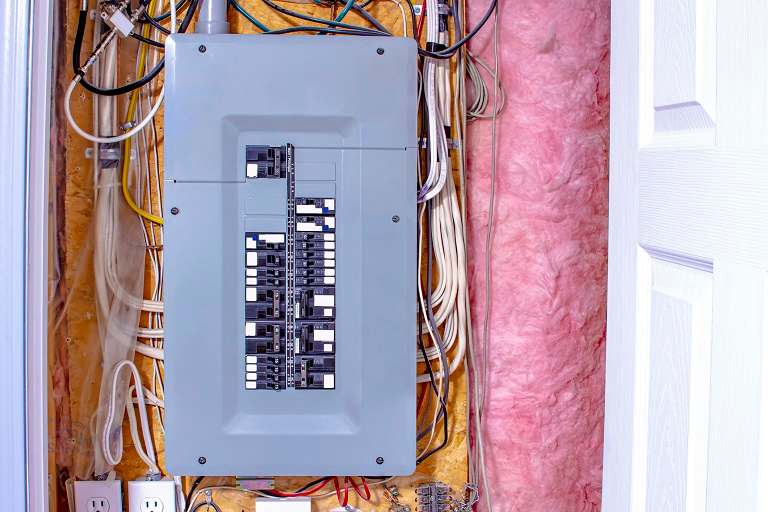
When you need to figure out how to find what is tripping your circuit breaker, our guide can walk you through the possible causes and how to identify them.
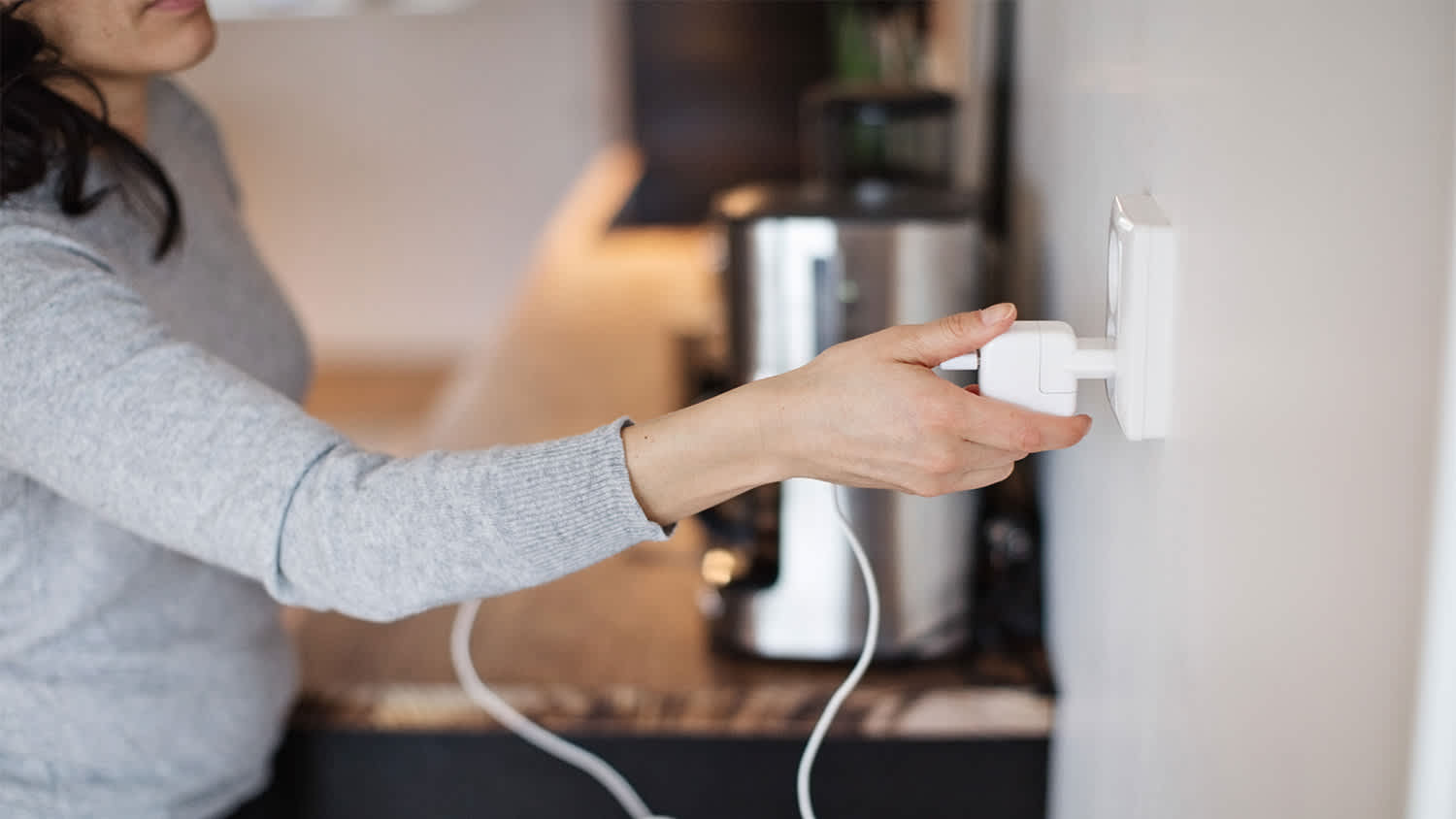
If your circuit breaker keeps tripping when you use the toaster or coffee maker, learn why it’s happening and how to fix it.
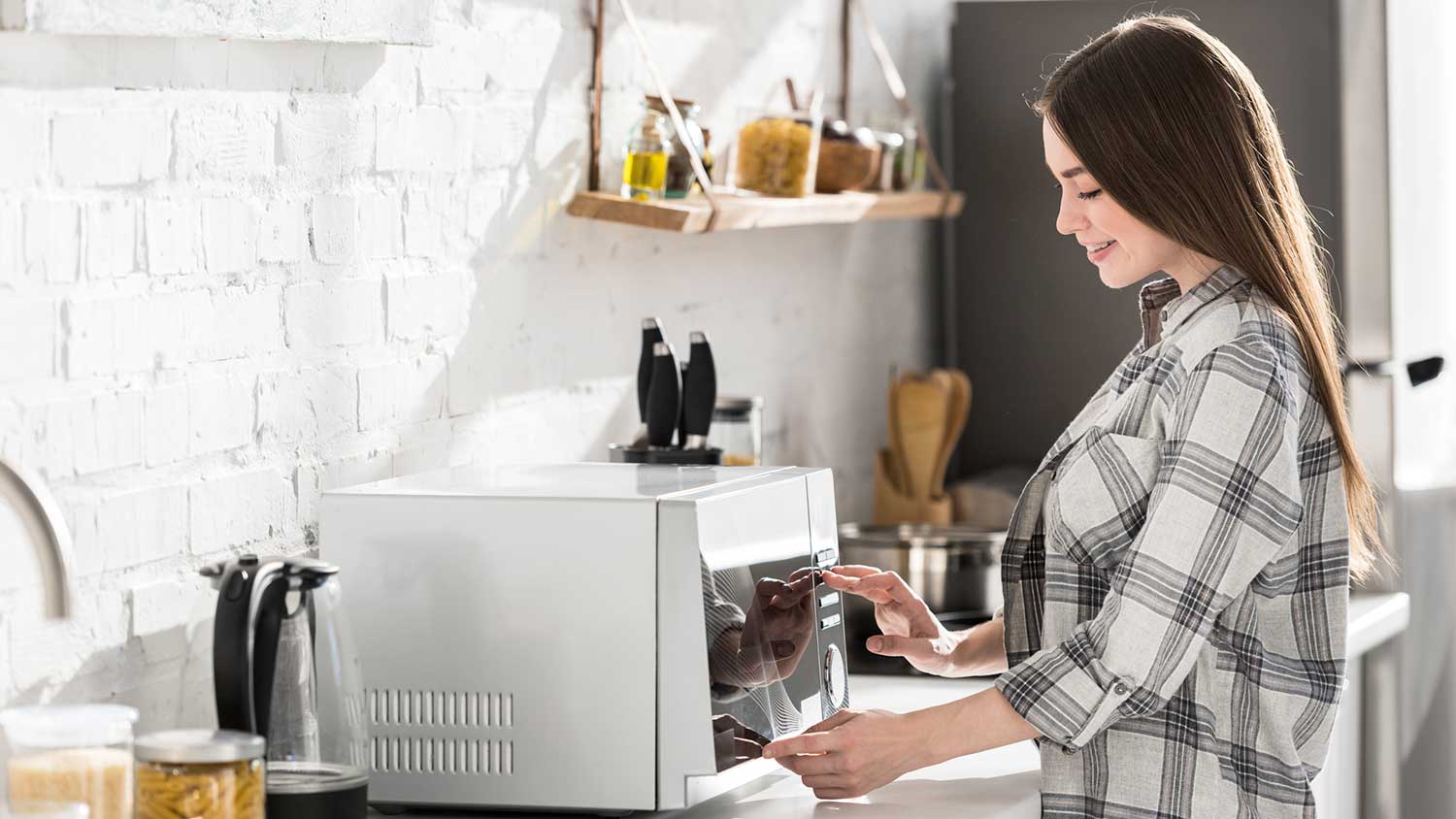
Circuit breakers help protect electrical circuits from overheating, which is especially important inside a home. Let’s go over the basics.
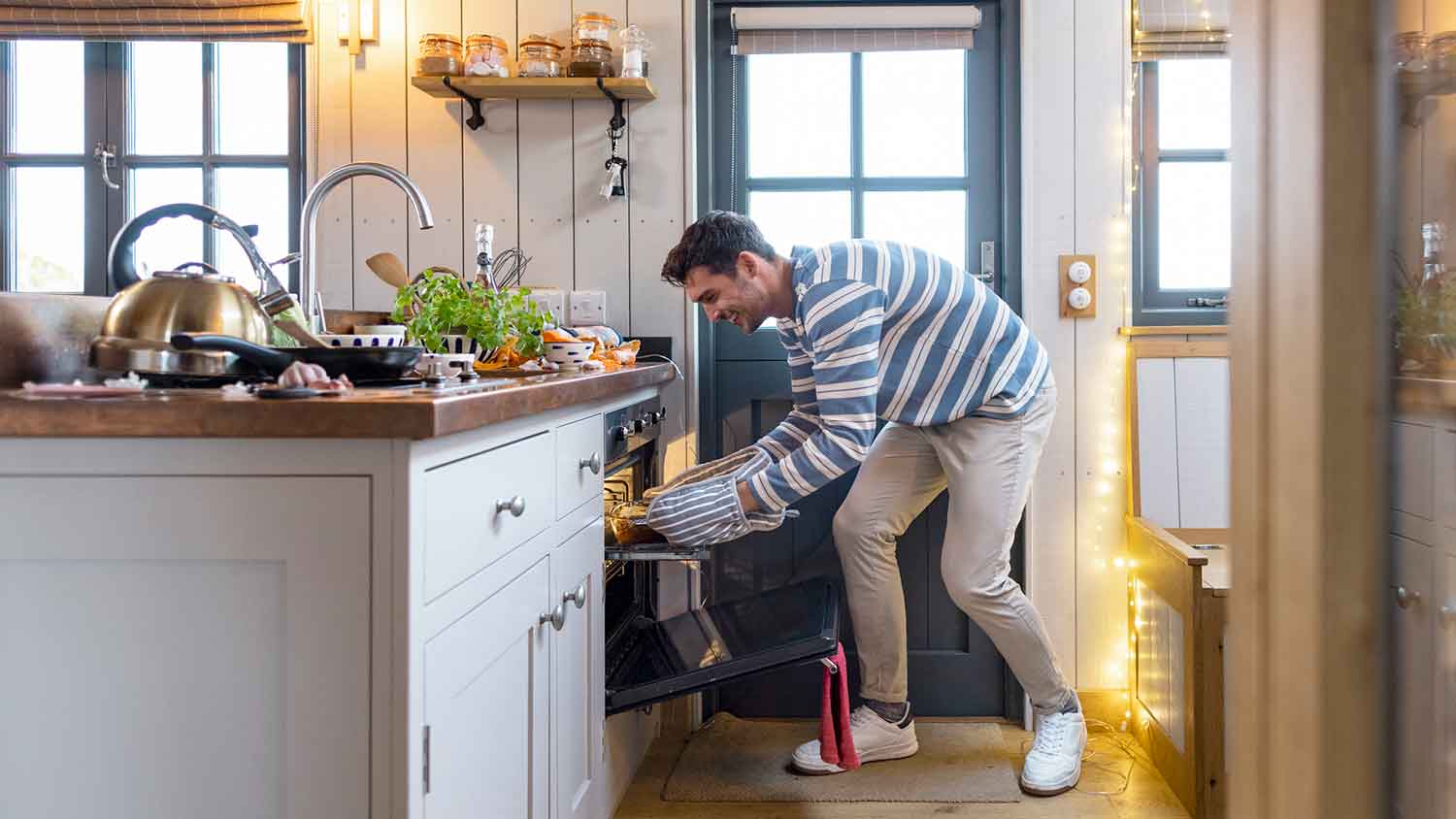
If your oven keeps tripping a breaker, you're either dealing with an issue with your oven or a problem with your home's wiring. Here's how to troubleshoot why your oven is tripping your breaker repeatedly.

If your circuit breaker trips every time you turn on your washer or dryer, you may need a dedicated circuit. If electrical systems jargon makes your head spin, read this.