
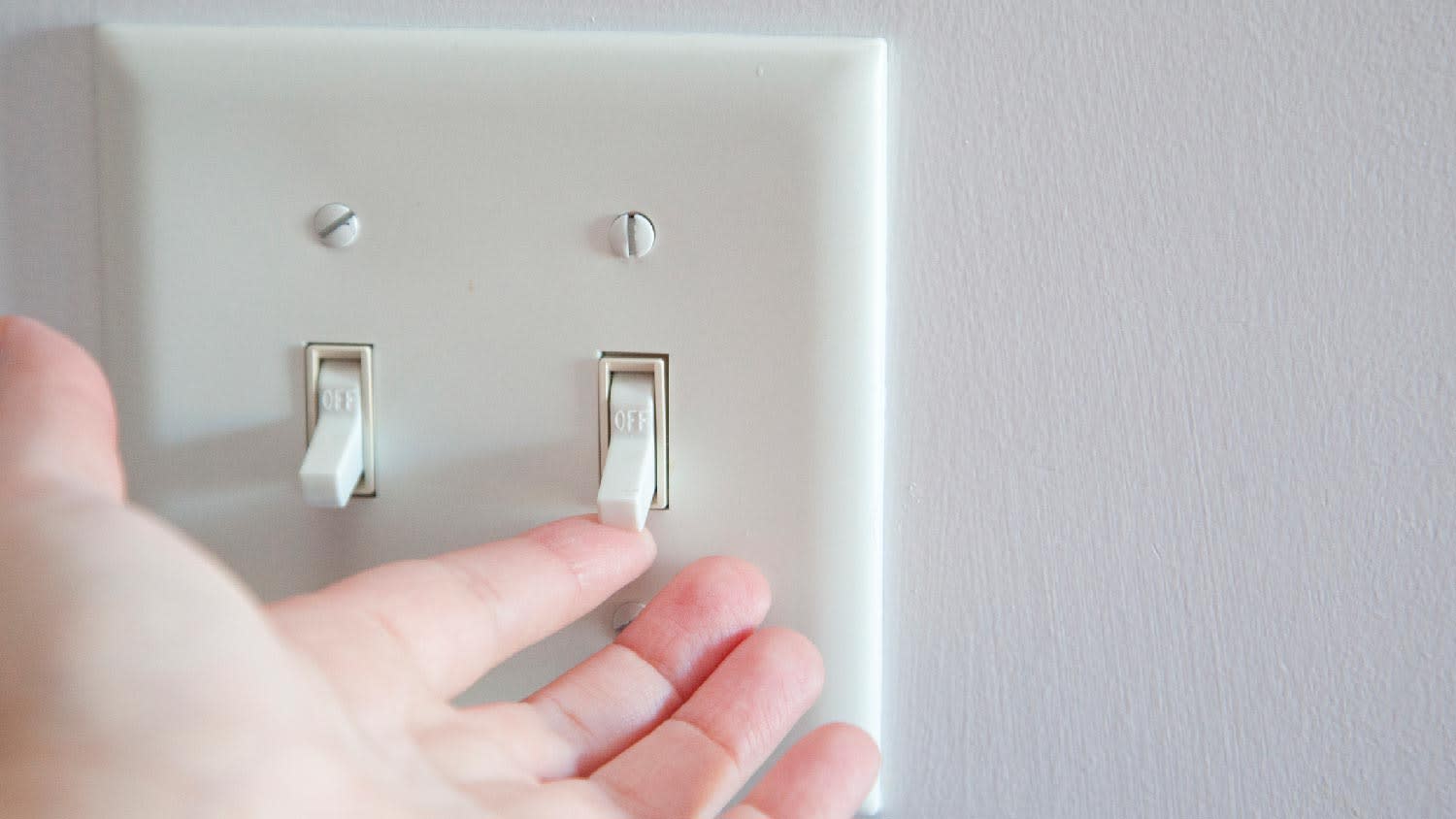
Updating broken and outdated light switches isn't as tricky as you might think. We'll cover the considerations and cost to install a light switch in this guide.
Take charge of the electricity in your home

When you’re already frazzled, few things are as irritating as being unable to flip on the single-pole switch in the bathroom or closet as you’re trying to find the item that you’re sure was right there. If you have around 15 minutes to spare, some common tools, and an extra single-pole switch on hand, you can have your new switch up and running in no time so you won’t have to search around with a flashlight to locate your essentials. Follow these steps to learn how to wire a single-pole switch like a pro.
Working with electrical wiring can be a complex project, but that isn’t the case with single-pole switches. The most important part of your preparation is making sure you know how to work with electrical wires.
Dealing with electricity without the proper precautions and knowledge can have fatal consequences. Improper wiring poses fire safety hazards, while directly working with wires can cause electrocution if you’re not sure how to shut off the electricity and check that there’s no electrical current flowing through the wires. It’s important to only take on electrical projects if you feel confident in your ability to safely manage electrical circuits, and call in a local electrician to do the job if you don’t.
Never try to work with electrical wiring while your electricity is running. Instead, go to your breaker box and turn off the circuit breaker for the room where you’ll be wiring the single-pole switch.

Shutting off the power doesn’t mean that the electricity is completely gone from the wires. Likewise, your breaker box could have mislabeled circuits, meaning your switch hasn’t actually been shut off. To be on the safe side, use a multimeter to check for voltage before you start working with the wires. Here’s how to check for voltage:
Make sure your multimeter is set to AC voltage.
Choose an outlet connected to the same circuit as your single-pole switch.
Push the black probe into the multimeter’s common jack.
Push the red probe into the AC voltage port.
Put the other end of the black probe into the outlet’s neutral slot or “wider” prong.
Put the end of the red probe into the other plug’s slot, called the hot slot.
Look at the reading to see if there’s power.
Once you’ve confirmed the power is off, you can move to the next step.
Depending on the type of screws, you’ll need to use a Phillips or flathead screwdriver to loosen the wall plate and gain access to the single-pole switch. Set aside the wall plate and screws in a location where you won’t lose them.
To remove the old single-pole switch, you must disconnect the switch from the three wires that make up the circuit. Holding the wires, loosen each of the three terminal wires. For tightly twisted wires, you may need to use wire-twisting pliers to loosen them.
Before you replace the switch, you’ll want to get your detective hat on and inspect the electrical wiring for signs of damage—pay close attention to the ends of the wires and use a flashlight. This step is especially important if you’re replacing an old switch because it’s not working properly.
If you come across wires that look damaged by rodents, have a strong burnt smell, look scorched, are frayed and too short to clip, or are in some other poor condition, you’ll want to hire an electrician to conduct a closer inspection and, if necessary, replace old wiring. If the wiring is only frayed, you can DIY a simple fix in the next step.

Frayed wires don’t necessarily mean a visit from an electrician. In many cases, frayed electrical wiring just needs a little extra TLC before they’re ready to go. To prepare frayed wires for a new light switch, trim them down with wire cutters until there is no fraying, then use a wire stripper to expose around 1/2 to 3/4 inches of wiring.
The most challenging part of this project is connecting the wires to your new switch. Thankfully, single-pole switches only have three wires, making it easy to tell them apart and connect them to the correct terminals. Follow these steps to correctly install the new switch:
Create a hook with each exposed wire.
Using wire-twisting pliers, locate the green ground wire and wrap the hook clockwise around the green terminal screw.
Tighten the screw using a Phillips screwdriver.
Connect the other two wires to the two remaining terminals by following the same steps—on a standard single-pole switch, these two wires can be used interchangeably.

Securing the terminal screws with electrical tape prevents the single-pole switch from short-circuiting inside the box. Take your electrical tape and wrap it around the switch body until the terminals are fully shielded.
With your new single-pole switch completely set up, you can now insert it into the box. Gently fold the wires into the box, and then push the switch in so that it’s in front of the wires. Avoid letting the wires pop out from the sides of the switch, as the sides of the wall box can interfere with the terminal screws.

Retracing your first steps, reinstall the wall plate, and secure the screws using a screwdriver. If you’re using a labeled toggle switch, make sure that the toggle switch is right-side up to avoid confusion.
Before you give yourself a pat on the back and call it a day, turn the power back on and test the light switch to ensure it works. If the light doesn’t turn on, turn the power back off, then check that the wire terminals are fully connected to the correct terminals before turning it back on to test again.
Wiring a single-pole switch yourself is a straightforward project, but there are circumstances where you might not want to do it yourself. If there’s wiring that’s damaged beyond repair, faulty wiring, or if you don’t feel comfortable DIYing a single-pole switch, play it safe by contacting a professional electrician near you.
I recently had Mosby Electric perform an electrical installation on 8-14-2026, and I couldn’t be more satisfied with the service. From the moment I called, their team demonstrated fast arrival and professionalism. The electricians were highly knowledgeable, completing the installation...
 Mosby Electric
Great company! Price was competitive, technician showed up on time and completed the job (exterior electric Radon fan replacement) quickly. Would hire them again.
 MaGen Property Inspections and Radon Mitigation
I conferred with 2 other contractors before Armstrong Electric. Nick and his crew showed me that the project was not as convoluted as the other contractors made it appear to be. They completed the entire project on time. They were professional, friendly and cleaned up after at completion. I...
 ARMSTRONG ELECTRIC, LLC
The techs on my project, Shawn and Cliff, were great. They were prompt, courteous, and efficient. I am very happy with the results and would definitely contact Mr. Electric for any future electrical projects.
 Mr. Electric of Columbus
Victor was wonderful. He was on time, professional, and explained everything he was doing. He was thorough and figured out that the problem was electrical instead of with my HVAC system. Very knowledgeable. I will be using this company in the future for any HVAC needs. Thanks!
 Hubbs Heating & Air LLC
They were excellent. They did a great job. I was totally satisfied. They put tremendous effort in making sure the work was completed. They were great. They provided immediate response to any inquires I made. I would hire them again. I would recommend them to anyone who needs electrical work....
 JCB & Associates, LLC DBA Property-Tech Industries
Initially, the repairman could not find the problem. Apparently, there was some electrical shortage, but he could not find the definite problem. He left, but called back later to say he had a new idea. He returned and replaced the light switches on the doors. The refrigerator seemed to return...
 Appliance Pro LLC
The initial quoted price from a walk-through seemed high, but we discussed that the quote represented worst case scenario (re-wiring to two floors) and we were excited about the opportunity to have the work done in a timely manner with closing for fire safety reasons, etc. When the job was...
I have to tell you I am all about customer service - I will go out of my way and even pay more for it if you give me great customer service. <br> <br>In a world where this is hard to find, these guys were awesome! I can not sing their praises enough. They were prompt, personable, funny, got...
 Waibel Electric
When I challenged the markup on the generator, Bruder Electric withdrew its bid. They only want naïve customers.
From average costs to expert advice, get all the answers you need to get your job done.
Updating broken and outdated light switches isn't as tricky as you might think. We'll cover the considerations and cost to install a light switch in this guide.

Different types of switches can go beyond the basics of controlling lights. Learn the key differences between a single-pole vs. double-pole switch.
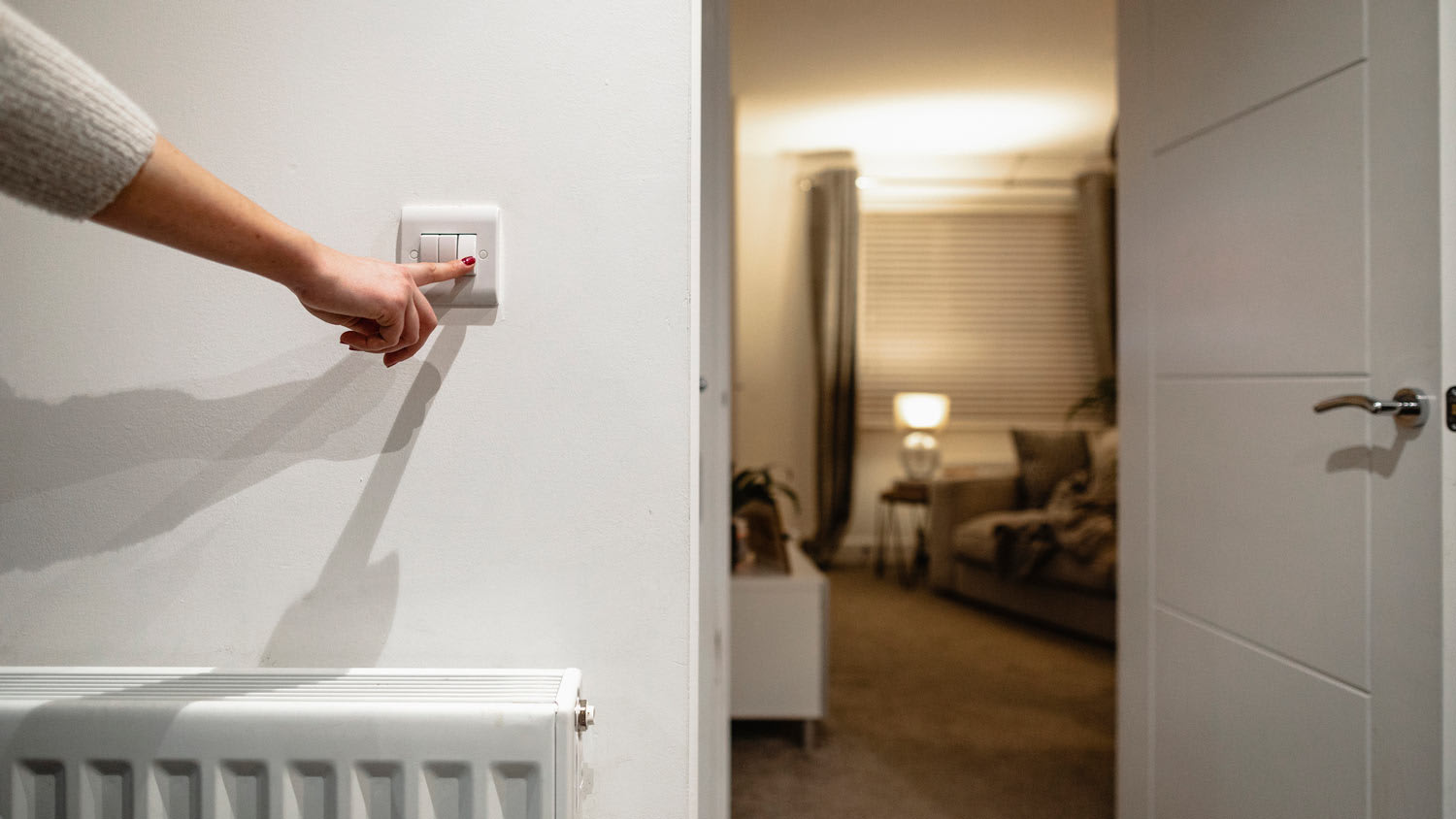
Common types of light switches include single-pole, double-pole, and three-way switches. Keep reading to learn more about the best light switches for your home.

A 4-way switch is a type of multi-way switch that controls lights from three or more locations. Learn how 4-way switches work in our helpful guide.
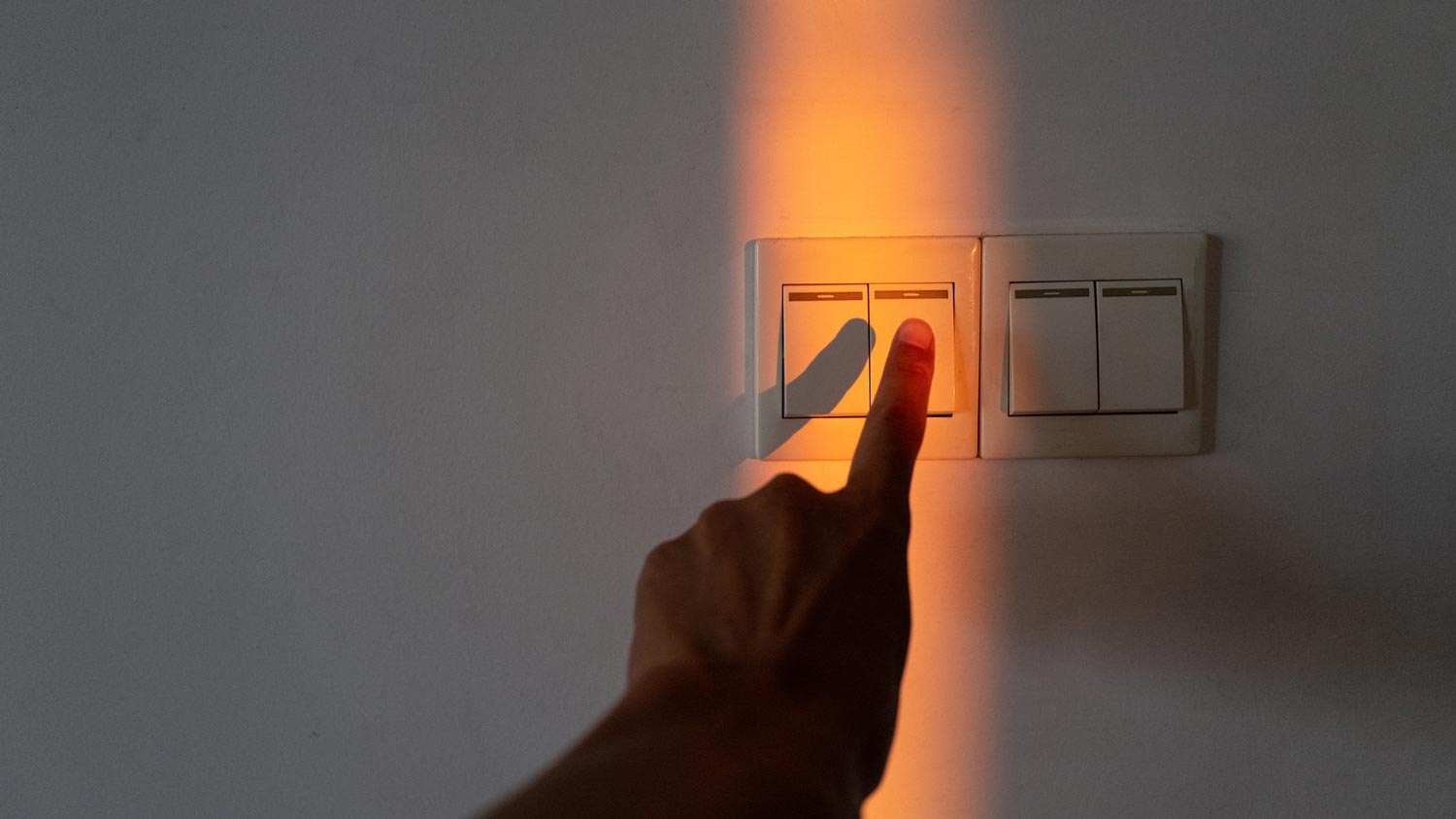
When you want to control one light fixture from two switches—usually at either entrance to a hallway—you’ll need a three-way switch. It’s more complicated than installing a single switch, but an electrician can stall one for you easily.
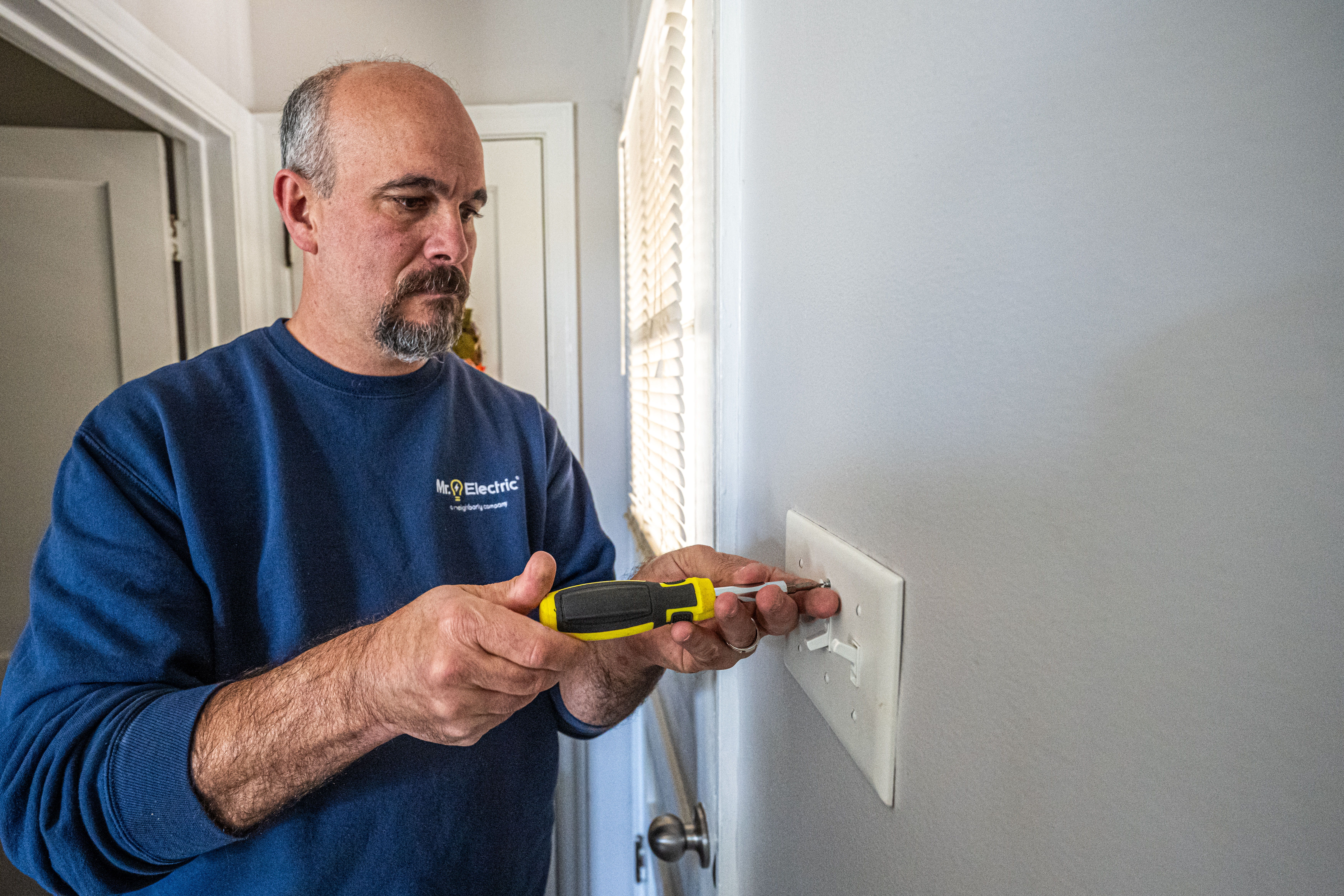
Follow this guide to learn how to install a light switch in your home as a DIY project and discover straightforward tips for electrical circuit wiring.