

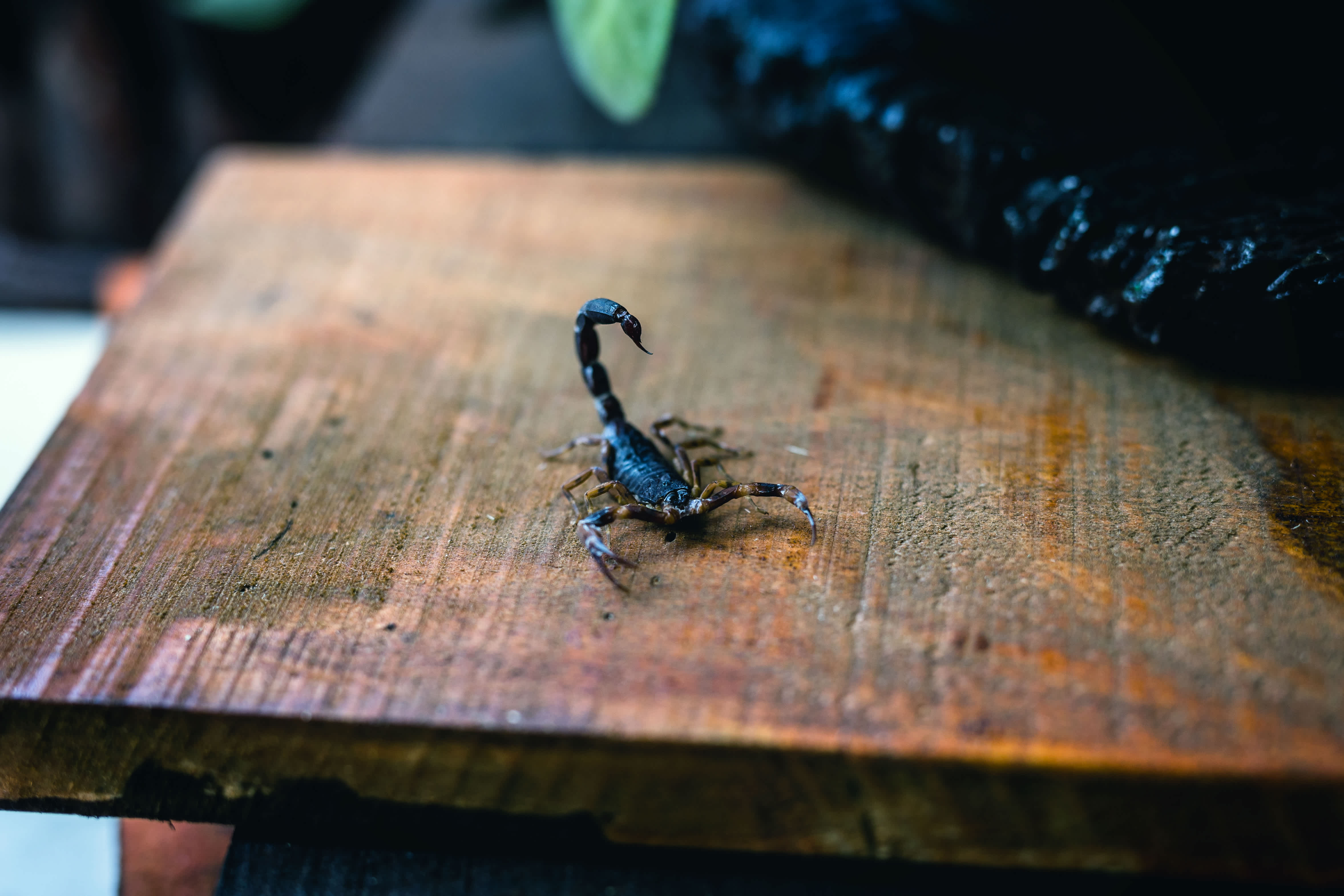
Scorpion removal costs vary based on home size, infestation severity, and treatment method. Learn what to expect and how to keep your home scorpion-free.
Pest control costs depend on your project and location. Check with a local pro for your specific job.

Professional armadillo removal ranges from $50 for a single animal to $600 for larger infestations in your yard.
Your property size and terrain complexity determine how long the inspection takes and how difficult burrow access will be.
Budget for inspection fees of $120 to $145 and repair costs of $75 to $110 per burrow hole in your landscape.
Hiring a local animal removal professional keeps you and your household safe from armadillo claws and potential disease exposure.
In 2026, the national average cost for professional armadillo removal is $275. Costs typically vary between $175 and $500 based on the size of the infestation, your property's terrain, and the number of burrows that need to be addressed.
Professional wildlife removal for armadillos typically involves live trapping and relocation rather than extermination, since kill traps are illegal in most states and armadillos pose a relatively low risk when healthy. Because armadillos have a strong homing instinct, relocation at least 25 miles away is recommended to prevent them from returning to their burrows.
Your wildlife removal specialist will place live traps at likely entry points, return to collect the animals, and once all armadillos are removed, you can fill burrows, repair damage, and take steps to discourage a new group from moving in. Several factors influence the total cost you will pay for armadillo removal.
Armadillo removal costs range from $50 for a single animal handled with DIY methods to $500 or more for a larger infestation or hard-to-reach locations. The total rises with the number of return trips your animal removal pro near you must make and the number of animals that need to be trapped and relocated.
Yard size and terrain complexity are two of the most direct drivers of armadillo removal cost, since both extend the time your pro spends on the job. A larger property requires a more thorough inspection, and difficult terrain or hard-to-find burrow entry points add further labor time and expense.
A thorough property and perimeter inspection is a standard part of armadillo removal, typically costing $120 to $145, though some pros roll this fee into the overall job total. Be cautious of companies advertising free inspections, as the labor cost is often recovered through a higher removal fee instead.
Armadillos can cause widespread damage by digging holes and burrows across yards, under driveways, walkways, gardens, and building foundations, and in loose soil they often uproot plants and vegetation in the process. Repair costs depend on the extent and type of damage, but budget at least $75 to $110 per hole, and expect that an accurate quote will require a full property inspection first.
There are several ways you can deter these creatures from becoming a problem in the first place:
Make the area inhospitable: By taking away their hiding places, you can encourage them to leave on their own or not move in to begin with. Armadillos love to hide in tall grass and burrow under rock piles, so adjust your landscape to be less welcoming. Consider hiring a local landscape gardener to rejuvenate your yard while simultaneously discouraging armadillos.
Remove food sources: Preventing armadillos from having a constant food supply will encourage them to go elsewhere. To achieve this, make your garden less hospitable to spiders, scorpions, and other invertebrates, which are the armadillo's staple diet.
Tidy the yard: Keep up with garden maintenance. Clean up the yard regularly, getting rid of leaf piles, wood, and other organic matter.
Use repellents: You can try armadillo repellents, such as mothballs and predator urine. Homeowners have differing levels of success with these methods, and it really depends on the severity of an existing infestation and just how determined the armadillos are.
Spotting an armadillo or two in your yard is the easiest way to know whether you have an infestation. But if you're not lucky enough to get eyes on one of these critters when they're out and about, the following clues will help you confirm any suspicions.
Broken pavement or pipes: Armadillos pack a punch despite their size, and they can cause serious damage when they're on the hunt. If you notice new cracks in pavement or pipes along with one or more of the indicators below, odds are you've got armadillos on your hands.
Nose prints in soil: Armadillos have long, distinctive noses that leave a mark on the ground when they search for food. You'll likely find these markings sandwiched between shallow holes where they've been digging.
Shallow holes in your yard: Burrowing insects are a favorite of armadillos, and the garden pest will dig holes up to three or four inches deep to catch them.
Uprooted plants: While they're working, armadillos often uproot plants and flowers in the process.
Foul odors: If you detect a fishy smell in your garden or yard but don't live anywhere near a body of water, armadillos might be the source. In fact, they have a special gland that secretes unpleasant odors to deter predators and attract insects.
Despite the damage they can do to your yard, armadillos are not one of the common critters removed by pest control experts, making up only a portion of the 18% of other animals in this data set. Raccoons, squirrels, and possums are much more common in a wildlife service's day-to-day.

While generally placid and gentle, armadillos will attack when they feel threatened, and they have large claws that can cause significant damage to humans and pets, as well as health concerns from diseases they may carry. Hiring a local wildlife removal pro is the safest way to handle your armadillo problem.
Wildlife removal pros ensure armadillos are removed safely as well as helping you set up your property to avoid reinfestation in the future. Here are some of the top reasons to work with a pro:
Wildlife removal pros have training and equipment to safely handle armadillos, minimizing your risk of injury.
Pros are licensed and knowledgeable about state and federal regulations, including where you can legally release trapped animals.
They can help repair damage to structures after removing the armadillos, saving you time and often bundling services on repairs.
Working with a pro ensures entry points and burrows are blocked and sealed, and they can also install fencing to keep future armadillos out.
Pros have the experience to handle large infestations and tricky situations, using humane and non-lethal methods.
If you want to take on some aspects of removing armadillos from your property, here are a few DIY tasks that can help save time and labor costs:
Remove objects from the yard, driveway, and home exterior to make it easy for pros to spot burrows and infestation points.
Remove food sources by reducing insects, grubs, and other invertebrates that armadillos eat with natural remedies.
Trim tall grass, clear out leaf piles, and remove wood or rock piles where they can hide.
Fill visible burrows with mud, leaves, and stones to prevent them from using them.
Be ready to show your pro where you’ve seen armadillos, where they are causing damage, and any burrows you’ve located during the inspection.
Ask about the methods they use, including the type of traps they prefer and how they ensure the process is humane.
Discuss what steps they will take to make your property less appealing to armadillos to avoid reinfestation.
If the pro relocates the animals, ask how far away they will be moved to ensure they don’t return to your property.
Get an estimate of the total cost and a timeline for how long the removal and prevention process is expected to take.
Home is the most important place on earth, which is why Angi has helped more than 150 million homeowners transform their houses into homes they adore. To help homeowners with their next project, Angi provides readers with the most accurate cost data and upholds strict editorial standards. We extensively research project costs to develop the pricing data you see, so you can make the best decisions for you and your home. We rely on reputable sources, including the U.S. Bureau of Labor Statistics, academic journals, market studies, and interviews with industry experts—all to ensure our prices reflect real-world projects.
Want to help us improve our cost data? Send us a recent project quote to [email protected]. Quotes and personal information will not be shared publicly.
A reliable team for moves across state. My switch to a new place needed careful lifting through tight hallways. The movers checked the doorway first, then carried heavier pieces with slow, controlled movements. Their patience helped prevent damage, and I?d choose them again.
This company does it right. Firstly, I want to say that Landan was a joy to work with. He was so kind, transparent, and had everything under control. His entire team showed up ready to work and they were all very respectful of the fact that we were in an office space. A little backstory – we...
 Krumlauf Floors
I had FabClean 614 clean my apartment, and she did an outstanding job. She was so professional and efficient. My apartment looks absolutely spotless every surface, every corner, all cleaned to perfection. Definitely highly recommend FabClean 614 if you're looking for top-notch cleaning...
 Fab Clean 614
Raven and crew does absolutely fantastic job. They are very professional if any concerns were to occur with any of her work she always took responsibility and finished out with a great job. I have worked with her business for a year and have always been satisfied. Very trusted business and...
 Creations of Transformation LLC
I would recommend this company to anyone! He showed up on time, was friendly, completed a very difficult repair on our dryer vent cover, was responsive, and pricing was extremely fair and competitive. I would have him back to do any of our repairs or cleanings without hesitation!
 U.S.A. Dryer Vent, LLC
Best cleaning I've had at my property
Ace Fireplace Services' chimney sweep service is truly exceptional. They used advanced technology to ensure a thorough cleaning process, and my chimney has never looked better. I highly recommend their services.
 Ace Fireplace Services
This company went above and beyond with their work, chimney sweeps are usually pretty messy, but the clean up was spot on.!! Josh explained every thing that he was doing, and the things that he was checking to make sure the chimney was safe for me and my family. He was very professional,...
 Supreme brick & chimney
Good workers and they do a good job.
 Mira Construction
Mary Cleaning Service is fantastic! The entire team is professional and pay a great deal of attention to detail. They do such a thorough job of cleaning my house. I would definitely recommend!
From average costs to expert advice, get all the answers you need to get your job done.
Scorpion removal costs vary based on home size, infestation severity, and treatment method. Learn what to expect and how to keep your home scorpion-free.
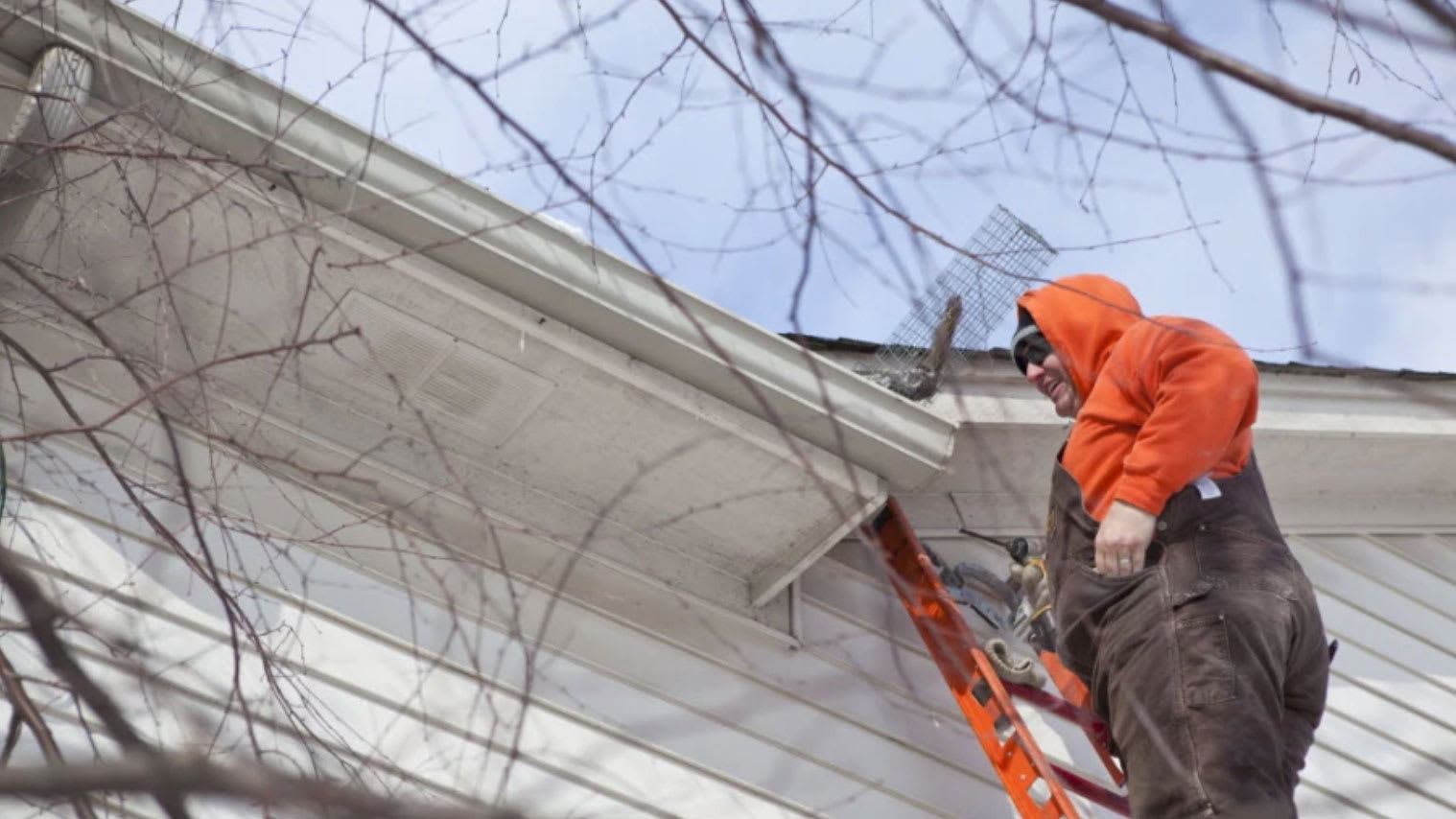
When calculating wildlife removal costs, you’ll need to consider the type, size, and amount of animals. Our guide will show you the wildlife removal cost.

When budgeting for possum removal costs, consider number of animals, location, method of removal, and whether you do it yourself or hire a professional.
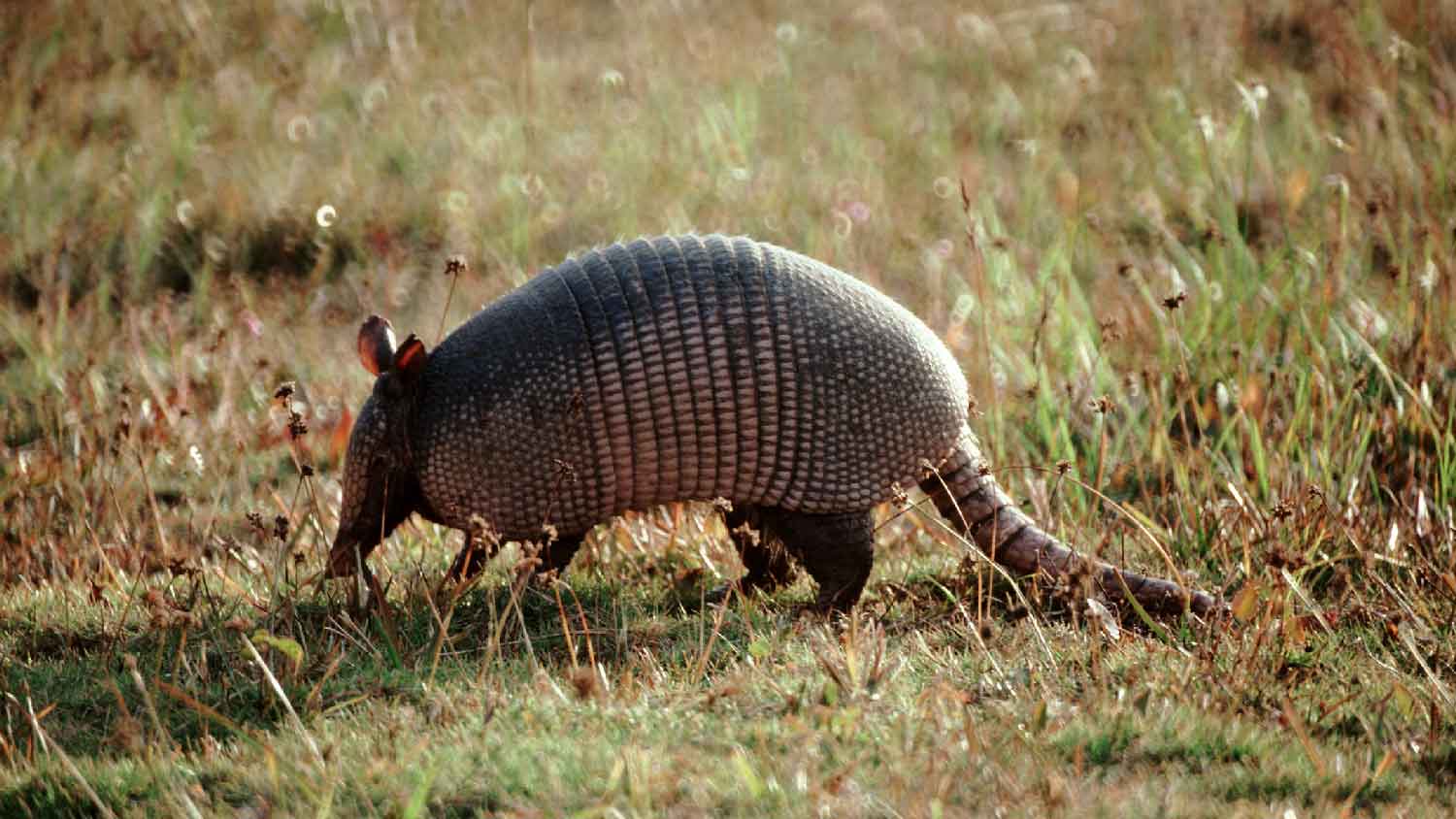
We’ve outlined how to trap armadillos to increase your chances of success with this tricky task and help you know when to hire a pro.
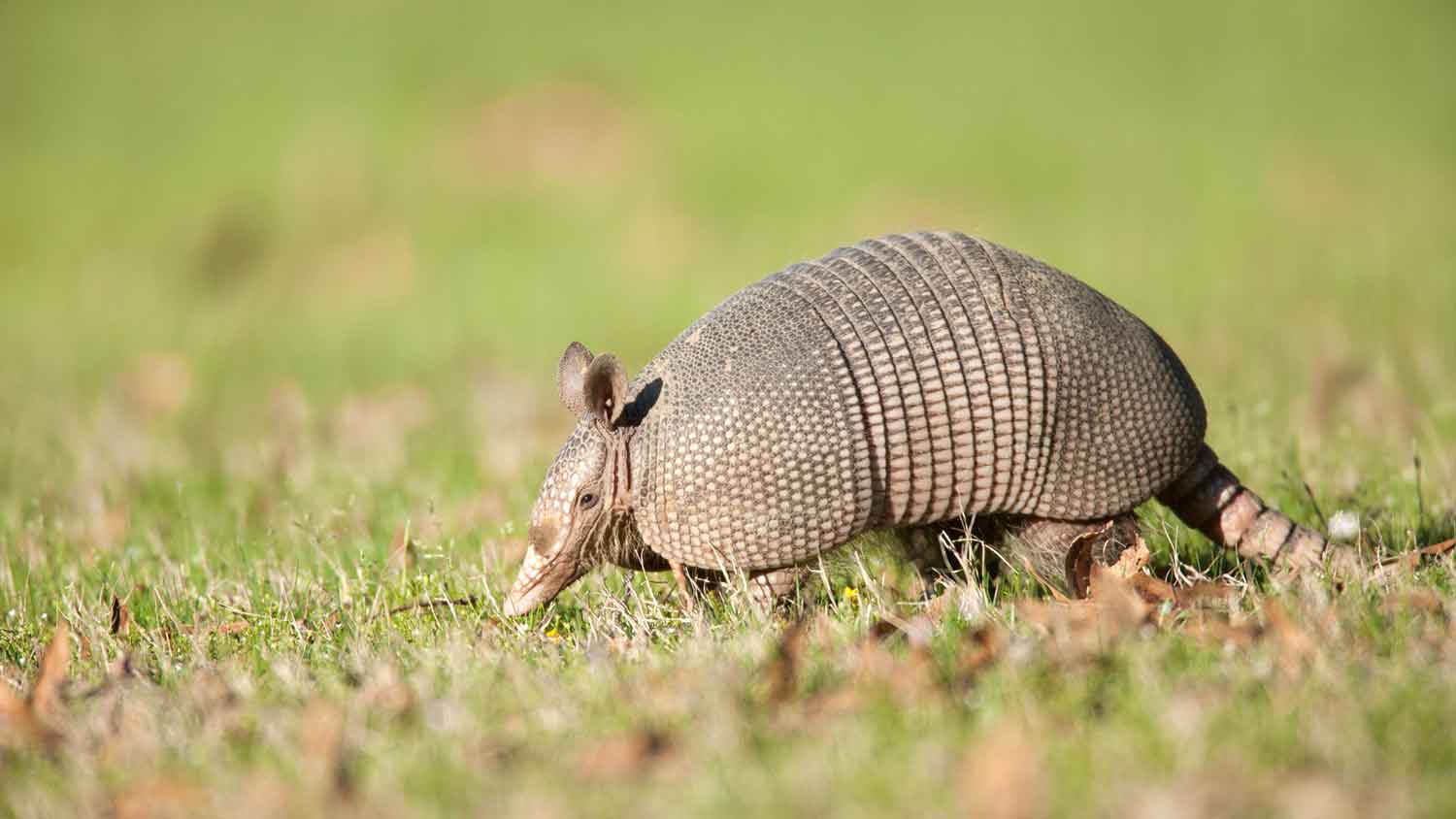
Here’s how to get rid of armadillos humanely to keep your yard free from these burrowing insect lovers whether or not they’ve already moved in.
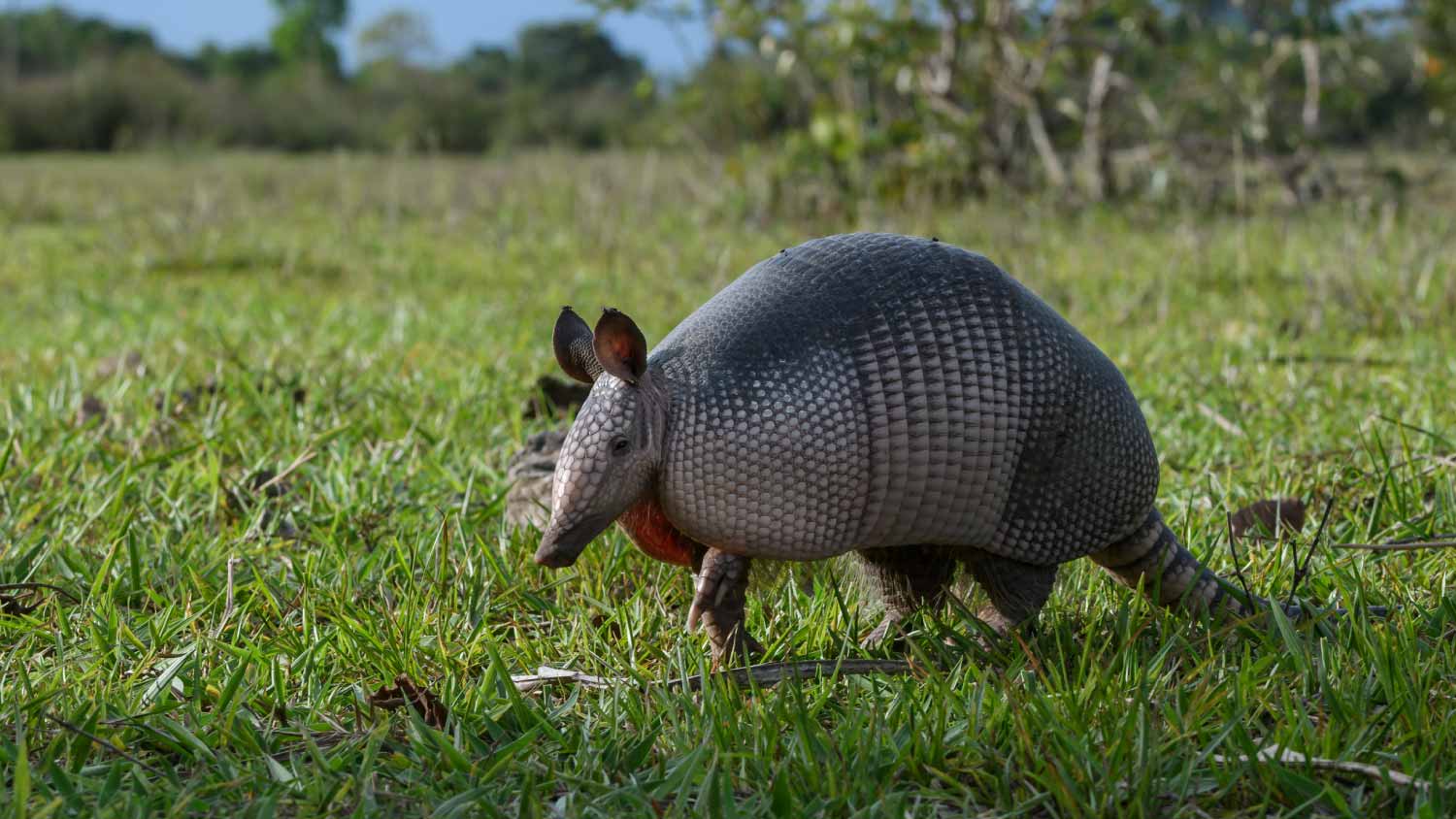
Armadillos often damage yards, gardens, and other property when digging for food. Here are the best bait ideas to get rid of armadillos.