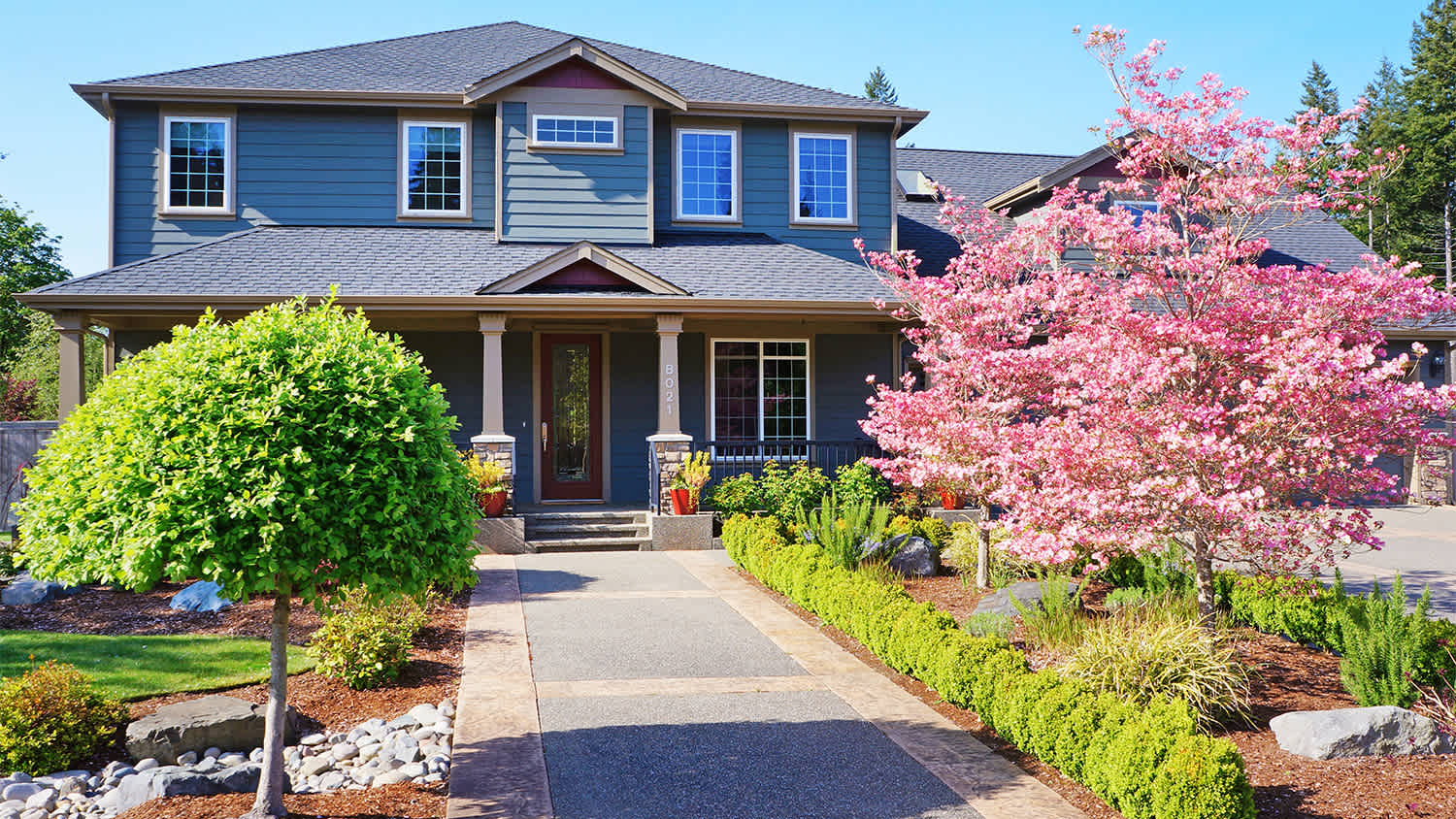
A landscape designer can elevate your outdoor space and bring your vision to life. Use this landscape design cost guide to budget for your next project.
Life can be a bed of roses when you introduce new plants to your garden

Your new plants need well-prepared soil with compost mixed in, proper sun exposure matching their needs, and enough space away from competing roots.
Expect to pay $50 to $250 for DIY planting projects, including seedlings, soil amendments, basic tools, and fertilizer to support healthy growth.
Water your transplants immediately after planting and monitor moisture levels closely for the first few weeks until the roots establish in their new location.
Hiring a local gardening professional provides expert guidance on plant selection, soil preparation, and ongoing care schedules to keep your garden thriving year-round.
Difficulty: 1/5
No experience? No problem.
Time to complete: 1 hour
Cost to DIY: $50 to $250
Every spring, your home garden offers a fresh opportunity to build a living, growing work of art. New plants bring new pollinators, add fresh color, and change the style of your yard. But as a gardener with high #gardeninggoals, we know you're looking to go beyond simply choosing a few new plants—you want to grow a healthy garden that works as a balanced ecosystem. Let's walk through how to choose, plant, and care for new plants in your harden.
Tools
Garden trowel
Pruning shears
Broadfork or hoe
Gardening gloves
Hose
Supplies
New seedlings or seeds
At-home soil test (optional)
Topsoil, compost, or fertilizer
Your local greenhouse can be a bit intimidating if you just walk in with your shopping cart and peruse the aisles of plants willy-nilly. Your yard is unique from the soil to the sunshine, so it's important to do a bit of research before choosing the right plants for your garden.
Researching your hardiness zone is step one whenever picking flowers, shrubs, veggies, or trees. Look up what hardiness zone you live in and keep this in mind when choosing plants, especially if you have yet to pass the last frost of the year.
Depending on where you live, you may have soil that is either sandy, loamy, silty, chalky, peaty, or packed with clay. Order a soil test for as little as $15 to determine its pH, texture, and composition. From here, consider treating the soil with the fertilizer it needs to support either flower, vegetables, fruits, or shrubs.
Also, keep an eye on how your soil handles water. After watering the soil with about one inch of water, check if the soil maintains a moist (but not soaked) level of wetness. If not, you may need to amend its texture and rock composition further.
Each type of plant desires different levels of sun throughout the day. Keep an eye on the sun and shade patterns in your yard. Do some patches get a straight 10 hours of sun while others stay shaded under the trees?

With your yard properly prepped, it's time to head to the garden store or buy your plants online. If you're relatively new to gardening, we recommend planting seedlings over seeds unless you choose a hardy vegetable that doesn't require an indoor start.
You will have your pick between annuals and perennials—AKA plants that come back every year or need replacing next season. Each plant should come with details on its hardiness zone, preferred sun exposure, and how much you'll need to water and prune it throughout the year.
Sun, soil, and space are all crucial to where you place your plants. For example, if you're adding new trees or shrubs with large root networks, make sure they will not interfere with your foundation, pavers, or other trees. Also, make sure sun-loving plants don't sit beneath a dense tree canopy, and that delicate flowers sit next to shrubs and trees that block heavy winds.
Line your current shrubs with colorful annuals, add tall grasses or sunflowers along the edge of a fence, or place butterfly bushes in view of your kitchen window.
Even if you're adding plants to an existing garden, it's important to set the transplant up for success. Mix compost or topsoil with the subsoil in a 50/50 ratio. During this process, till the soil around the area with a trowel, broadfork, or just your hands.
Whether you're planting a seedling or fresh seeds, be sure to follow the instructions on your packet or pot detailing the width and depth of the hole.
As a general rule of thumb, dig a hole equal to the depth of the planting container and about double the width. This gives the plant enough roof to spread its roots but doesn't place it too far into the earth.
For new seeds, dig a small hole with your finger about half the size of the seed. For example, a large seed that is a half-inch long goes one inch into the ground.

Now for the big moment. Remove the plant from its container by gently gripping the base of the stems and lighting squeezing the plastic plot. A squeeze and a jiggle should release it without damaging the root ball.
If the sides of your root ball have a thick wall of roots, lightly trim them with sheers or loosen them open with your fingers. Otherwise, simply shake the roots and soil open before placing them in the ground.
Fill soil in around the edges of the plant so it is supported enough to stand and pat down around the edges to remove large air pockets. Make sure the plant is not buried so deeply that the leaves touch the soil.
Water the plants and seeds as soon as you finish planting them. Afterward, it's important to follow the plant's unique watering instructions. Keep an eye on the rain to avoid overwatering as well. You will likely need to water your plant more in the first few weeks until its roots are fully established.
If you didn't add fertilizer to the soil during prep, now's the time to add appropriate levels of nitrogen, phosphorus, or potassium for your plant species.
Give young plants a helping hand with stakes or by attaching climbing plants to a trellis. Be sure to protect young seedlings from intruders like deer and other burrowing creatures with a fence or mesh if necessary. Lastly, consider adding a thin layer of mulch to discourage weeds, but don't overdo it—too much mulch can oversaturate your soil and lead to disease.
Your new plants may need extra care in the first few weeks, so adjust your watering, weeding, and pruning schedule as time goes on. Pruning typically occurs as buds start to dry up or if the plant becomes too dense. Remember to prune if your plants grow too close together and compete for sun or root space.
Adding a few plants to your garden, lawn, or around the pond is an easy and cost-effective DIY project. According to HomeAdvisor, the cost of a new shrub ranges from $25 to $50, while a grown tree ready to go in the ground costs between $60 and $140 a tree. Flowers and veggies seeds and seedlings range significantly, cost as low as a few dollars.
Add in the cost of basic garden tools, gloves, fertilizer, and topsoil into account as well for between $50 and $100. From start to finish, the whole project will range anywhere from $50 to $250 depending on whether you already have tools and the type of plant you choose.
If you need a local professional gardener, however, add $50 to $100 an hour, especially if you want to overhaul your entire landscape.
There are far more things to consider beyond how to get the new plant in the ground and help it grow. Let's look at some FAQs to expand your garden.
If you're not sure where to start your search, consider the style of your garden and how different plants will alter its appearance and respond to your local climate.
Begin by weeding your old garden and removing any plants beyond saving. Check your soil for its water retention, pH, and nutrient levels, and add fertilizer or compost. Once you have balanced soil, consider adding flowers that will flourish in that unique spot.
Depending on the life cycle of the plant—whether it's an annual or perennial—mid-spring or early fall are best for adding new plants to your garden. You can also add plants in the summer, but pay closer attention to moisture levels in hotter climates.
Custom Paint Jobs LLC made our home feel like a piece of art. Thank you for your creativity!
 Custom Paint Jobs, LLC
Window Depot did an amazing job on my deck. I wasnt sure what I wanted to do, but their composite decking was affordable and will last a long time. I am excited to have family over, and I am no longer embarrassed by my backyard. Jeff and the ground crew were polite, respectful, and caring for...
 Window Depot USA of Central Ohio
First of all, the gentleman I dealt with (Cam?) was very responsive to my many questions and concerns throughout the project, which is a huge plus to me. From the first time I met him for the estimate all the way til the completion of the job, he and his crew were professional and respectful....
 All Star Paving and Sealing
We had a 20+ year old landscape lighting system that needed replacement. Midwest Lightscapes worked with us to design a much improved lighting system, lighting the exterior of the house and the back yard. Installation of the 45 light system took one and one-half days, and went very smoothly....
 Midwest Lightscapes
Another great success for me on home advisor. This company did an awesome job on my landscaping and stayed within my budget. The best part, the work was complete within 2 days of my initial request. Professional and responsive. I highly recommend!
 Blue Ring Residential Services, LLC
The company no showed on me twice. The 2nd time was no call no show. They were responsive to set up the first appointment to perform the "landscape cleanup". 3 hours after their initial scheduled appointment time they called me to let me know they had some "problem" with the truck and their...
 Ruby Home and Hauling Services
Received ideas for future landscape plans...quote to do the work seemed a bit high but I did not have any other quotes to compare it to, so perhaps that is the going rates. <br />
 Landscapes By Terra, Inc
All around they have done a really great job. <br /> I have used JL Landscapes for the past 8 years. I own and operate my own commercial/residential real estate company where we own, operate, and maintain our own properties. JL Landscapes has been our exclusive landscaper for both our...
 J.L. Landscapes
Bought a half a cord of firewood from Pitzer with stacking last month. I waited to report so I could see how the wood burned. <br /> <br /> I have three pet peeves regarding landscapers, but Pitzer scored "A"s regarding all three. First, rather than having customers "leave a message" and...
 Pitzer Landscaping
I left a message on Sunday requesting to schedule a time to obtain an estimate/walk-through and received a return call in the morning of the following Monday. Mark worked with me and agreed to schedule the estimate/walk-through for the following Saturday. When Mark arrived for the...
From average costs to expert advice, get all the answers you need to get your job done.
A landscape designer can elevate your outdoor space and bring your vision to life. Use this landscape design cost guide to budget for your next project.
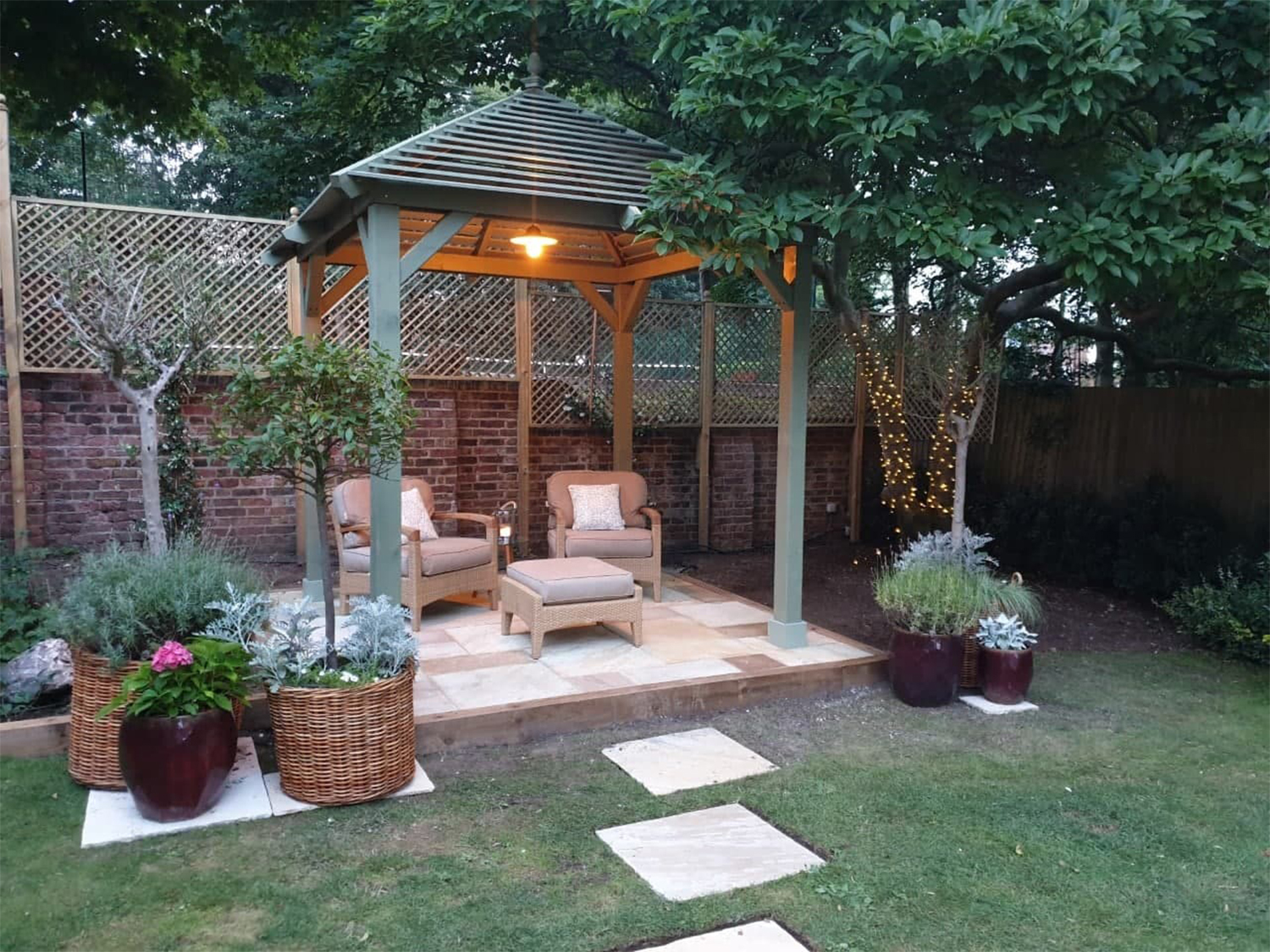
You don’t need garden beds or a giant lawn to create an attractive landscape. Refresh your yard with these ideas for landscaping with potted plants.
Your yard can be a functional, appealing extension of your home. Learn how to design a landscape that brings out the beauty of your property.
When you’re ready to get your design ideas out of your head and into a landscape design plan, it’s time to learn the key landscaping parts.
The first hanging blueberry bush, striped bell peppers, and rose lilies with layers of pink petals—here are the 2022 new plants you need to see for yourself.
Adding color to your landscape is all about color theory. Boost your curb appeal by thinking beyond the average green shrubbery and bringing in the rainbow.