•
Get transparent shrub removal cost info. Learn average prices, key cost factors, and tips to save on your next shrub removal project.
Get to the root of your unhealthy trees and shrubs

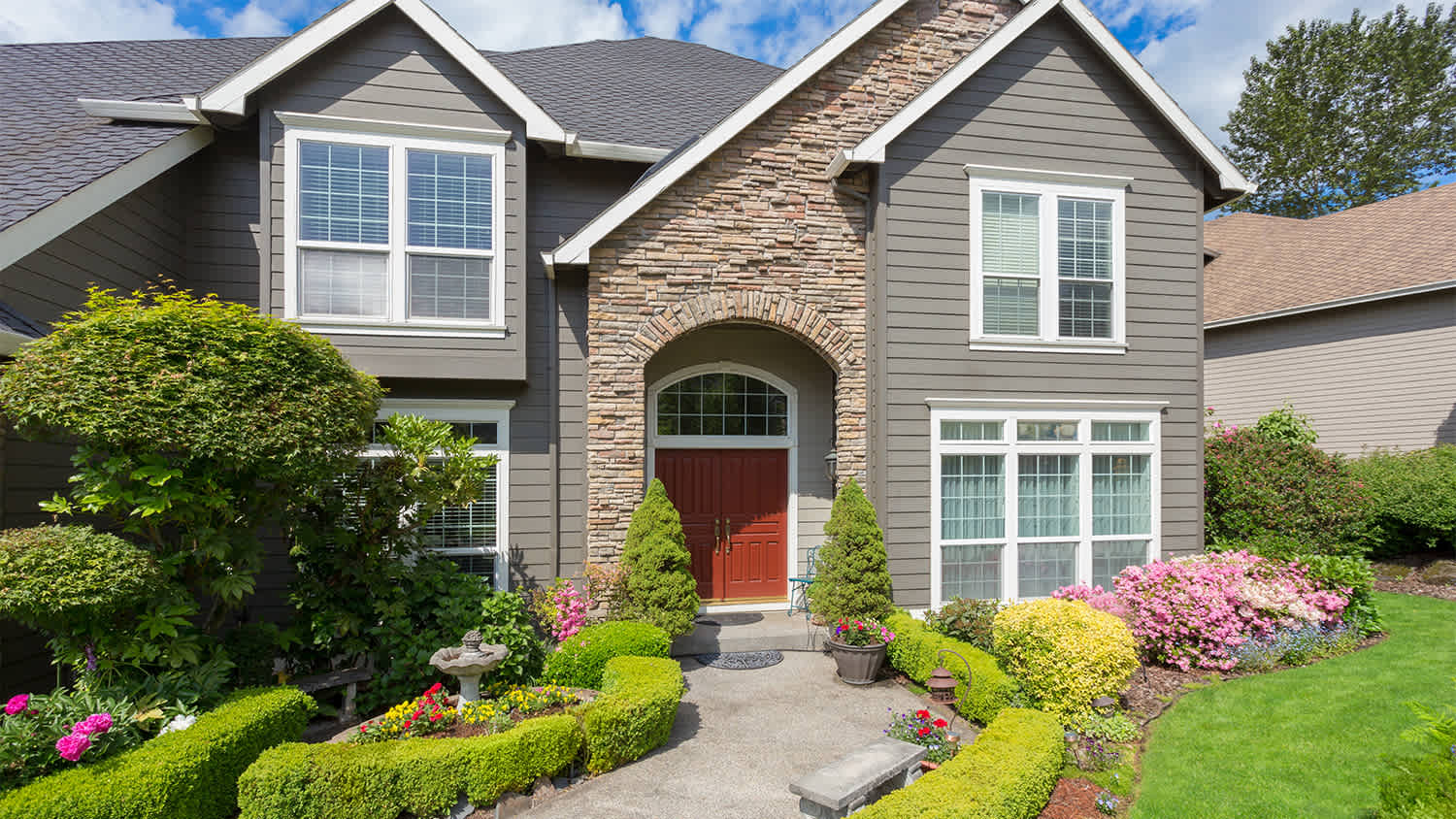
Your trees and shrubs need proper placement based on their sunlight needs, with sun-loving varieties in full sun and shade-tolerant plants near structures.
Planting trees too close to your home can damage your foundation over time, so place large trees about 15 to 20 feet away.
Check for root issues like compacted roots or girdling roots before planting, and trim or loosen the root ball to help roots spread properly.
Hiring a local landscaping professional keeps your planting on track with proper hole sizing, root collar placement, and healthy watering schedules for new trees.
There’s nothing worse than spending money on shrubs and trees to give your front lawn a boost, only to have them die a few months later. If you want your yard to look its best, it’s important to take time to plant your new leafy friends properly.
There’s more to it than picking a sunny spot and digging out the dirt. Before you start planting trees and shrubs, be sure to avoid these common shrub and tree planting mistakes.
First thing’s first—You need to select plants that will work well in your yard, and you need to plant them where they’ll thrive. If your plot of land gets a lot of sunlight, you want trees that require full sun.
For shrubs against the house that won’t see as much light, you’ll want to stick to varieties that grow well in shade or partial shade. You should also keep climate in mind: Pick trees and shrubs that don’t require much rain if you live in a desert area, or stick to plants that can survive the cold winters if you live in a snowy location.
Once you’ve purchased plants, make sure you place them in the best locations around your yard. Sun-loving trees should go in spots that receive the most sun, and shrubs that need shade should be planted among the shadows of your home.
Another thing to consider with large trees—don’t plant them too close to home. Those roots will grow far and wide over time, and they could disrupt your home’s foundation and cause expensive damages. Plant trees about 15 to 20 feet away from structures.
Trees can experience something called transplant shock, which makes it harder for them to get established in their new soil. The key to avoiding transplant shock is to find trees with healthy root systems. When you’re picking a tree, its root ball should be about 10 to 12 inches for every inch of tree diameter.

Another common tree planting mistake, aside from transplant shock, is ignoring root issues. Two common issues include compacted roots for trees sold in pots and girdling roots. While you could plant these trees with no issues at first, they may begin to suffer after a few years.
Many home improvement stores and nurseries sell trees in pots, but this can compact the roots and make the tree root-bound. If you do end up with a root-bound tree, use pruning shears to loosen up the root ball. You may need to trim the bottom third of the root ball or score the sides and bottom of the root ball to give those roots space to spread out when planted.
Another issue that you may find is that your roots have a chokehold on the tree trunk, and this is known as girdling root. Cut off roots that are wrapped around or starting to wrap around the tree trunk. Otherwise, these roots will continue to grow and can prevent water and soil nutrients from reaching the tree.
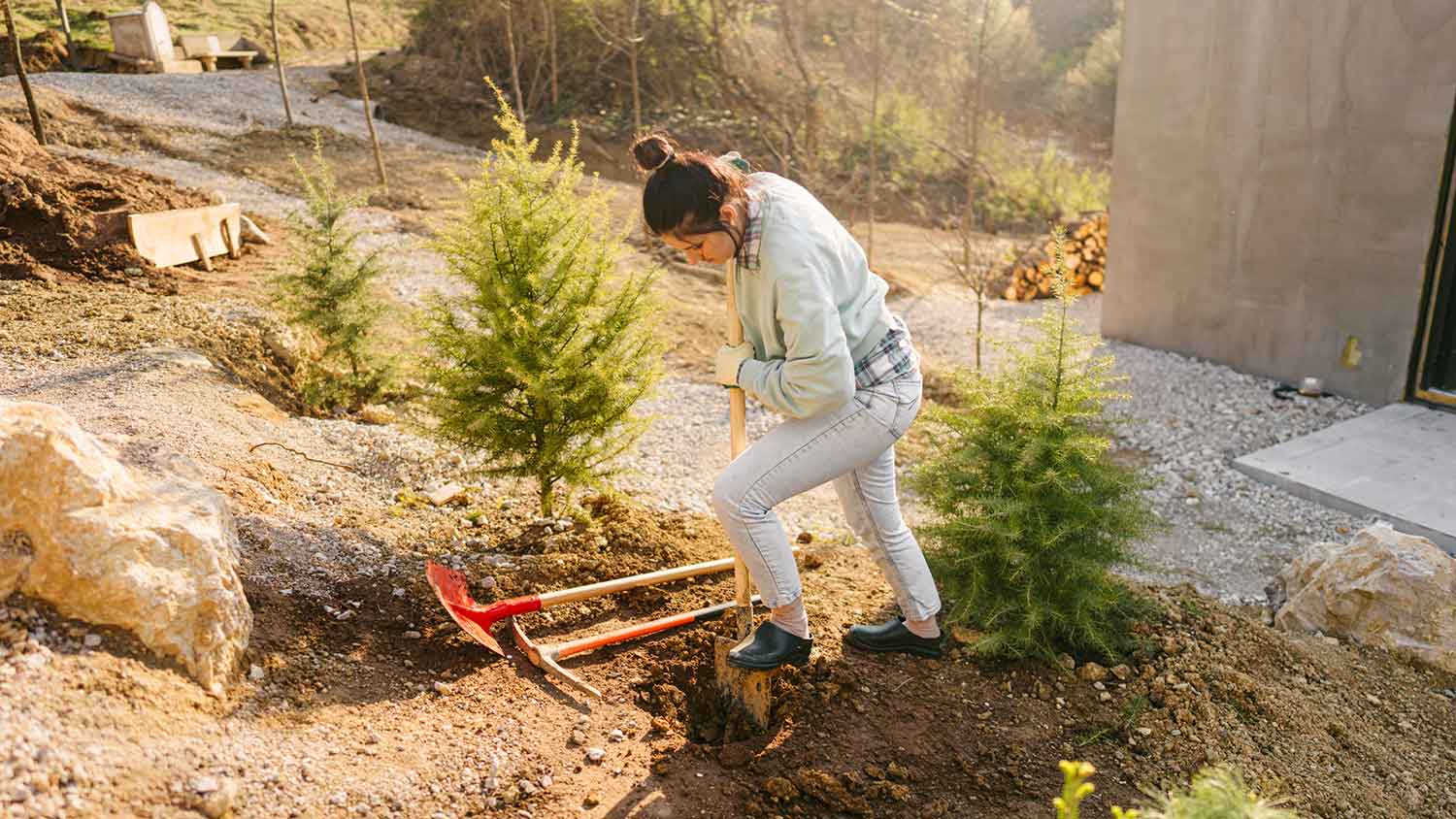
If your planting hole is too narrow, your plant’s roots won’t have the space to grow through the soil. In general, the hole should be about two or three times wider than the diameter of the root ball. This will help loosen up the soil around the roots, so they can spread out and get established quickly.
The hole for your trees and shrubs should be wide, but not too deep if you want to avoid this common tree planting mistake. Really, you just need enough depth for the root ball. If a tree’s root collar, where the roots meet the trunk, is too deep, the tree could experience stunted or slow growth, yellowing leafs, branch die-back, or even death of the plant.
The root collar should be about two inches above ground level. The next time you walk through your neighborhood and see a massive, healthy tree in your neighbor’s lawn, take a closer look. You’ll probably notice its root collar thriving just around ground level.
You’ve probably seen this in other yards or even on freshly planted trees and shrubs at shopping centers or schools. There’s mulch piled up around the base of newly planted trees or shrubs. But you shouldn’t do this because that mulch will retain moisture and hold it up against the stem or trunk of the plant. This can cause the area to decay and may invite pests.
If you’re adding mulch, spread two to three inches of mulch in a donut shape around the tree or shrub, leaving the trunk or stem exposed.
Many plant-lovers worry about underwatering their plants, so they scramble to buy little gadgets that provide steady water or set up sprinklers and irrigation systems to keep water flowing. But overwatering is a common planting mistake that causes unhealthy or dying trees and shrubs. Overwatering may cause root rot and can prevent oxygen from reaching the roots.
To maintain healthy trees, water your trees and shrubs after planting them, allowing the soil to saturate but not get soggy. Then, let the soil dry completely before you water it again. If you live in a dry or hot area, you may need to water more often.
If you’re struggling with keeping your plants and trees healthy, a landscaper in your area can help you avoid common tree planting mistakes.
This service was great. My air conditioner went out during the heat spell that we had. My husband has health issues and they came out that night and at 9:30pm the air conditioner was fixed and running. We are sooo very thankful, this is the company I will be using from now on and would...
 Mr. Mechanical Ohio
One of my old tall evergreen trees was suddenly leaning toward the busy street in front of my house. I submitted a request for an emergency tree inspection, and Alejandro, owner of Cajete Tree Service, contacted me immediately and arrived to look at it just 20 minutes later. We agreed the...
 Cajete Tree Service LLC
1 tree was cut down and 5 others including a large willow tree were trimmed. The Grant Tree Service men were professional and cleaned up afterwards. The cost of the 6 trees were affordable. I am very happy with the results. I would hire them again.
 Grants Tree Service
D1 Roofing delivers outstanding service from beginning to end, backed by a strong warranty and expert teams. I highly recommend them for their excellence in meeting and surpassing expectations with unmatched communication. Choosing D1 Roofing was flawless decision
 Division 1 Roofing LLC
Promptly arrived for quoting! Demonstrated superb customer service, affordable pricing, and completed service swiftly! Looking forward to the spring for our service!
 All Star Paving and Sealing
Seth was very professional, prompt in responding to queries about the work required , gave sincere advice as to what would be best for tree trimming and did the job timely.
Ace Fireplace Services' chimney sweep service is truly exceptional. They used advanced technology to ensure a thorough cleaning process, and my chimney has never looked better. I highly recommend their services.
 Ace Fireplace Services
I definitely recommend Ramonaâ s cleaning service! I have booked services with her many times and she arrives on time, ready to work and provides a great service.
 Your Cleaning Solutions LLC
Webb â s was priced well, flexible on scheduling, great with communication, and detailed in their work. Iâ ll definitely use their services again.
 Webbs Pressure and Paint LLC
Great tree company, very professional and honest. Glad we found them, they had the best pricing
From average costs to expert advice, get all the answers you need to get your job done.
Get transparent shrub removal cost info. Learn average prices, key cost factors, and tips to save on your next shrub removal project.
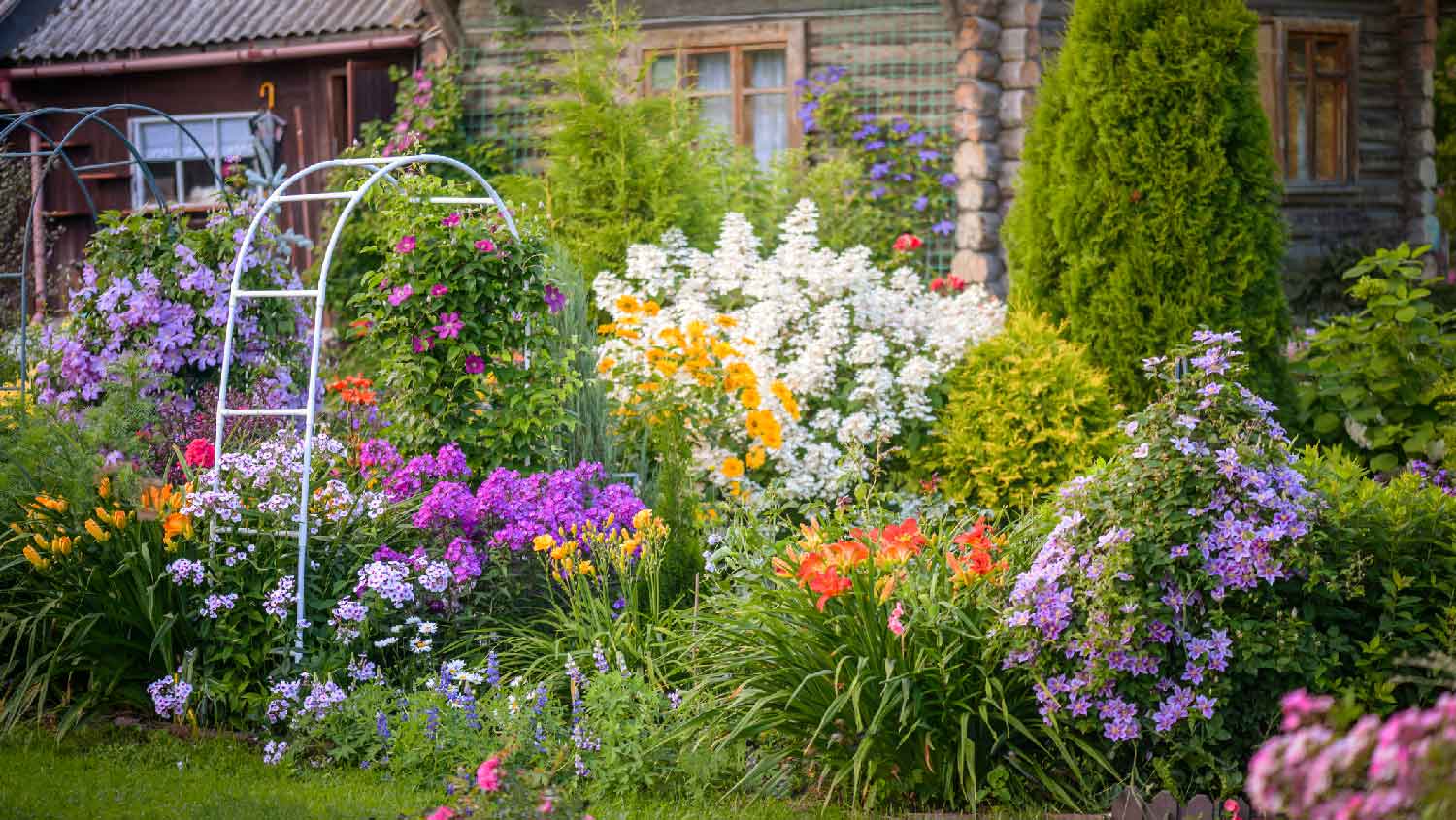
You’ve got big plans for a new shrub. We’ve got the guide you need on how to plant a shrub correctly for the best results.
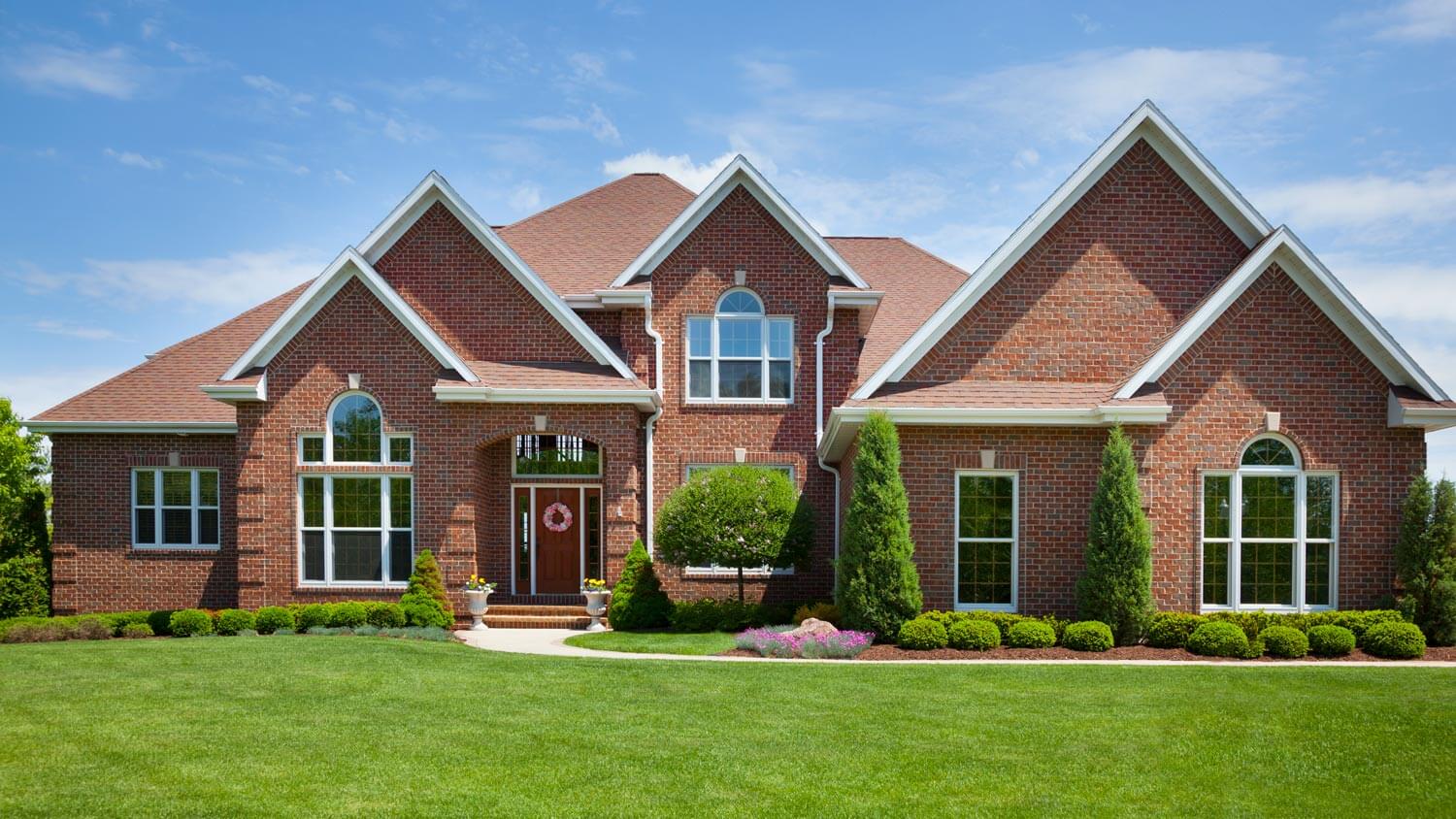
Are you looking for drought-tolerant trees and shrubs to add to your yard? Read on for a round-up of smart landscaping choices.
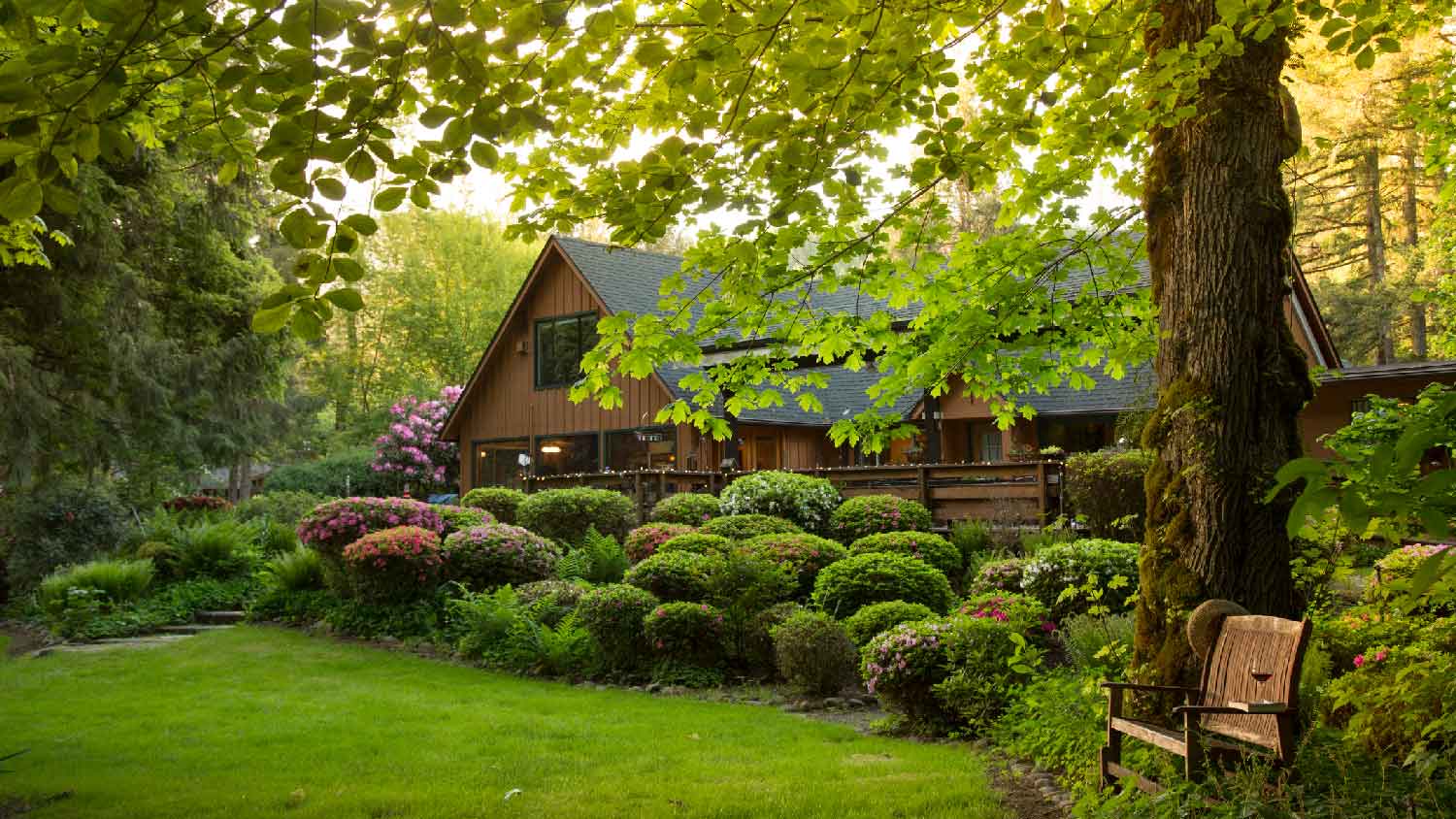
It’s important to trim bushes and shrubs, but each plant type prefers a certain time of year to be trimmed. Learn when to trim bushes and shrubs in this guide.
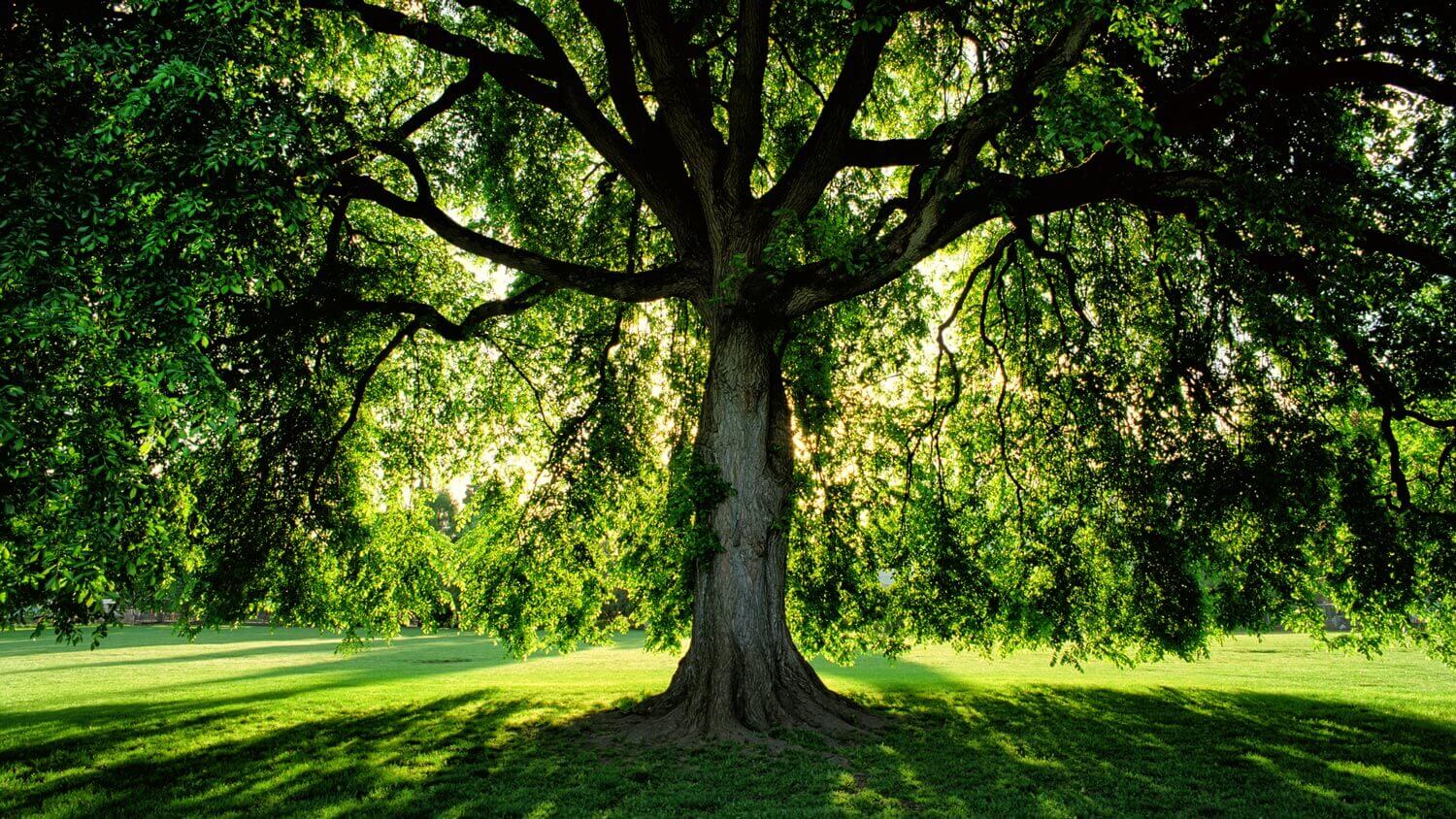
They say to plant a tree, but not all trees are alike. Check out these seven reasons why you should not plant a tree before you make a costly mistake.
Wondering when is the best time to plant trees? This guide covers everything you need to know about timing, climate, and species to ensure your trees thrive.