
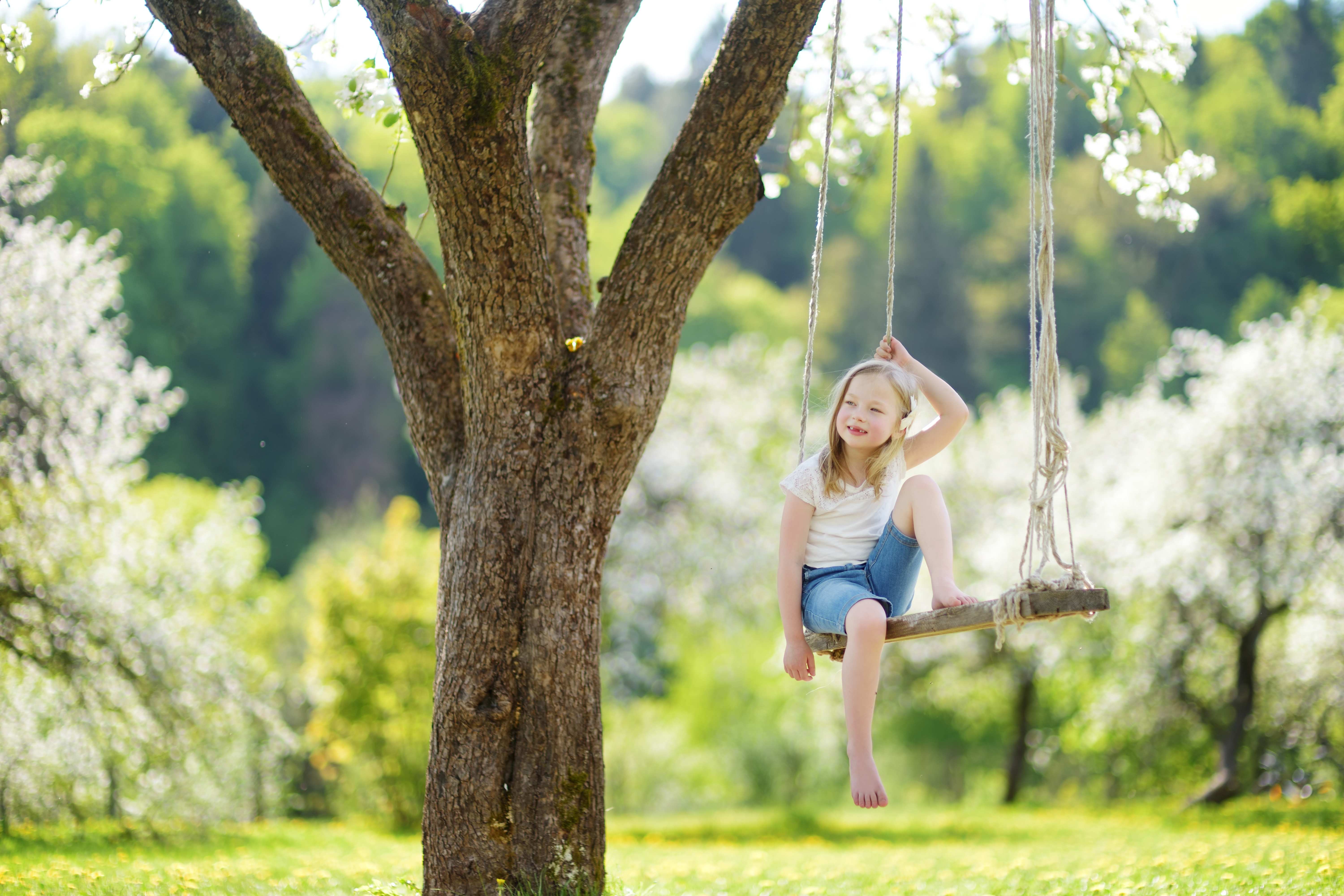
The right size trees can create the ideal landscape. Learn more about tree sizes and how to choose the right size tree for your yard.
Here’s the dirt on what not to do in your yard

Planting too close together leaves your plants without enough room to grow properly, which leads to overcrowding and prevents them from looking their best.
Ignoring your plant's hardiness zone means spending money on perennials that won't survive winter, so check your zone before investing in new plants for your garden.
Overwatering or underwatering harms your plants more than most other landscaping mistakes, so check soil moisture twice a week and water when the top two inches dry out.
Hiring a local gardening professional provides expert guidance on plant spacing, fertilizing schedules, and pruning techniques that keep your garden healthy and thriving year-round.
Gardening is all about experimentation. What works in one yard might not thrive in another. But even the most experienced gardener can sometimes make mistakes. From overplanting to underwatering to ignoring a plant’s gardening zone, these are some of the most common missteps when it comes to landscaping your lot.
You want the most enviable garden on the block, but having a beautiful garden takes patience. Even if you have a big landscaping budget and can purchase larger-sized, mature plants, your plants still need room to grow to look their best.
Note the height and width of the plants you invest in and give them space to grow.
Use annuals to fill in gaps in your garden beds in the meantime. Annuals have shallow roots and won’t impact the growth of most perennials.
While it’s true you want plants of varying height for visual interest, think about where you put the tallest-growing plants compared to the others. Many plants can appear to be the same size when you bring them home in one-gallon nursery pots, but it doesn’t take long before taller plants start to overshadow.
Walk around your garden bed and view it from different angles before planting.
Plant tall plants toward the middle or highest point of a garden bed, and graduate height size from there.
When planting against a wall or a fence, plant the tallest plants toward the back.

There’s no arguing that most gardens look pretty glorious in the summer, but fail to think about the other seasons and you’ll go from showy to solid green by August. Stagger your bloom times by adding flowers and perennials that bloom throughout the growing season, from early spring bloomers to showy fall perennials.
Plants fall into three main categories of light requirements: full sun; partial sun/partial shade; and shade. Don’t underestimate the importance of the plant’s optimal light conditions. While many plants can survive for a time in the wrong light conditions, they certainly won’t thrive. Not enough light can make plants leggy or prevent blooms. Too much light, and those tender shade plants will burn.
In addition to noting the light requirements of any plant you purchase (almost always on the label or tag from a nursery), it is also wise to think about how the sun moves during different seasons, including if trees or buildings block light.
Try mapping out the basic cardinal directions in your yard to develop a landscaping plan for your garden following these general guidelines:
South-facing beds get the most, all-day sunlight.
East-facing means morning sunlight and is good for partial sun plants.
West-facing means afternoon light, partial sun to full sun, depending on how hot it gets.
North-facing is typically less direct sunlight so shade plants will do better here.
Here’s a common landscaping mistake to avoid: Before you spend a fortune on your favorite perennials, make sure they can survive winter in your hardiness zone. If you don’t know your zone already, the USDA plant hardiness map will give you the number you’re looking for.
You can still put plants that don't match your zone in your garden; just think of them as annuals as they will likely not survive through the cold snap of the winter.
Plants get their nutrients from the soil, but all dirt is not equal. Depending on where you live, the soil may be sandy, heavy with clay, or even have toxins in it. Before you undertake any major gardening project, test your soil to see what your PH level is.
Generally speaking, you want a PH level between 5 and 7. Amend your soil based on the results.
Acidic soil can balance out with lime.
Alkaline soil can balance out with sulfate.
Amend sandy soil with manure, compost, or leaf mulch.
Amend clay soil with a rich mix that includes some peat, compost, and mulch.
Aerate clay soil regularly to avoid compaction.

Incorrect watering is one of the most common problems the average gardener experiences. And just how much water your plants need will depend on seasonal factors, such as rainfall and humidity, along with the plant’s drought tolerance.
The best rule of thumb is to water when the top two inches or so of soil has dried out.
Growing seeds need more frequent watering.
Check your garden beds twice a week to see if the soil is moist enough.
Overwatering happens more frequently than underwatering.
Signs of overwatering in a perennial garden include soggy soil that smells rotten, powdery mildew, rotting stems, drooping plants, and leaf drop.
Signs of underwatering include wilting plants, dry cracked soil, dry leaf edges, flower drop or failure to flower, and curling leaves.
Invest in a drip irrigation system with a timer. It will save you money and avoid killing plants from watering mistakes.
From the slope of your lawn to the placement of garden beds near your house, its essential landscape to prevent basement flooding. Keep a gradual slope away from your home’s foundation so that when it rains or you water, the water flows away from your basement, not toward it.
The idea that giving a plant more food will make it grow more is common but misguided. You want your plants to have the right amount of nutrients. Over-fertilizing can cause plants to burn and can attract pests.
By contrast, even if you amend your garden soil, most perennials, trees, and shrubs require some form of fertilizer in the early spring. And certain plants have very specific requirements to thrive.
How you fertilize a lawn is vastly different from how you would fertilize an azalea. Not fertilizing will stunt your plant's growth and decrease blooms.
Just as with light conditions and plant growth, read your labels for suggested plant feeding routines.
Talk to a pro at a local nursery or garden center for tips on when to feed, and what fertilizers they’d recommend.
Many new gardeners are timid about cutting plants back, but this landscaping mistake can hurt your garden’s health. With a few exceptions, most plants are actually pretty forgiving, and overall pruning is good for them. For flowering plants, cutting back blooms can actually encourage new flowers to form, extending the blooming season of the plant.
There are a few basic rules of pruning, including having the right type of pruners for your plants and pruning after growth or leaf drop (for most climates, this is in the late fall or early winter). It is easier than you think to do some basic pruning, or hire a local gardener to spruce your garden up for you.
Custom Paint Jobs LLC made our home feel like a piece of art. Thank you for your creativity!
 Custom Paint Jobs, LLC
Window Depot did an amazing job on my deck. I wasnt sure what I wanted to do, but their composite decking was affordable and will last a long time. I am excited to have family over, and I am no longer embarrassed by my backyard. Jeff and the ground crew were polite, respectful, and caring for...
 Window Depot USA of Central Ohio
First of all, the gentleman I dealt with (Cam?) was very responsive to my many questions and concerns throughout the project, which is a huge plus to me. From the first time I met him for the estimate all the way til the completion of the job, he and his crew were professional and respectful....
 All Star Paving and Sealing
We had a 20+ year old landscape lighting system that needed replacement. Midwest Lightscapes worked with us to design a much improved lighting system, lighting the exterior of the house and the back yard. Installation of the 45 light system took one and one-half days, and went very smoothly....
 Midwest Lightscapes
Another great success for me on home advisor. This company did an awesome job on my landscaping and stayed within my budget. The best part, the work was complete within 2 days of my initial request. Professional and responsive. I highly recommend!
 Blue Ring Residential Services, LLC
The company no showed on me twice. The 2nd time was no call no show. They were responsive to set up the first appointment to perform the "landscape cleanup". 3 hours after their initial scheduled appointment time they called me to let me know they had some "problem" with the truck and their...
 Ruby Home and Hauling Services
Received ideas for future landscape plans...quote to do the work seemed a bit high but I did not have any other quotes to compare it to, so perhaps that is the going rates. <br />
 Landscapes By Terra, Inc
All around they have done a really great job. <br /> I have used JL Landscapes for the past 8 years. I own and operate my own commercial/residential real estate company where we own, operate, and maintain our own properties. JL Landscapes has been our exclusive landscaper for both our...
 J.L. Landscapes
Bought a half a cord of firewood from Pitzer with stacking last month. I waited to report so I could see how the wood burned. <br /> <br /> I have three pet peeves regarding landscapers, but Pitzer scored "A"s regarding all three. First, rather than having customers "leave a message" and...
 Pitzer Landscaping
I left a message on Sunday requesting to schedule a time to obtain an estimate/walk-through and received a return call in the morning of the following Monday. Mark worked with me and agreed to schedule the estimate/walk-through for the following Saturday. When Mark arrived for the...
From average costs to expert advice, get all the answers you need to get your job done.
The right size trees can create the ideal landscape. Learn more about tree sizes and how to choose the right size tree for your yard.
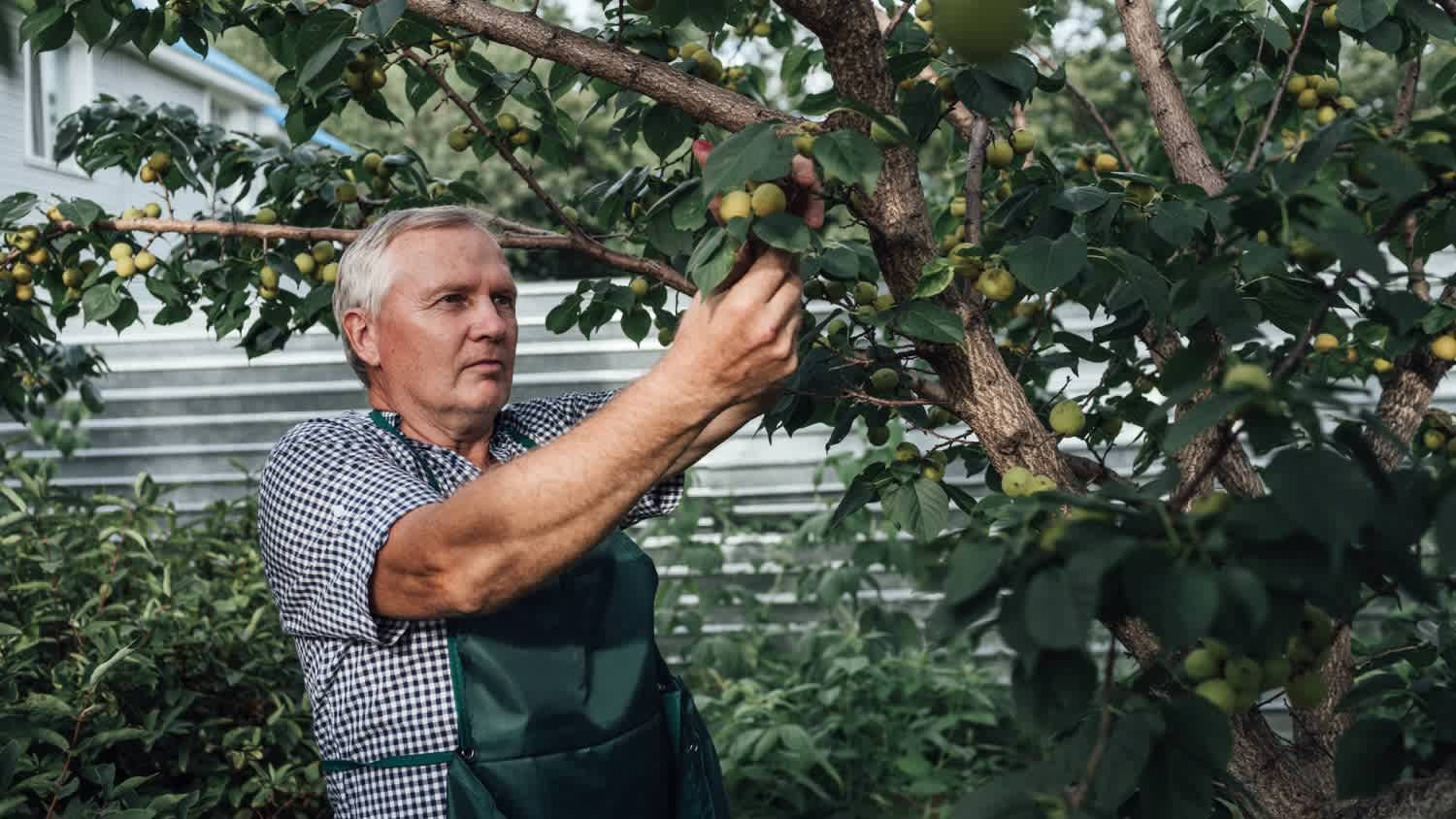
Trees add beauty to any property, but the right ones could add value, too. Here’s a guide to what types of trees can improve your home’s curb appeal.

New trees and shrubs can liven up a lawn, but improper planting will leave you with a plant graveyard. Keep your trees healthy by avoiding these common planting mistakes.
Your carpet will inevitably get dirt and stains on it. Avoid these cleaning mistakes to prevent making the mess worse and to extend the life of your carpet.

Before you build a new patio or walkway, learn common paver installation mistakes that can affect how your project looks and how long it’ll last.
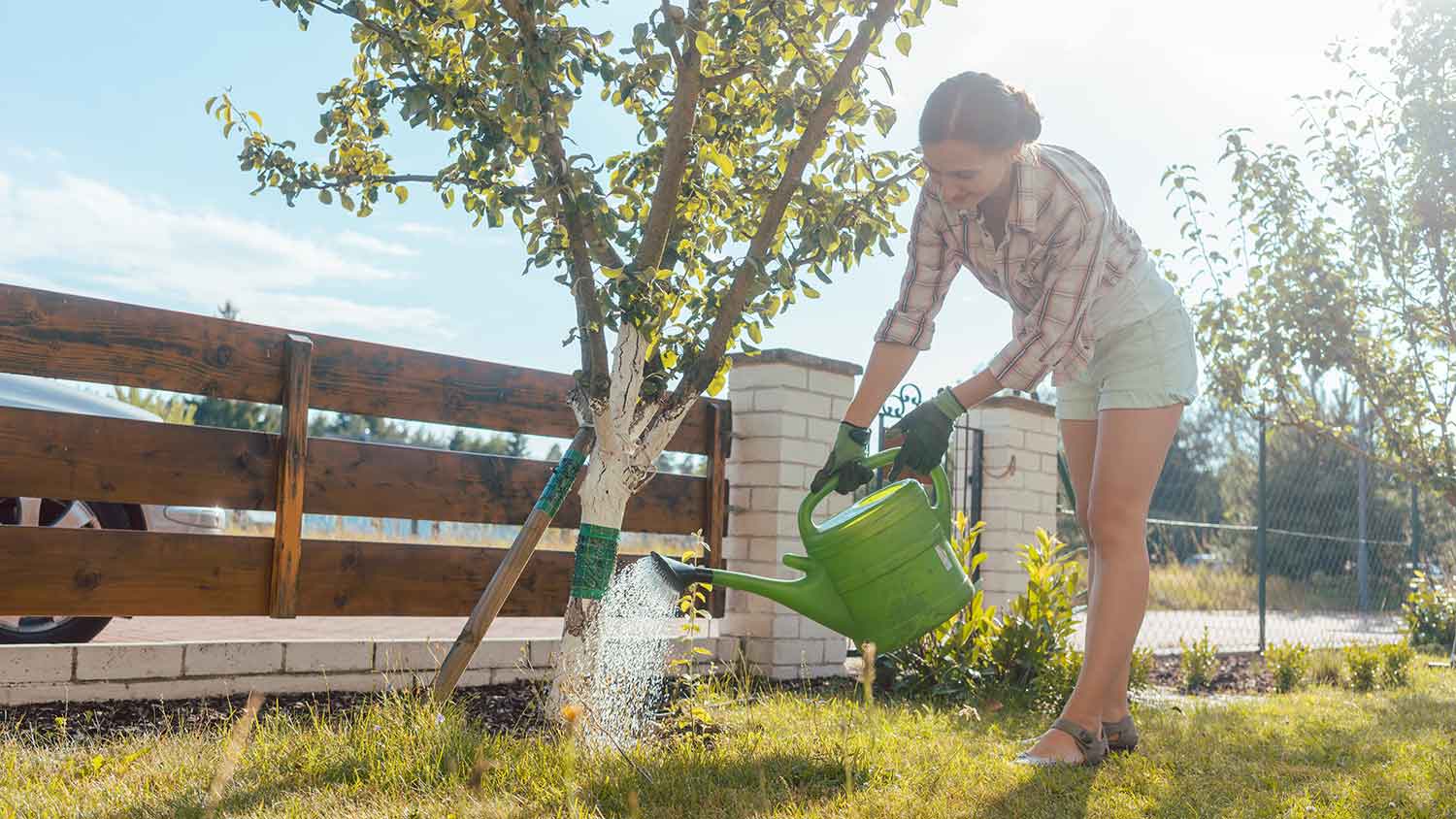
Can you overwater a tree? Learn what can happen from overwatering, the signs your tree is suffering from too much water, and how to save it.