
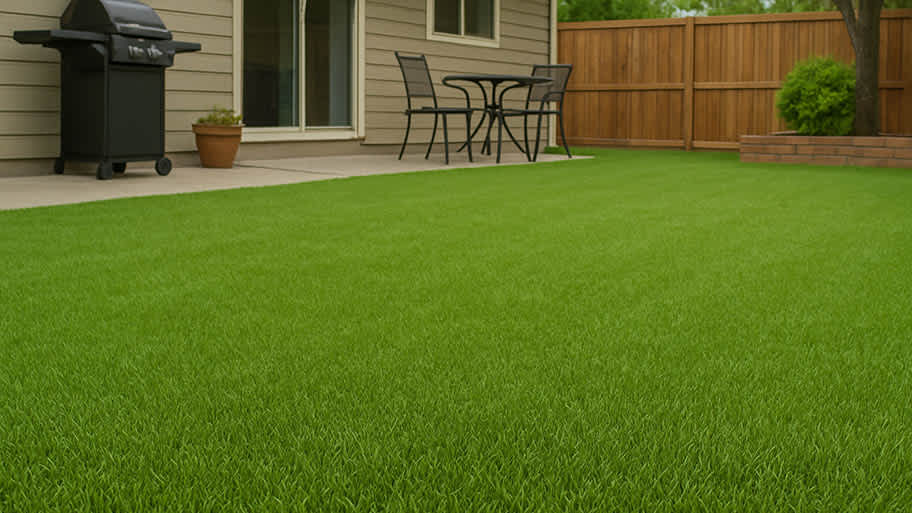
Artificial grass is a low-maintenance alternative to traditional turf. Learn how much artificial grass installation costs and what affects your price.
Let’s cut to the chase: No, they’re not the same

Artificial grass versus turf comes down to synthetic materials that mimic real grass while turf refers to natural organic grass species mown short.
Artificial grass installation costs $3,000 to $8,700 for a full yard, while turf installation ranges from $1,000 to $3,000 for your lawn.
Your artificial grass stays green year-round with minimal upkeep, but natural turf self-heals when damaged and keeps your yard cooler in summer heat.
Hiring a local artificial grass installing professional takes the guesswork out of ground prep and drainage layers, helping you choose the best option for your space.
Are you looking for an alternative lawn option to serve as a reliable playground, sports area, or yard? Two of the most common options are artificial grass and tough turf. You can find both in fields and parks across the country—but what works best for you?
Turf is affordable and self-sustaining, but it requires more maintenance, while artificial grass saves on water but tends to fade in heavy, direct sunlight. Check out the pros and cons of artificial grass and turf before hiring a pro to install the best option for you yard..
Beyond the organic, synthetic origins of the two grass options, artificial grass and turf can look quite different. Turf, common in fields and sports areas, is cut very short, while artificial grass is available in many lengths and shades. Artificial grass is often softer than natural grasses. But that’s just the start of their differences—let’s take a closer look.

Artificial grass is synthetic grass that’s made to look and feel like its natural counterparts (just without all the mowing and watering). It’s made with polyethylene, polypropylene, or nylon materials, each serving its purpose, giving you different types of artificial grass. Let’s look at what makes it a must-have for some homeowners and things you should consider.
| Pros | Cons |
|---|---|
| Realistic looking and plush | Pricey |
| Low maintenance and water needs | Hot in the summer |
| Usable indoors and outdoors | Looks worn down over time |
| Plusher and more uniform than organic turf | |
| Available in many shades and styles |
Best for:
Low-traffic areas so it doesn’t get worn down too quickly and reduce its life span
Homeowners who want the aesthetically pleasing look and feel of real grass
Yards that children play and pets roam around on
Not much inconvenient downtime: Rainy weather and pest control limit when you and your family can use your lawn. But since artificial grass dries out quickly (and doesn’t harbor pests), you can continue using it in hours, not days.
Low maintenance: Artificial grass is, well, artificial, so it doesn’t come with the same maintenance requirements as natural grass, like mowing, edging, and seeding. You don’t need to worry about brown spots, fungus, or bare patches that aren’t growing properly.
Saves water: Artificial grass doesn’t need water, making it an effective way to save on water costs and meet local water regulation laws in drier areas.
Resembles natural grass: It has a natural grass color, realistic blades that come in different lengths and designs that sway in the wind, and is soft underfoot.
Versatile: Since it’s so realistic, you can use artificial grass anywhere you want a pop of green, like a sunroom, backyard, or balcony.
Looks worn over time: Artificial grass is made for looks, not built for constant wear and tear. It can start looking flat and worn after continuous use in high-traffic areas.
Initial cost: This synthetic grass can last for years, saving money on mowing and watering your lawn. However, on average, artificial grass costs around $7–$17 per sq. ft.
Gets hot in the summer: While certain materials that artificial grass is made with can reduce its heat, it can still get fairly hot and might need to be lightly sprayed with water to cool it off.
Can trap bacteria: It can trap blood, skin, and animal waste, leading to bacteria like staphylococci breeding in your grass. So, while you don’t need to mow your lawn, you’ll still need to clean it.
Turf refers to types of lawn grass and sod layers that work best when mown short and regularly. This option is preferred for areas with moderate foot traffic. For that reason, turf grasses are often found on sports fields, parks, and play areas.
Common species used as turf include Kentucky bluegrass, Bermuda grass, St. Augustine, Perennial ryegrass, and Zoysia. While turf requires more maintenance and upkeep than artificial grass, it comes with extra benefits like a cool, organic feeling and the ability to prevent erosion.
| Pros | Cons |
|---|---|
| Affordable | Tears under heavy traffic |
| Erosion control | Requires regular watering, mowing, and care |
| Sustainable | Doesn’t grow easily everywhere |
| Excellent longevity |
Best for:
Parks, fields, and play areas that see moderate activity
Areas that need erosion control
Places where irrigation is easy and effective
Lawns that benefit from a cool, refreshing groundcover
More affordable than synthetic options: Whether you are laying sod or seeding bare patches, turf is a more affordable option than expensive synthetics.
Excellent erosion control: Turf species excel at erosion control and make great choices for dusty hills and similar spots.
Keep yards cool: Unlike artificial grass, turf will help cool down an area, making it a great choice for homes in high-temperature climates.
Self-healing and long-lasting: Turf can grow back and heal when damaged, and with proper care, turf will last as long as a house.
Tears under heavy traffic: While turf can withstand sports and play in moderate amounts, heavy foot traffic will tear it and cause bare spots.
Requires regular water and care: Organic turf needs regular watering and frequent mowing during growth seasons. It also often needs additional maintenance, such as fertilizer and pesticide application.
Doesn’t grow easily everywhere: Turf species are resilient but have preferences about the amount of sun and shade they need, so not every species will grow easily in arid climates.
Choosing between artificial grass and turf can be a tough call. It pays to think about what each material offers and the type of area you want to cover. Here’s a breakdown of both products to help you decide.
One of the benefits of artificial grass is that it has a tidy, green look—and it doesn’t go away. Plus, artificial grass is available in a number of shades and appearances, so you can customize it or find a look that matches your old lawn. The downside is that artificial grass can get stained by large messes or pet urine.
Turf grasses look beautiful, but they take time to grow and maintain, and it’s more difficult to guarantee their appearance. They are also sensitive to changes in shade and sunlight, and may go dormant in winter, which are problems that artificial grass doesn’t have.
If you’re worried about affordability, turf is an easy choice. It’s much less expensive to install a layer of organic turf, costing homeowners between $1,000 and $3,000 for a full sod installation. If you only need to cover a few patches of bare ground, you can choose to seed it instead, which is even less expensive.
Artificial grass, on the other hand, requires a lot of preparation and multiple ground layers to install properly, and it often needs to be handled by local artificial grass installers. A full yard installation costs homeowners between $3,000 and $8,700 on average.
Artificial grass is very tough underfoot. It can stand up to heavy use and foot traffic, then spring back with minimal loss in appearance. Constant use may flatten it over time, especially varieties with longer blades, but it remains the best choice if you’re tough on your lawn.
Turf is one of the toughest organic grasses, which is why it’s used in so many sport fields, but it’s more vulnerable than artificial grass. Cleats can rip and tear it, heavy toys can damage it, and and bikes or four-wheelers can tear it up. It’s much slower to recover than artificial grass, too.
While turf may be slow to recover, it can recover over time and flourish with proper care. Well-maintained turf grasses can last the life of a house, and you don’t have to worry about them suddenly reaching the end of their lifespan. Artificial grass, while tough, lasts a couple of decades before it needs replacing, especially with heavy traffic.
Artificial grass requires maintenance, including weed control, cleaning, animal and pest prevention, and more.
Organic turf requires more maintenance, such as regular watering, frequent mowing during growth seasons, and prevention tasks for weeds, moss growth, and bug infestations.
Organic turf needs to be watered frequently, especially during its growing seasons. Artificial grass allows homeowners to save a lot of money on watering. That’s even more useful in areas that are affected by droughts or cities that have strict water regulations.
However, that doesn’t mean artificial grass doesn’t need water at all. When installed, it will need proper drainage so standing water after rainfall won’t become a problem. The grass also benefits from occasional “watering” to keep it clean and prevent stains.
Artificial grass takes a lot of work to install, including several layers for drainage, leveling, weed barriers and infill. That adds up to a lot of materials and labor during the installation process, requiring hiring a local artificial grass installer.
Organic turf, in comparison, is very easy to install. You either roll out sod or scatter seed, depending on your goals, then water it well and keep an eye on progress in the coming weeks. Turf takes time to establish, usually a few weeks to a couple of months, but as long as you have patience, it’s not a lot of work.
You can put artificial grass nearly anywhere, especially spots where organic turf won’t grow. That includes indoor areas like sunrooms and outdoor spots like around swimming pools, patios, or balconies. The biggest caveat is that artificial grass can grow unpleasantly hot in the sun, and in more confined spaces it can have a “plasticky” smell, especially when it’s new.
Turf is limited by its water, shade, and light needs as well as accessibility with a mower.
Artificial grasses are made from materials like polypropylene, polyethylene, and nylon, so it isn’t a sustainable option. While artificial grass saves water and fuel otherwise spent mowing, it also releases microplastics into the environment.
Turf requires water and some use of fertilizer or pesticides, but it also comes with many environmental advantages. Turf helps cool down the area where it’s planted and can act as excellent erosion control. It can help improve the soil where it's planted, and provides a more hospitable environment for nearby wildlife and the overall ecosystem.
Custom Paint Jobs LLC made our home feel like a piece of art. Thank you for your creativity!
 Custom Paint Jobs, LLC
Window Depot did an amazing job on my deck. I wasnt sure what I wanted to do, but their composite decking was affordable and will last a long time. I am excited to have family over, and I am no longer embarrassed by my backyard. Jeff and the ground crew were polite, respectful, and caring for...
 Window Depot USA of Central Ohio
First of all, the gentleman I dealt with (Cam?) was very responsive to my many questions and concerns throughout the project, which is a huge plus to me. From the first time I met him for the estimate all the way til the completion of the job, he and his crew were professional and respectful....
 All Star Paving and Sealing
We had a 20+ year old landscape lighting system that needed replacement. Midwest Lightscapes worked with us to design a much improved lighting system, lighting the exterior of the house and the back yard. Installation of the 45 light system took one and one-half days, and went very smoothly....
 Midwest Lightscapes
Another great success for me on home advisor. This company did an awesome job on my landscaping and stayed within my budget. The best part, the work was complete within 2 days of my initial request. Professional and responsive. I highly recommend!
 Blue Ring Residential Services, LLC
The company no showed on me twice. The 2nd time was no call no show. They were responsive to set up the first appointment to perform the "landscape cleanup". 3 hours after their initial scheduled appointment time they called me to let me know they had some "problem" with the truck and their...
 Ruby Home and Hauling Services
Received ideas for future landscape plans...quote to do the work seemed a bit high but I did not have any other quotes to compare it to, so perhaps that is the going rates. <br />
 Landscapes By Terra, Inc
All around they have done a really great job. <br /> I have used JL Landscapes for the past 8 years. I own and operate my own commercial/residential real estate company where we own, operate, and maintain our own properties. JL Landscapes has been our exclusive landscaper for both our...
 J.L. Landscapes
Bought a half a cord of firewood from Pitzer with stacking last month. I waited to report so I could see how the wood burned. <br /> <br /> I have three pet peeves regarding landscapers, but Pitzer scored "A"s regarding all three. First, rather than having customers "leave a message" and...
 Pitzer Landscaping
I left a message on Sunday requesting to schedule a time to obtain an estimate/walk-through and received a return call in the morning of the following Monday. Mark worked with me and agreed to schedule the estimate/walk-through for the following Saturday. When Mark arrived for the...
From average costs to expert advice, get all the answers you need to get your job done.
Artificial grass is a low-maintenance alternative to traditional turf. Learn how much artificial grass installation costs and what affects your price.
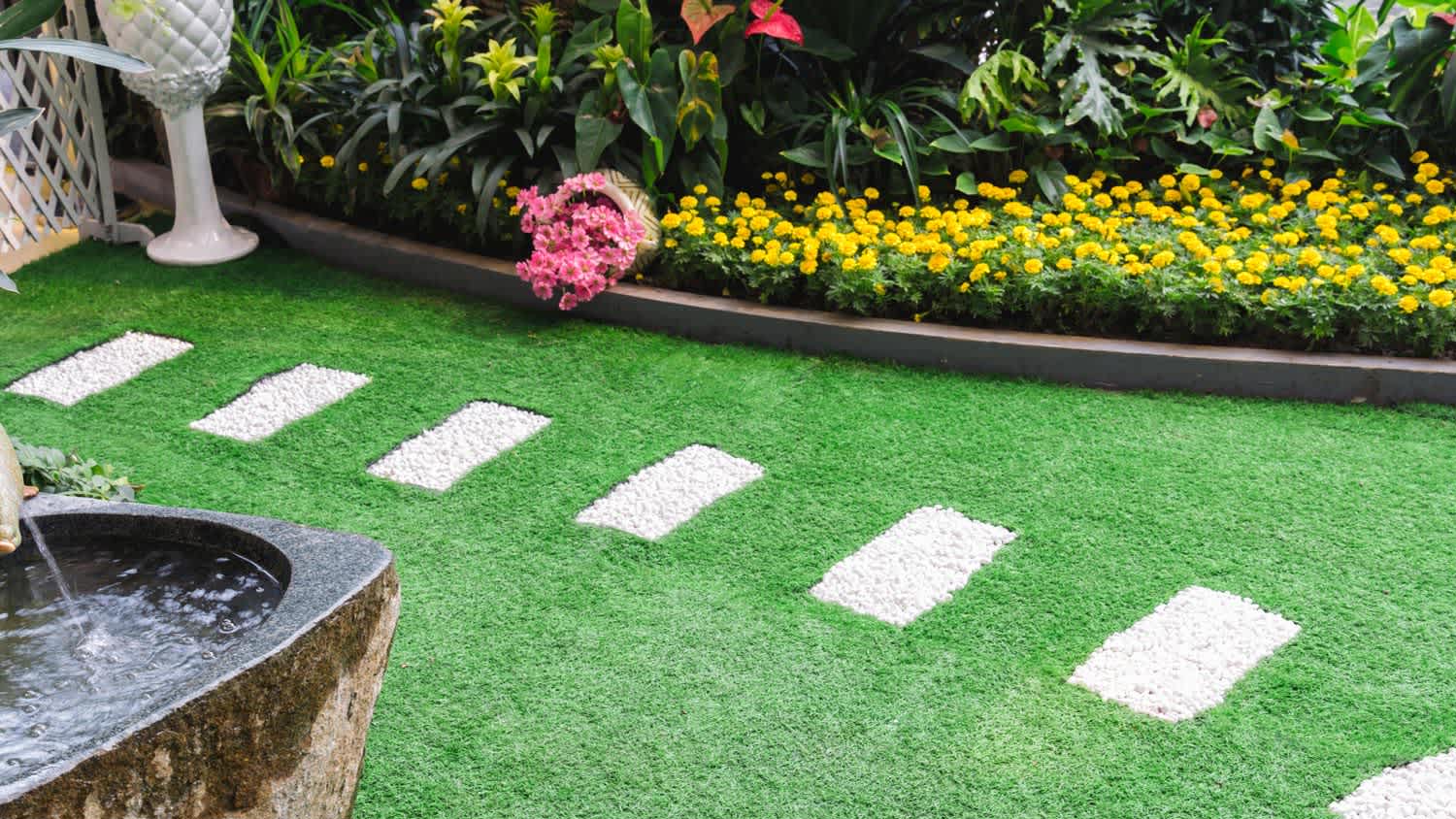
Trying to decide whether to put in live lawn or artificial grass? Read about the pros and cons of artificial grass and whether it’ll work for your lawn.
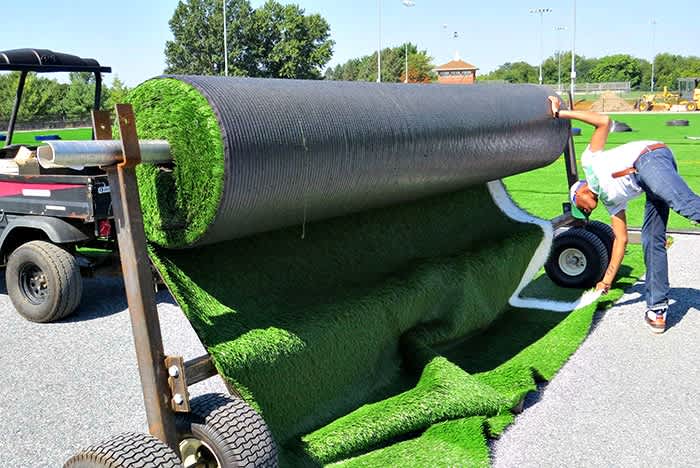
An artificial turf lawn can save water and hours of maintenance, so is it time to switch from real grass? Read on to see if artificial grass is worth it.
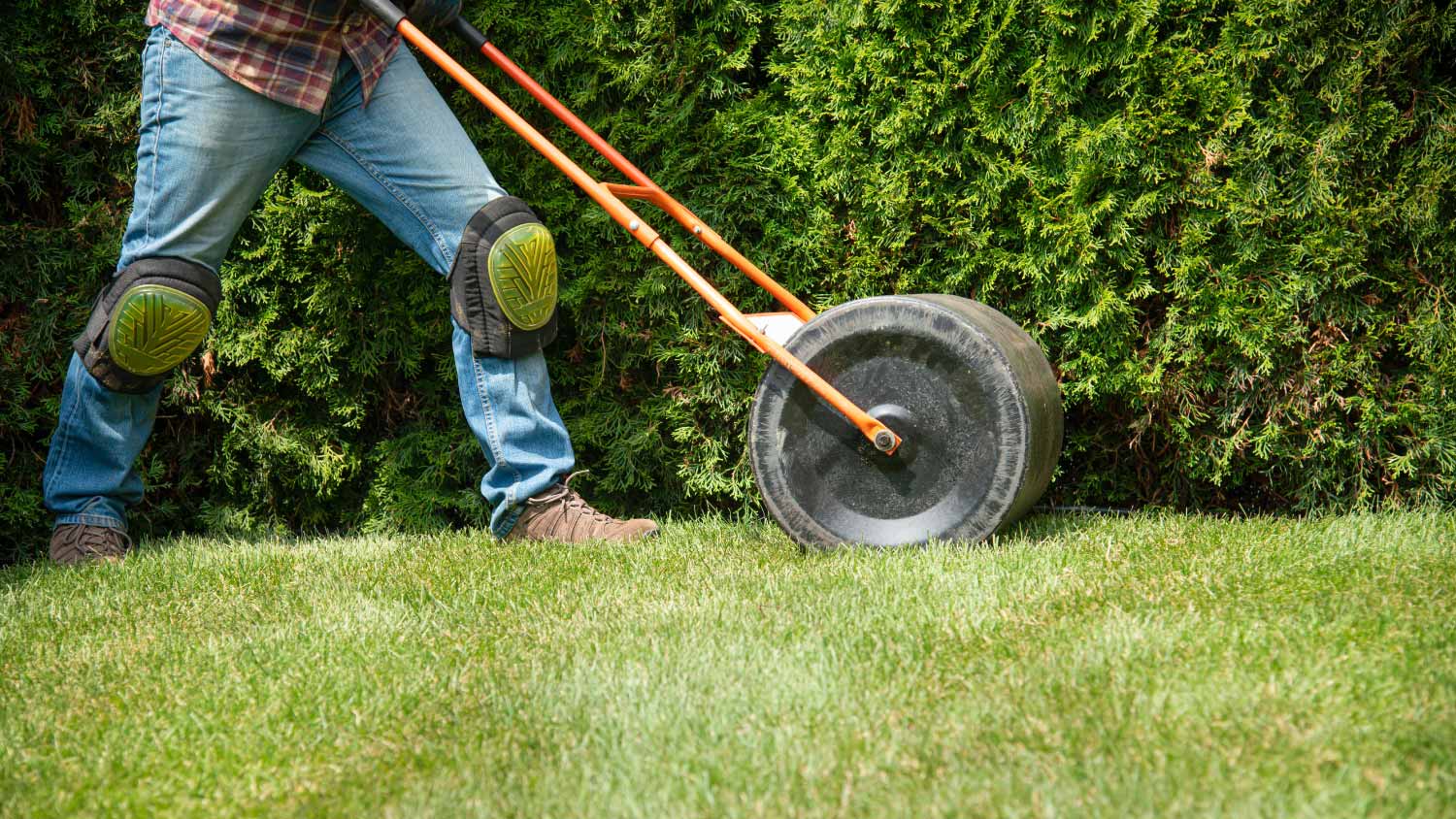
Looking to install synthetic grass for a putting green or play area? Learn what artificial turf questions you’ll need to discuss with your professional installer before you get started.
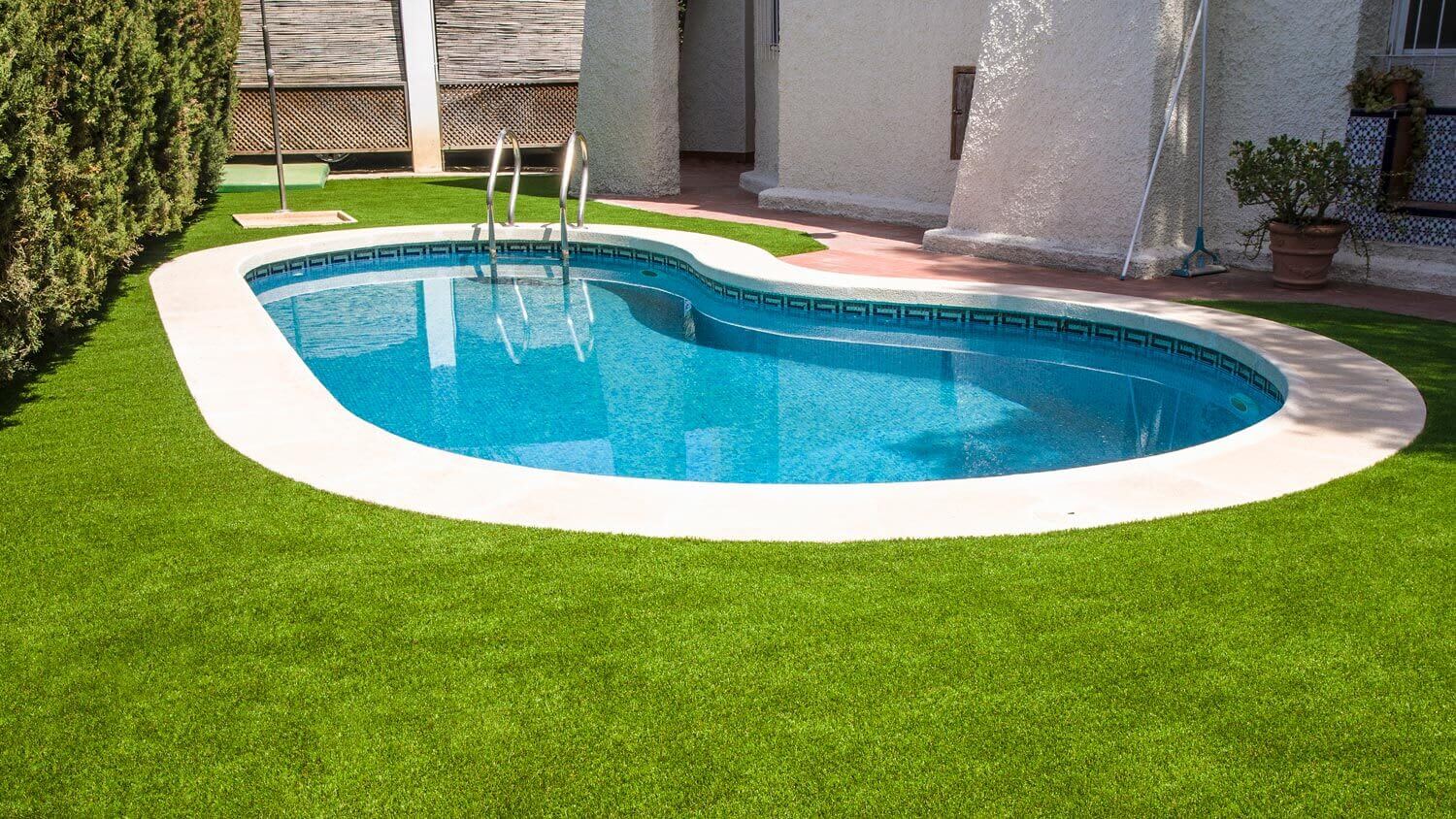
Why grow real grass when you can install artificial grass around a pool? Learn the pros and cons of the best artificial grass options for around your pool or pool deck.
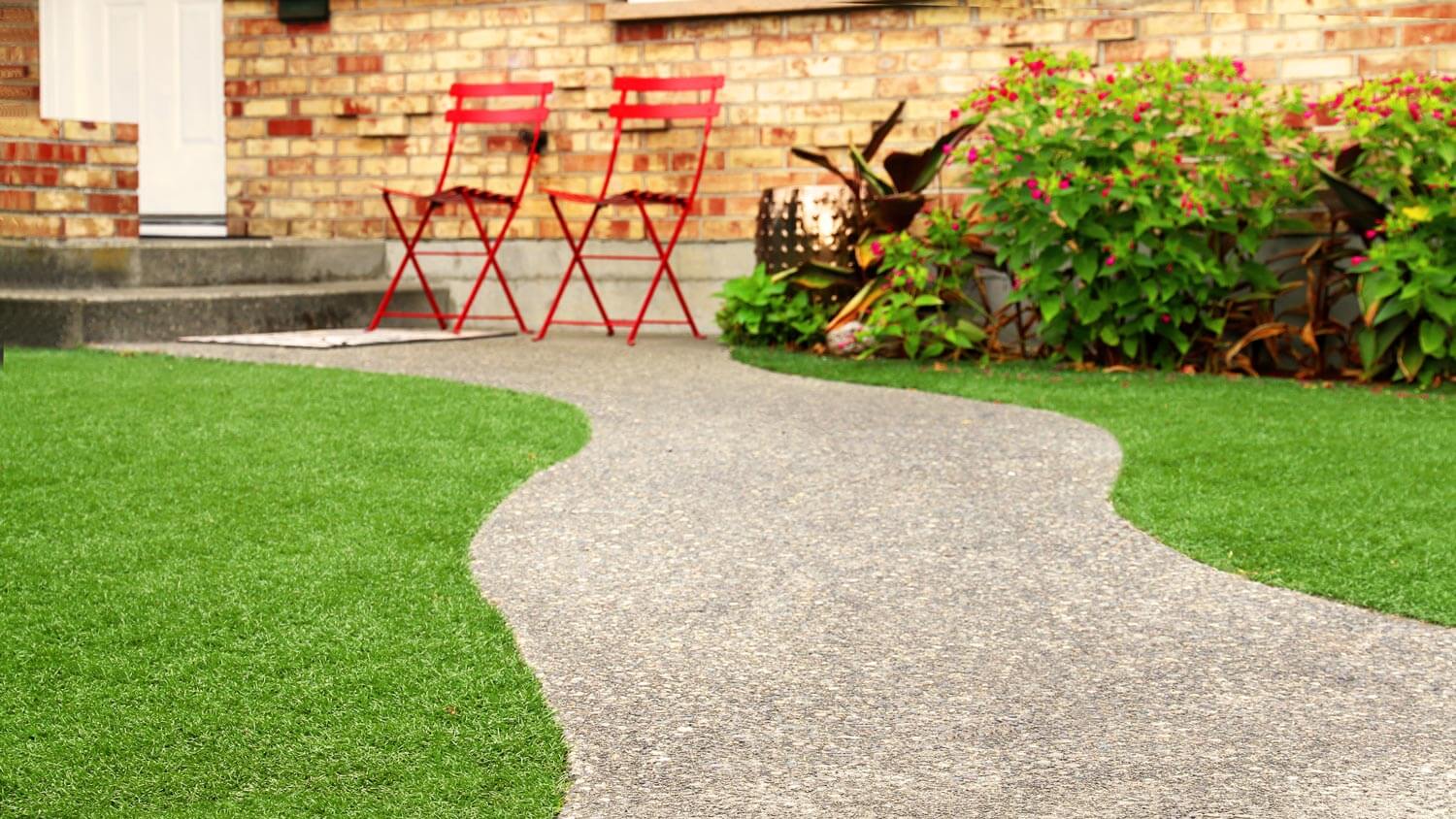
Having a nice green lawn is the dream for many. With these types of artificial grass, you can embrace its beauty without the high maintenance.