

Top-rated drywall pros.

Get matched with top drywall pros in Rand, WV

Enter your zip and get matched with up to 5 pros

Need a pro for your drywall service project in Rand, WV?

Select your specific project to find the pro for you.

Find Drywall pros in Rand

Avatar for Cantrell Painting
Cantrell Painting
4.3(
54
)
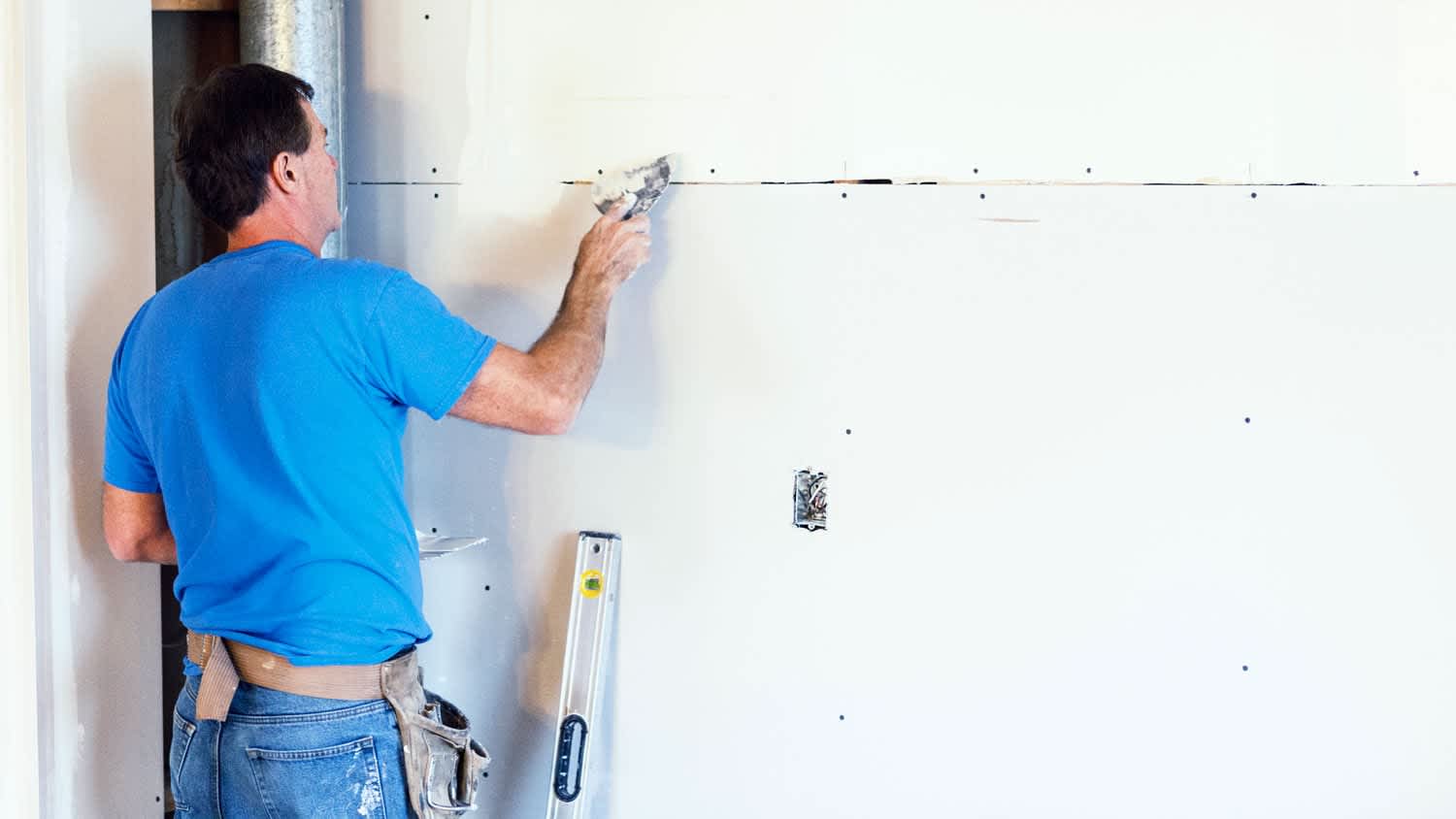
Drywall - Repair

Serving Rand, WV and surrounding areas

Approved

In business since 1987

Free estimates

Warranties offered

"Mr. Cantrell did an awesome job on repairing ceiling drywall in a bathroom and bedroom. I also had him paint both those rooms plus another bedroom. He repaired the ceilings, mud, sanded and prepped the ceilings and wall for paint. He used good quality Sherwin Williams paint. Work was completely done on time and I do not have any negatives about his work or person. I will be hiring him again for additional work."
7 day Advent Church
Many projects
Many projects
Many projects
Many projects

+26

Response time5 days
2 neighbors recently requested a quote
Recommended by95%of homeowners
...
Showing 1-10 of 102
Drywall questions, answered by experts

Popular wall textures include orange peel, knockdown, spray sand, and smooth finishes. Orange peel and knockdown are particularly common choices for drywall as they are simple and cost-effective. Orange peel texture has a lightly bumpy surface resembling the skin of an orange, while knockdown (sometimes called knockout) looks like a stucco finish with flattened high spots. In contrast, popcorn texture has fallen out of fashion, partly due to its past association with asbestos and a shift toward more restrained interior design styles.

A nail in drywall cannot hold very much—usually only a few pounds. A nail in a stud can add support and hold around 20 pounds. If you are trying to hang something heavier, get some help from drywall anchors—toggle bolts are very strong and able to withstand more weight.

There are six levels of drywall finish, from 0 to 5, that refer to the amount of work performed during the finishing process.

Level 0: Drywall is hung with no finishing work.

Level 1: Tape is placed over the seams between drywall sheets.

Level 2: A thin layer of mud is applied over the tape and screw holes. This level is common for utility rooms or walls that will be covered.

Level 3: A full coat of mud covers the screw holes and tape, but the surface is not sanded. This is often used in garages.

Level 4: This is the most common finish for visible interior walls. It involves applying two coats of mud over seams and screw holes, with sanding between each coat, creating a smooth surface ready for flat paint.

Level 5: This is a high-end finish for luxury homes. It includes full taping, mudding, and sanding, plus a final skim coat over the entire surface before painting.

Yes, walls on the top floor can be load-bearing if stacked on the floor’s foundation.

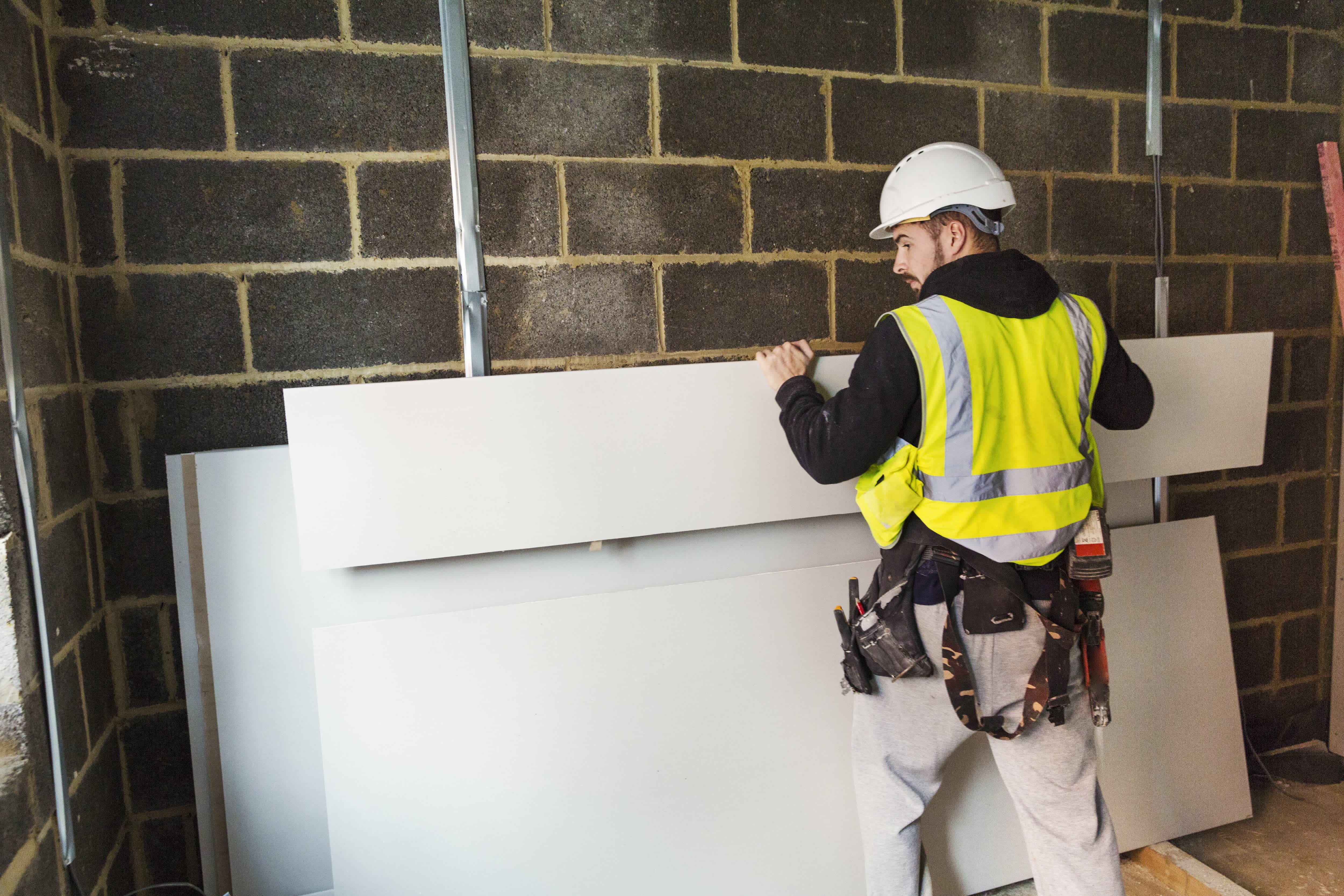
You should always hang drywall from the top down. Starting at the top makes it easier to create a straight, tight line between the ceiling and the wall. Any gaps that occur will be at the bottom, where they are easier to manage. You can either cut the bottom piece of drywall to fit the remaining space or cover the gap with baseboard trim. Additionally, starting at the top is physically easier, as you won't have to fit the top sheet into a tight space between the lower sheet and the ceiling, or try to balance the upper sheets on the lower ones while securing them.

The Rand, WV homeowners’ guide to drywall services

From average costs to expert advice, get all the answers you need to get your job done.