


Top-rated drywall pros.

Get matched with top drywall pros in Sissonville, WV

Enter your zip and get matched with up to 5 pros

Need a pro for your drywall service project in Sissonville, WV?

Select your specific project to find the pro for you.

TRUSTED BY SISSONVILLE, WV HOMEOWNERS

  • Average homeowner rating star icon4.7
    Average homeowner rating
  • Verified reviews icon50
    Verified drywall services reviews

Find Drywall pros in Sissonville

Avatar for Coal River Properties, LLC
Coal River Properties, LLC
5.0(
17
)
Drywall - Repair

Serving Sissonville, WV and surrounding areas

Approved

In business since 2016

Free estimates

Credit card accepted

"Michael Roderick from coal river properties was the professional who took care of our home repair needs. We had a bathroom leak that caused drywall damage. We were contacted within a few hours after making an inquiry on home advisor and within 2 days Mr. Roderick was on the job. He assessed the situation, gave a very reasonable estimate and made the appropriate repairs in an efficient manner with meticulous craftsmanship. I’d highly recommend."
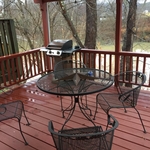
Back Porch at 32 Geronimo Drive, St. Albans, WV
New Tile floor
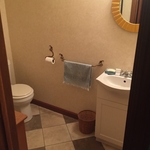
Upstairs bathroom ar 32 Geronimo Dr.
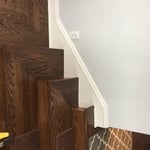
Stairway entry
Kitchen

+6

Response time5 days
Recommended by100%of homeowners
Avatar for Handyman Today
Handyman Today
5.0(
3
)
Drywall - RepairDrywall - Repair - For Business

Serving Sissonville, WV and surrounding areas

Approved

Free estimates

Emergency services offered

Warranties offered

"Excellent drywall repair from start to finish. The team was punctual, professional, and easy to work with. The finished result was flawless—smooth, seamless, and impossible to tell where the damage had been. They took the time to prep properly and left the area clean when the job was complete. I highly recommend their services to anyone looking for quality workmanship and reliable service."
Full Remodel
Full Remodel
Full Remodel
Full Remodel
Full Remodel

+6

1 neighbors recently requested a quote
...
Showing 1-10 of 121
Drywall questions, answered by experts

Plaster ceilings can sag for several reasons. In some cases, the plaster and other building materials shift and come apart over time, which is why you’ll commonly find drooping plaster ceilings in older homes. Improper installation, foot traffic, and water damage—often from a leaky roof or a broken pipe—can also cause plaster ceilings to sag.

Plaster provides a durable, soundproof, and moisture-resistant finish compared to drywall.

The short answer is yes, a sagging plaster ceiling is dangerous. Sagging plaster on a wall is something you should fix immediately, but it isn’t a major concern. If the same type of sagging occurs on a ceiling, however, you could be in danger of your ceiling falling in large chunks. When plaster sags, it loses its strength and ability to hold itself up. The bonds that hold it together are strong, though, so if a sagging area falls, it will take large pieces down with it.

Yes, you can speed up the time it takes for plaster to dry, but it's important to do so carefully to avoid issues like cracking or crumbling. Proper ventilation is key; open a window or use a fan to circulate air in the room. Heat can also accelerate drying, but be cautious, as too much heat can cause the plaster to dry too quickly and crack. Check the plaster's packaging for the recommended drying temperature and set the room's thermostat accordingly. While managing humidity is important, avoid using a dehumidifier, which can remove moisture too aggressively and result in crumbly plaster.

Although they have similar applications, spackle and joint compound are not the same. Their primary differences lie in their composition, consistency, and ideal use cases.

Spackle is composed of gypsum and binding agents, making it thicker than joint compound. It dries quickly and is easy to sand, which makes it ideal for small wall repair projects like filling nail holes or patching minor damage.

Joint compound, also known as drywall mud, consists of limestone and gypsum. It is primarily used for large-scale projects, such as taping and finishing the seams on newly installed drywall. It tends to shrink more than spackle and can be more difficult to spread.

While both products can be used to fill small depressions and cracks, spackle cannot replace joint compound for taping and mudding new drywall. Conversely, you can often use joint compound for small patching jobs typically done with spackle.

The Sissonville, WV homeowners’ guide to drywall services

From average costs to expert advice, get all the answers you need to get your job done.