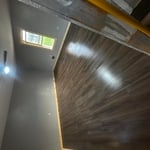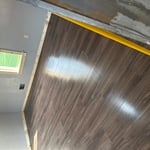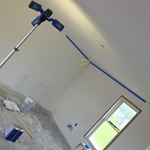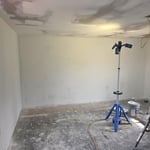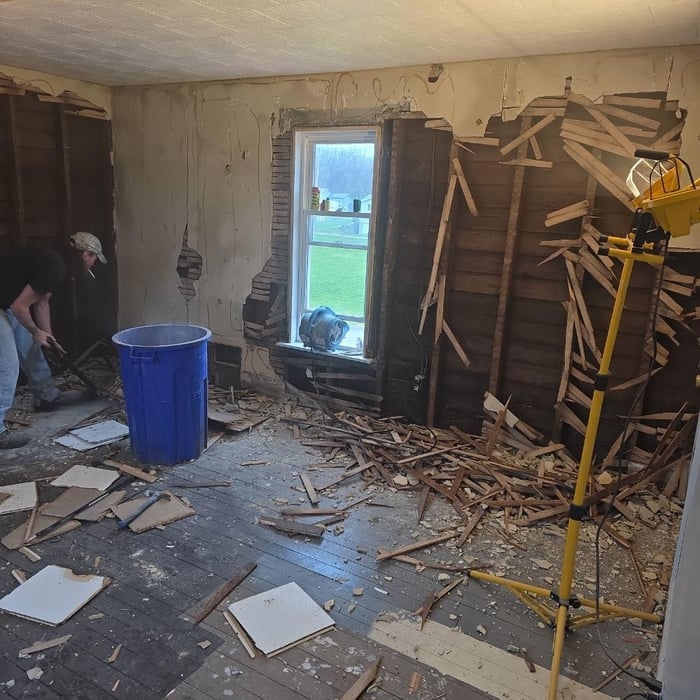


"I hired American Drywall and they did such a great job fixing my ceiling so that I can't even see where the damage was. Great job. Very honest people. Did exactly what they promised to do."
"Mr. Cantrell did an awesome job on repairing ceiling drywall in a bathroom and bedroom. I also had him paint both those rooms plus another bedroom. He repaired the ceilings, mud, sanded and prepped the ceilings and wall for paint. He used good quality Sherwin Williams paint. Work was completely done on time and I do not have any negatives about his work or person. I will be hiring him again for additional work."
"Bob and his crew did a great job tearing out the old ceiling, replacing insulation, and putting up the new ceiling. Will use again for handyman services."
"I had H&H put up some drywall,trim and fix a couple outlets. They worked hard and were patient with any questions I had during the process I would highly recommend this company"
We pride our company on reliability, great communication, integrity, and quality work. We are experts in our trade and will do our best to keep you as educated as we can on your particular task or project. We look forward to earning your business! Book with us online or feel free to give us a call today!
The two most common drywall thicknesses for ceilings are 1/2-inch and 5/8-inch. For most standard residential applications, 1/2-inch drywall is sufficient and widely used. It provides adequate support and is lighter and easier to handle during installation compared to thicker sheets. However, 5/8-inch drywall is often used for specific cases where additional benefits are needed. It is heavier but provides superior sound dampening and fire resistance. You should consider using 5/8-inch drywall for ceilings in commercial buildings, between a garage and a living space, or above a finished basement to meet building codes or for enhanced soundproofing.
Certain drywall textures, like sand and sometimes popcorn, can be smoothed by applying skim coats, sanding the walls, or chipping away the texture. However, it’s worth considering removing the texture and starting with a blank canvas. Smoothing textured walls requires a lot of sandpaper and elbow grease and can take longer than just outright removing the texture.
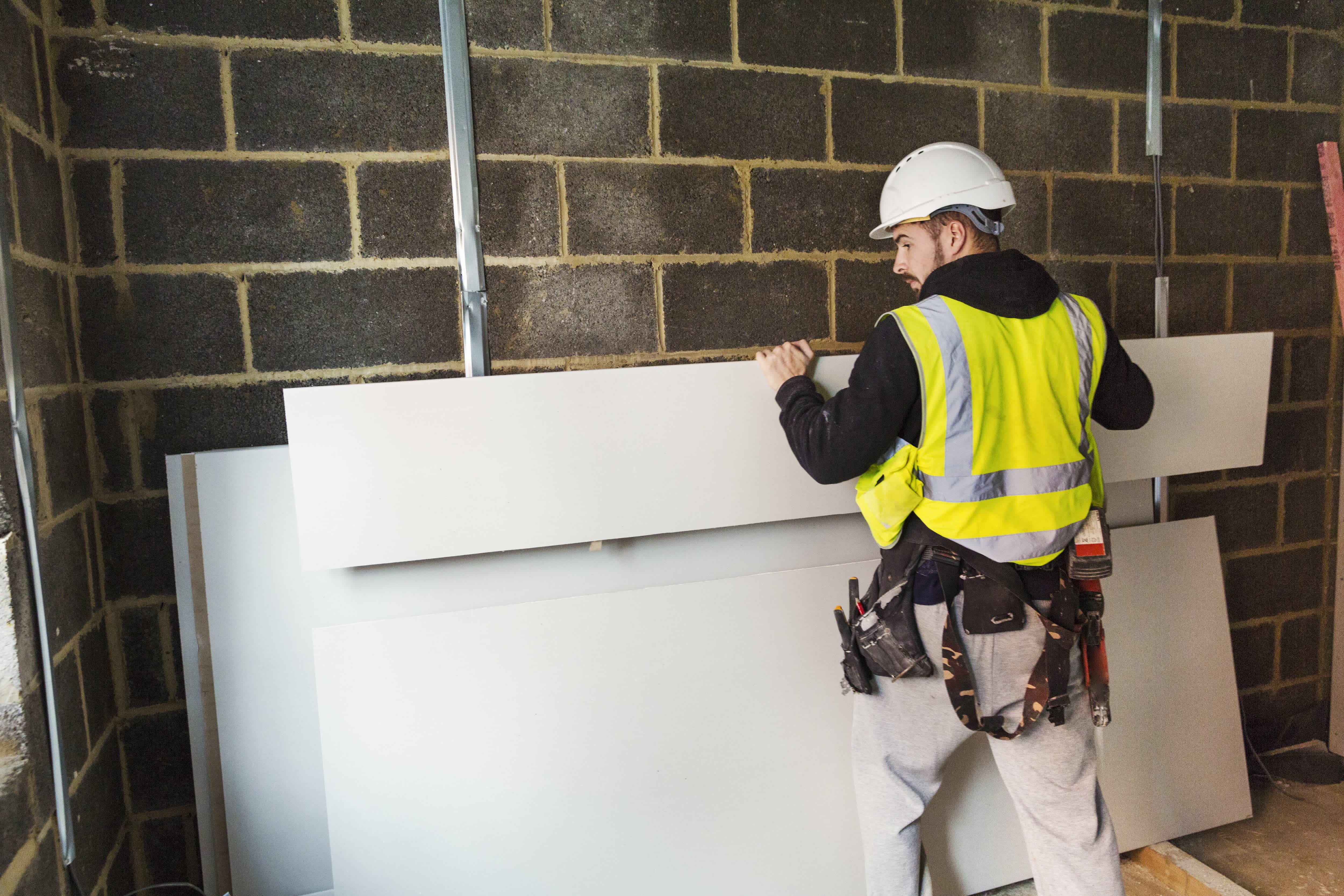
It doesn’t matter which way you lay drywall, and you can choose to install it horizontally or vertically depending on the size of the wall and how tall the ceiling is. It’s easier to lay drywall sheets vertically if you have a taller ceiling, but laying sheets horizontally makes it easier to apply joint compound.
While you can put new drywall over old drywall, it’s not always the best option. In some cases, drywalling over drywall can make it harder to find wires and pipes behind your walls and conceal more serious problems with your walls. It can also make the room smaller. On the plus side, putting drywall over drywall can improve soundproofing and insulation. Plus, it’s often less expensive than tearing down and adding new drywall.
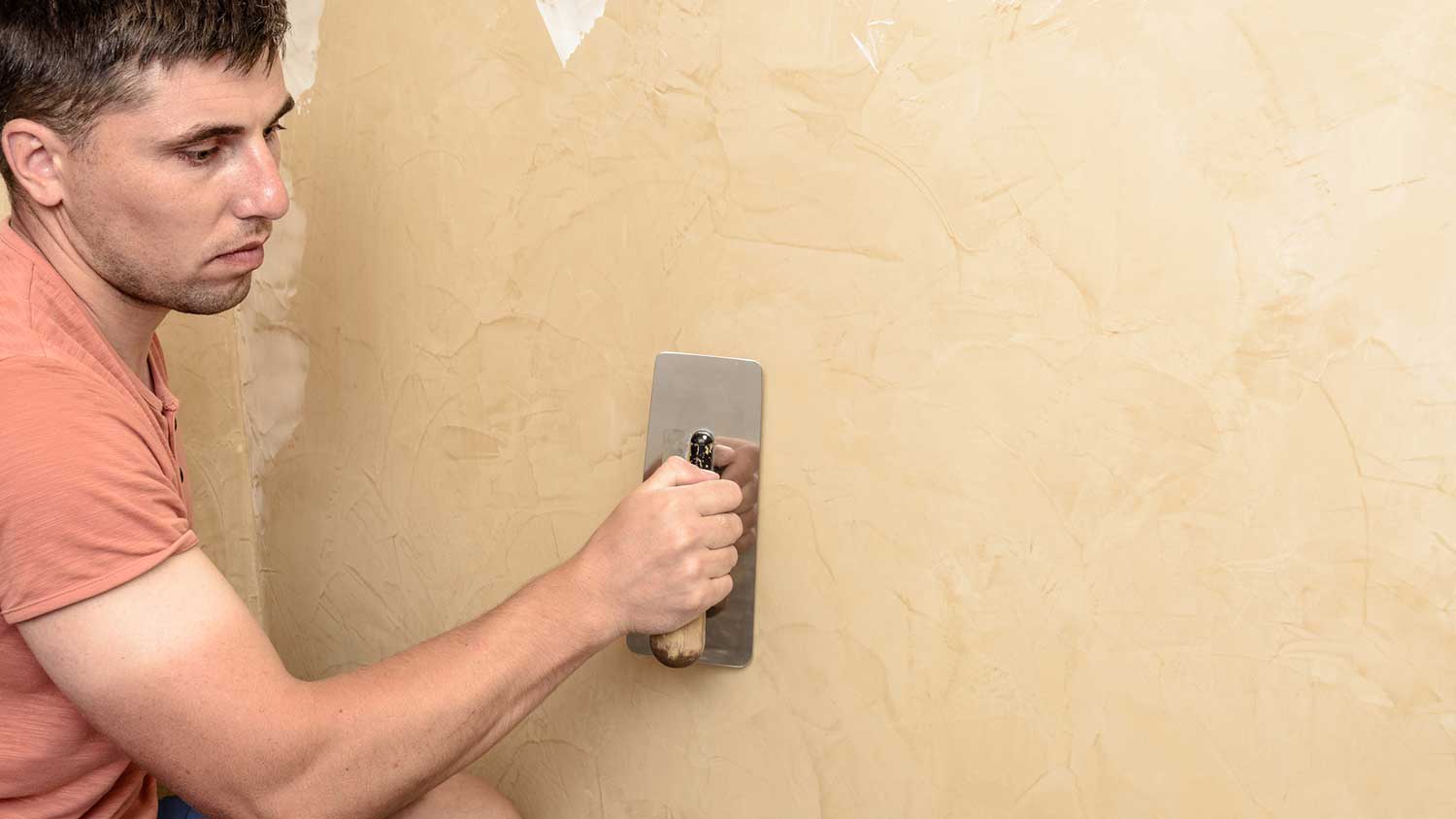
It is possible to apply plaster on the interior or exterior of your home, but we don’t recommend it. Plaster is easy to apply in theory, but in reality, it can be a challenging material to work with, and it’s difficult to get the finished product to look clean, even, and smooth. Many DIYers end up calling in a professional afterward to touch up the area or even redo it entirely because of mistakes they made in the process. Hiring a plaster pro will cost more, but it’s usually the best option to achieve high-quality results.
The Pinch, WV homeowners’ guide to drywall services
From average costs to expert advice, get all the answers you need to get your job done.
Installing drywall is the most common way to finish your home’s interior. Use this drywall installation cost guide to see what your project is likely to cost.
Whether you want to spruce up a few dents and dings or fix a large surface area, investing in drywall repair costs can return your walls to a smooth, flush look.
Can you put drywall over drywall to cover old, damaged or cracked plaster walls? Read our guide to determine if this is the right solution for your walls.
The terms drywall and Sheetrock are often used interchangeably, but one is a brand and one is a specific product. Find out which one you need in this guide.