





Top-rated lawn care providers.

Best lawn care providers near Rand, WV

Enter your zip and get matched with up to 5 pros

Need a pro for your lawn service project in Rand, WV?

Select your specific project to find the pro for you.

TRUSTED BY RAND, WV HOMEOWNERS

  • Average homeowner rating star icon4.6
    Average homeowner rating
  • Verified reviews icon51
    Verified lawn services reviews

Top-Rated Lawn care providers in Rand - Updated Nov 2026

Avatar for TruGreen
TruGreen
3.1(
2,962
)
Lawn Care - Aerate a LawnLawn Care - Fertilize or Treat a Lawn

Serving Rand, WV and surrounding areas

Approved

In business since 1974

Free estimates

Warranties offered

"I think they treated the wrong lawn. The note they sent me via text message referenced trees and shrubs in my yard, I have none. They also did not leave a yard marker showing they had been there. Otherwise, this would have been a 5 star review."
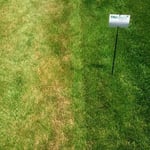
TruGreen Treated vs Non-Treated
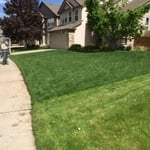
Enjoy Your Lawn at it's Fullest Potential
TruGreen Treated vs Non-Treated
TruGreen Lawn
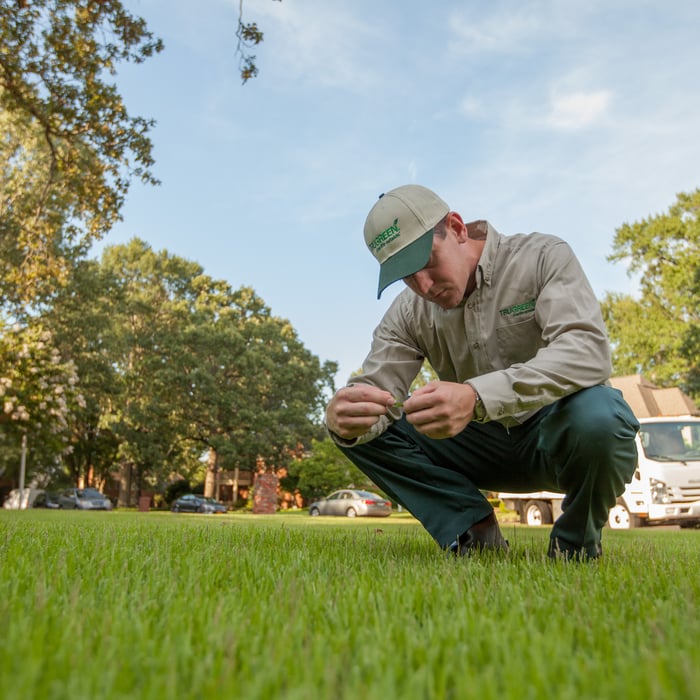
TruGreen Healthy Lawn Analysis

+4

Recommended by76%of homeowners
Avatar for Hatalowich Home Improvement LLC
Hatalowich Home Improvement LLC
5.0(
11
)
Handyman for Multiple Small Projects

Serving Rand, WV and surrounding areas

Approved

In business since 2014

Free estimates

Emergency services offered

"Hatalowich Home Improvement stained my log cabin and did some deck/banister repairs. The work performed was outstanding and second to none. Barron provided excellent service, communicated with me throughout the job, made the job his priority until finished, and was a real professional to work with. His honesty and dedication to every detail of the job is something rarely seen today. I would recommend Hatalowich Home Improvement for any needs."
Joes home
Joes home
Joes home
Joes home
Joes home

+31

Response time5 hrs
Response rate100%
5 neighbors recently requested a quote

Avatar for Midkiff Construction, LLC
Midkiff Construction, LLC
5.0(
4
)
Handyman for Multiple Small Projects

Serving Rand, WV and surrounding areas

Approved

In business since 2020

Free estimates

Credit card accepted

"Cameron was very professional, came to my home, and gave me an estimate of the work I wanted to be done for my kitchen. Got the job done quickly, and follow the estimates that he gave me which I appreciate. He did a beautiful job, and I am very satisfied with the work."
Response time10 mins
Recommended by75%of homeowners
...
Showing 1-10 of 274
Lawns FAQs, answered by experts

To remove old grass effectively, you typically need to dig to one to two inches. This depth typically allows you to reach the root system of the grass, ensuring thorough removal. However, if the grass is a particularly dense or deep-rooted variety (such as Bermuda grass), or if you're planning to replace it with a different landscaping feature, you may need to dig deeper to loosen the soil and remove any underlying roots.

We always recommend wearing a protective mask when blowing leaves (as well as goggles if possible). Blowing leaves creates a lot of dust, and in many cases that dust contains a bunch of allergens that can make those sensitive very miserable. Even worse, moldy leaves can contain fungi and bacteria that could make humans as animals very sick. Mask up before starting your leaf project, and if anyone is helping you collect the leaves it’s a good idea if they wear a mask, too.

Pulling weeds once per month is typically often enough to keep most weeds at bay. But in general, it's best to pull weeds as soon as you spot them to prevent deep root growth and slow their spread. To make it easier, plan your weed pulling after rain or after the sprinklers run so the soil will be nice and wet and the weeds will be easier to pull. If you notice moss accompanying weeds, make a plan to remove the moss immediately to prevent damage.

Yes, it's perfectly safe and environmentally sound to mulch leaves with a lawn mower, provided that the layer of leaves isn't too thick and the leaves are dry and crispy. Too many wet leaves get sticky and will clog the mower. Thick layers of leaves can suffocate the lawn after the leaves have been mulched, so the layer should be no more than six inches thick.

Skunk digging looks like a series of small, cone-shaped holes on a lawn or around the perimeter of a home, porch, deck, or shed. The holes that skunks dig when searching for grubs tend to be no more than four inches in diameter and may be up to four inches deep.

The Rand, WV homeowners’ guide to lawn services

From average costs to expert advice, get all the answers you need to get your job done.