
Top-rated drywall pros.

Get matched with top drywall pros in Charleston, WV

Enter your zip and get matched with up to 5 pros

Need a pro for your drywall service project in Charleston, WV?

Select your specific project to find the pro for you.

TRUSTED BY CHARLESTON, WV HOMEOWNERS

  • Average homeowner rating star icon4.3
    Average homeowner rating
  • Verified reviews icon55
    Verified drywall services reviews

Find Drywall pros in Charleston

Avatar for Coal River Properties, LLC
Coal River Properties, LLC
5.0(
17
)
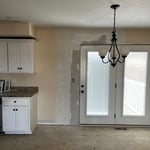
Drywall - Repair

Serving Charleston, WV and surrounding areas

Approved

In business since 2016

Free estimates

Credit card accepted

"Michael Roderick from coal river properties was the professional who took care of our home repair needs. We had a bathroom leak that caused drywall damage. We were contacted within a few hours after making an inquiry on home advisor and within 2 days Mr. Roderick was on the job. He assessed the situation, gave a very reasonable estimate and made the appropriate repairs in an efficient manner with meticulous craftsmanship. I’d highly recommend."
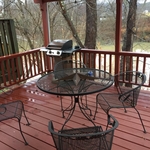
Back Porch at 32 Geronimo Drive, St. Albans, WV
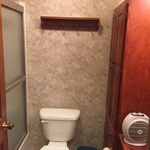
New Tile floor
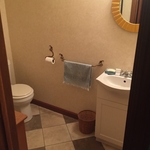
Upstairs bathroom ar 32 Geronimo Dr.
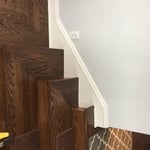
Stairway entry
Kitchen

+6

Response time5 days
Recommended by100%of homeowners
Avatar for Cantrell Painting
Cantrell Painting
4.2(
55
)
Drywall - Repair

Serving Charleston, WV and surrounding areas

Approved

In business since 1987

Free estimates

Warranties offered

"I highly recommend Donald of Cantrell Painting for your painting and drywall needs. He always shows up on time and is a man of his word. I really liked how he explained how he would do the job and the way he communicated throughout the project. He has great attention to detail and is a stickler for cleaning up after his work. I will be hiring Donald again for future projects including solid wood door staining, inside and outside painting, and refinishing kitchen cabinets. Excellent, excellent work."
7 day Advent Church
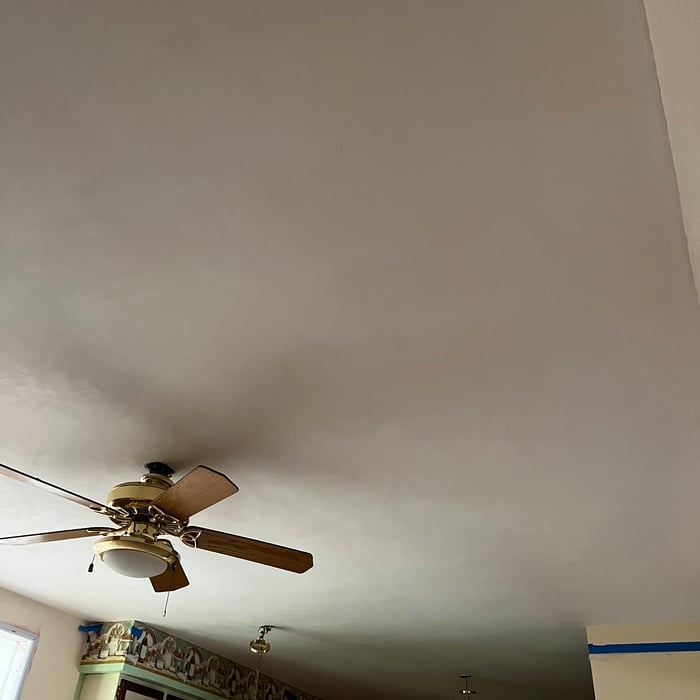
Many projects
Many projects
Many projects
Many projects

+26

Response time5 days
6 neighbors recently requested a quote
Recommended by93%of homeowners
Avatar for Handyman That Can
Handyman That Can
4.9(
8
)
Drywall - RepairDrywall - Repair - For Business

Serving Charleston, WV and surrounding areas

Approved

In business since 2023

Free estimates

Emergency services offered

"I had 2 professional roofers to examine my roof where it was leaking. They worked on it, but it still leaked. Kenny got in the attic and found the leak and repaired it That was several months ago and it is still dry"
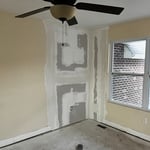
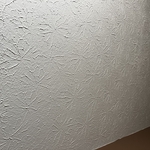
Some drywall repairs
Textured ceiling
Textured ceiling

+19

Response time3 hrs
1 neighbors recently requested a quote
Recommended by100%of homeowners
...
Showing 1-10 of 151
Drywall questions, answered by experts

Although they are used for similar tasks, spackle and joint compound are not the same. Joint compound, also known as drywall mud, consists of limestone and gypsum and is primarily used for large-scale projects like taping and finishing seams on new drywall. Spackle is composed of gypsum and binding agents, making it a thicker compound best suited for small wall repairs like filling nail holes or cracks, as it dries quickly and is easy to sand. For small repairs, either product can be suitable. However, you can use joint compound for small jobs in place of spackle, but you cannot use spackle for large-scale taping and mudding projects.

Yes, you can apply new plaster over an existing plaster surface, such as a wall or ceiling, provided the old plaster is in good condition. Before you begin, check the stability of the existing plaster. The surface must be clean, free of loose material, and have no peeling paint. It is also recommended to roughen the surface slightly to promote adhesion. For older plaster, applying a base coat like a PVA emulsion or a specific bonding agent or primer is crucial. This step makes the existing plaster less porous and ensures the new and old layers adhere properly for a smooth, long-lasting finish.
To hide drywall edges, you need to properly apply drywall tape and multiple layers of joint compound. These materials hide the seams between drywall sheets and fill the holes from drywall screws, leaving behind a smooth, flat finish to paint over. Apply joint compound smoothly, and finish the job by sanding the walls to make sure you fully hide drywall edges and other imperfections.
Ceiling-mounted curtains won’t damage the ceiling if they’re installed properly. Using the right anchors or securing the brackets into joists will ensure the curtain weight is properly supported and prevent damage. However, overtightening screws, using weak anchors, or repeatedly removing and reinstalling hardware in the same spot can cause cracking or sagging over time. In that case, you might have to call a pro for ceiling repair.

The two most common drywall thicknesses for ceilings are 1/2-inch and 5/8-inch. For most standard residential applications, 1/2-inch drywall is sufficient and widely used. It provides adequate support and is lighter and easier to handle during installation compared to thicker sheets. However, 5/8-inch drywall is often used for specific cases where additional benefits are needed. It is heavier but provides superior sound dampening and fire resistance. You should consider using 5/8-inch drywall for ceilings in commercial buildings, between a garage and a living space, or above a finished basement to meet building codes or for enhanced soundproofing.

The Charleston, WV homeowners’ guide to drywall services

From average costs to expert advice, get all the answers you need to get your job done.