





Top-rated electricians.

Get matched with top electricians in Mill Creek, WV

Enter your zip and get matched with up to 5 pros

Need a pro for your electrical service project in Mill Creek, WV?

Select your specific project to find the pro for you.

Find Electricians in Mill Creek

Avatar for Neli Virtual Appliance Repair
Neli Virtual Appliance Repair
4.2(
654
)

Serving Mill Creek, WV and surrounding areas

Approved

In business since 2016

Free estimates

Warranties offered

"The problem turned out to be a burned out small electric door switch. I believe the price was way too expensive for the service performed and the price of the door switch. What more can I say? It got done."
Additional Photos
Additional Photos
Additional Photos
Additional Photos
Additional Photos

+2

Response time1 day
Recommended by88%of homeowners
Avatar for Worry Free Electric, LLC
Worry Free Electric, LLC
4.9(
18
)

Serving Mill Creek, WV and surrounding areas

In business since 2019

Free estimates

Small jobs welcome

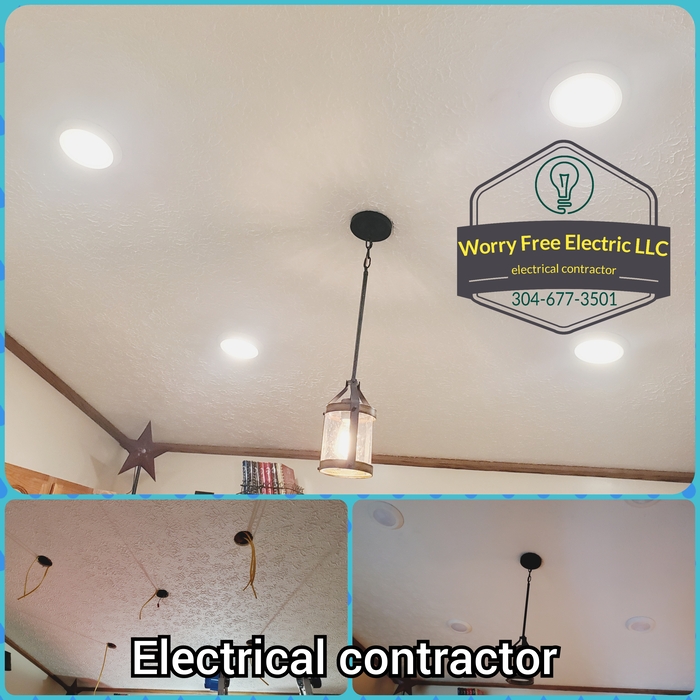
"Quick to find the problem. Repaired our electrical outlet . Will hire again for other jobs. They are able to do many other repairs in your home."
200 amp service entrance
Response time2 days
Response rate96%
Recommended by100%of homeowners
Avatar for John Templeton
John Templeton
4.8(
20
)

Serving Mill Creek, WV and surrounding areas

In business since 2020

Free estimates

Emergency services offered

"John has worked extensively in the electrical field, He is very mannerly and meets the scheduled time consistently. I will contract him again to do some more electrical work in the near future. I recommend John to anyone who needs a trusted electrician. You can tell that he loves his work and that he takes pride in everything he accomplishes."
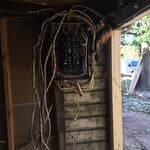
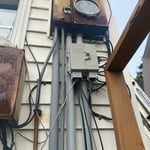
Old farmhouse panel before
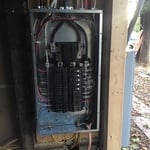
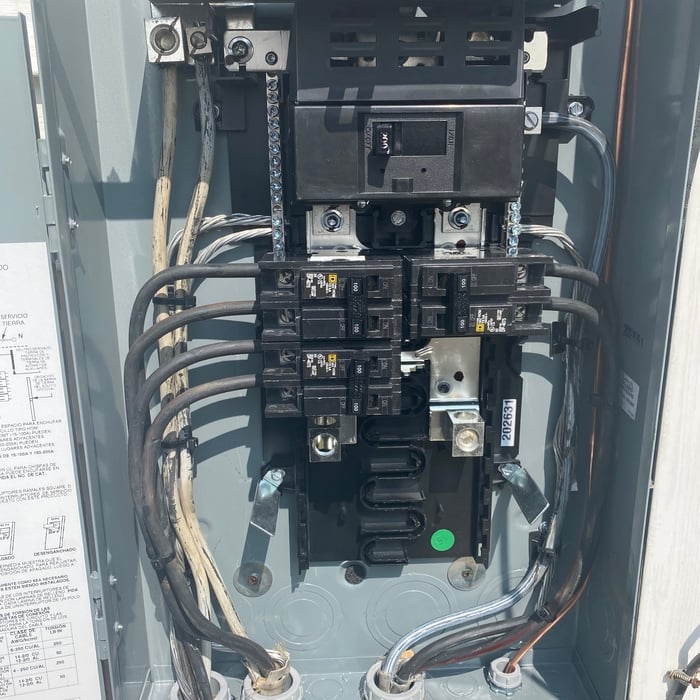
New Farmhouse panel after
Old Meter
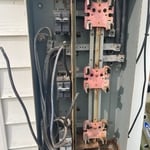
Inside old Meter
Inside New Meter Box after Upgrade

+21

Response time5 hrs
Recommended by100%of homeowners

Avatar for Renewable Engineered Systems
Renewable Engineered Systems
4.7(
12
)

Serving Mill Creek, WV and surrounding areas

In business since 1998

Free estimates

Emergency services offered

"Well, the system is great! It took a while to get the system installed due to paper work for grant and bank loan. Finally got system up and running on 10/5/16.  The system provides complete energy for our house and business. And we don't have to pay the electric company, in fact they will be paying us for any overflow production. 

If your are interested is installing, you better hurry because the demand is increasing dramatically and the waiting time for installation will take a while.


Brian Brown from Renewable Engineered Systems is our provider. Very easy to work with and they are a local company with a very professional attitude.  His contact phone number is 276-226-0228"
Additional Photos
Additional Photos
Additional Photos
Additional Photos
Additional Photos

+14

Recommended by100%of homeowners

Showing 1-10 of 37
Electrical questions, answered by experts

The most common gauge for indoor outlets around your home is 12- and 14-gauge wires. But if you’re working with larger appliances like ovens, washing machines, or dryers (all of which require more amplitude), you might find 10-, eight-, or six-gauge wires to help support those hefty appliances.

Yes, wire connectors are the better option for securing splices compared to electrical tape. It is not recommended to use electrical tape as it is not secure enough to keep the splices together. Plus, electrical tape is more vulnerable to damage, which can cause a risk of fire over time. 

Yes, you can daisy chain outlets, which involves connecting multiple outlets in series. However, ensuring the circuit can handle the additional load is important to avoid overloading and tripping the breaker. The total number of outlets on a single circuit should not exceed the recommended limit, typically eight on a 15-amp circuit. Hiring a licensed electrician is always advisable for complex installations or if you're unsure of what to do.

Your heating and cooling systems cost you the most on your electric bill and make up 50% of your bill on average. Your washing machine, dryer, oven, and stove contribute significantly to your electric bill as well. Lights, fans, and smaller electronics add up, but aren’t the biggest energy consumers. You can reduce your power usage by setting optimal temperatures on your thermostat and investing in energy-efficient appliances.

The American Wire Gauge system calculates wire size diameters using the complicated formula D(AWG)=.005·92((36-AWG)/39) inch. A simpler rule of thumb is that every six-gauge decrease doubles the wire diameter, and every three-gauge decrease doubles the wire’s cross-sectional area. On the other hand, wavenumbers are typically measured in reciprocal meters (1/m or m−1) or reciprocal centimeters (1/cm or cm−1).

The Mill Creek, WV homeowners’ guide to electrical services

From average costs to expert advice, get all the answers you need to get your job done.