


Top-rated excavation pros.

Best excavation pros near Hometown, WV

Enter your zip and get matched with up to 5 pros

Need a pro for your excavation project in Hometown, WV?

Select your specific project to find the pro for you.

Top-Rated Excavation pros in Hometown - Updated Nov 2026

Avatar for Adkins Plumbing & Contracting, LLC
Adkins Plumbing & Contracting, LLC
4.6(
108
)
Building Site - Preparation and ClearingExcavation - Major Grading or ReslopingBuilding Site - Preparation and Clearing - For Business+1 more

Serving Hometown, WV and surrounding areas

Approved

In business since 2021

Free estimates

Credit card accepted

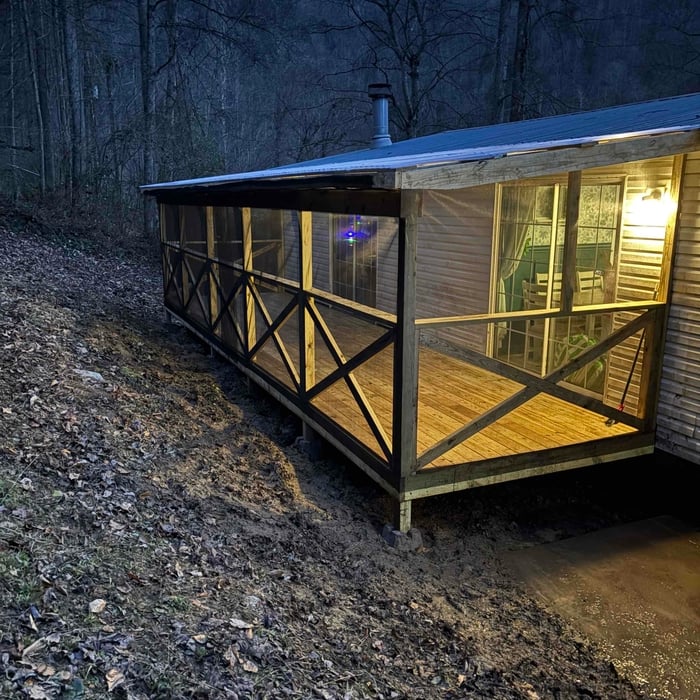
"Jarred and his crew tore down and rebuilt a deck 3 times the original size. Our house is a 2-story house that sets on a hill, which meant the crew had to carry all of their equipment, lumber, decking materials, and tools down 13 steps to reach the work area. It was a challenging project from the start. Jarred and his crew were friendly, respectful, and easy to work with throughout the project. Jarred listened to what we wanted and was responsive whenever we had questions or concerns. One thing that stood out was their willingness to tackle a difficult worksite without complaint and delivered a finished product that looks great and functions exactly as we needed it to. We are satisfied with the final result and are enjoying our new deck. Thank you Jarred and crew, for the effort you put into this project."

My jobs
My jobs
My jobs
My jobs
My jobs

+102

132 neighbors recently requested a quote
Recommended by50%of homeowners
Avatar for Adkins Plumbing & Contracting, LLC
Adkins Plumbing & Contracting, LLC
4.5(
90
)
Building Site - Preparation and ClearingBuilding Site - Preparation and Clearing - For BusinessExcavation - Major Grading or Resloping+1 more

Serving Hometown, WV and surrounding areas

In business since 2021

Free estimates

Emergency services offered

"We called so many plumbers and one “professional” company showed up and didn’t even bring exploratory tools. We found Adkins and they showed up with an excavator and shovels ready to find the problem in this frigid cold. They gave us a quote and started working at 4pm and stayed until 8pm to find the source of the sewer leak. They gave us a plan to fix it and a full price to which we agreed and they left for the evening to get parts and return the next day to finish the job. Couldn’t ask for a better group of guys. They were fully committed to fixing the problem and they even listened to us when we told them where and what we thought it might be. (If you’re a homeowner you know how that usually goes) They were a pleasure to work with on this repair and we will be calling them back to tackle a few more building projects. I might also add they didn’t try to gouge us and charge us for a complete sewer pipe install, like the big plumbing company tried to do."
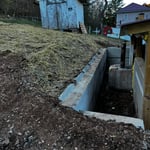
Retaining wall and reclaim on property.
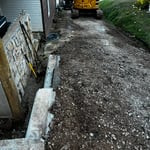
Retaining wall & Road Addition
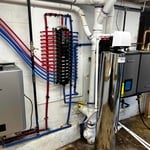
Plumbing Project
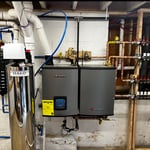
Plumbing project -2
Patio addition

+57

Recommended by61%of homeowners
Showing 1-10 of 45
Excavating FAQs, answered by experts

Yes. A metal detector is one of the quickest and easiest ways to find your septic tank. However, metal detectors can be too expensive (costing upward of $300 in some cases), and not everyone has a metal detector just lying around. If that’s the case for you, you can also take a long metal rod and poke it into the ground at regular intervals until you hit something—likely your septic tank lid.

There is no standard depth for burying a septic tank; they are typically buried anywhere from 4 inches to 4 feet underground. The final depth depends on several factors, including the depth of your main sewer line, the height of the bedrock, soil type, local regulations, and the property's landscape. If you plan to grow grass or plants over the tank, a depth of at least 4 to 6 inches is recommended. Deeper tanks can be more difficult to locate, but a septic professional can help find it for you.

The physical constraints of hand-drilling a well limit the depth you can achieve. Manually digging with picks and shovels may only lead to shallow wells of up to 60 feet in depth. To reach greater depths, you need more specialized equipment. The diameter of your well and the tools you’re using will determine how far down you can dig.

You can bury underground electrical wire six inches deep—but only if you use a rigid metal electrical conduit. For rigid, non-metallic conduits, bury the wire at least 12 inches deep. If using an underground feeder cable rated for direct burial, you'll need to place it at least 18 inches deep, as it has no conduit for extra protection.

No, a ditch isn’t a trench. A ditch is an open, relatively shallow channel that’s carved out of the ground and used for drainage purposes. In contrast, a trench is a deeper excavation that’s entirely underground. Trenches have many uses, including gas lines, sewage systems, and electrical wiring. Unlike trenches, ditches don’t get filled back in with dirt after they’re dug.

The Hometown, WV homeowners’ guide to excavation services

From average costs to expert advice, get all the answers you need to get your job done.