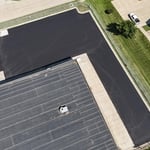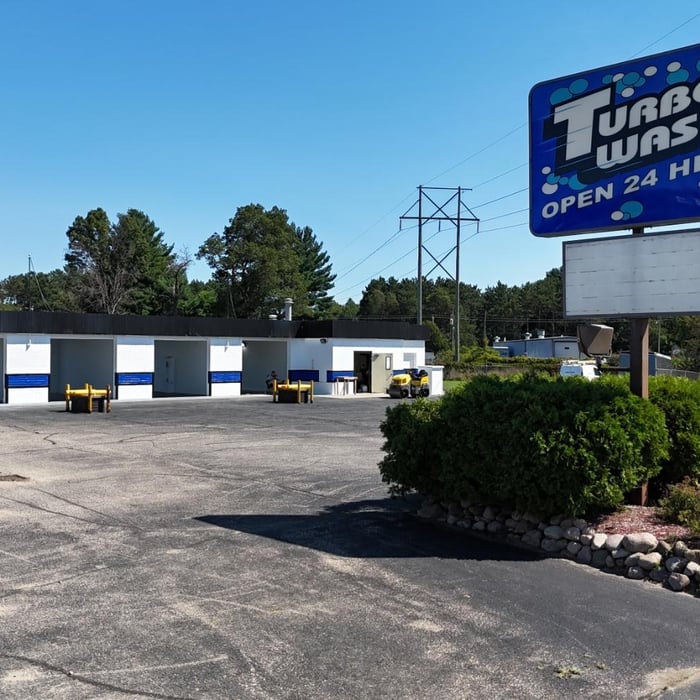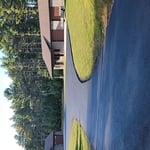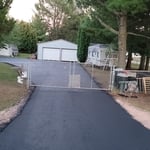




Top-rated asphalt driveway pros.

Get matched with top asphalt driveway pros in Junction City, WI

Enter your zip and get matched with up to 5 pros

Need a pro for your asphalt driveway service project in Junction City, WI?

Select your specific project to find the pro for you.

Find Asphalt driveway pros in Junction City

Hamland Construction Company
4.9(
8
)
Concrete Driveways - InstallBrick and Stone Driveways & Floors - InstallConcrete Driveways & Floors - Install- For Business

Serving Junction City, WI and surrounding areas

Approved

In business since 2008

Free estimates

Customers say: Quick response

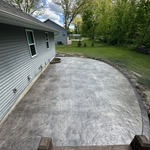
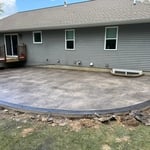
"Very helpful. Took on additional work at a reasonable price. Managed to match 60 year old brick. Very fastidious about getting mortar repairs to match existing colors."
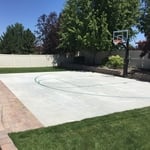
Basketball Court
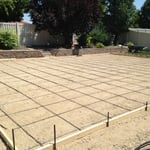
Basketball Court Prep
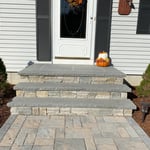
Brick ledges with Stone Top
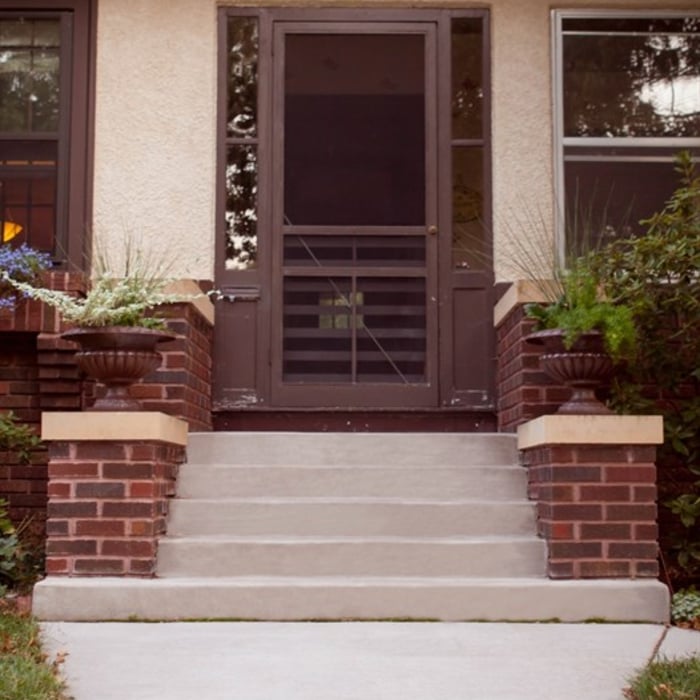
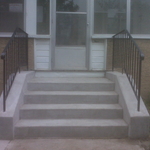
Steps with 10 Inch Curb
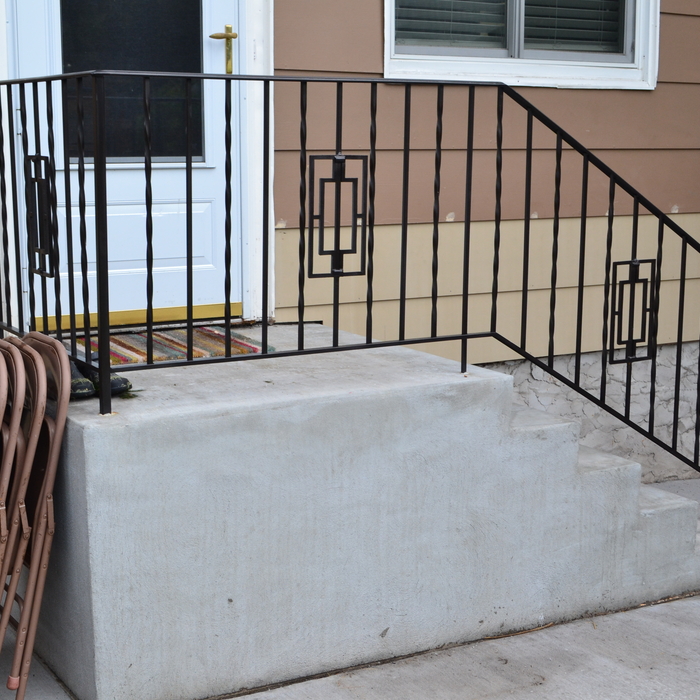
Steps with Design in Handrail

+25

Response time1 day
4 neighbors recently requested a quote
Recommended by100%of homeowners
Showing 1-10 of 44
Asphalt Driveways questions, answered by experts

Asphalt and tarmac are not the same thing. Traditional tarmac, short for tarmacadam, uses tar as a binder to hold crushed stone together. Asphalt uses bitumen—a byproduct of crude oil—to bind aggregate. Though tarmac was once a go-to for roads, asphalt has become the modern standard. And these days, most surfaces referred to as “tarmac” are actually asphalt. So, while the names may overlap, the key distinction lies in the binder—tar for tarmac and bitumen for asphalt.

With proper maintenance, asphalt milling driveways can last 30 years or more. Over time, you’ll need to regularly sealcoat your driveway. You should also have your driveway inspected every few years and make any repairs as soon as they are necessary; this will prolong the lifespan of your driveway.

The three most common types of asphalt are hot asphalt, MC cold mix, and UPM asphalt. Hot asphalt is used most often for paving and patching roadways while it’s hot and workable. MC cold mix asphalt cures more slowly than hot asphalt, but it can be used for temporary patches and repairs in low-traffic areas. UPM is also used cold, but it can be used as a longer-term fix, usable in almost any conditions at almost any temperature.

Like all driveway materials, asphalt can crack in the wrong conditions and with age. Many things can cause asphalt to crack, including shifting soil or settling under the foundation. Other common causes are driving oversized vehicles on the asphalt, tree roots, and using rock salt during the snowy season. Proper installation and sealing the driveway every 10 years can help prevent cracks.

Even with regular maintenance, most driveways don’t last much longer than 30 years. Alligator cracking is a clear warning sign that your driveway’s foundation is failing, and cracks that are deep and wide can let water in, causing more damage. Standing water is another red flag. If your driveway doesn’t drain properly, it’s going to degrade slowly. Finally, if you’re seeing dips or uneven patches, that’s a sign the base layer or soil is shifting. If these issues pop up, it’s time to replace your driveway.

The Junction City, WI homeowners’ guide to asphalt driveway services

From average costs to expert advice, get all the answers you need to get your job done.