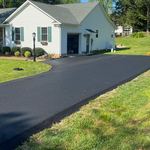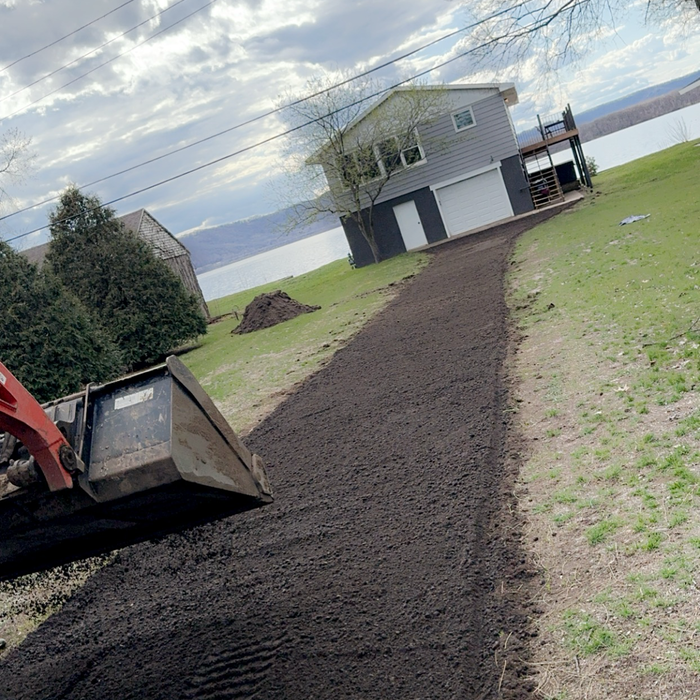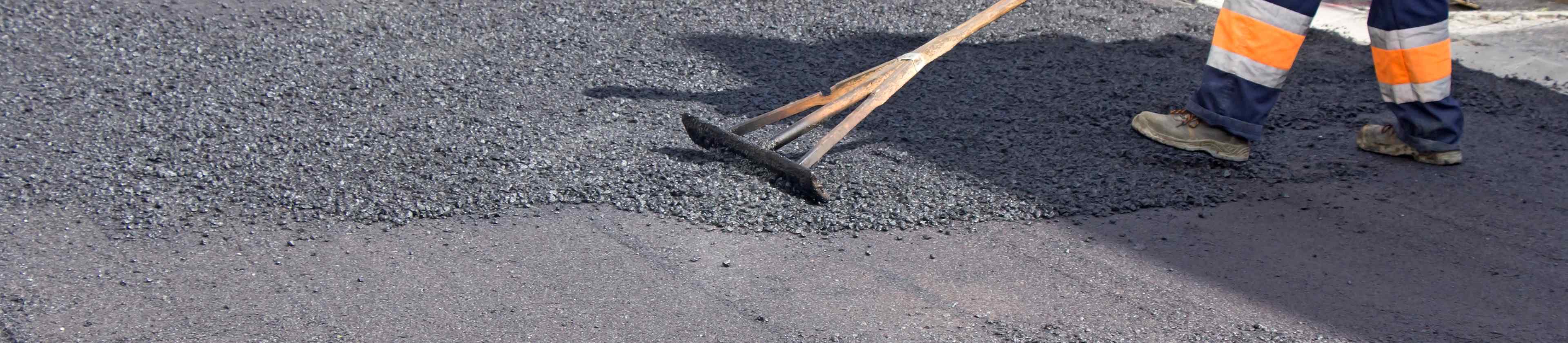





Top-rated asphalt driveway pros.

Get matched with top asphalt driveway pros in Vesper, WI

Enter your zip and get matched with up to 5 pros

Need a pro for your asphalt driveway service project in Vesper, WI?

Select your specific project to find the pro for you.

Find Asphalt driveway pros in Vesper

B&E Asphalt
4.0(
14
)
Asphalt SealingAsphalt Paving - InstallAsphalt Paving - Install- For Business+3 more

Serving Vesper, WI and surrounding areas

Approved

In business since 1995

Free estimates

Credit card accepted

30 Years Experience \nYour satisfaction isn’t just a goal—it’s our promise. We pride ourselves on being more than just a provider; we are a partner you can trust. By combining thorough, high-quality work with a proactive approach to your concerns, we ensure every detail is handled with integrity and speed. We uphold the highest ethical standards so you can rest easy. Let’s get started—call us today! 608-567-9259\n

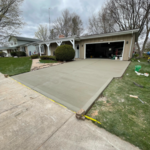
Asphalt work
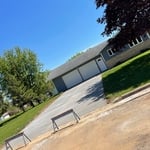
Asphalt work
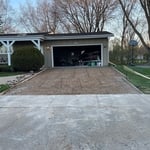
Asphalt work
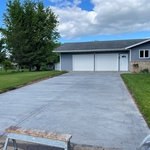
Asphalt work
Asphalt paving

+8

3 neighbors recently requested a quote

Recommended by72%of homeowners
Showing 1-10 of 45
Asphalt Driveways questions, answered by experts

Asphalt is made of aggregate materials (sand, rocks, and gravel) and bitumen, a viscous, petroleum-based, waterproof substance. These materials are mixed together at extremely high temperatures to form asphalt.

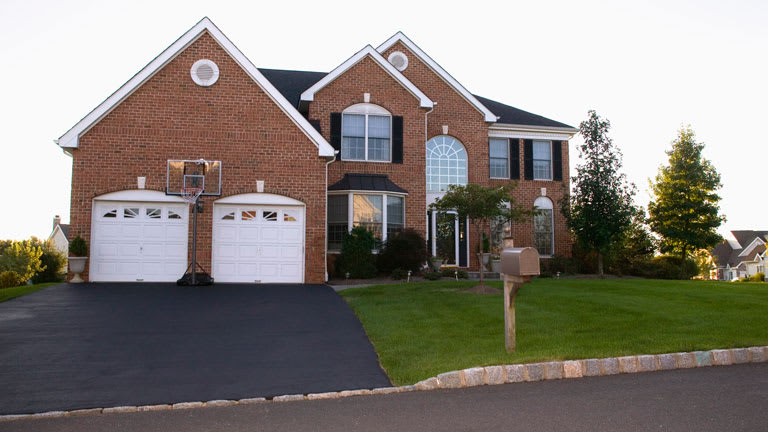
New asphalt goes through two stages: drying and curing. Drying typically takes 24 to 72 hours, after which the surface is solid enough for light use like walking or careful driving. While you may be able to park on it after 72 hours, the surface is still soft and should be treated gently. Full curing is a much longer process, taking anywhere from 30 days to a full year for the asphalt to reach maximum strength. During this extended curing period, the asphalt is susceptible to damage from heavy vehicles, sharp objects, and high temperatures. Factors like weather, the specific asphalt mix, and application thickness all influence drying and curing times. For the most accurate timeline and to ensure the longevity of your new asphalt, it is always best to consult with your installation contractor for their specific recommendations.

Asphalt and tarmac are not the same thing. Traditional tarmac, short for tarmacadam, uses tar as a binder to hold crushed stone together. Asphalt uses bitumen—a byproduct of crude oil—to bind aggregate. Though tarmac was once a go-to for roads, asphalt has become the modern standard. And these days, most surfaces referred to as “tarmac” are actually asphalt. So, while the names may overlap, the key distinction lies in the binder—tar for tarmac and bitumen for asphalt.

Driveway aprons typically range between four and seven inches thick, though your town's building codes will likely have specific requirements. Additionally, you may need to add a layer of permeable aggregate in the excavation below your paved apron to ensure proper stormwater drainage.

Gravel is one of the few driveway materials that can handle rain the second it’s installed. Unlike asphalt, which needs days to set, or concrete, which requires weeks to cure, gravel is ready as soon as it’s compacted. It’s naturally permeable, allowing water to drain straight through—with no risk of pooling or surface damage. Gravel driveways are one of the most affordable, at $1 to $3 per square foot, and can also last upward of 100 years.

The Vesper, WI homeowners’ guide to asphalt driveway services

From average costs to expert advice, get all the answers you need to get your job done.