


Top-rated radon detection and reduction specialists.

Get matched with top radon detection and reduction specialists in Vancouver, WA

Enter your zip and get matched with up to 5 pros

Need a pro for your radon detection and reduction project in Vancouver, WA?

Select your specific project to find the pro for you.

Find Radon detection and reduction specialists in Vancouver

Really Fast Rapid Radon Remediation
4.7(
30
)
Radon Gas - Abatement

Serving Vancouver, WA and surrounding areas

Approved

In business since 2010

Free estimates

Credit card accepted

"Stu and Tom took care of our radon needs to get our home ready for sale. The communication was excellent. The finished product was fantastic and I’m sure the new owners will love the system. Very fast in and out on a short window of time we had. Thank team. I’d hire again for sure"
Response time10 hrs
Recommended by96%of homeowners
Avatar for Rose City Laboratories, LLC
Rose City Laboratories, LLC
5.0(
2
)
Radon Gas - Testing

Serving Vancouver, WA and surrounding areas

Approved

In business since 2012

Free estimates

Small jobs welcome

Science First. We are experts in our field and we will do our best to keep you as educated as we can on your particular task or project. We look forward to earning your business.

Response time2 days
Response rate90%
Recommended by100%of homeowners

Avatar for John's Waterproofing Co.
John's Waterproofing Co.
4.0(
71
)
Radon Gas - AbatementRadon Gas - Testing

Serving Vancouver, WA and surrounding areas

Approved

In business since 1974

Free estimates

Warranties offered

"This work crew of Lupe, Waldo, and Rene did an OUTSTANDING job; this is hard work, these (3) dedicated hombres did an incredible job for us. We are so grateful for these three men. I easily recommend this crew to you, very reliable, honest, trustworthy and friendly. Best in the Business. Muchas gracias amigos!!! We love these guys!"
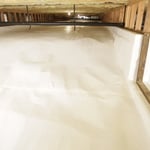
Encapsulation System
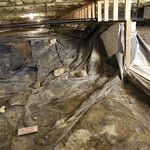
Before Encapsulation
Before Interior Drain System
After Interior Drain System
Finished basement

+38

216 neighbors recently requested a quote
Recommended by93%of homeowners

Avatar for Propertyexam
Propertyexam
4.6(
18
)
Radon Gas - AbatementRadon Gas - Testing

Serving Vancouver, WA and surrounding areas

In business since 1986

Free estimates

Emergency services offered

"Scott has always been professional and is extremely knowledgeable in all phases of real estate inspection. He also has a wide knowledge of how to remodel any home from the ground up. You won't find a better inspector in the area."
Additional Photos
Additional Photos
Additional Photos
Additional Photos
Additional Photos

+4

Recommended by100%of homeowners
Showing 1-10 of 19
Radon Detection and Reduction questions, answered by experts

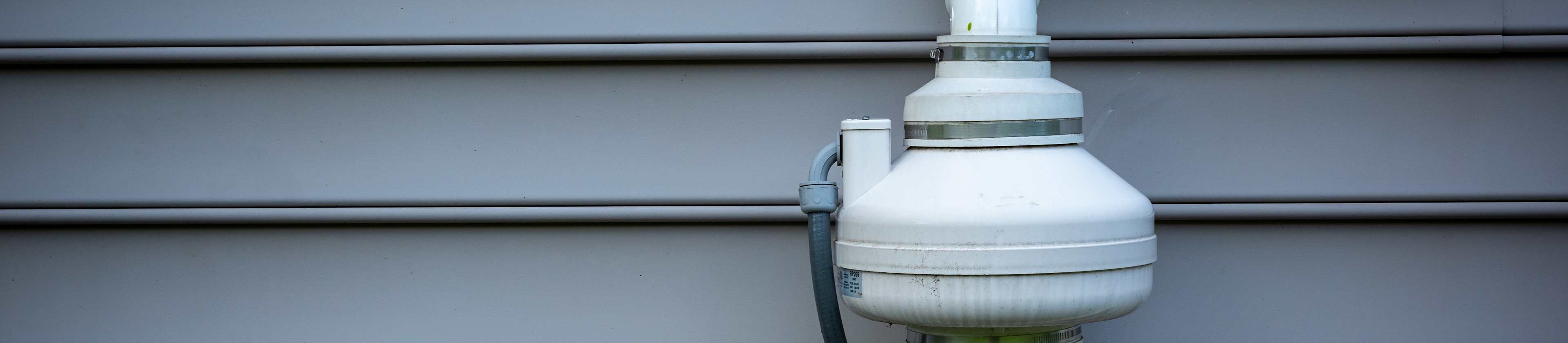
The average radon mitigation system uses about 876 kWh of electricity per year, although the exact amount of electricity used will vary depending on the size of the radon fan. Once the system is installed, the annual increase to your energy bill could range from $30 to $300 per year, again depending on the size of the fan.

The lifespan of a radon mitigation system depends on the type of system and its maintenance. With proper care, a system can last for many decades. Passive systems tend to last longer as they have fewer components that require replacement. Active systems, which have more moving parts like fans, generally have a shorter lifespan. For instance, water filtration devices and active pressurization systems require more frequent maintenance. While the system as a whole is durable, the radon fan in an active system typically has a lifespan of 5 to 10 years and will need to be replaced. As long as the fan is working, the mitigation system should function correctly.

Installing a mitigation system reduces radon levels, which can cause lung cancer, providing peace of mind and long-term health benefits. It can also increase your home’s value, as many buyers prefer properties with radon safety measures in place. The investment is relatively low compared to the potential health risks associated with prolonged radon exposure.

Abatement includes sealing entry points and venting with systems that reduce radon levels below recommended EPA limits. It is handled by certified professionals.

Radon enters your home when warm air begins to rise and exits through the roof, creating a vacuum that pulls cooler air from under the foundation. Part of that air is radon, which is an invisible, odorless gas that develops naturally when radioactive particles are deep within the ground. Those particles usually come from decaying matter in soil and rocks.

The Vancouver, WA homeowners’ guide to radon detection and reduction services

From average costs to expert advice, get all the answers you need to get your job done.