





Top-rated deck staining pros.

Get matched with top deck staining pros in Parkland, WA

Enter your zip and get matched with up to 5 pros

Need a pro for your deck staining project in Parkland, WA?

Select your specific project to find the pro for you.

TRUSTED BY PARKLAND, WA HOMEOWNERS

  • Average homeowner rating star icon4.5
    Average homeowner rating
  • Verified reviews icon77
    Verified deck staining services reviews

Find Deck staining pros in Parkland

Avatar for Emmanuel Painting LLC
Emmanuel Painting LLC
5.0(
27
)
Exterior Home or Structure - Paint or Stain: LargeExterior Home or Structure - Paint or Stain: MediumExterior Home or Structure - Paint or Stain

Serving Parkland, WA and surrounding areas

Approved

In business since 2014

Free estimates

Emergency services offered

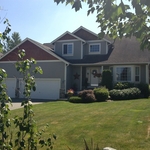
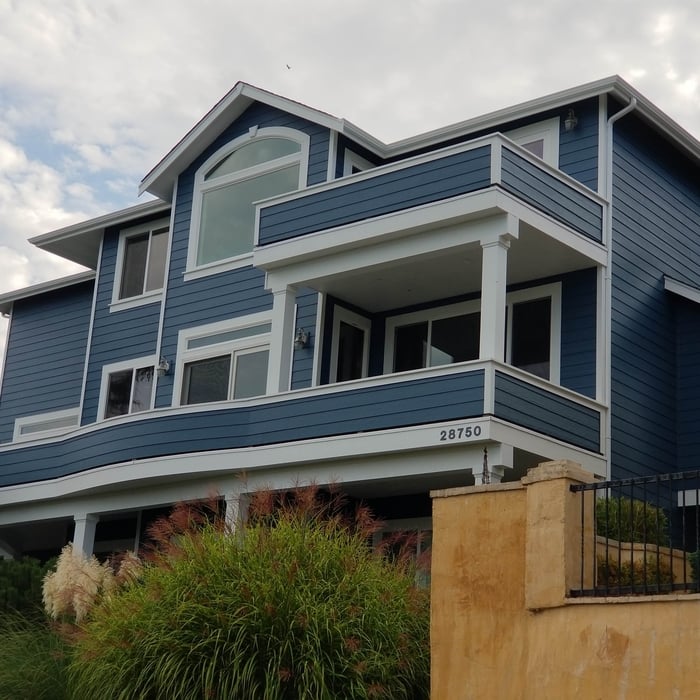
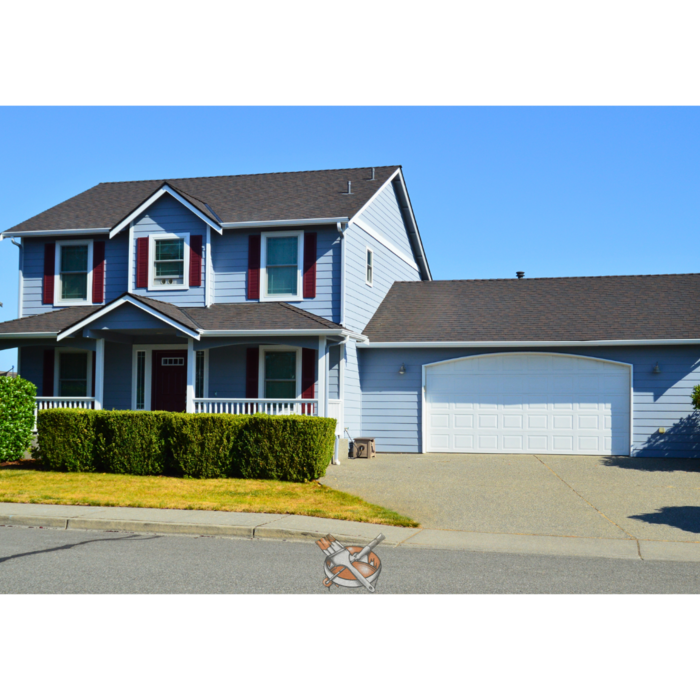
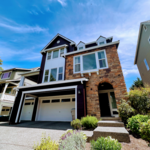
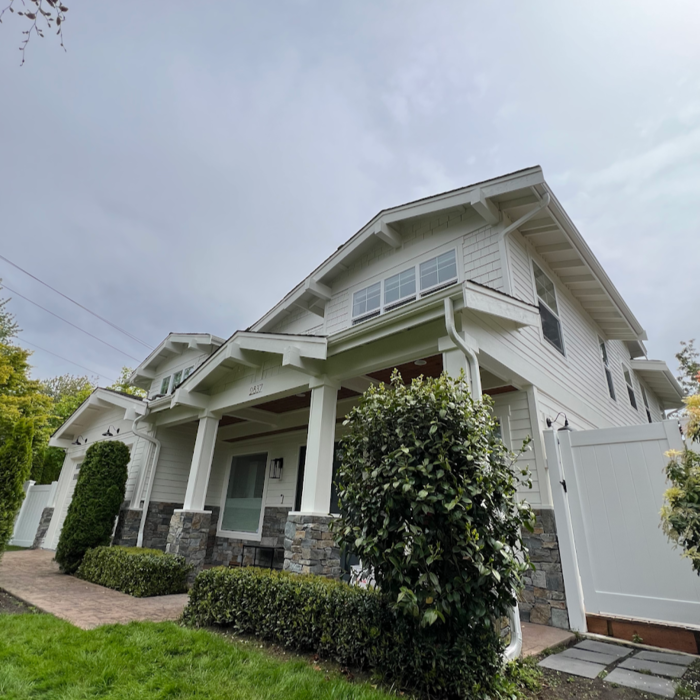
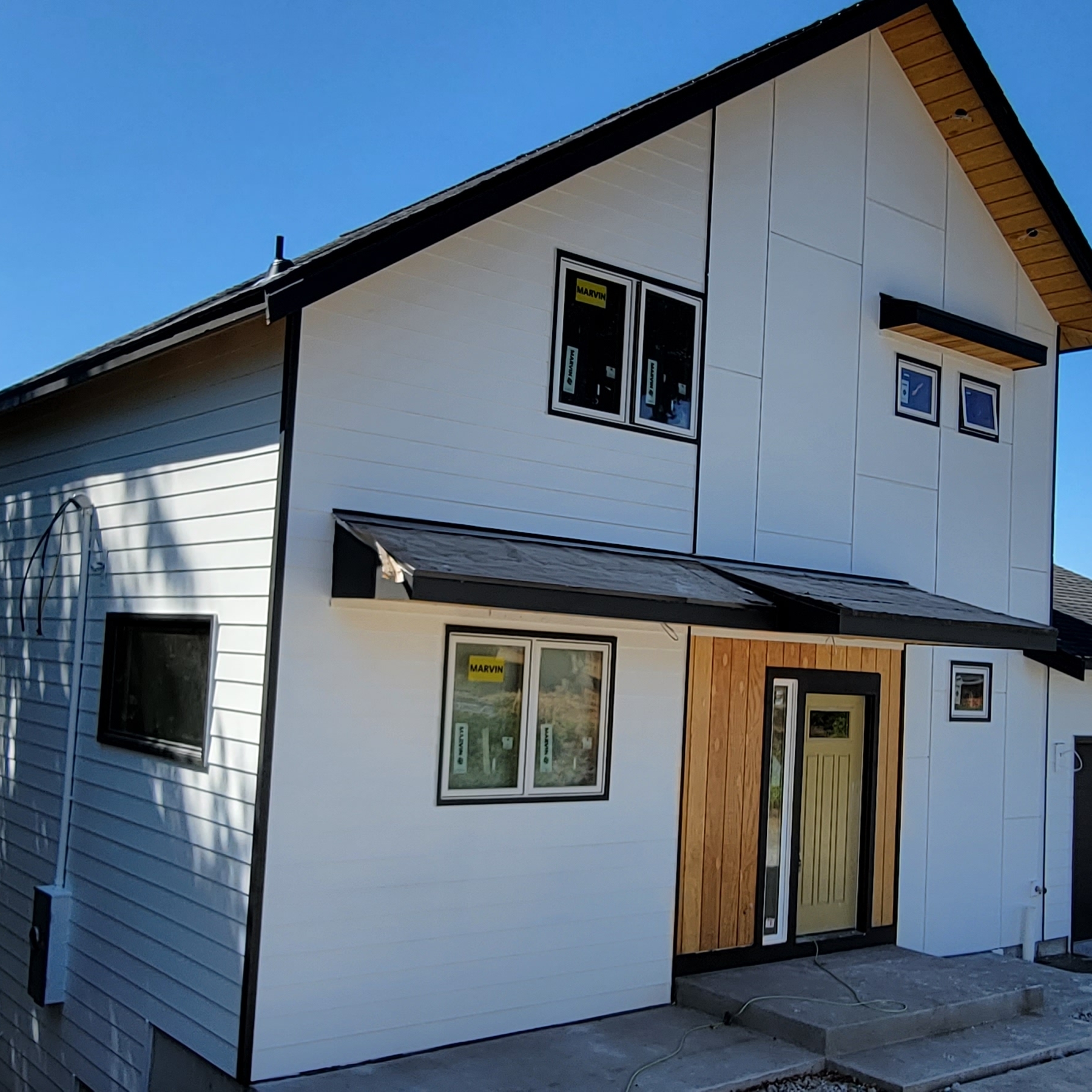
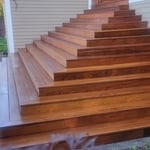
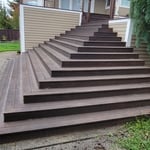
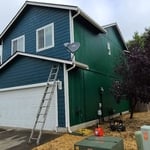
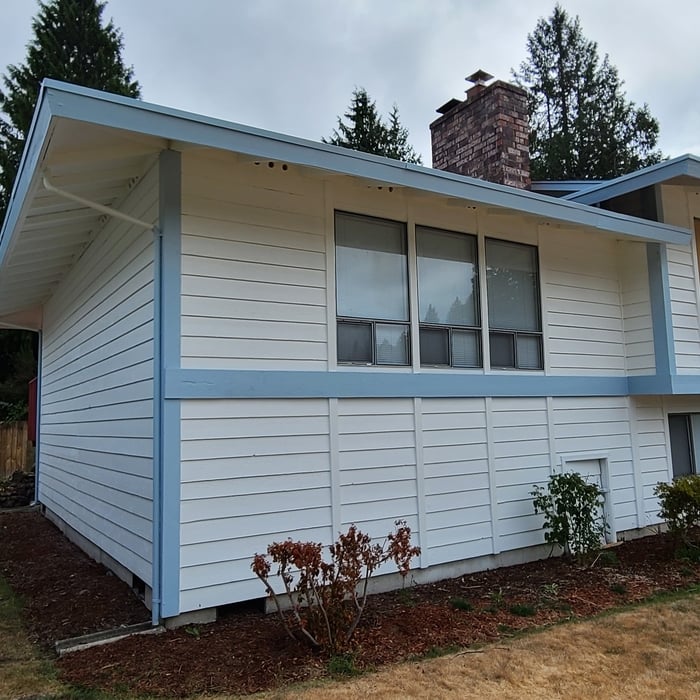
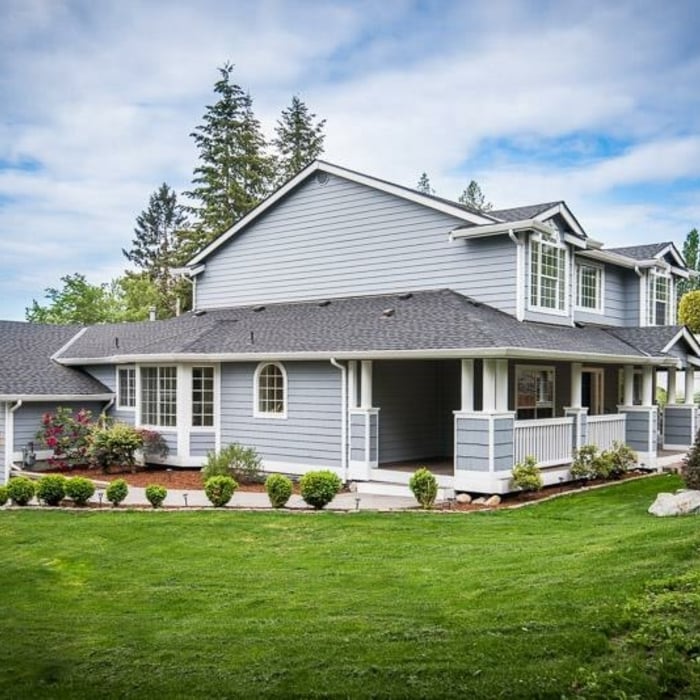
"Reginaldo was very punctual, and he's hard working. He's dedicated to good work, and it shows. He power washed the whole house and patio and painted the trim. Our exterior looks like new again. Neighbors are even complimenting it. We couldn't be more pleased."
Additional Photos
Additional Photos
Additional Photos
Additional Photos
Additional Photos

+37

8 neighbors recently requested a quote
Recommended by100%of homeowners
...
Showing 1-10 of 476
Deck Staining questions, answered by experts

You’ll need to wait until the surface is completely dry, which can take anywhere from 24 to 48 hours under optimal conditions. The waiting period depends on several factors, including the type of siding and the weather conditions. Trying to paint before the surface is completely dry can trap moisture under the paint, leading to bubbling, blistering, and mold growth.

You can apply stain over peeling stain, but it’s not a good idea. Your old stain will get in the way of your new stain bonding to the wood, so you’re likely going to see the same issue again shortly after application. Your best option is to sand off the old stain and clean the surface thoroughly before applying new stain.

Wood stain is not flammable after it dries. The solvent in wood stain is what causes the liquid form to be highly flammable, but the stain drying process involves the solvents dissolving, which leaves behind a non-flammable product on your wood project. Wood stain is, however, flammable before you apply it, so you should always store partially full cans and used wood stain rags away from sources of heat and open flames.

Limewash and whitewash are two techniques used to give brick a light, matte finish, but they differ in composition, application, and permanence. The best choice depends on your aesthetic goals and the specific surface.

Composition

  • Limewash: A natural and environmentally friendly option made from limestone, water, and sometimes pigments. It is breathable and soaks into porous surfaces like brick.

  • Whitewash: Traditionally made from lime, water, chalk, and binders, but a similar look can be achieved with watered-down white paint. It is paint-based and sits on top of the surface.

Appearance and Finish

  • Limewash: Provides a natural, textured appearance that allows the brick's character to show through. It offers a more traditional finish.

  • Whitewash: Creates a softer, more opaque finish, often used for a rustic or shabby-chic style.

Application and Permanence

  • Limewash: Is semi-permanent and can be removed, making it a good choice if you might want to change the look in the future. It requires more skill to apply and cannot be used on previously painted brick.

  • Whitewash: Is a more permanent solution. It is more forgiving to apply and can be used on painted brick. However, because it sits on the surface, it can trap moisture.

Ultimately, if you want a breathable, natural, and reversible finish for unpainted brick, limewash is a great option. If you need a more permanent, opaque coating that can be applied over painted surfaces, whitewash is the better choice. Whitewashing may also be more economical, costing approximately $1.40 to $4.20 per square foot.

Wood stain is typically dry to the touch within 6 to 12 hours, but it is not fully cured at this point. You should wait at least 24 hours before applying a second coat or a protective finish. For surfaces like decks, avoid walking on them for at least 24 to 48 hours, and wait even longer before placing furniture. The full curing process can take from 24 hours to one week, depending on the type of stain. Factors like high humidity and cold temperatures can extend drying and curing times, so it's wise to allow for extra time in these conditions.


The Parkland, WA homeowners’ guide to deck staining services

From average costs to expert advice, get all the answers you need to get your job done.